
The Departed
Find the movies with rewatch gravity, live dossiers, and unfinished cases worth deepening.
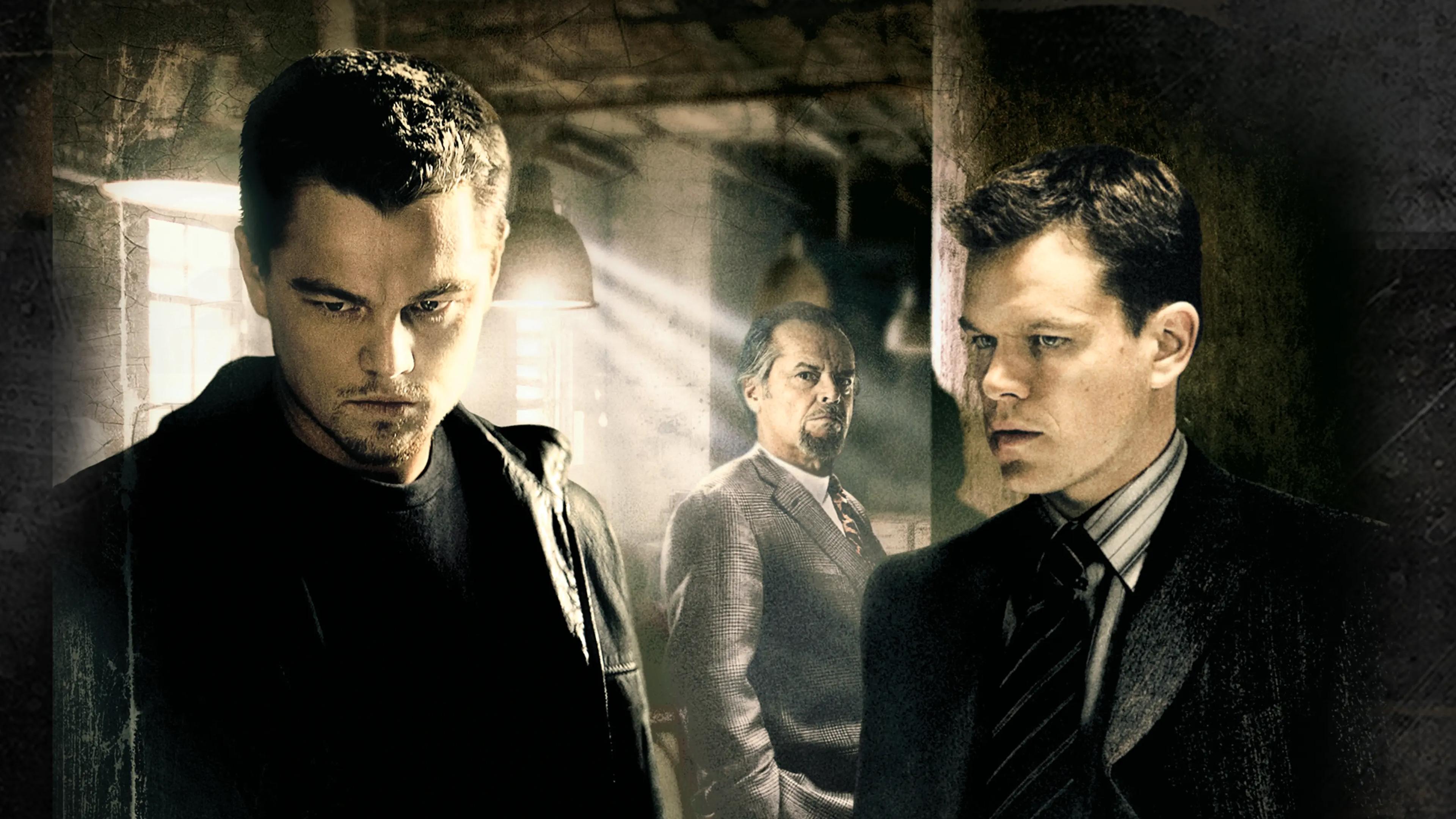
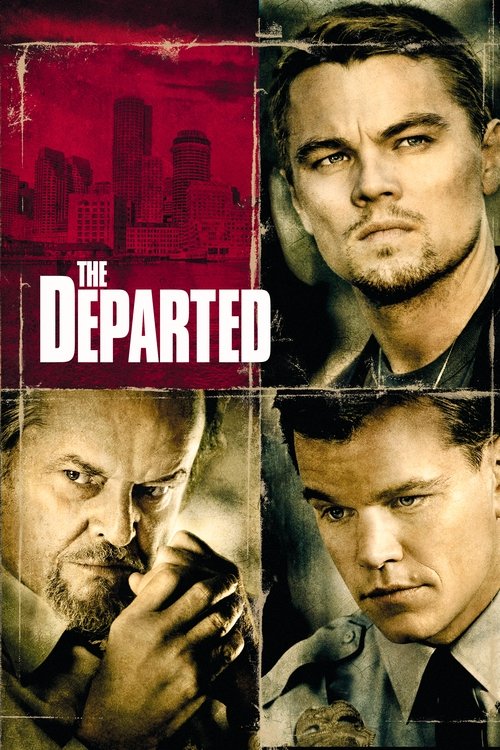
Movie dossier
The Departed
Scorsese turns an undercover-thriller remake into a furious machine about infiltration, class hostility, and masculine panic.
Latest video signal
Trailer slot ready
A widescreen slot for the newest official trailer, interview, or scene signal when the page has a playable source.
Why it matters
The Departed matters because it proves Scorsese can take imported material and make it feel native to his own concerns. The movie is about cops, gangsters, Catholic guilt, institutional rot, and men performing toughness until performance becomes identity. It is a remake that plays like a pressure-cooker self-portrait of Boston corruption and male insecurity.
Craft read
Parallel undercover identities locked into constant exposure risk
Profane, funny, paranoid, and suddenly brutal
A major late-period Scorsese hit that still feels alive rather than respectable
Themes
Cast and context
undercover • mole • boston • police corruption • gangster • betrayal
Coverage status
A fully shaped Cinema One case: the movie has enough authored context, pathway links, and argument to feel like more than a catalog entry.
Production notes
- • The ensemble works because every major actor is playing a version of pressure, whether it comes out as panic, swagger, contempt, or exhausted competence.
- • Scorsese’s Boston feels tribal and contaminated, a city where every institution is already halfway compromised before the plot fully kicks in.
- • A key Scorsese page because it connects the gangster lane to police corruption, remake authorship, and modern studio-thriller momentum.
Watch-next pathway
What should you do after The Departed?
Three intentional continuations: stay with the filmmaker, chase the dominant pressure signal, or jump into the shelf or argument that best explains why this movie belongs here.
Goodfellas
The cleanest next move if Martin Scorsese's control, obsessions, or rhythm are what hooked you here.
More infiltration
Use the taste map to find movies, arguments, and shelves that share this page's strongest signal.
Tension Machines
Command decisions, brinkmanship, pressure, and movies that tighten the screws scene by scene.
Movie-page argument
Defend The Departed.
If this movie has a scene, performance, ending, or idea people underrate, make the case. The best defenses can become future Cinema One argument material.

Scene challenge
Pick the scene that proves it.
Cinema One is built around scenes that unlock the movie. Tell us which moment carries the pressure, style, argument, or rewatch charge.
Signature scene: the elevator shock works because the movie has already trained you to expect delay
The Departed’s most famous jolt lands so hard because Scorsese weaponizes timing. The scene is not only surprising. It is the instant when all the movie’s talk about infiltration, trust, and survival collapses into pure irreversible fact.
Line worth carrying forward
“I’m the guy who does his job. You must be the other guy.” The line endures because it condenses the whole movie’s contempt economy. Every man in The Departed is measuring himself against another compromised man and calling the comparison honor.
Why the ending satisfies so hard
The ending works because The Departed understands that a movie this contaminated cannot close on purity. What it can offer is a ruthless clearing of the board, a final recognition that institutions full of masks tend to produce endings that feel less noble than terminally corrective.
Steelman the debate
A fair critique is that The Departed sometimes substitutes profanity, star friction, and shock for the tragic melancholy that gives Infernal Affairs its special charge. The strongest defense is that Scorsese is not trying to preserve the original film’s exact temperature. He is making a hotter, uglier movie about American institutions, where the excess is part of the diagnosis.
More from this director
Related picks
Read next
Scorsese’s Boston pressure cooker works because it turns identity, class hostility, and institutional rot into one loud, filthy propulsion system.
What makes Goodfellas immortal is that Scorsese never separates the rush from the critique. The thrill is the delivery system for the emptiness.
Scorsese’s boxing masterpiece hits so hard because it uses virtuosity to study a person who keeps turning love, work, and ambition into damage.