
Taxi Driver
Find the movies with rewatch gravity, live dossiers, and unfinished cases worth deepening.
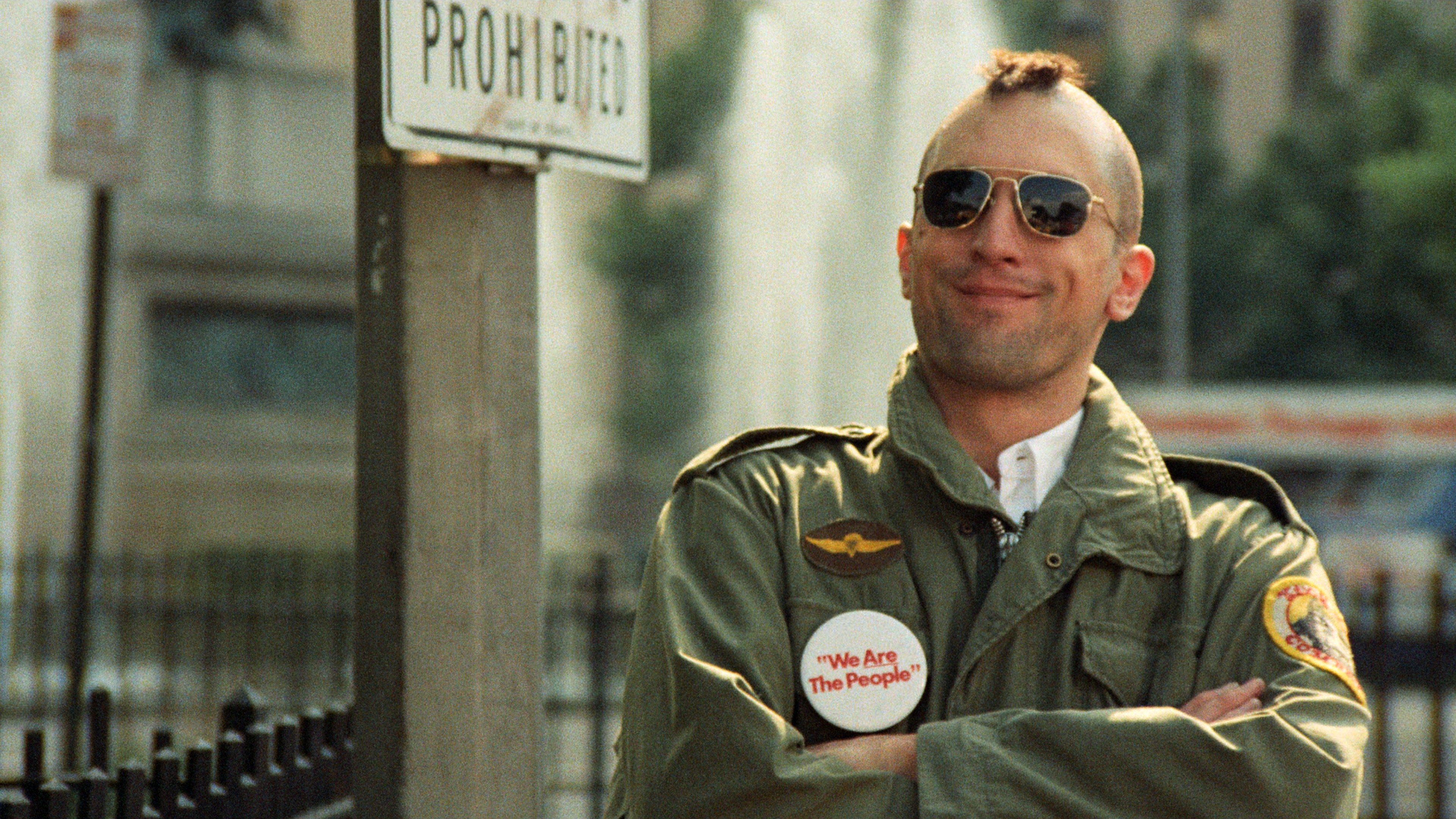
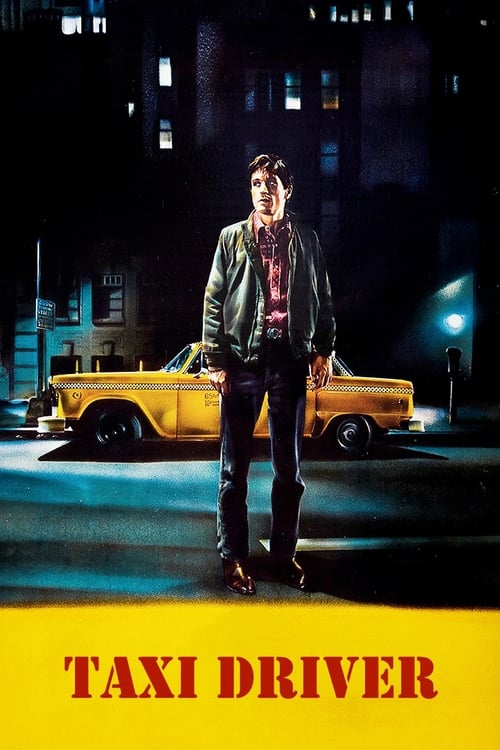
Movie dossier
Taxi Driver
Scorsese turns urban alienation into a character study so unstable it starts feeling like a civic nightmare.
Latest video signal
Trailer slot ready
A widescreen slot for the newest official trailer, interview, or scene signal when the page has a playable source.
Why it matters
Taxi Driver matters because it makes loneliness feel politically dangerous without ever reducing Travis Bickle to a neat case study. Scorsese, Schrader, and De Niro build a movie where masculine grievance, moral disgust, fantasy, and performance all ferment together until the city itself seems to be authoring the breakdown.
Craft read
A subjective descent that keeps Travis legible without ever making him safe
New York photographed as insomnia, rot, seduction, and psychic overload all at once
A foundational American character study about alienation curdling into self-myth
Themes
Cast and context
loneliness • vigilantism • new york city • alienation • insomnia • urban decay
Coverage status
A fully shaped Cinema One case: the movie has enough authored context, pathway links, and argument to feel like more than a catalog entry.
Production notes
- • De Niro’s performance is inseparable from the film’s power because he makes Travis feel both terrifyingly specific and horribly recognizable as a social type.
- • Bernard Herrmann’s score helps the movie oscillate between nocturnal seduction and private threat, which is why the city feels dreamy and diseased at the same time.
- • A crucial Scorsese page because it anchors the lane around male self-invention, psychic drift, and the danger of turning disgust into purpose.
Watch-next pathway
What should you do after Taxi Driver?
Three intentional continuations: stay with the filmmaker, chase the dominant pressure signal, or jump into the shelf or argument that best explains why this movie belongs here.
Goodfellas
The cleanest next move if Martin Scorsese's control, obsessions, or rhythm are what hooked you here.
More alienation
Use the taste map to find movies, arguments, and shelves that share this page's strongest signal.
Obsession Engines
Movies where ambition, rivalry, guilt, or control become the whole machine.
Movie-page argument
Defend Taxi Driver.
If this movie has a scene, performance, ending, or idea people underrate, make the case. The best defenses can become future Cinema One argument material.

Scene challenge
Pick the scene that proves it.
Cinema One is built around scenes that unlock the movie. Tell us which moment carries the pressure, style, argument, or rewatch charge.
Signature scene: the mirror monologue turns rehearsal into self-creation
“You talkin’ to me?” survives because the scene is not just quotable improvisation. It is Travis practicing the version of himself he wants the world to fear, which makes the moment both ridiculous and chilling. Scorsese shows violence beginning as performance before it ever becomes action.
Line worth carrying forward
“Someday a real rain will come and wash all this scum off the streets.” The line matters because it turns Travis’s disgust into theology. He is not merely angry. He is narrating himself as an instrument of purification, which is exactly what makes him so dangerous.
Why the ending will not settle down
Taxi Driver ends in a way that refuses clean diagnosis. Whether you read the closing stretch as reality, fantasy, or something in between, the point is that the culture around Travis is still able to misrecognize him as a hero. Scorsese closes the film on the unnerving possibility that private pathology and public reward can align.
Steelman the debate
A fair critique is that Taxi Driver risks turning Travis into a fetish object of masculine rage, giving the audience proximity to him that can blur the line between exposure and glamorization. The strongest defense is that the movie’s whole method is contamination. Scorsese wants you close enough to feel the seduction, then close enough to see how rotten the seduction is.
More from this director
Related picks
Read next
Scorsese’s landmark stays unnerving because it never treats Travis Bickle as a puzzle to solve. It traps us inside a worldview rotting in real time.
Scorsese’s Boston pressure cooker works because it turns identity, class hostility, and institutional rot into one loud, filthy propulsion system.
What makes Goodfellas immortal is that Scorsese never separates the rush from the critique. The thrill is the delivery system for the emptiness.