
Sicario
Find the movies with rewatch gravity, live dossiers, and unfinished cases worth deepening.
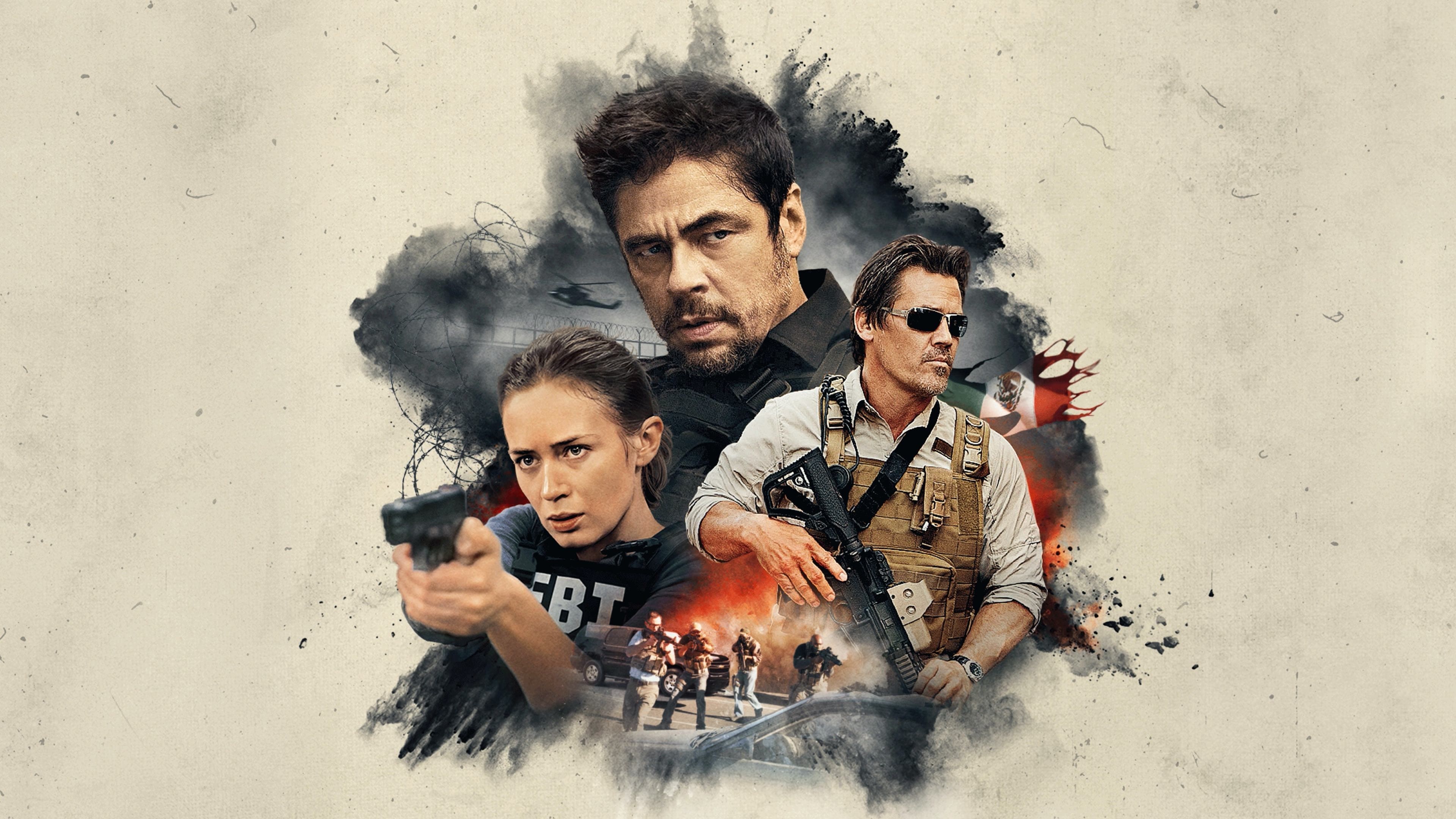
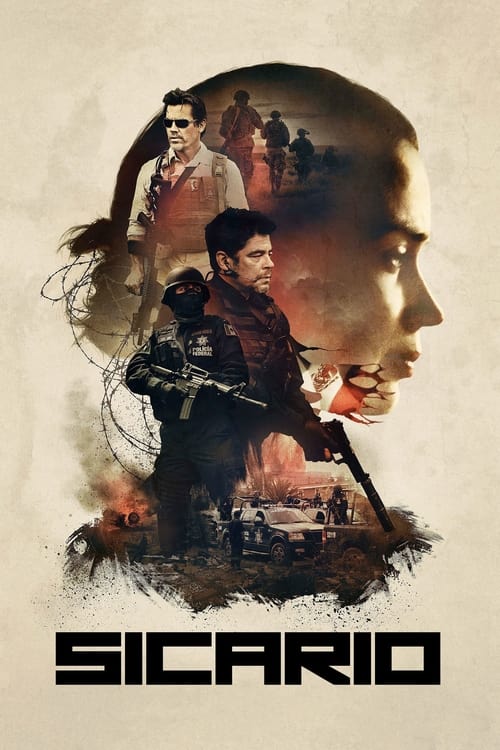
Movie dossier
Sicario
Villeneuve turns border-war procedure into a descent through power so compromised that clarity itself becomes dangerous.
Latest video signal
Trailer slot ready
A widescreen slot for the newest official trailer, interview, or scene signal when the page has a playable source.
Why it matters
Sicario matters because it treats the thriller as a system of disorientation. The movie begins with institutional purpose and keeps stripping it away until the audience, like Kate Macer, has to face a machinery of violence that no longer needs moral language to operate.
Craft read
Emily Blunt’s Kate gives the audience a moral baseline the operation keeps undermining
Set pieces built from patience, distance, and procedural uncertainty before eruption
Essential for compromised-power, border-thriller, and modern procedural programming
Themes
Cast and context
border war • cartel • fbi • moral ambiguity • task force • violence
Coverage status
A strong case file with real editorial shape: enough craft, context, and connection to guide a serious watch.
Production notes
- • The Juárez convoy sequence is a masterclass in dread through geography, traffic, silence, and rules no one explains out loud.
- • Benicio del Toro’s Alejandro matters because he embodies the movie’s argument that trauma can be converted into state-sanctioned brutality.
- • A crucial Villeneuve page because it shows how his restraint can make violence feel heavier, not softer.
Watch-next pathway
What should you do after Sicario?
Three intentional continuations: stay with the filmmaker, chase the dominant pressure signal, or jump into the shelf or argument that best explains why this movie belongs here.
Dune: Part Two
The cleanest next move if Denis Villeneuve's control, obsessions, or rhythm are what hooked you here.
More power
Use the taste map to find movies, arguments, and shelves that share this page's strongest signal.
Villeneuve Pressure Systems
Denis Villeneuve films where dread, scale, silence, and systems thinking turn genre premises into pressure chambers.
Movie-page argument
Defend Sicario.
If this movie has a scene, performance, ending, or idea people underrate, make the case. The best defenses can become future Cinema One argument material.

Scene challenge
Pick the scene that proves it.
Cinema One is built around scenes that unlock the movie. Tell us which moment carries the pressure, style, argument, or rewatch charge.
Signature scene: the border crossing turns traffic into a kill box
The sequence works because Villeneuve and Deakins make ordinary congestion feel tactical. Every stopped car becomes a threat surface, every glance becomes information, and the eventual violence feels less like release than confirmation that Kate has entered a different rule system.
Line worth carrying forward
“You should move to a small town, where the rule of law still exists.” The line is devastating because it is not framed as villainous boasting. It is the movie’s bleak thesis delivered as practical advice.
Why the ending feels like defeat even after the mission succeeds
The ending lands because Kate’s signature is not consent in any meaningful moral sense. It is coerced participation in a system that has already decided legality is theater. The final image leaves her alive but politically and spiritually outmaneuvered.
Steelman the debate
A reasonable critique is that Sicario risks making geopolitical violence feel abstract by filtering it through U.S. agency and thriller style. The best defense is that the abstraction is part of Kate’s nightmare: she is trapped inside an operation whose language deliberately hides the human cost it produces.
More from this director
Related picks
Read next
The real reason to track Dune: Messiah early is that it could force blockbuster franchise culture to sit inside consequence instead of momentum.
Fincher’s Dragon Tattoo remake endures because research, pattern recognition, and bruised trust become as gripping as any chase scene.
Benjamin Button matters because Fincher treats the reverse-aging premise less like a trick than a way to make timing itself feel tragic.