
Prisoners
Find the movies with rewatch gravity, live dossiers, and unfinished cases worth deepening.
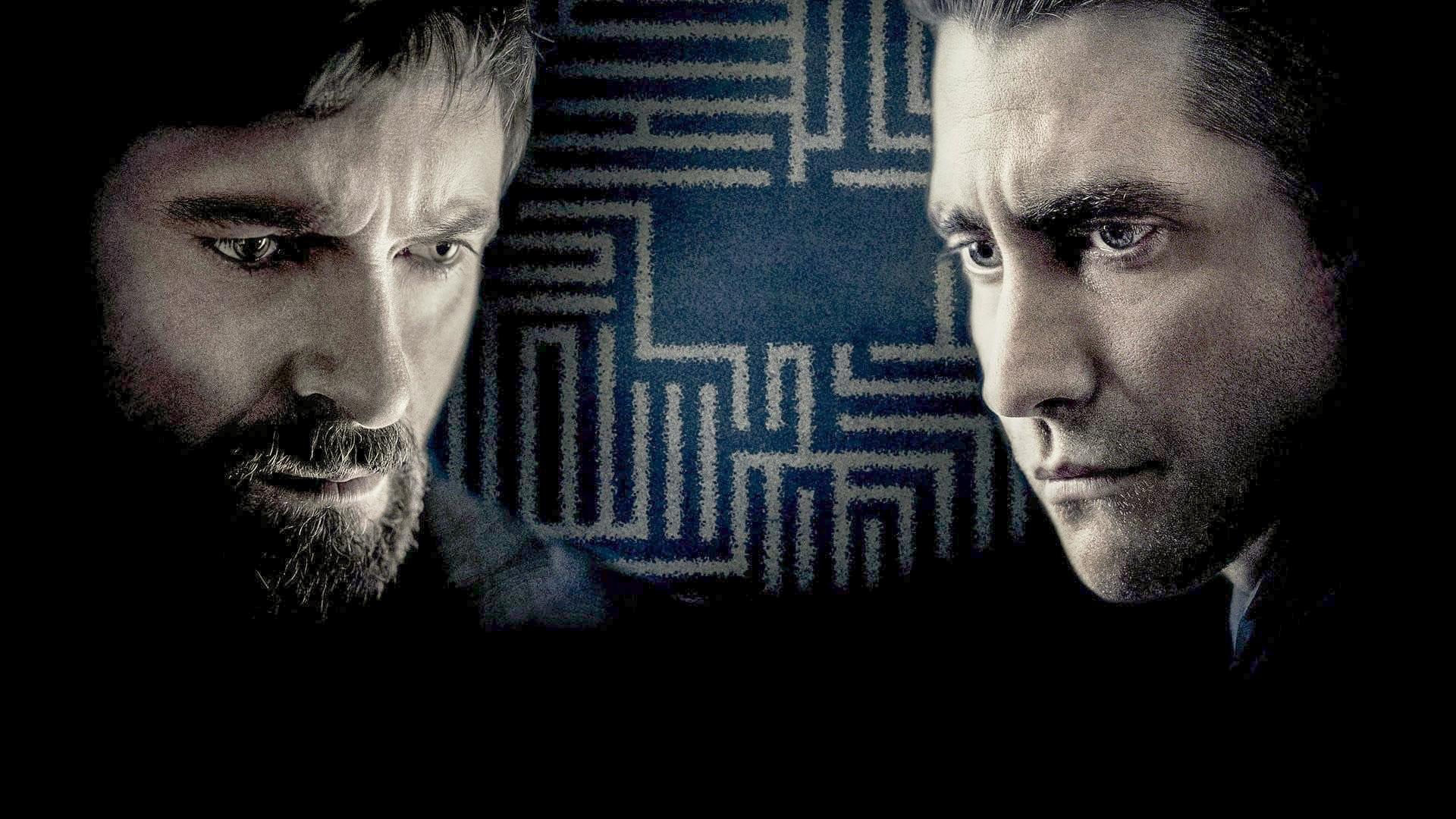
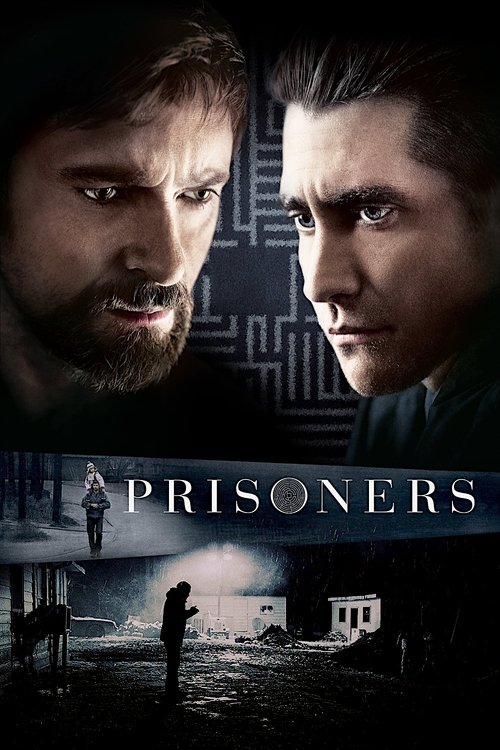
Movie dossier
Prisoners
Villeneuve turns a child-abduction thriller into a moral weather system where grief keeps looking for permission to become violence.
Latest video signal
Trailer slot ready
A widescreen slot for the newest official trailer, interview, or scene signal when the page has a playable source.
Why it matters
Prisoners matters because it shows Villeneuve building suspense from atmosphere and ethical erosion instead of puzzle mechanics alone. The case is gripping, but the deeper charge comes from watching fear, faith, policing, and vigilantism push ordinary people toward choices they cannot cleanly take back.
Craft read
Rain, gray light, and suburban spaces used as emotional pressure rather than mere mood
Hugh Jackman and Jake Gyllenhaal split the movie between feral panic and exhausted procedure
A key Villeneuve thriller for dread, moral compromise, and procedural obsession
Themes
Cast and context
kidnapping • vigilantism • detective • moral compromise • suburban dread • investigation
Coverage status
A strong case file with real editorial shape: enough craft, context, and connection to guide a serious watch.
Production notes
- • Roger Deakins gives the film a drained, wintry severity that makes every room feel ethically airless.
- • The movie works because Keller Dover is frightening and understandable at the same time, never reduced to either monster or hero.
- • A strong foundation for the Villeneuve lane because it connects his crime-thriller control to the spiritual dread that later expands into science fiction.
Watch-next pathway
What should you do after Prisoners?
Three intentional continuations: stay with the filmmaker, chase the dominant pressure signal, or jump into the shelf or argument that best explains why this movie belongs here.
Dune: Part Two
The cleanest next move if Denis Villeneuve's control, obsessions, or rhythm are what hooked you here.
More grief
Use the taste map to find movies, arguments, and shelves that share this page's strongest signal.
Villeneuve Pressure Systems
Denis Villeneuve films where dread, scale, silence, and systems thinking turn genre premises into pressure chambers.
Movie-page argument
Defend Prisoners.
If this movie has a scene, performance, ending, or idea people underrate, make the case. The best defenses can become future Cinema One argument material.
Scene challenge
Pick the scene that proves it.
Cinema One is built around scenes that unlock the movie. Tell us which moment carries the pressure, style, argument, or rewatch charge.
Signature scene: the interrogation crosses from desperation into self-destruction
Keller’s violence is terrifying because the scene makes his certainty feel like a trap. He believes action is the only proof of love, but Villeneuve stages the moment so that every escalation also looks like a loss of moral oxygen.
Line worth carrying forward
“Pray for the best, prepare for the worst.” The line lands because it sounds like discipline while hiding panic underneath. Prisoners keeps returning to that tension between faith as endurance and faith as permission to do harm.
Why the ending refuses easy relief
The final whistle works because the movie withholds the clean emotional reset that a conventional thriller might deliver. Survival and discovery matter, but the ending leaves the damage suspended in the air, asking what rescue can and cannot repair.
Steelman the debate
A fair critique is that Prisoners can feel punishingly grim, using child-endangerment dread to generate an almost suffocating intensity. The strongest defense is that the suffocation is the point. Villeneuve is not decorating the material with darkness; he is examining how fear narrows the moral world.
More from this director
Related picks
Read next
The real reason to track Dune: Messiah early is that it could force blockbuster franchise culture to sit inside consequence instead of momentum.
Fincher’s Dragon Tattoo remake endures because research, pattern recognition, and bruised trust become as gripping as any chase scene.
Benjamin Button matters because Fincher treats the reverse-aging premise less like a trick than a way to make timing itself feel tragic.