
Blade Runner 2049
Find the movies with rewatch gravity, live dossiers, and unfinished cases worth deepening.
Movie dossier
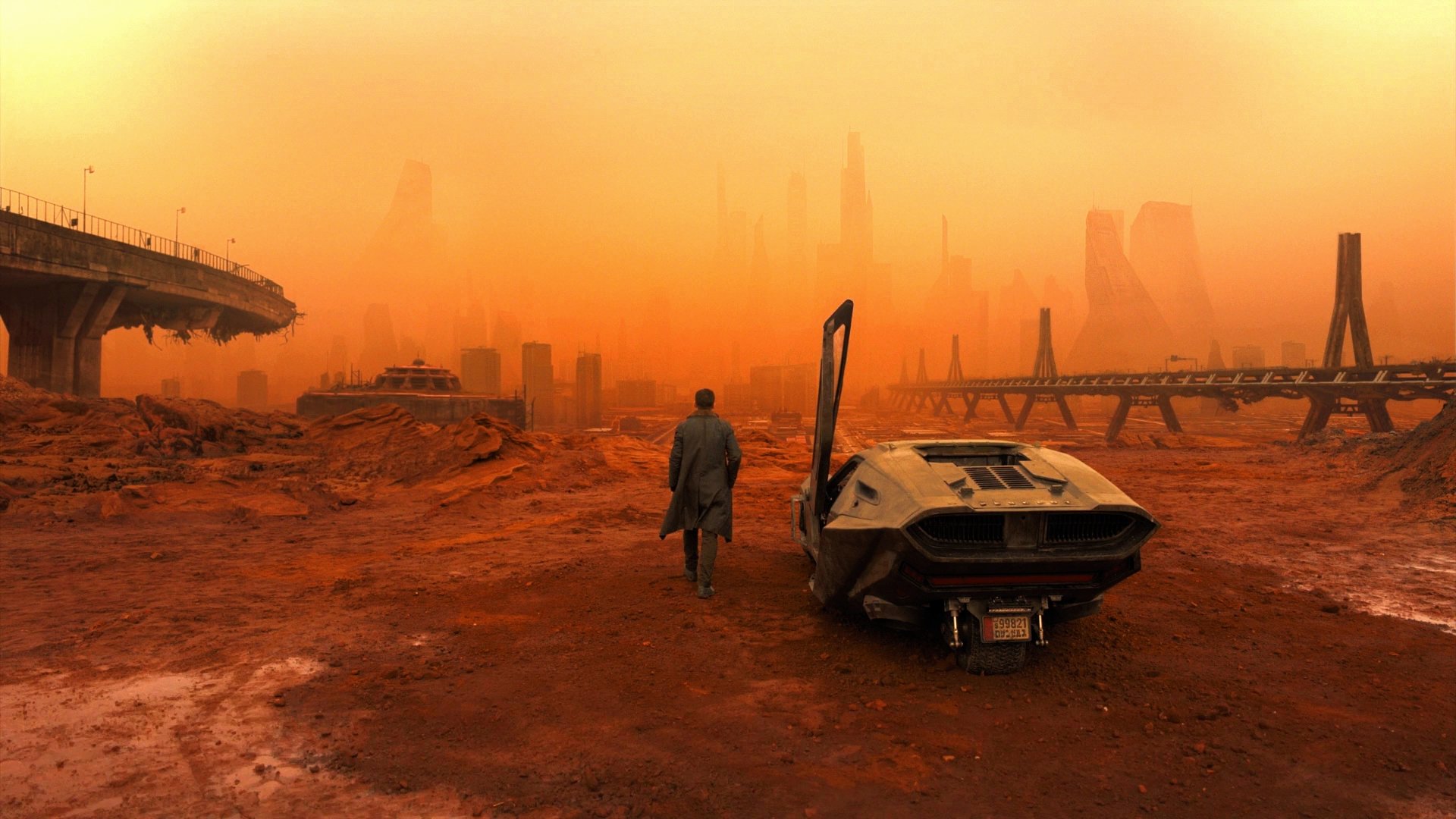
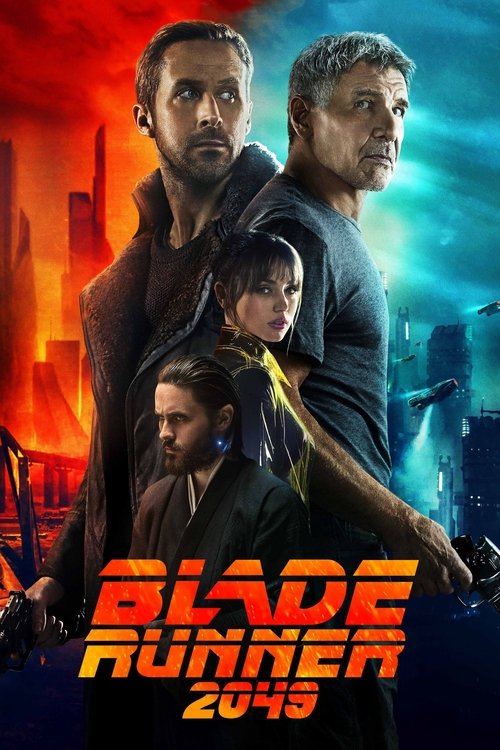
Blade Runner 2049
Villeneuve expands future noir into a monumental study of memory, loneliness, and the ache of wanting a soul-confirming origin.
Latest video signal
Trailer slot ready
A widescreen slot for the newest official trailer, interview, or scene signal when the page has a playable source.
Why it matters
Blade Runner 2049 matters because it is a rare legacy sequel that does not shrink the original into lore management. It deepens the world by making inheritance itself the subject: what people, replicas, corporations, and myths do with the need to believe they are special.
Craft read
Vast spaces, toxic color, and negative space used to make loneliness physical
Expands the mythology while preserving ambiguity, melancholy, and philosophical pressure
Essential for cyberpunk, AI-identity, future-noir, and legacy-sequel programming
Themes
Cast and context
replicant • memory • future noir • identity • los angeles • artificial life
Coverage status
A strong case file with real editorial shape: enough craft, context, and connection to guide a serious watch.
Production notes
- • Ryan Gosling’s stillness is crucial because K’s emotional life is written through tiny ruptures in programmed restraint.
- • Roger Deakins turns every environment into an argument about scale, waste, desire, and spiritual exhaustion.
- • A cornerstone Villeneuve sci-fi page because it links his atmospheric severity to one of cinema’s central artificial-life myths.
Watch-next pathway
What should you do after Blade Runner 2049?
Three intentional continuations: stay with the filmmaker, chase the dominant pressure signal, or jump into the shelf or argument that best explains why this movie belongs here.
Dune: Part Two
The cleanest next move if Denis Villeneuve's control, obsessions, or rhythm are what hooked you here.
More memory
Use the taste map to find movies, arguments, and shelves that share this page's strongest signal.
Villeneuve Pressure Systems
Denis Villeneuve films where dread, scale, silence, and systems thinking turn genre premises into pressure chambers.
Movie-page argument
Defend Blade Runner 2049.
If this movie has a scene, performance, ending, or idea people underrate, make the case. The best defenses can become future Cinema One argument material.
Scene challenge
Pick the scene that proves it.
Cinema One is built around scenes that unlock the movie. Tell us which moment carries the pressure, style, argument, or rewatch charge.
Signature scene: the baseline test turns obedience into psychic violence
The baseline scenes work because they make control sound like rhythm. K is not simply being checked; he is being forced to compress grief, hope, anger, and selfhood back into acceptable machine cadence.
Line worth carrying forward
“Dying for the right cause is the most human thing we can do.” The line lands because the movie has spent so long questioning whether humanity is origin, memory, biology, or choice. By the end, action carries the answer more than proof does.
Why the ending earns its quietness
The ending works because K’s importance is no longer tied to being the chosen miracle. His final act matters precisely because it is chosen without the comfort of special origin. The snow, the music, and the stillness turn self-erasure into a bruised form of grace.
Steelman the debate
A reasonable critique is that Blade Runner 2049 is too slow and monumental, mistaking scale for urgency. The best defense is that its slowness is the emotional architecture. The movie needs duration so loneliness, false memory, and manufactured purpose can feel inhabited rather than explained.
More from this director
Related picks
Read next
The real reason to track Dune: Messiah early is that it could force blockbuster franchise culture to sit inside consequence instead of momentum.
Benjamin Button matters because Fincher treats the reverse-aging premise less like a trick than a way to make timing itself feel tragic.
Jordan Peele’s sky-horror epic works because it treats spectacle as labor, danger, and appetite all at once.