
Arrival
Find the movies with rewatch gravity, live dossiers, and unfinished cases worth deepening.
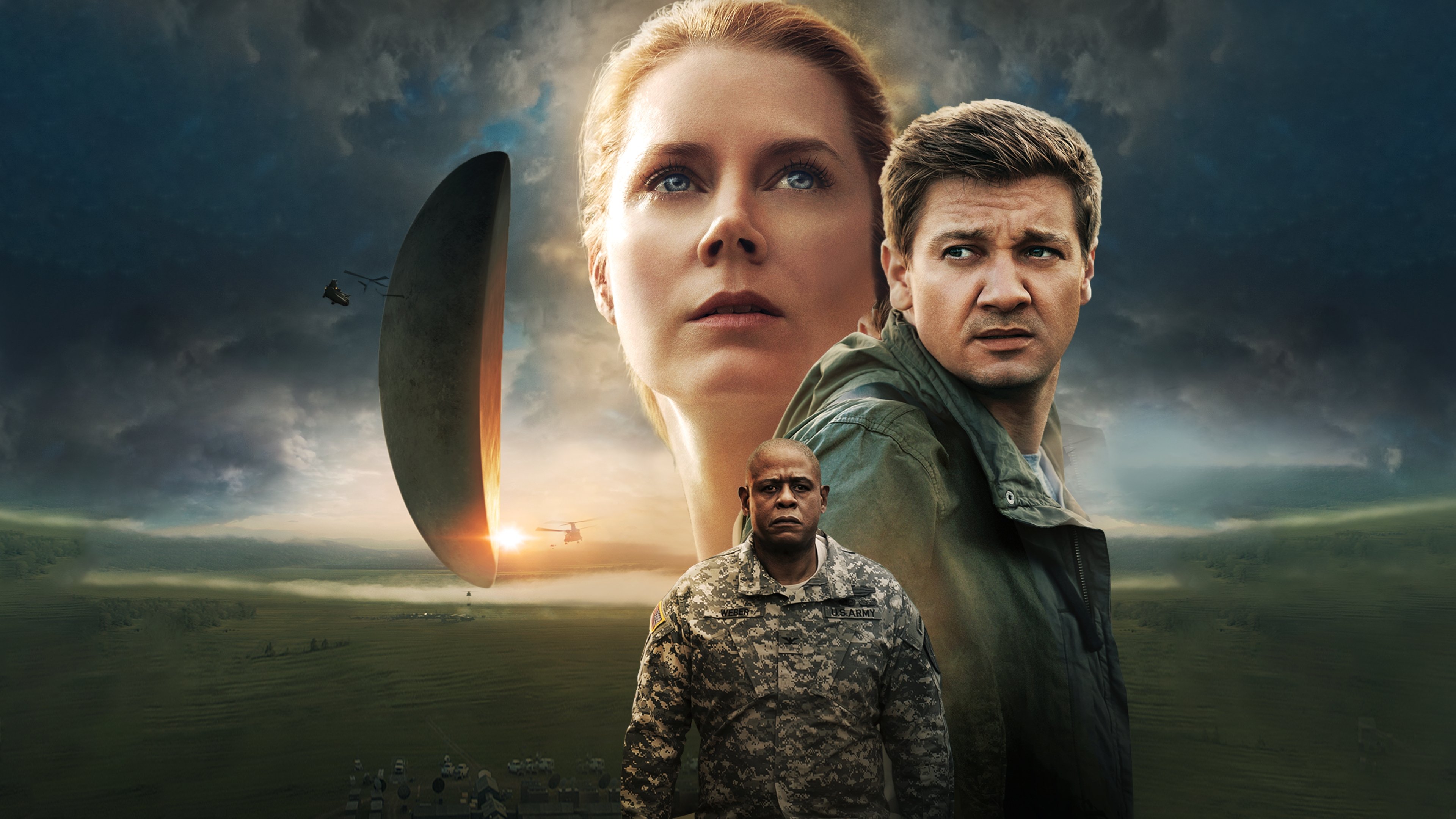
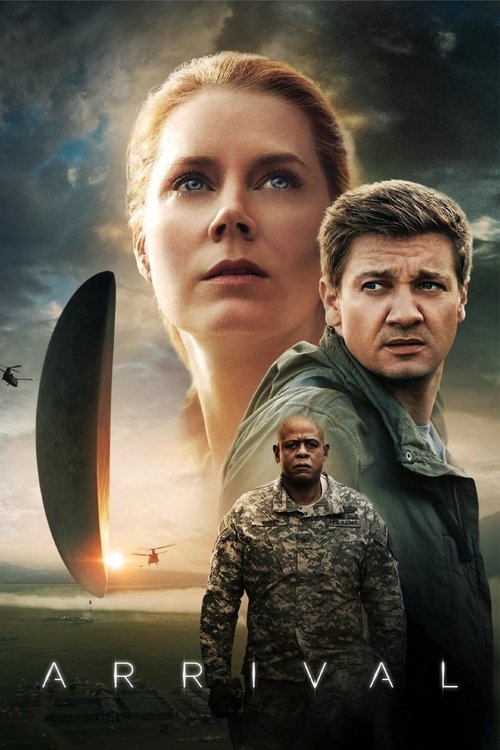
Movie dossier
Arrival
Villeneuve makes first contact intimate by turning language, time, and grief into the same act of perception.
Latest video signal
Trailer slot ready
A widescreen slot for the newest official trailer, interview, or scene signal when the page has a playable source.
Why it matters
Arrival matters because it proves cerebral science fiction can be emotionally direct without becoming simplistic. Its spectacle is not conquest or disaster; it is the slow reorientation of a mind learning that communication can change how life itself is experienced.
Craft read
A time-loop revelation built as emotional grammar rather than puzzle-box flexing
Amy Adams anchors cosmic scale in patience, intelligence, and quiet grief
A cornerstone for humane sci-fi, first-contact stories, and grief-through-genre programming
Themes
Cast and context
first contact • language • time • grief • aliens • translation
Coverage status
A strong case file with real editorial shape: enough craft, context, and connection to guide a serious watch.
Production notes
- • The film’s restraint is strategic: muted color, slow movement, and careful sound design make contact feel sacred instead of merely spectacular.
- • The heptapod language is not just worldbuilding; it is the mechanism that fuses theme, plot, and feeling.
- • A core Villeneuve page because it shows his scale can be tender, not only monumental or severe.
Watch-next pathway
What should you do after Arrival?
Three intentional continuations: stay with the filmmaker, chase the dominant pressure signal, or jump into the shelf or argument that best explains why this movie belongs here.
Dune: Part Two
The cleanest next move if Denis Villeneuve's control, obsessions, or rhythm are what hooked you here.
More language
Use the taste map to find movies, arguments, and shelves that share this page's strongest signal.
Villeneuve Pressure Systems
Denis Villeneuve films where dread, scale, silence, and systems thinking turn genre premises into pressure chambers.
Movie-page argument
Defend Arrival.
If this movie has a scene, performance, ending, or idea people underrate, make the case. The best defenses can become future Cinema One argument material.

Scene challenge
Pick the scene that proves it.
Cinema One is built around scenes that unlock the movie. Tell us which moment carries the pressure, style, argument, or rewatch charge.
Signature scene: the first chamber encounter makes awe feel procedural
The first real exchange with the heptapods works because the movie refuses to rush wonder. Scientists move carefully, language arrives as risk, and the glass barrier becomes a visual thesis: contact is possible, but only through humility and translation.
Line worth carrying forward
“If you could see your whole life from start to finish, would you change things?” The question endures because Arrival turns it from a sci-fi premise into an ethical and emotional wound.
Why the ending hurts without feeling cruel
The ending works because Louise’s knowledge does not erase love. It intensifies it. Villeneuve lets the revelation reframe the whole movie as a choice to embrace joy and loss together, making the final emotion both devastating and strangely peaceful.
Steelman the debate
A fair critique is that Arrival’s global-crisis mechanics can feel thinner than its emotional and linguistic ideas. The strongest defense is that the geopolitics are intentionally secondary. The movie’s real scale is perceptual: what changes when a person learns to inhabit time differently.
More from this director
Related picks
Read next
The real reason to track Dune: Messiah early is that it could force blockbuster franchise culture to sit inside consequence instead of momentum.
Fincher’s Dragon Tattoo remake endures because research, pattern recognition, and bruised trust become as gripping as any chase scene.
Benjamin Button matters because Fincher treats the reverse-aging premise less like a trick than a way to make timing itself feel tragic.