
Dune: Part Two
Find the movies with rewatch gravity, live dossiers, and unfinished cases worth deepening.
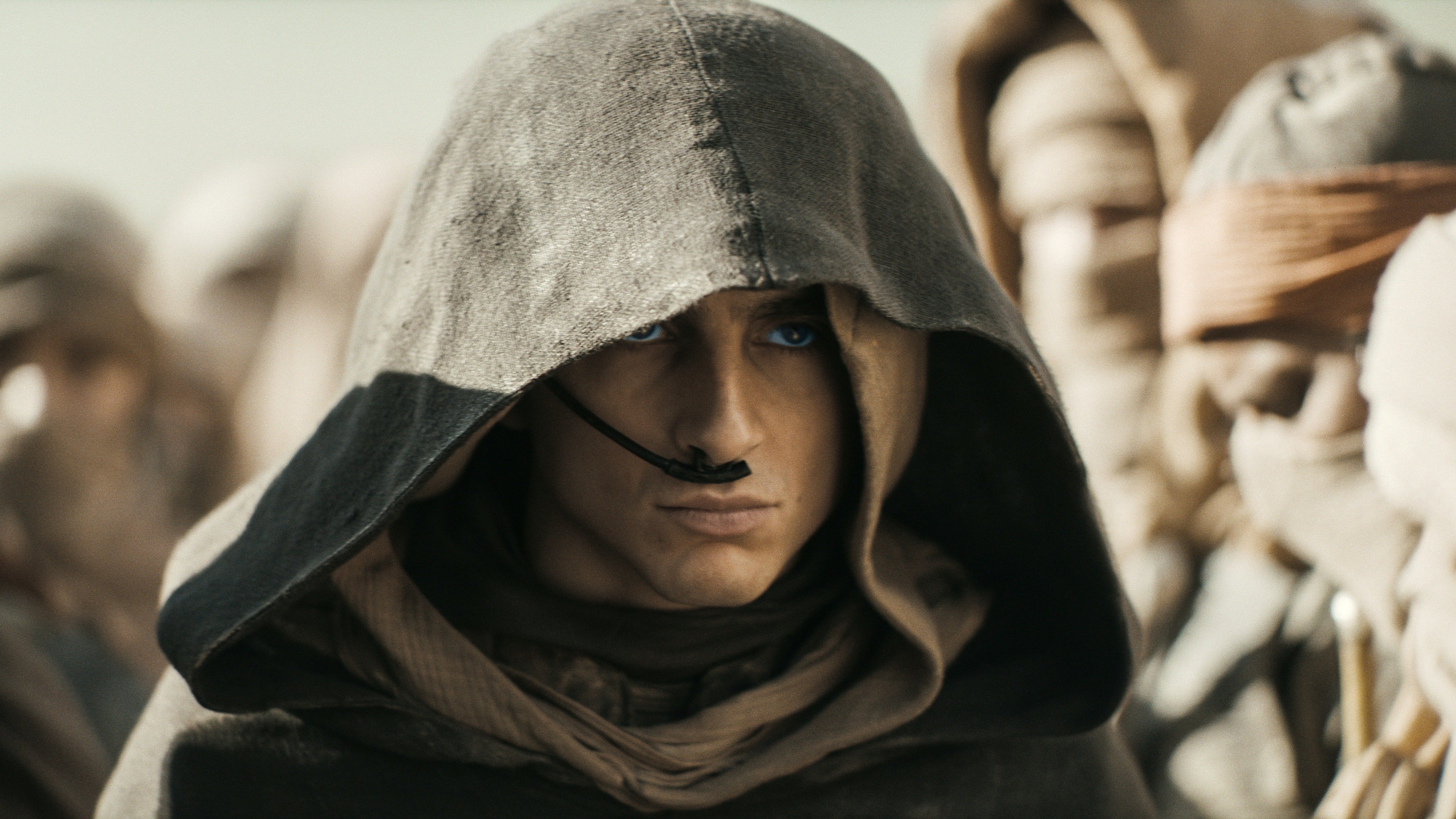
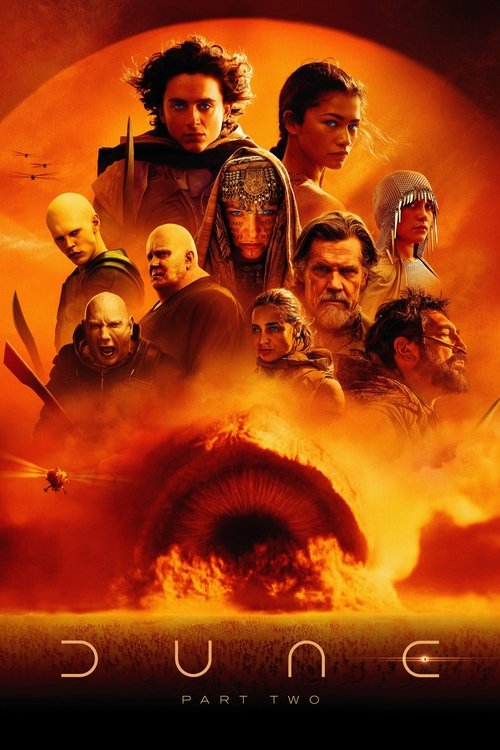
Movie dossier
Dune: Part Two
Villeneuve escalates the Dune project into a tragic war epic about faith, revenge, and the machinery that turns charisma into power.
Latest video signal
Trailer slot ready
A widescreen slot for the newest official trailer, interview, or scene signal when the page has a playable source.
Why it matters
Dune: Part Two matters because it confirms the first film was not merely setup. It delivers spectacle while sharpening the saga’s warning: liberation language, religious longing, colonial violence, and personal revenge can combine into something thrilling, terrifying, and politically irreversible.
Craft read
Bigger action and stronger emotion without abandoning austerity or dread
Paul’s transformation is staged as both triumph and alarm bell
A flagship modern epic for messiah narratives, franchise seriousness, and sci-fi power lanes
Themes
Cast and context
prophecy • holy war • arrakis • revenge • power • messiah
Coverage status
A strong case file with real editorial shape: enough craft, context, and connection to guide a serious watch.
Production notes
- • The arena sequence gives the film a clean villainous spectacle while keeping the Harkonnen world grotesque, ritualized, and sickly beautiful.
- • Zendaya’s Chani is essential because her perspective keeps the movie from collapsing Paul’s ascent into uncomplicated hero worship.
- • A major Villeneuve page because it turns scale into argument: every triumph carries a shadow.
Watch-next pathway
What should you do after Dune: Part Two?
Three intentional continuations: stay with the filmmaker, chase the dominant pressure signal, or jump into the shelf or argument that best explains why this movie belongs here.
Prisoners
The cleanest next move if Denis Villeneuve's control, obsessions, or rhythm are what hooked you here.
More messiah myth
Use the taste map to find movies, arguments, and shelves that share this page's strongest signal.
Villeneuve Pressure Systems
Denis Villeneuve films where dread, scale, silence, and systems thinking turn genre premises into pressure chambers.
Movie-page argument
Defend Dune: Part Two.
If this movie has a scene, performance, ending, or idea people underrate, make the case. The best defenses can become future Cinema One argument material.
Scene challenge
Pick the scene that proves it.
Cinema One is built around scenes that unlock the movie. Tell us which moment carries the pressure, style, argument, or rewatch charge.
Signature scene: riding the sandworm turns initiation into mythic spectacle
The scene works because it gives the audience the exhilaration the story has been withholding, then lets that exhilaration feed the larger danger. Paul’s mastery is awe-inspiring, but the movie knows awe is exactly how political myth gathers force.
Line worth carrying forward
“Long live the fighters.” The phrase lands as both rallying cry and warning. Dune: Part Two understands that the language of resistance can be sincere, necessary, and still vulnerable to capture by destiny politics.
Why the ending feels victorious and horrifying at once
The ending works because Villeneuve refuses to separate Paul’s tactical success from its spiritual cost. The throne-room momentum is enormous, but Chani’s final exit keeps the movie honest: this is not simply arrival, it is rupture.
Steelman the debate
A fair critique is that Dune: Part Two is so overpowering as spectacle that some viewers may read the warning less clearly than the triumph. The best defense is that the film builds that tension into its form. It lets myth seduce us while placing Chani, Jessica, and the political aftermath as evidence against simple awe.
More from this director
Related picks
Read next
The real reason to track Dune: Messiah early is that it could force blockbuster franchise culture to sit inside consequence instead of momentum.
Benjamin Button matters because Fincher treats the reverse-aging premise less like a trick than a way to make timing itself feel tragic.
Titanic lasts because Cameron never treats feeling as the embarrassing part of the enterprise. The romance, class tension, and mechanical catastrophe are all designed to reinforce each other.