
Titanic and the Power of Making Industrial Spectacle Feel Emotionally Legible
Titanic lasts because Cameron never treats feeling as the embarrassing part of the enterprise. The romance, class tension, and mechanical catastrophe are all designed to reinforce each other.
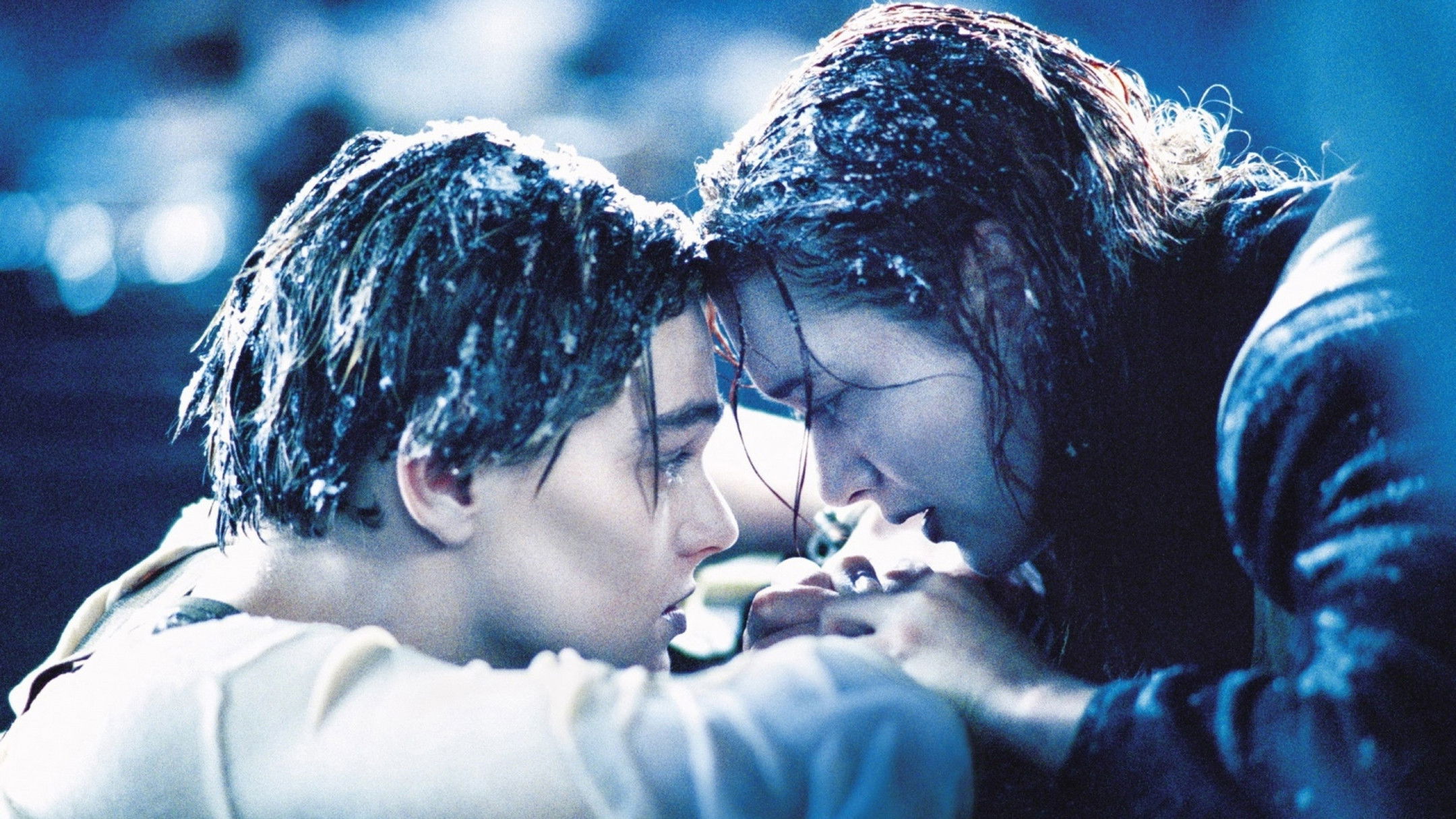
Titanic is easy to underrate because its popularity made people confuse directness with simplicity. Cameron knows exactly how broad he wants the emotional line to be, and that clarity is what allows the disaster scale to land as experience rather than museum reconstruction.
Why the Love Story Is Structural, Not Decorative
Jack and Rose are not just there to sweeten the history. They are Cameron’s way of moving the audience through the ship’s class divisions, fantasies of escape, and final collapse. The romance is the movie’s guidance system, not an add-on pasted onto the spectacle.
Engineering Obsession With Human Stakes Attached
One of Cameron’s gifts is making infrastructure cinematic. Boilers, corridors, bulkheads, deck angles, and rising water all become part of the drama because the film keeps tying physical design to panic, separation, and impossible choices. The ship does not merely sink. It becomes a pressure map.
Why the Ending Still Overwhelms
Titanic closes so powerfully because Cameron understands memory as the last special effect. After all the scale, noise, and physical terror, the movie lands on private grief, held feeling, and the question of how an event this massive survives inside one person’s story.
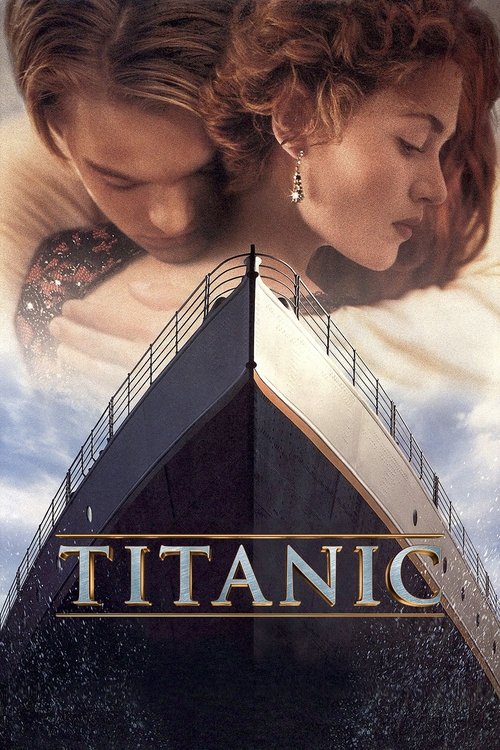
Titanic
1997 • James Cameron
Nothing on Earth could come between them.
Movies to pair with this read



Cathedral Scale
Big-screen movies built around scale, countdown pressure, and the feeling that spectacle only matters because consequence rides inside it.
Machine Nightmares
Cold systems, synthetic threats, and movies where technology stops feeling like a tool and starts feeling like an adversary.
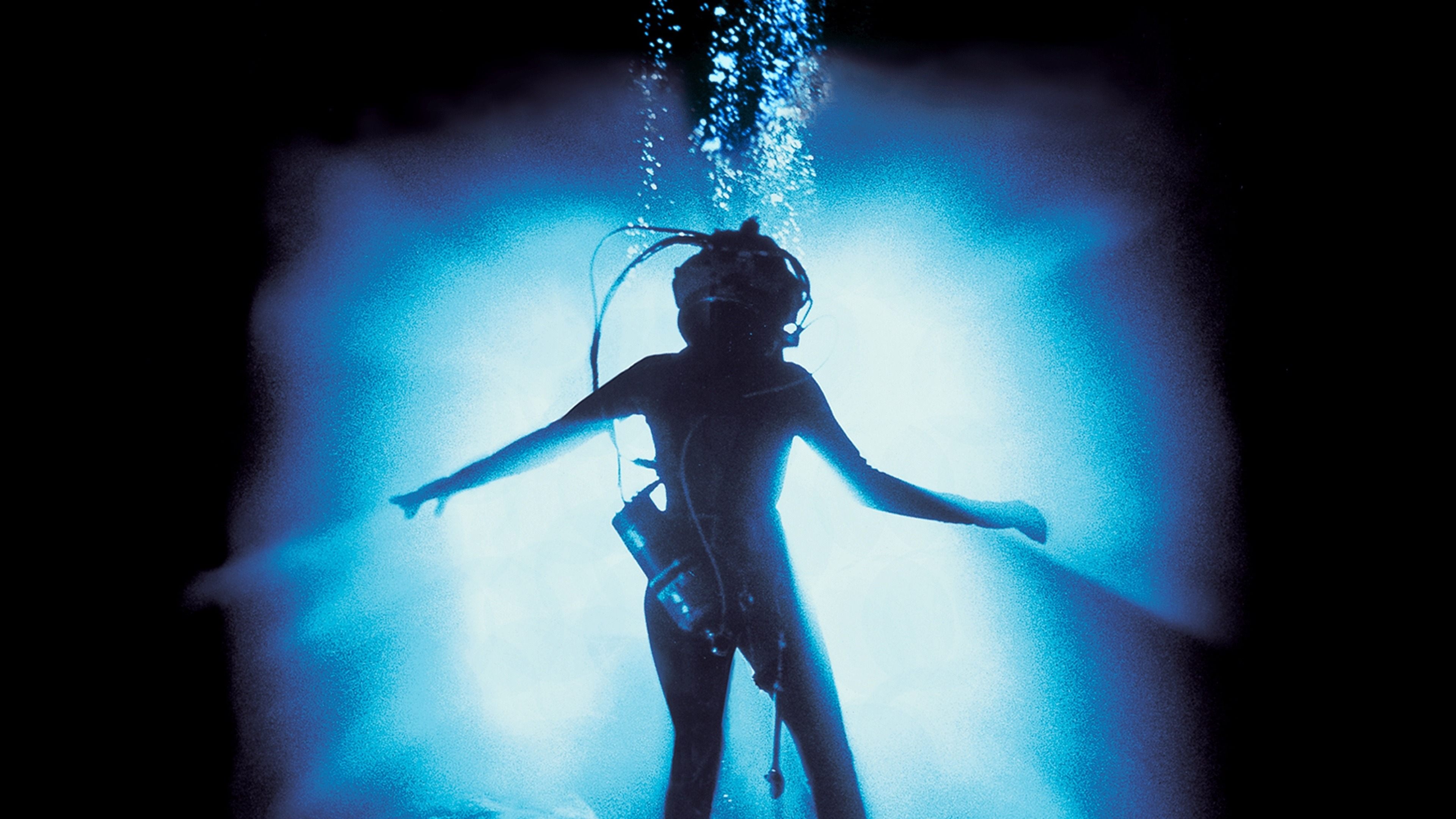
The Abyss and the Risky Beauty of Turning Industrial Pressure Into Contact Cinema
Cameron’s undersea epic stays alive because it never treats labor, machinery, and emotional damage as setup for the awe. They are the price of reaching it.

True Lies and the Strange Art of Making Marital Farce Play at Blockbuster Scale
Cameron’s action-comedy stays watchable because it never treats the marriage plot as filler. Embarrassment, deception, and spectacle are all part of the same propulsion system.
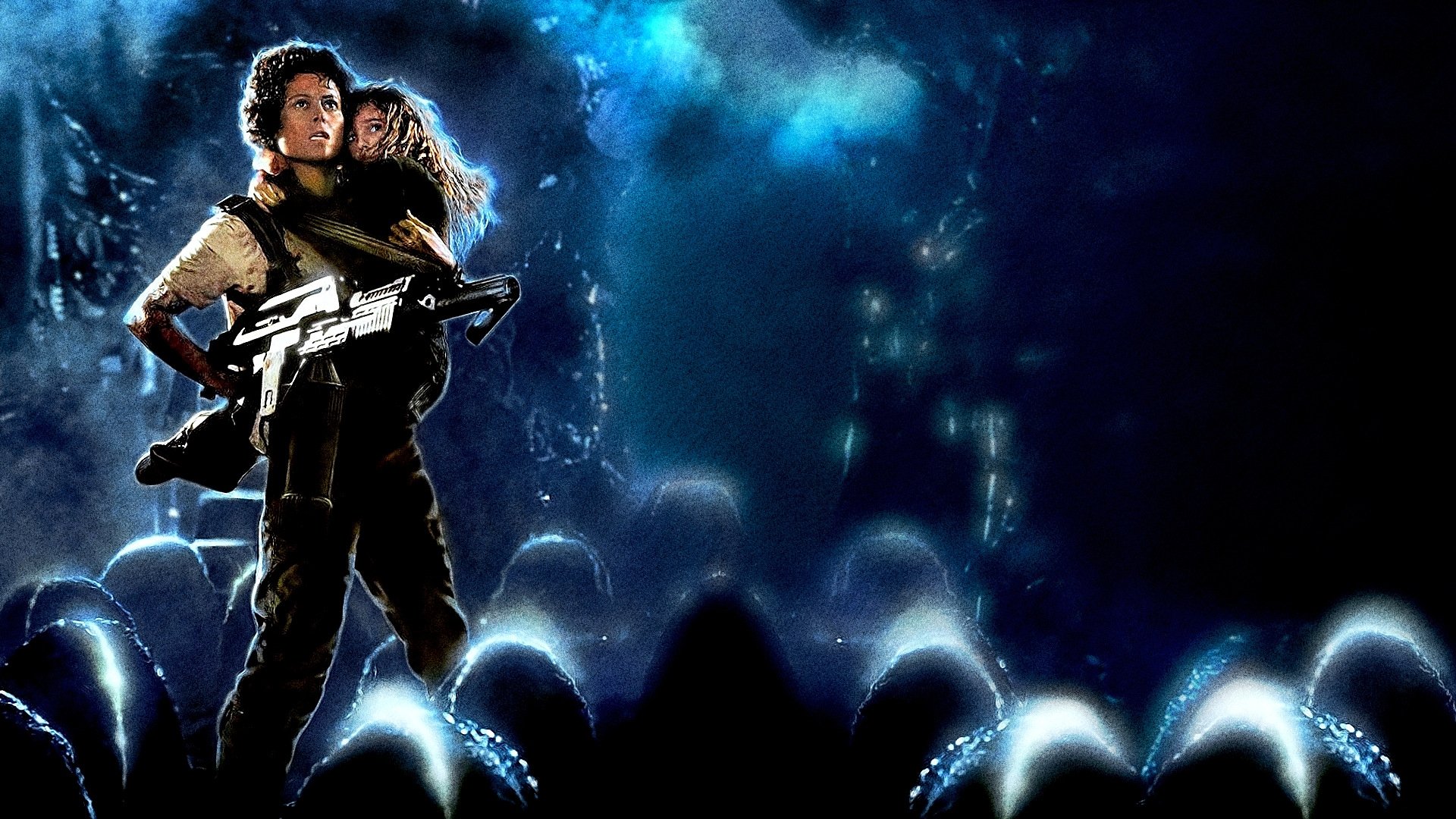
Aliens and the Brilliant Decision to Turn Survival Horror Into Platoon Panic
Cameron’s sequel works because it does not simply supersize Ridley Scott’s terror. It rebuilds the xenomorph threat around group collapse, siege pressure, and Ripley’s protective ferocity.
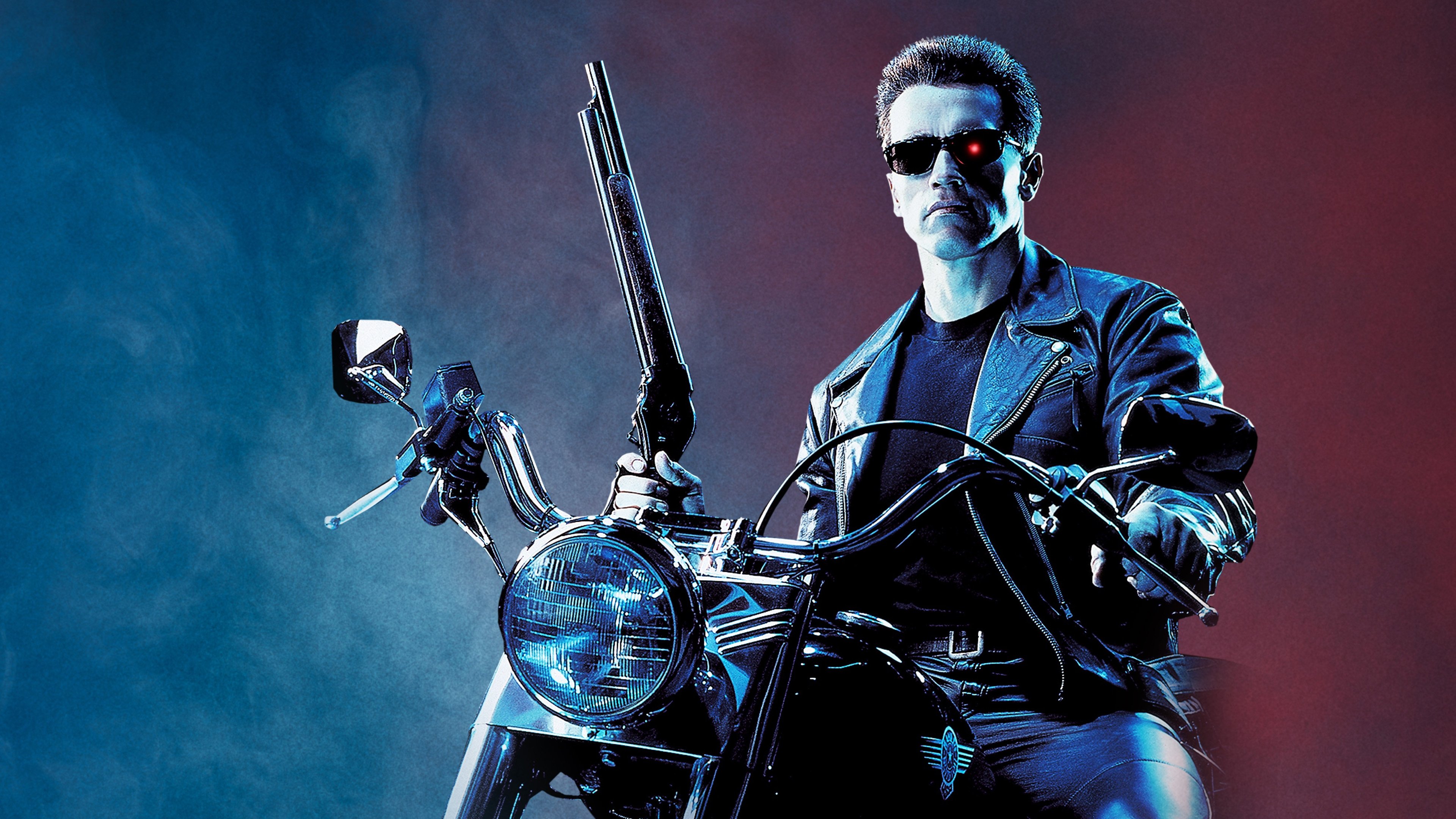
Terminator 2 and the Blockbuster Miracle of Making Machine War Feel Personal
James Cameron’s sequel gets larger, louder, and more advanced, but it stays alive because every escalation feeds the movie’s protector-child-parent triangle.