
Terminator 2 and the Blockbuster Miracle of Making Machine War Feel Personal
James Cameron’s sequel gets larger, louder, and more advanced, but it stays alive because every escalation feeds the movie’s protector-child-parent triangle.
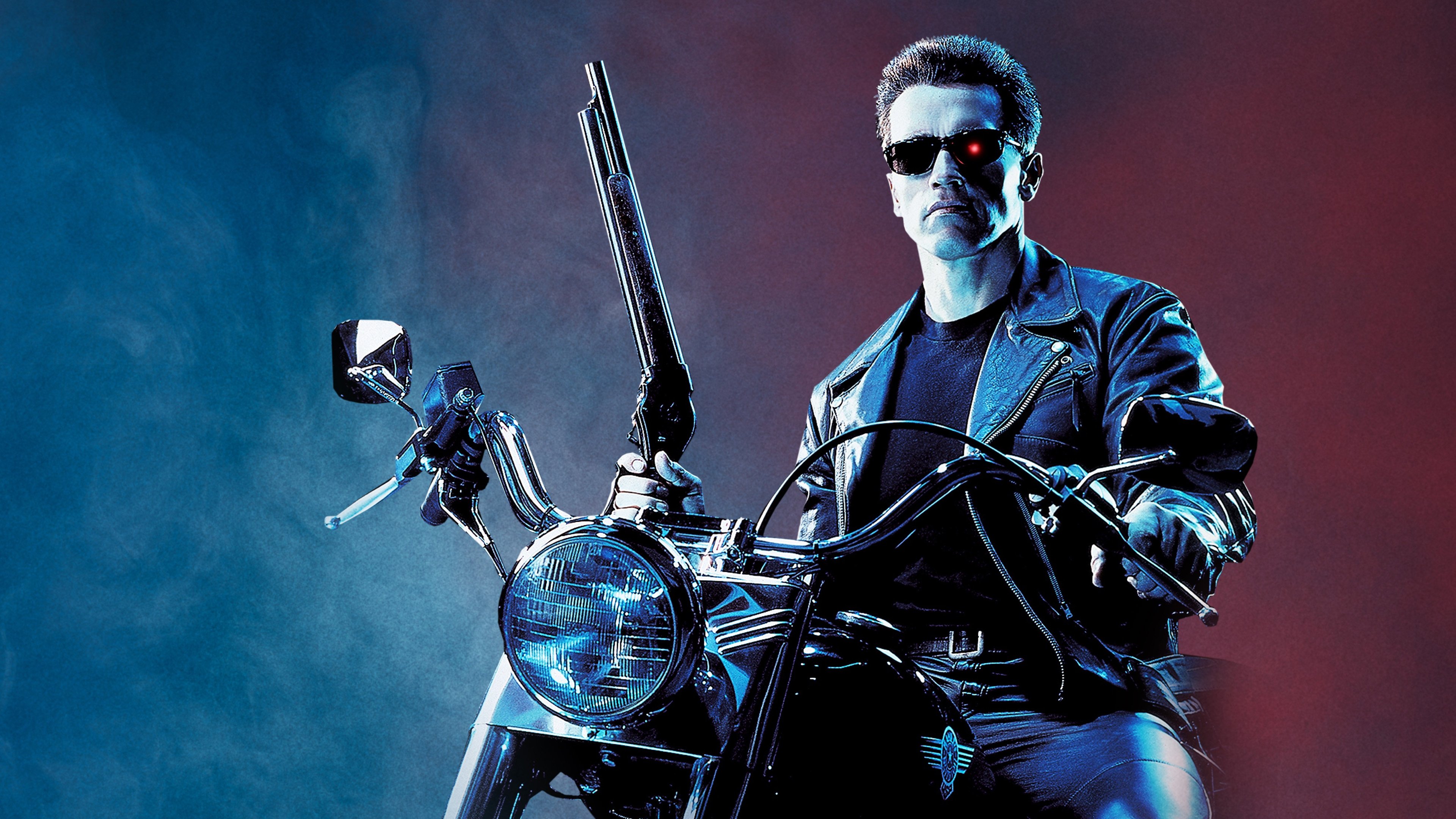
Terminator 2 is one of the rare sequels that genuinely expands the original instead of just upgrading the chassis. Cameron keeps the future-war dread intact, then rebuilds the movie around protection, inheritance, and the strange emotional fact of a machine becoming the steadiest father figure in the frame.
Action as Relationship Design
The set pieces are incredible not only because they are cleanly staged, but because each one keeps clarifying the bond between Sarah, John, and the Terminator. Escape, pursuit, and tactical improvisation all double as lessons in trust, fear, and reluctant dependence.
Sarah Connor as the Film's Hard Center
Linda Hamilton gives the sequel its edge. Sarah is no longer merely the woman being chased by history. She is someone already reshaped by it, and the movie gets much of its force from watching preparation, trauma, and love pull her in different moral directions.
Why the Spectacle Still Has Feeling
The digital breakthroughs matter, but Cameron's deeper achievement is that the movie never lets technology become abstract wonder. T-1000 terror, freeway chaos, and molten-steel climax all land because the film treats apocalypse as something inherited by a child in real time.
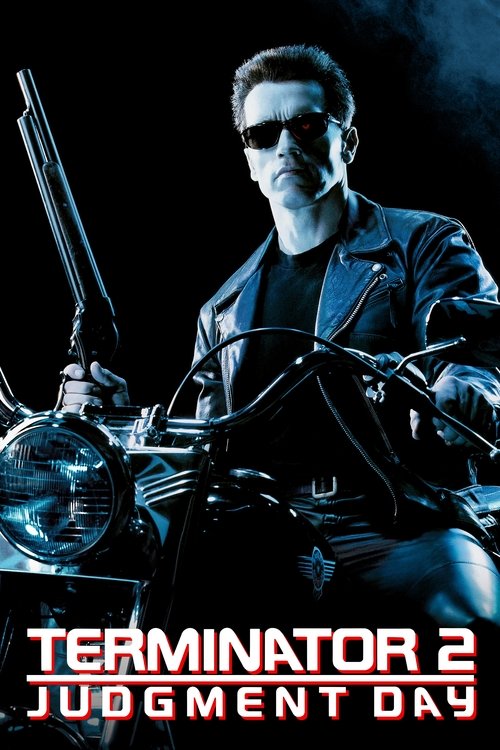
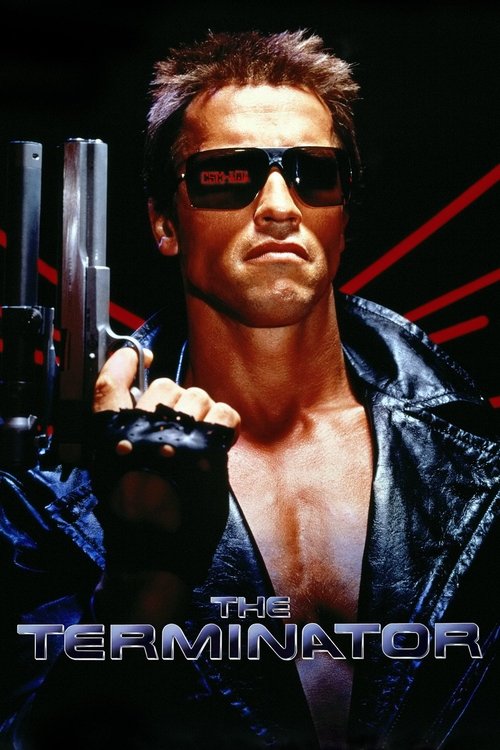



Machine Nightmares
Cold systems, synthetic threats, and movies where technology stops feeling like a tool and starts feeling like an adversary.
Paranoia Machines
Containment, distrust, infiltration, and movies that trap characters inside systems they can no longer verify.
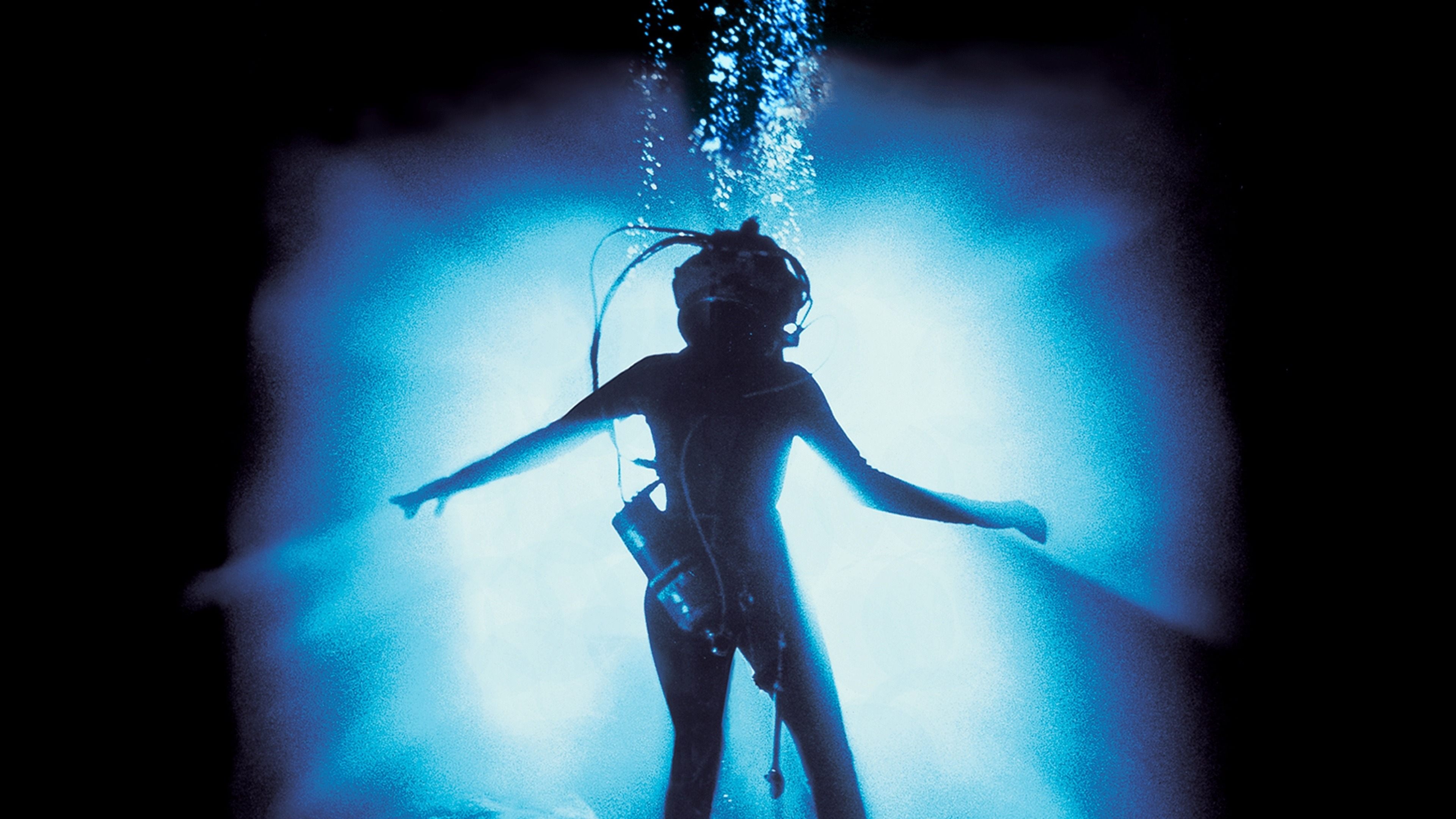
The Abyss and the Risky Beauty of Turning Industrial Pressure Into Contact Cinema
Cameron’s undersea epic stays alive because it never treats labor, machinery, and emotional damage as setup for the awe. They are the price of reaching it.

True Lies and the Strange Art of Making Marital Farce Play at Blockbuster Scale
Cameron’s action-comedy stays watchable because it never treats the marriage plot as filler. Embarrassment, deception, and spectacle are all part of the same propulsion system.
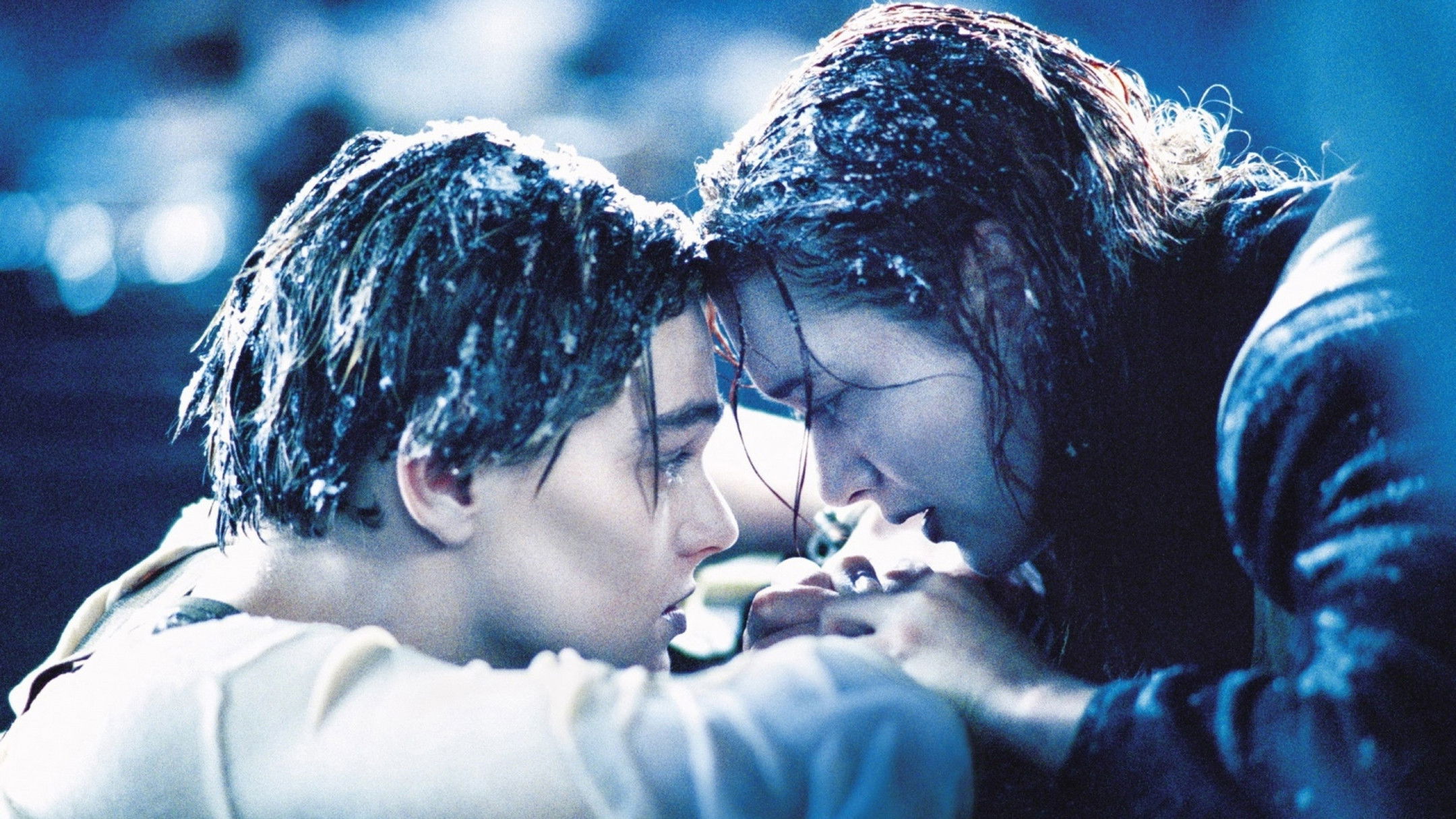
Titanic and the Power of Making Industrial Spectacle Feel Emotionally Legible
Titanic lasts because Cameron never treats feeling as the embarrassing part of the enterprise. The romance, class tension, and mechanical catastrophe are all designed to reinforce each other.
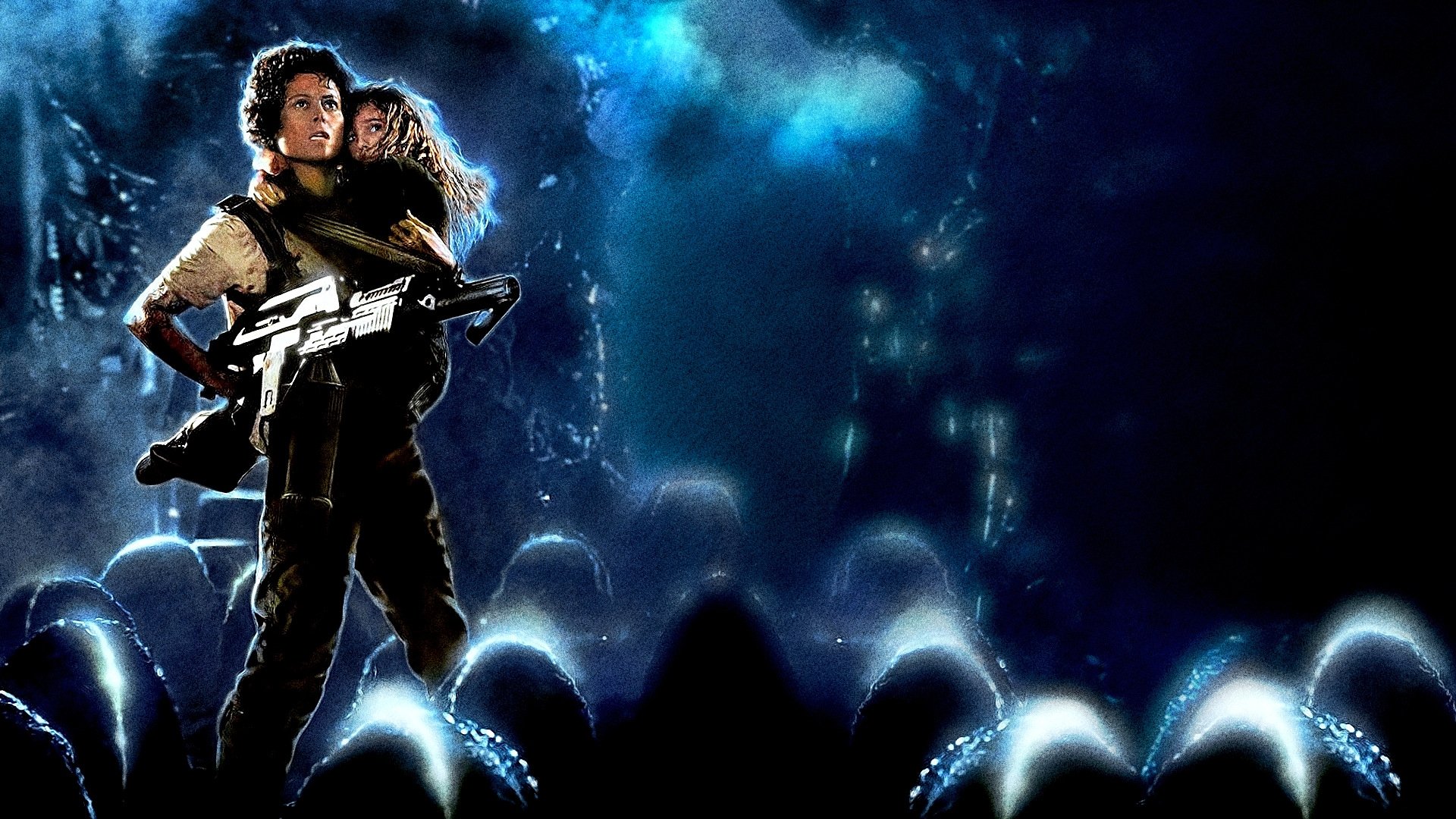
Aliens and the Brilliant Decision to Turn Survival Horror Into Platoon Panic
Cameron’s sequel works because it does not simply supersize Ridley Scott’s terror. It rebuilds the xenomorph threat around group collapse, siege pressure, and Ripley’s protective ferocity.