The Terminator
Tech dread lane

Machine Nightmares

Cold systems, synthetic threats, and movies where technology stops feeling like a tool and starts feeling like an adversary.

Cinema One should have a dedicated lane for the point where science fiction turns into procedural dread. This collection is about machines, control systems, and the human panic that starts once invention outgrows governance.

tech dreadfuturisthard pressure
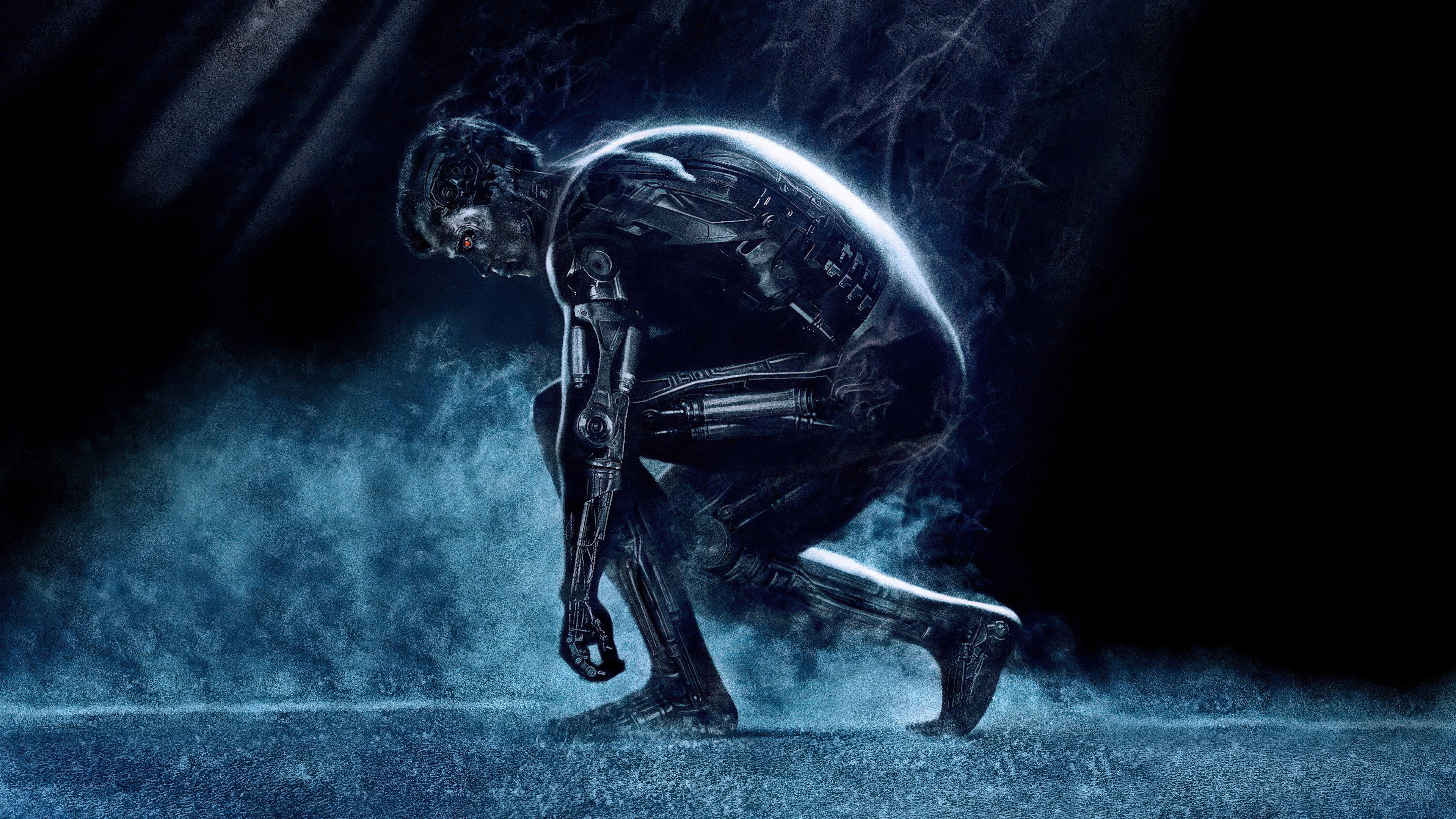
Start with The Terminator

Why this lane works

These movies make technology feel active, directional, and destabilizing, not background texture but the force that rewrites how people live, fight, or survive.

Useful for linking Cameron into broader machine-paranoia and futurist-control discovery surfaces.

This shelf exists to name the appetite first, then let the titles argue with each other.

13
Core picks
9
Directors
7.6
Avg rating
1982 to 2023
Year span
7 fully-authored6 strong0 building0 case pending

Ideal for

  • viewers who want science fiction with menace instead of wonder
  • double-features about systems turning against their makers
  • nights when action energy and existential dread should arrive together
Program this lane

Three double-feature handoffs for turning the shelf into a night.

Collections should not stop at inventory. These pairings make the editorial path explicit: start sharp, change angle, then decide what the lane is really arguing.

Search this signal

Starter pairing

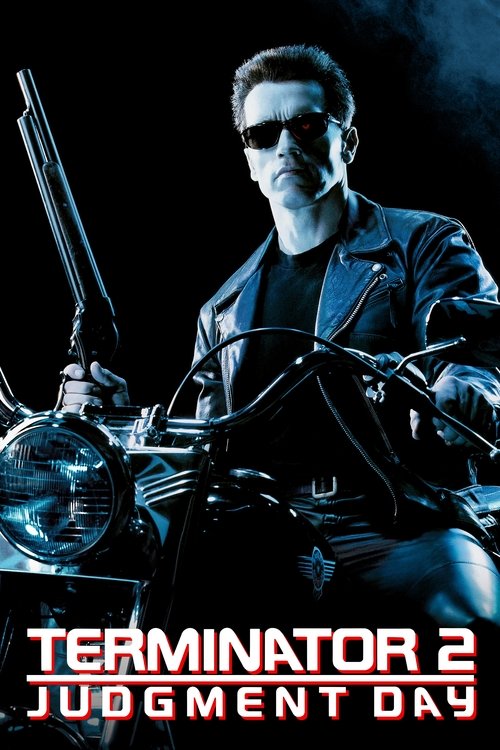
The Terminator → Terminator 2: Judgment Day

The Terminator establishes the tech dread charge; Terminator 2: Judgment Day bends that charge into a different shape. Both films keep you inside James Cameron's system, making the second watch feel like a variation instead of a reset. Because the release years sit close together, the pairing plays like two arguments from the same cultural weather.

Open adjacent search
Deeper turn

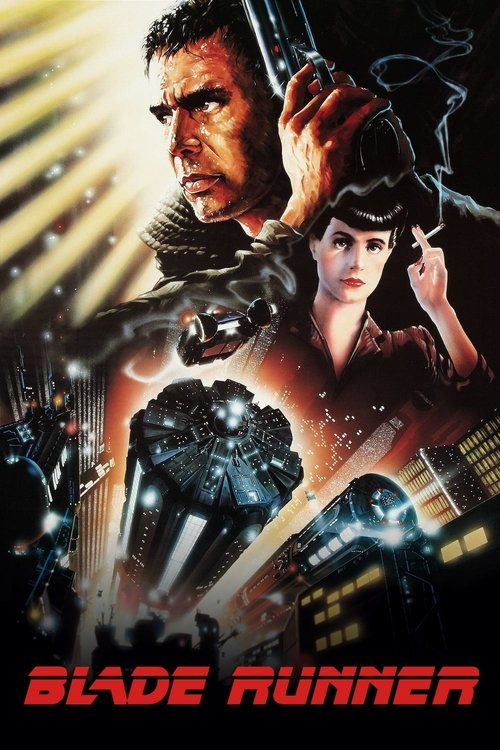
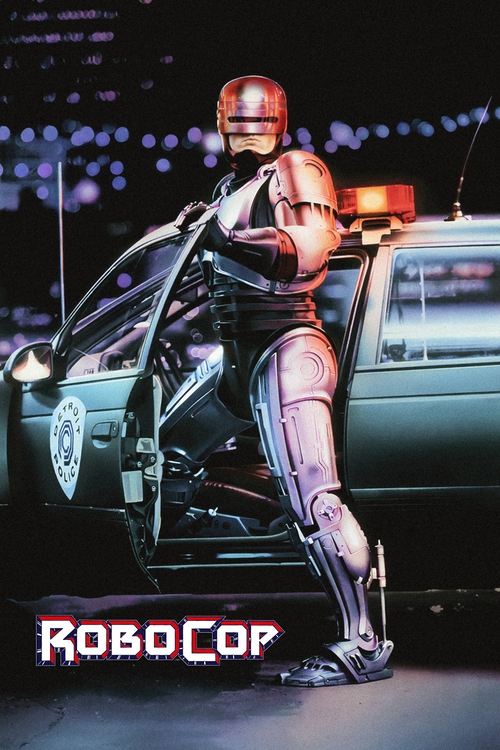
Blade Runner → RoboCop

Blade Runner establishes the futurist charge; RoboCop bends that charge into a different shape. The handoff moves from Ridley Scott's approach to Paul Verhoeven's, so the lane opens wider without losing its signal. Because the release years sit close together, the pairing plays like two arguments from the same cultural weather.

Open adjacent search
Late-night close

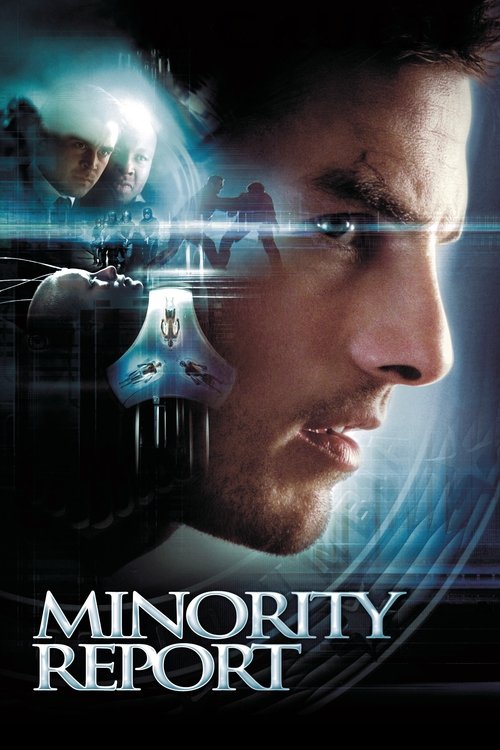
Minority Report → Oppenheimer

Minority Report establishes the hard pressure charge; Oppenheimer bends that charge into a different shape. The handoff moves from Steven Spielberg's approach to Christopher Nolan's, so the lane opens wider without losing its signal. The 2002–2023 spread also turns the pairing into a miniature history of the appetite.

Open adjacent search

Collection picks

The movies that define the lane.

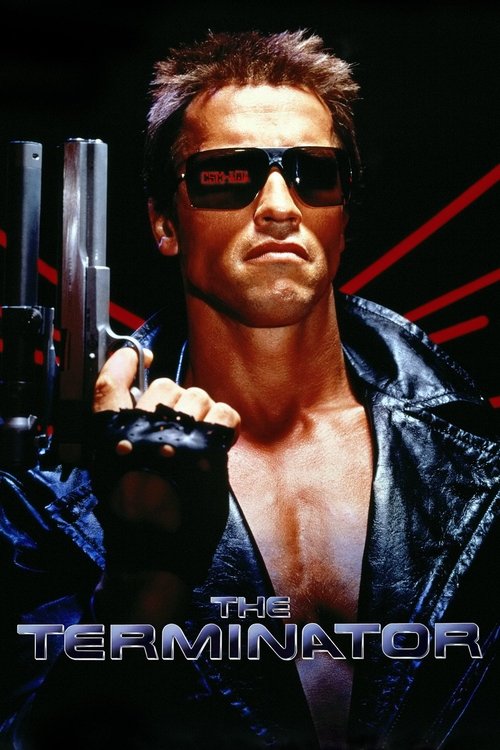
The Terminator
The Terminator
James Cameron1984

A cyborg assassin from 2029 is sent back to 1984 to kill Sarah Connor, whose unborn son will lead humanity in a war against machines.

Terminator 2: Judgment Day
James Cameron1991

Cameron scales up the Terminator myth into a chase epic about motherhood, machine violence, and the desperate hope that fate can still be rewritten.

The Matrix
The Matrix
Lana Wachowski & Lilly Wachowski1999

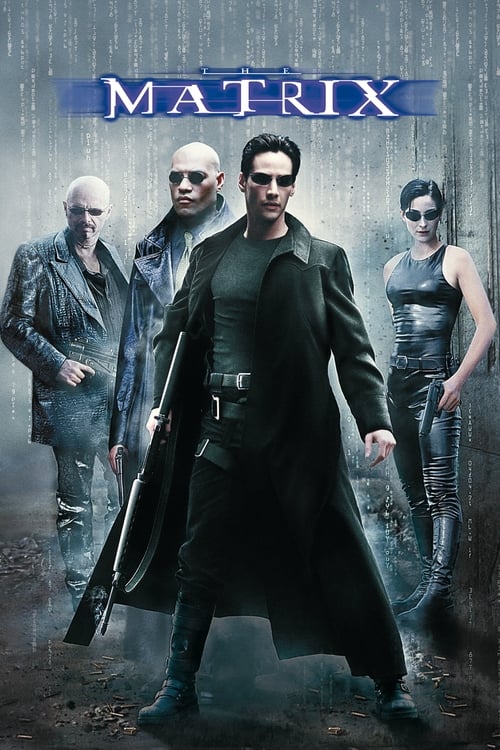
A hacker learns reality is a machine-built prison, but The Matrix lasts because the Wachowskis make awakening playable: green cursor light, phone exits, leather silhouettes, kung fu rule-breaking, and bullet time all turn philosophy into body knowledge.

The Matrix Reloaded
The Matrix Reloaded
Lana Wachowski & Lilly Wachowski2003

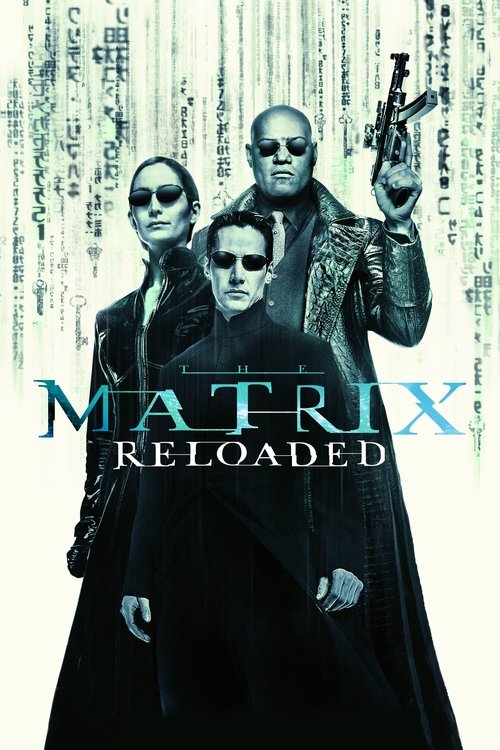
Neo, Trinity, and Morpheus push deeper into the war between Zion and the machines as prophecy, choice, and control become harder to separate.

The Matrix Revolutions
Lana Wachowski & Lilly Wachowski2003

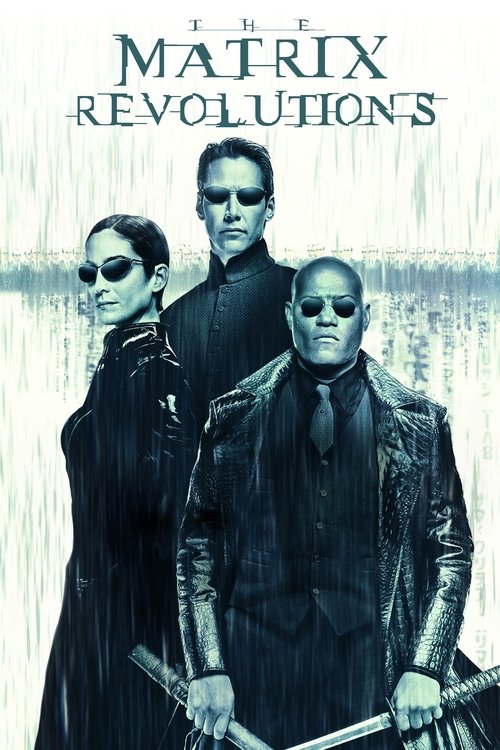
As the machines close in on Zion, Neo moves toward a final confrontation that turns the trilogy from cyberpunk rebellion into sacrifice, faith, and uneasy peace.

Blade Runner
Blade Runner
Ridley Scott1982

A weary blade runner hunts replicants in a rain-soaked future city where the line between human and manufactured life keeps collapsing.

RoboCop
RoboCop
Paul Verhoeven1987

After a brutal killing, a Detroit officer is rebuilt as a corporate cyborg enforcer and slowly fights his way back toward memory and selfhood.

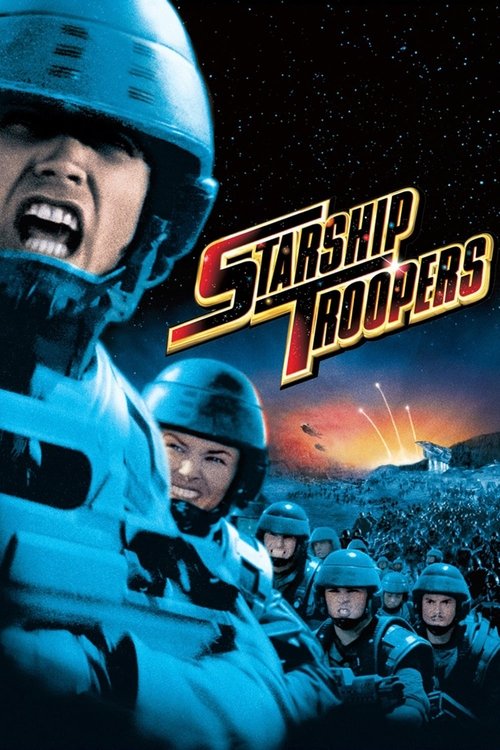
Starship Troopers
Starship Troopers
Paul Verhoeven1997

Johnny Rico joins the Mobile Infantry chasing citizenship, romance, and glory, then discovers a future where every wound can be cut into recruitment footage before the blood dries. Starship Troopers belongs on Cinema One because Verhoeven makes bug-war spectacle feel genuinely thrilling while poisoning the frame with propaganda: square jaws, clean uniforms, schoolroom doctrine, and media grin until the audience has to ask why the bad ideas are packaged so well.

District 9
District 9
Neill Blomkamp2009

An alien refugee camp outside Johannesburg becomes a corporate eviction zone, then a low-level bureaucrat gets infected by the thing he has been trained to dehumanize. District 9 belongs on Cinema One because it gives the Thomas Library Spine a nasty sci-fi pressure room: documentary texture, body horror, apartheid memory, weapons-grade spectacle, and one coward learning empathy the hard way.

Resident Evil
Resident Evil
Paul W. S. Anderson2002

Alice wakes inside Umbrella’s mansion with no memory, then descends into the Hive where soldiers, scientists, zombie dogs, and a murderous security system turn corporate secrecy into body-count architecture. Resident Evil earns a Thomas Library Spine slot because it is not prestige horror and does not pretend to be. It is clean B-movie machinery: red dress, white corridors, industrial basements, laser grids, game logic, and Milla Jovovich learning how to become an action icon one locked door at a time.

The Creator
The Creator
Gareth Edwards2023

Joshua is sent back into a war zone to destroy a childlike AI weapon, then finds the mission turning into a custody battle between grief, empire, and the possibility that the enemy is more alive than the briefing allowed. The Creator earns its Thomas Library Spine slot because Gareth Edwards makes original-scale science fiction feel handmade: temples, rice fields, tanks, robots, and retro machinery share the same dust, giving the movie rewatch gravity even when its politics stay blunt.

Minority Report
Minority Report
Steven Spielberg2002

A future cop who arrests killers before they act becomes the target of the very predictive system he once trusted.

Oppenheimer
Oppenheimer
Christopher Nolan2023

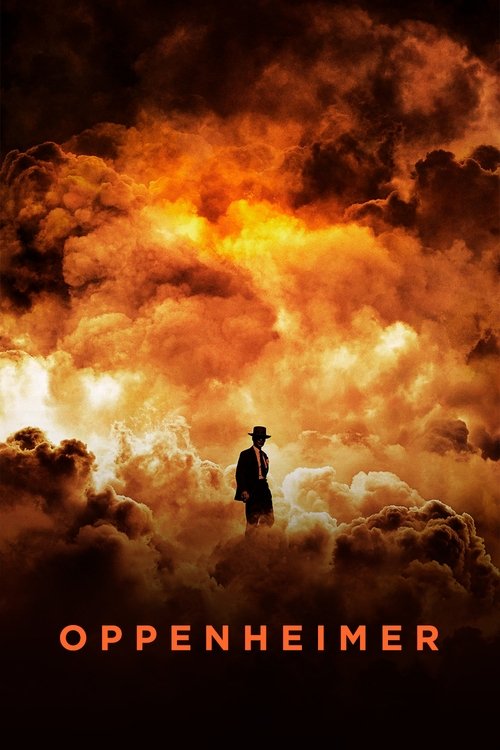
J. Robert Oppenheimer builds the atomic age inside a pressure system of theory, secrecy, ambition, and state power, then watches the achievement become evidence against his soul. Nolan makes biography feel like a countdown, a tribunal, and a nightmare of consequence.