
Blade Runner
Find the movies with rewatch gravity, live dossiers, and unfinished cases worth deepening.
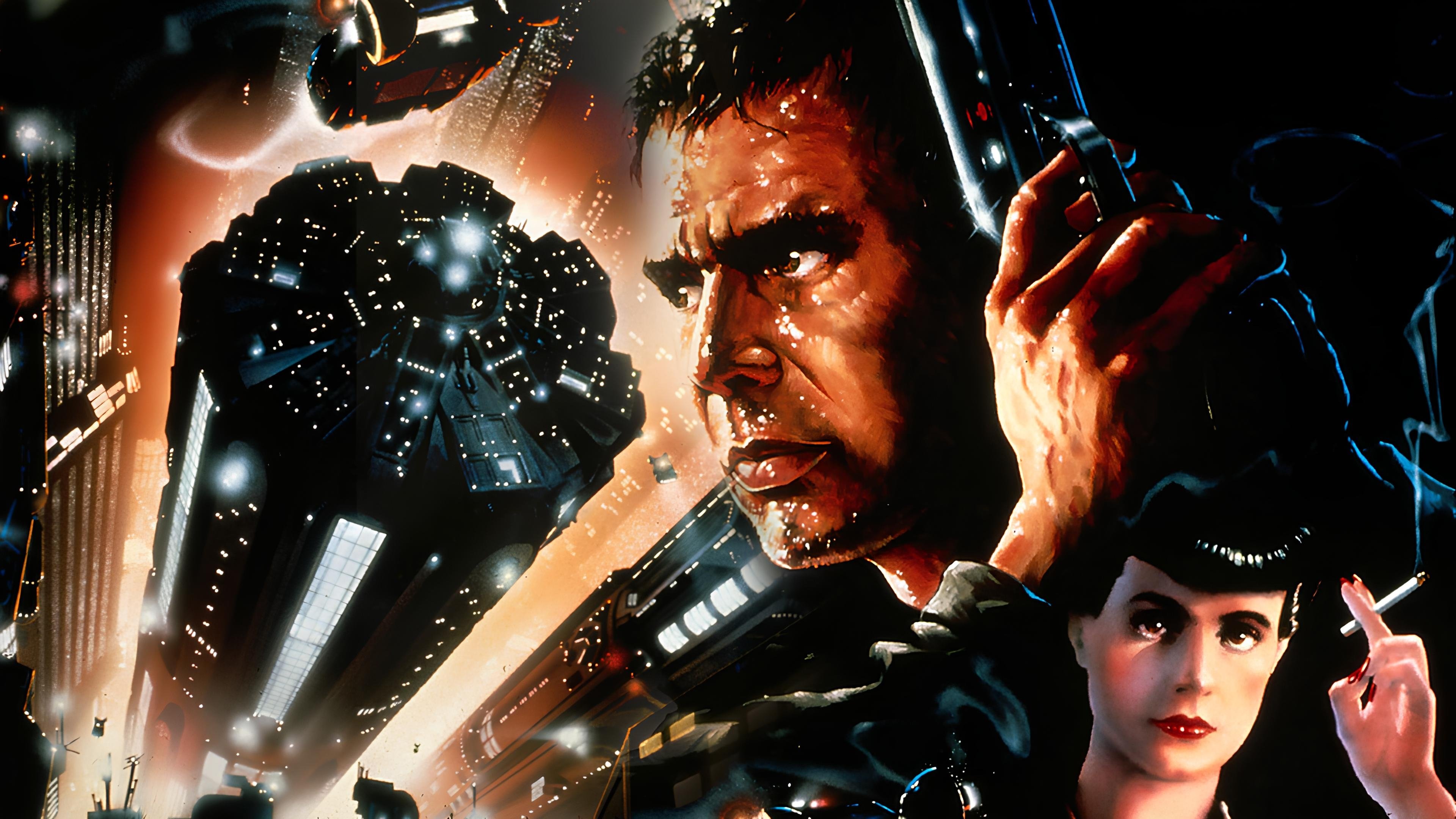
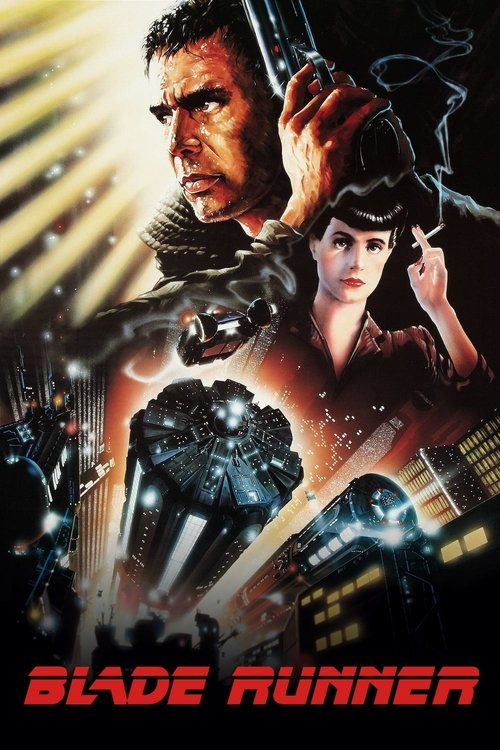
Movie dossier
Blade Runner
A future-noir where atmosphere, mortality, and manufactured identity become the same question.
Latest video signal
Trailer slot ready
A widescreen slot for the newest official trailer, interview, or scene signal when the page has a playable source.
Why it matters
Blade Runner matters because it helped define modern sci-fi mood while asking one of the genre’s deepest recurring questions, what remains human once memory, labor, and even emotion can be engineered.
Craft read
Rain-soaked futurism rendered as lived-in industrial myth
Noir fatalism, synthetic melancholy, and visual overcast turned into a full environment
A foundational text for cyberpunk, future-city design, and AI identity cinema
Themes
Cast and context
Coverage status
A fully shaped Cinema One case: the movie has enough authored context, pathway links, and argument to feel like more than a catalog entry.
Production notes
- • Ridley Scott’s visual control is the movie’s first hook, but the endurance comes from how the design keeps feeding the themes.
- • The film’s reputation grew over time because audiences caught up to its melancholy rather than only its plot mechanics.
- • An essential page for Cinema One’s machine-nightmare and sci-fi authorship lanes.
Watch-next pathway
What should you do after Blade Runner?
Three intentional continuations: stay with the filmmaker, chase the dominant pressure signal, or jump into the shelf or argument that best explains why this movie belongs here.
The Martian
The cleanest next move if Ridley Scott's control, obsessions, or rhythm are what hooked you here.
More identity
Use the taste map to find movies, arguments, and shelves that share this page's strongest signal.
Machine Nightmares
Cold systems, synthetic threats, and movies where technology stops feeling like a tool and starts feeling like an adversary.
Movie-page argument
Defend Blade Runner.
If this movie has a scene, performance, ending, or idea people underrate, make the case. The best defenses can become future Cinema One argument material.
Scene challenge
Pick the scene that proves it.
Cinema One is built around scenes that unlock the movie. Tell us which moment carries the pressure, style, argument, or rewatch charge.
Signature scene: Roy Batty turns pursuit into elegy
Blade Runner reaches its highest level in the rooftop climax because the movie stops being a hunt and becomes a meditation on expiry. Batty saving Deckard is not a twist for shock value, it is the moment the supposed machine becomes the most spiritually awake presence in the film.
Line worth carrying forward
"All those moments will be lost in time, like tears in rain" survives because it condenses the whole movie into one fragile recognition. Memory is precious not because it proves status, but because it is all anything living gets to keep.
Why the ending keeps the movie alive
Blade Runner ends on uncertainty in exactly the right way. The film does not need to seal every identity question because its real achievement is making the uncertainty itself feel tragic, intimate, and philosophically productive.
Steelman the debate
The sharpest critique is that Blade Runner can feel more admired than emotionally inhabited, a mood object whose pacing asks for patience some viewers never find. The best defense is that the slowness is the method. Scott wants the city, the weather, and the drifting sadness to do narrative work most sci-fi films hand to plot.
More from this director
Related picks
Read next
Ridley Scott’s future-noir lasts because its atmosphere is not decoration, it is the emotional form of a movie about built lives and borrowed time.
The real reason to track Dune: Messiah early is that it could force blockbuster franchise culture to sit inside consequence instead of momentum.
Fincher’s Dragon Tattoo remake endures because research, pattern recognition, and bruised trust become as gripping as any chase scene.