
Blade Runner and the Melancholy of Manufactured Memory
Ridley Scott’s future-noir lasts because its atmosphere is not decoration, it is the emotional form of a movie about built lives and borrowed time.
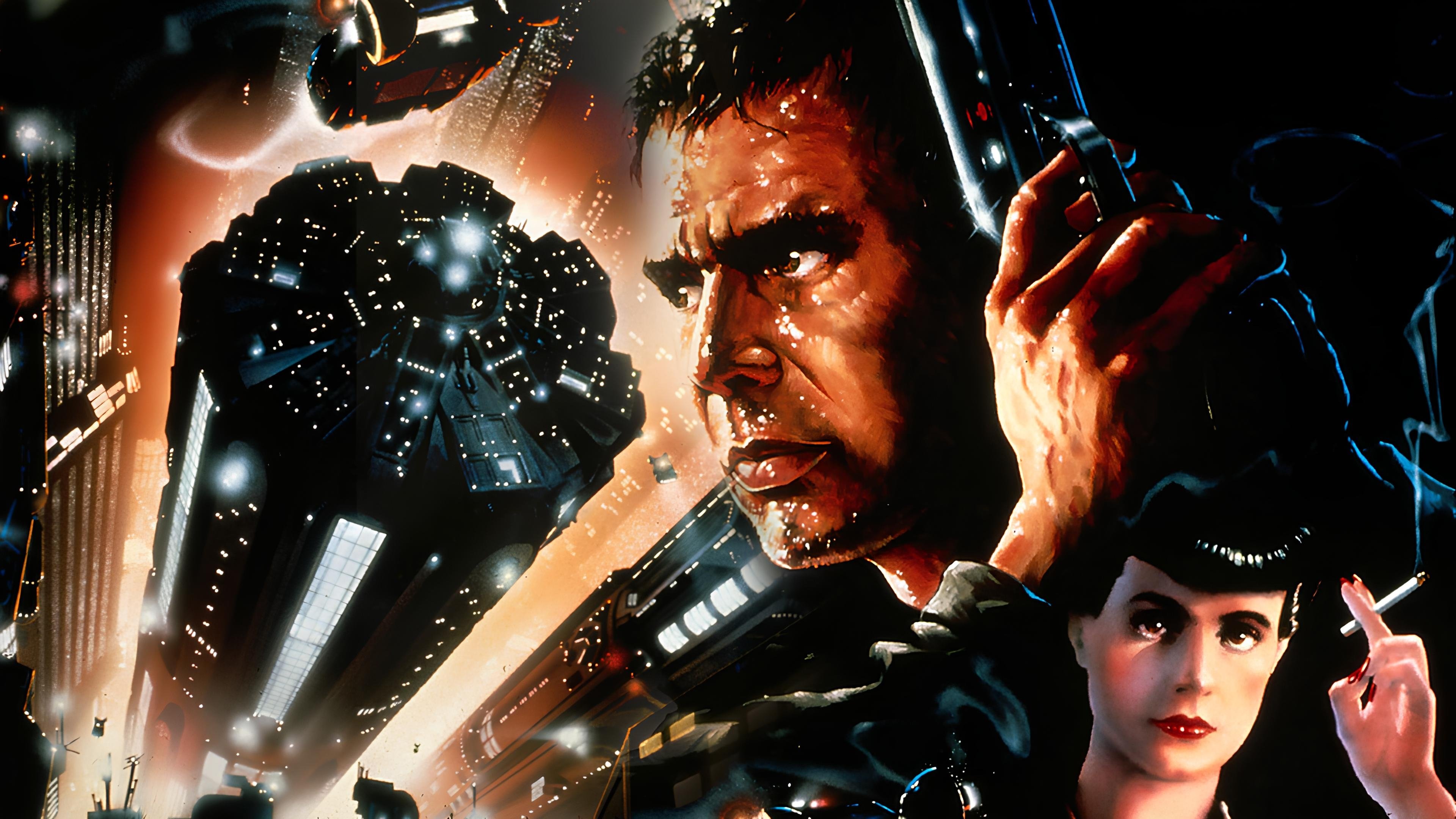
Blade Runner endures because it understands that science fiction can ask identity questions through weather, architecture, and exhaustion as much as through plot. Ridley Scott gives us a future city that looks overbuilt and spiritually depleted, then fills it with characters wondering whether memory itself can still be trusted.
Atmosphere as Philosophy
The rain, neon haze, industrial sprawl, and constant darkness are not just style flexes. They turn the whole movie into an argument that modern life has become mediated, artificial, and estranged long before the replicant question is explicitly solved.
Why Roy Batty Reframes the Movie
The genius of the ending is that the hunted figure becomes the moral center. Batty does not just earn sympathy, he changes the scale of the film, making mortality feel more urgent than species hierarchy.
The Movie’s Slow Power
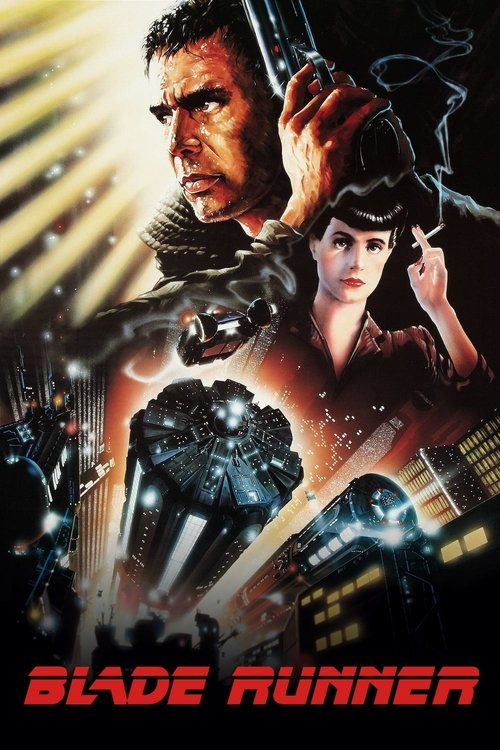
Blade Runner asks for patience because it wants mood to do narrative work. The payoff is that the film keeps deepening after the mechanics are clear, which is why it survives as more than a production-design landmark.




Machine Nightmares
Cold systems, synthetic threats, and movies where technology stops feeling like a tool and starts feeling like an adversary.
Professional Code
Owned-shelf movies where the pleasure is watching capable people read rooms, rules, bodies, and consequences under pressure.
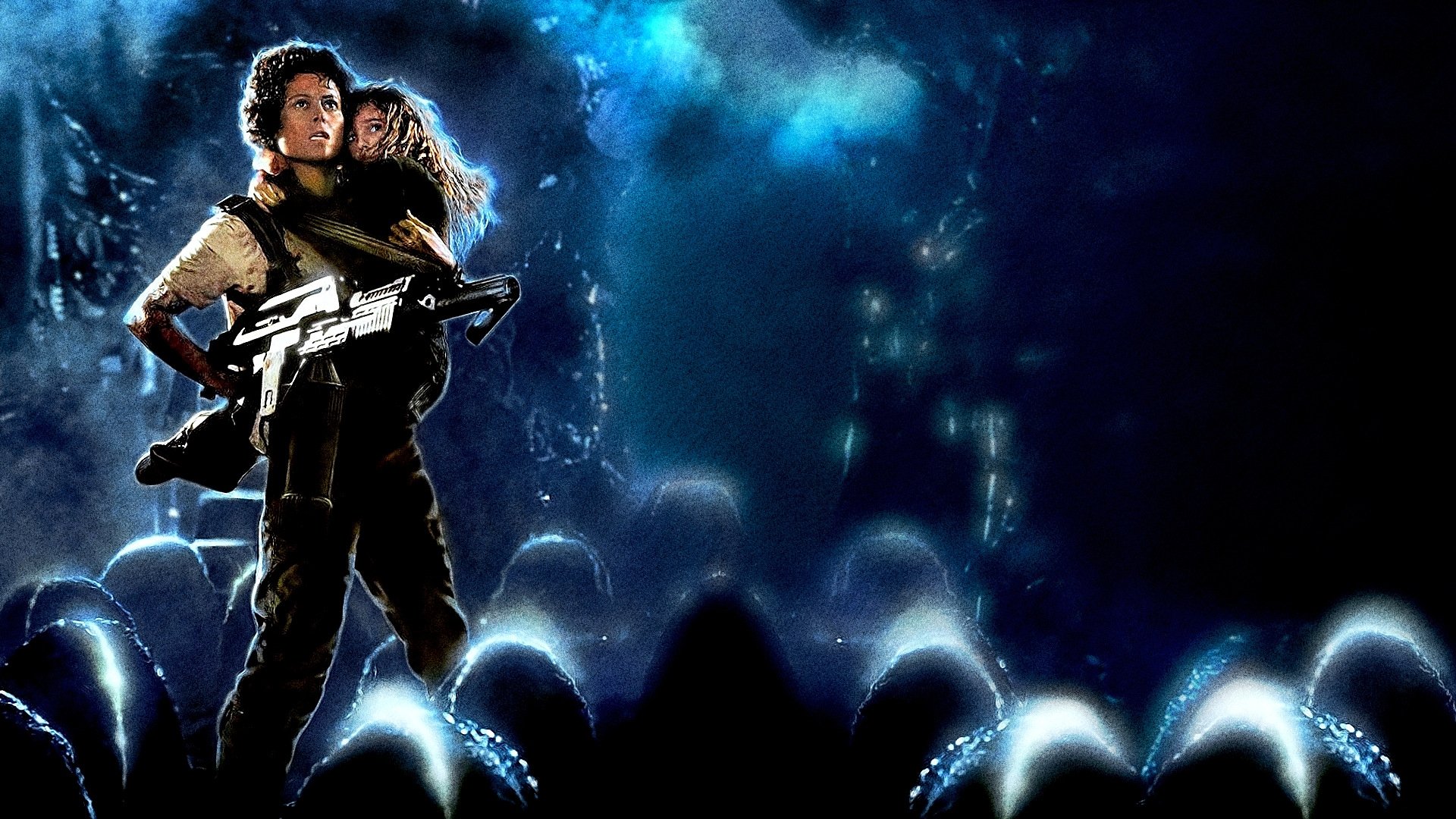
Aliens and the Brilliant Decision to Turn Survival Horror Into Platoon Panic
Cameron’s sequel works because it does not simply supersize Ridley Scott’s terror. It rebuilds the xenomorph threat around group collapse, siege pressure, and Ripley’s protective ferocity.
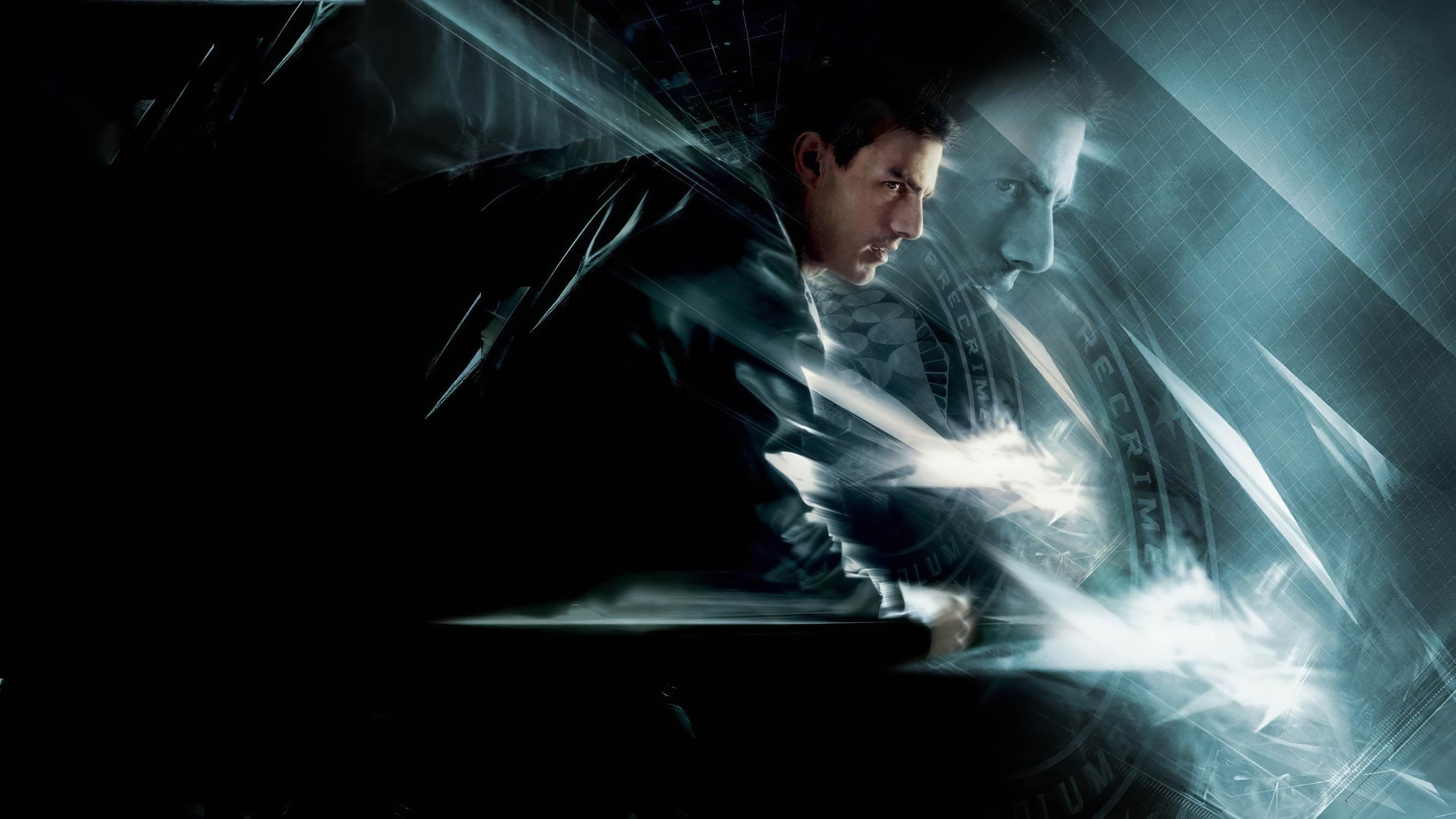
Minority Report and the Seduction of Frictionless Control
Spielberg’s future thriller keeps gaining power because it understands how easily safety, convenience, and surveillance start using the same sales pitch.
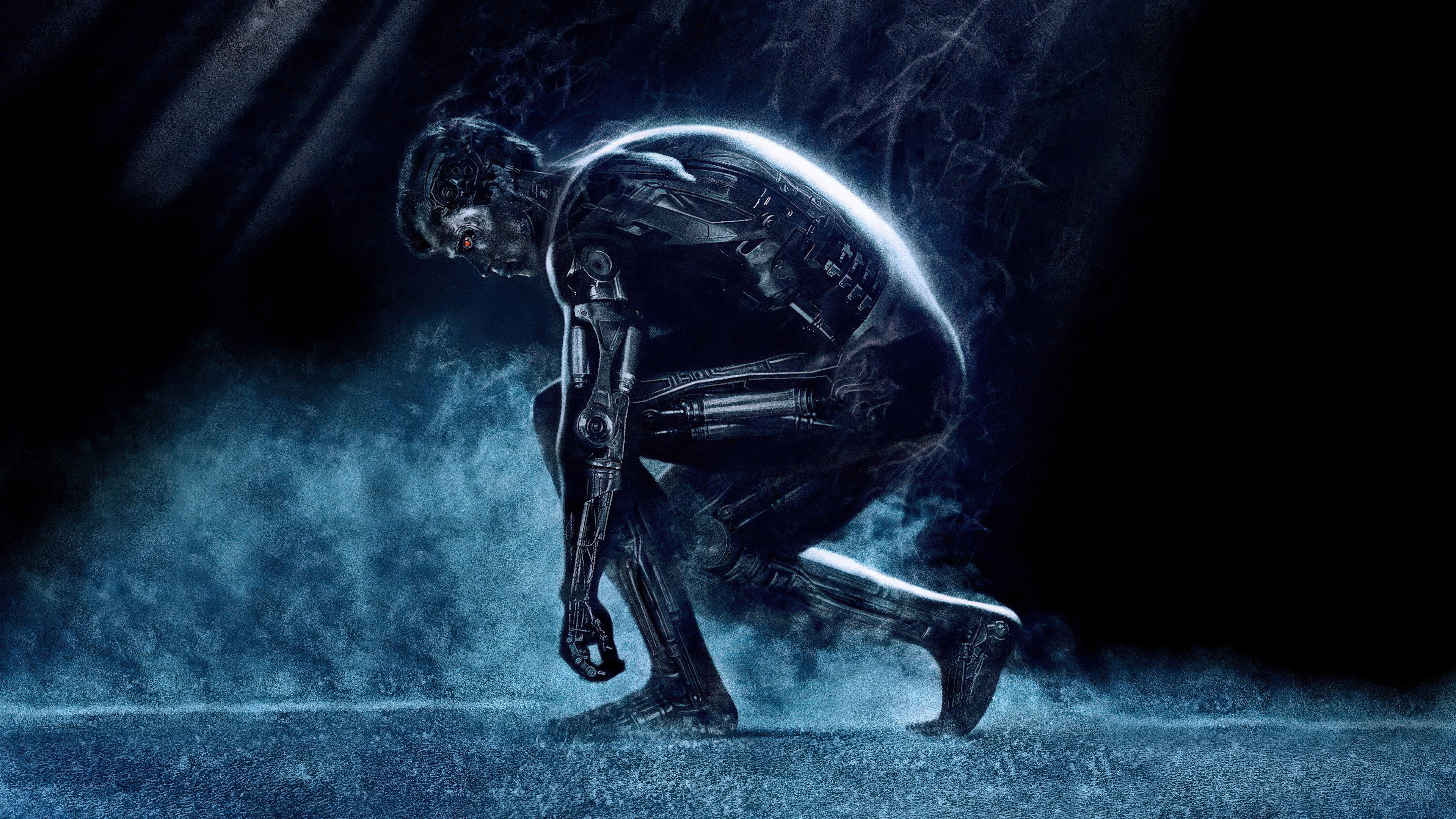
The Terminator: How James Cameron Turned Future War Into Pure Pursuit Cinema
The Terminator still hits because Cameron strips a huge sci-fi premise down to one merciless chase and lets horror logic do the rest.
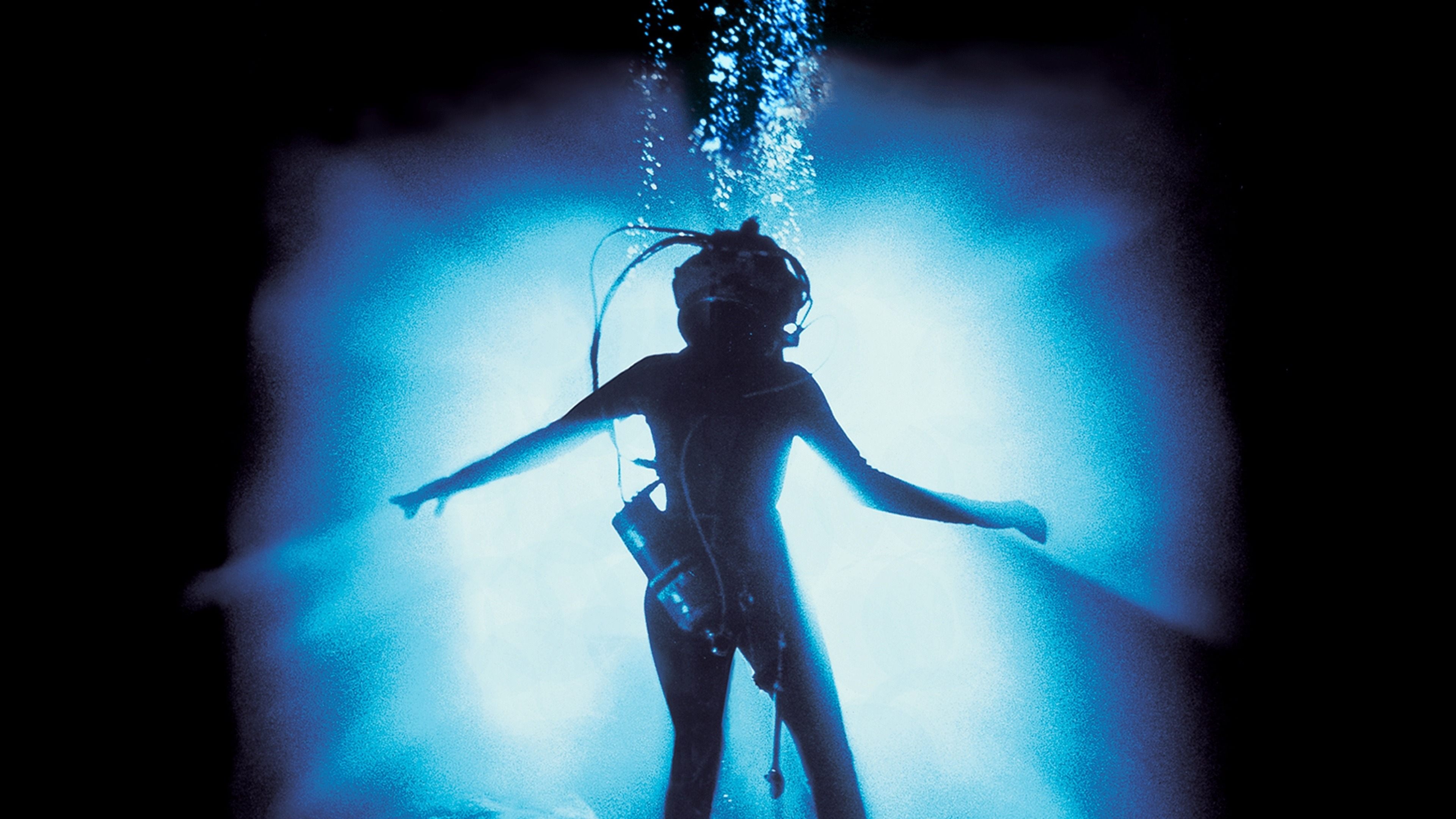
The Abyss and the Risky Beauty of Turning Industrial Pressure Into Contact Cinema
Cameron’s undersea epic stays alive because it never treats labor, machinery, and emotional damage as setup for the awe. They are the price of reaching it.