The Equalizer
Competence rewatch lane

Professional Code

Owned-shelf movies where the pleasure is watching capable people read rooms, rules, bodies, and consequences under pressure.

The Thomas Library Spine needs a clean path for rewatch engines built on competence rather than franchise noise. This lane groups movies where craft shows up as behavior: timing, procedure, training, command, tradecraft, and the exact moment a professional code starts costing more than it protects.

professional codecompetencerewatch engine
Start with The Equalizer

Why this lane works

These picks are built around professionals whose habits become drama: the stopwatch, the exit check, the command voice, the legal objection, the radio call, the surveillance tape, the room read.

Small Thomas Library Spine batch designed to strengthen owned-shelf discovery around existing pages without mistaking availability for taste or padding action with interchangeable volume.

This shelf exists to name the appetite first, then let the titles argue with each other.

11
Core picks
7
Directors
7.5
Avg rating
1974 to 2014
Year span
4 fully-authored7 strong0 building0 case pending

Ideal for

  • viewers who rewatch movies for how people work under stress
  • double-features about procedure, command, and tactical behavior
  • users moving from action appetite into Cinema One’s sharper competence shelf
Program this lane

Three double-feature handoffs for turning the shelf into a night.

Collections should not stop at inventory. These pairings make the editorial path explicit: start sharp, change angle, then decide what the lane is really arguing.

Search this signal

Starter pairing

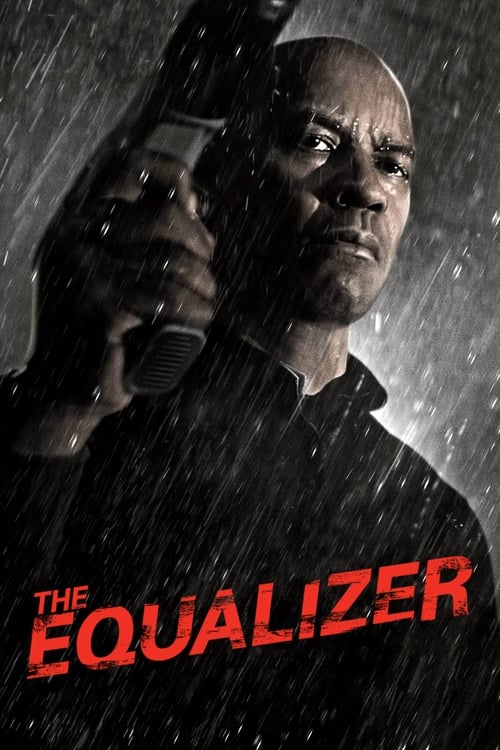
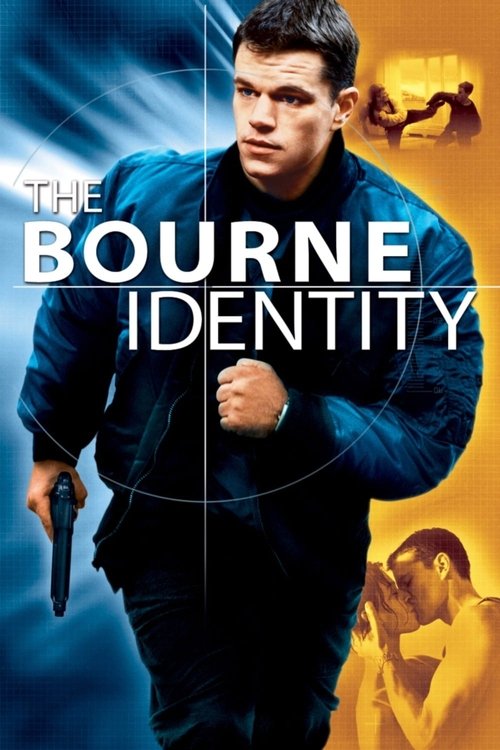
The Equalizer → The Bourne Identity

The Equalizer establishes the professional code charge; The Bourne Identity bends that charge into a different shape. The handoff moves from Antoine Fuqua's approach to Doug Liman's, so the lane opens wider without losing its signal. The 2002–2014 spread also turns the pairing into a miniature history of the appetite.

Open adjacent search

Deeper turn

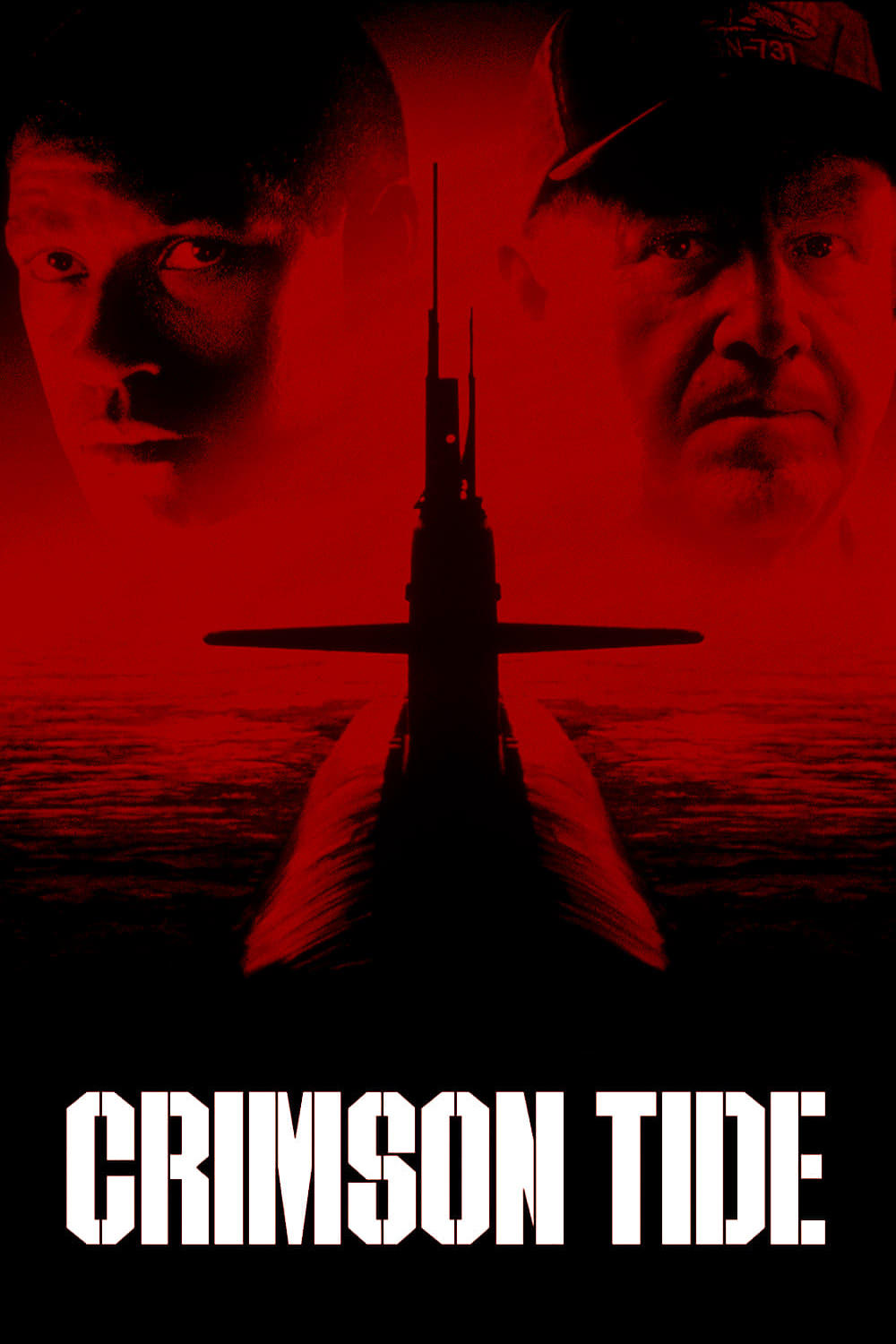
Crimson Tide → Zero Dark Thirty

Crimson Tide establishes the competence charge; Zero Dark Thirty bends that charge into a different shape. The handoff moves from Tony Scott's approach to Kathryn Bigelow's, so the lane opens wider without losing its signal. The 1995–2012 spread also turns the pairing into a miniature history of the appetite.

Open adjacent search

Late-night close

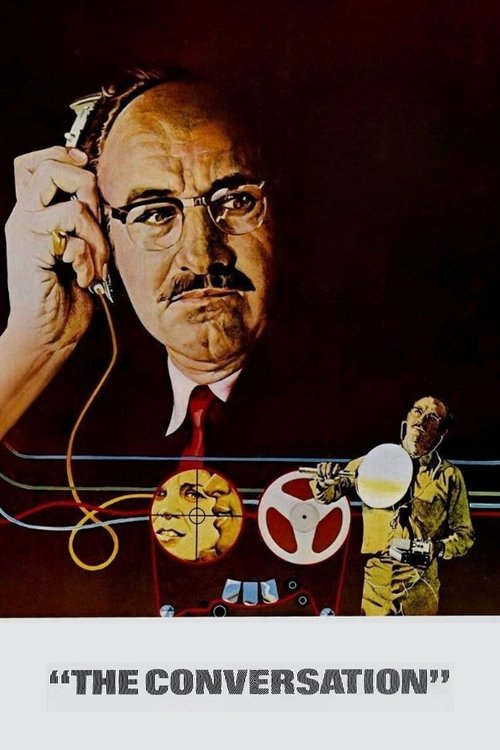
Unstoppable → The Conversation

Unstoppable establishes the rewatch engine charge; The Conversation bends that charge into a different shape. The handoff moves from Tony Scott's approach to Francis Ford Coppola's, so the lane opens wider without losing its signal. The 1974–2010 spread also turns the pairing into a miniature history of the appetite.

Open adjacent search
Collection picks

The movies that define the lane.

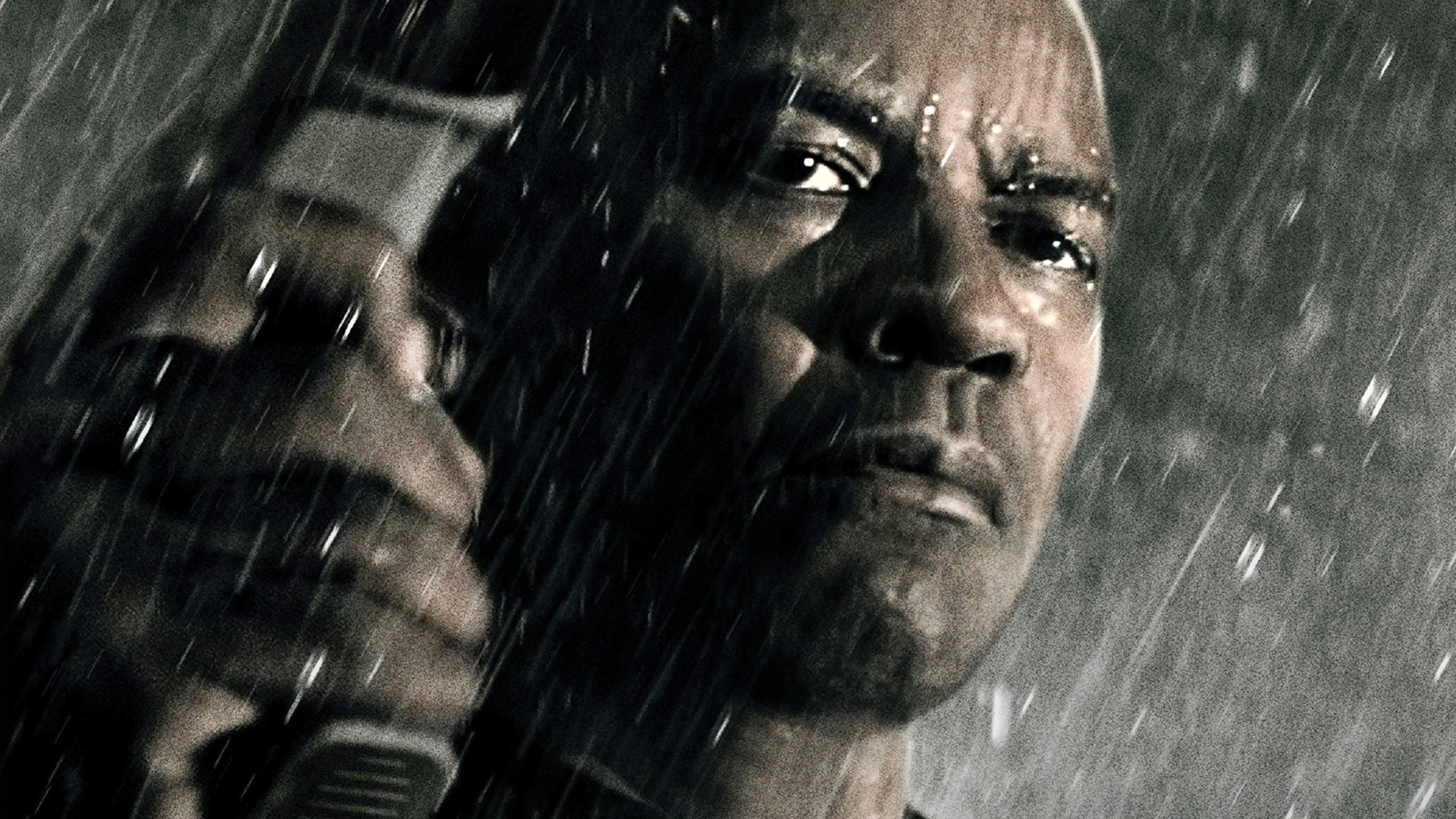
The Equalizer
The Equalizer
Antoine Fuqua2014

Robert McCall lives like a man trying to sand every violent edge off himself until a young woman’s abuse pulls the old machinery back online. The Equalizer earns its Thomas Library Spine slot because Fuqua and Denzel turn vigilante pulp into control-freak comfort food: ritual, timing, manners, books, diner light, and sudden violence staged as a retired professional deciding exactly how much of the monster still has a job to do.

The Bourne Identity
The Bourne Identity
Doug Liman2002

Jason Bourne wakes up with no name, two bullets in his back, and a body that knows violence before his mind knows why. The Bourne Identity earns its Thomas Library Spine slot because Doug Liman turns amnesia into action grammar: passports, maps, stairwells, train stations, and close-quarters fights all become clues to a man trying to outrun the system that built him without becoming only its weapon.

Predator
Predator
John McTiernan1987

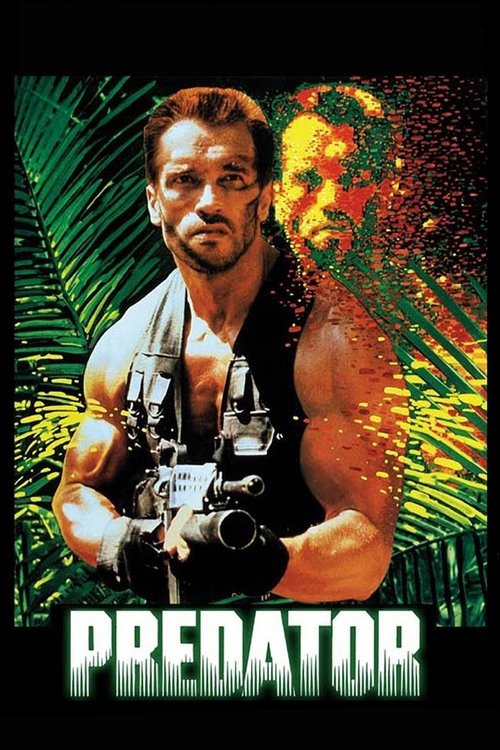
Dutch’s rescue team enters the jungle like a wall of muscle, weapons, and confidence, then the movie patiently turns that confidence into heat, fear, and bad information. Predator belongs on Cinema One because McTiernan makes a macho action vehicle mutate into survival horror: the bodies get bigger while the tactical advantage keeps shrinking, until all that is left is mud, traps, silence, and one professional learning he is no longer the apex predator.

A Few Good Men
A Few Good Men
Rob Reiner1992

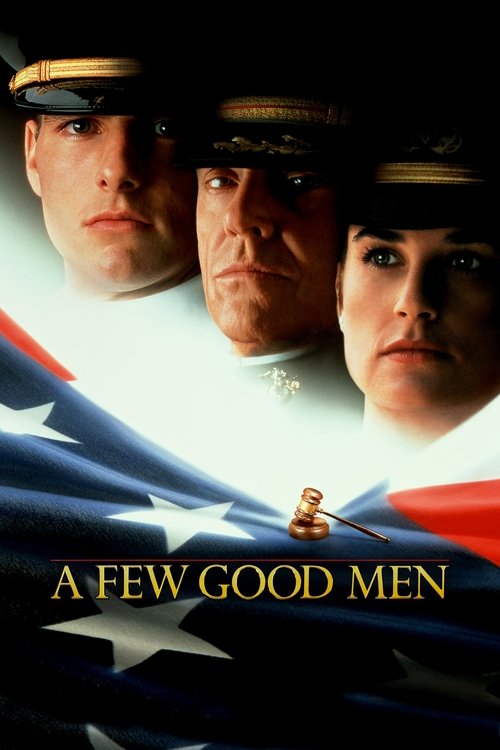
A Navy lawyer who usually bargains cases into quiet corners is forced to try two Marines accused of murder, then discovers the real fight is not guilt but obedience. A Few Good Men earns its Thomas Library Spine slot because Rob Reiner and Aaron Sorkin turn legal procedure into command pressure: jokes, objections, rank, paperwork, and ego all tighten toward one witness who believes the truth is his property.

Crimson Tide
Crimson Tide
Tony Scott1995

On a U.S. nuclear submarine, a seasoned captain and his executive officer collide over whether an incomplete order should trigger missile launch, turning command procedure into outright moral warfare.

Zero Dark Thirty
Zero Dark Thirty
Kathryn Bigelow2012

Maya follows a decade of fragments, detainee rooms, courier leads, dead ends, and institutional doubt until the hunt becomes a life she can no longer put down. Zero Dark Thirty belongs on Cinema One because Bigelow turns procedure into obsession: no triumphal music, no clean moral bath, just a case-file movie where command pressure, intelligence work, and personal cost keep tightening toward a raid staged almost like breath control.

The Hurt Locker
The Hurt Locker
Kathryn Bigelow2008

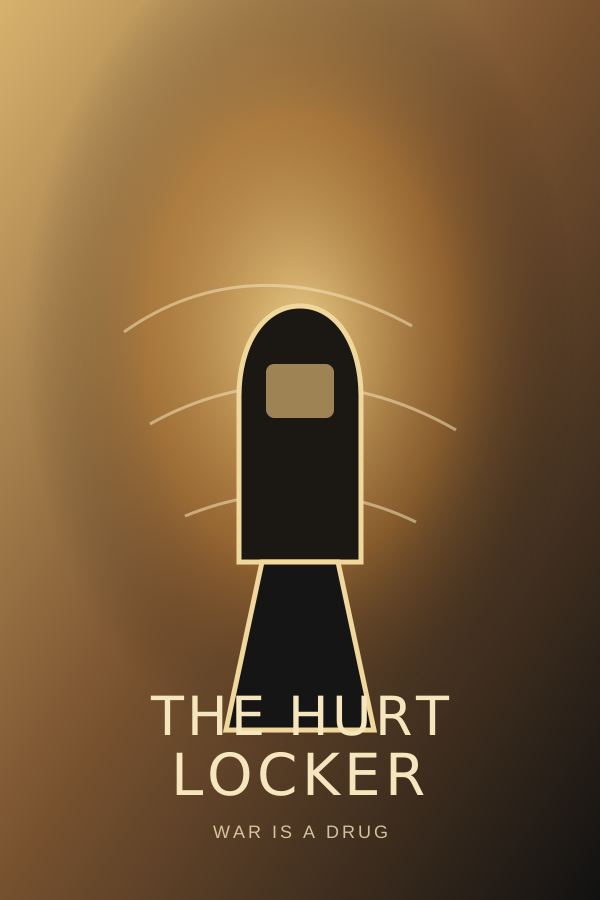
Sergeant William James joins an Iraq EOD team and treats every bomb like an argument with death that only he can win. The Hurt Locker belongs on Cinema One because Bigelow strips war cinema down to procedure, heat, breath, dust, and addiction: not a victory story, but a pressure-room character study about a man who can only feel organized when everything around him might explode.

Point Break
Point Break
Kathryn Bigelow1991

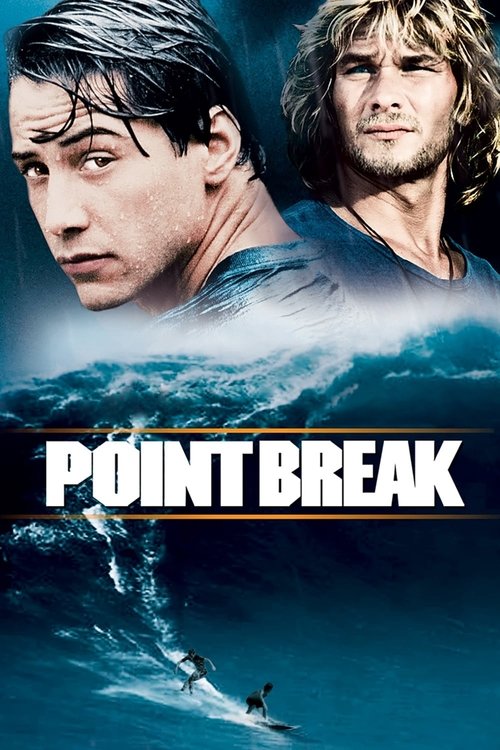
An undercover FBI agent enters a Southern California surf crew and finds the bank-robbery case turning into an addiction to risk, friendship, and Bodhi’s beautiful death-wish logic. Point Break belongs on Cinema One because Kathryn Bigelow makes action feel spiritual without letting it go soft: foot chases, surf breaks, skydiving, and loyalty tests all become one pressure system about men who confuse freedom with escalation.

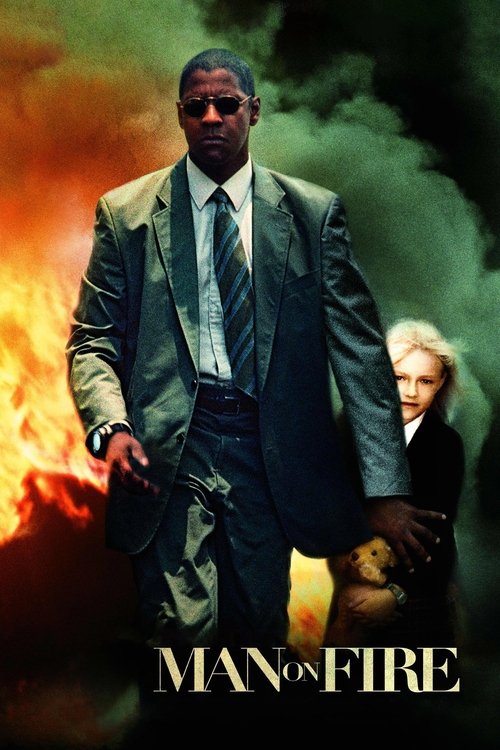
Man on Fire
Man on Fire
Tony Scott2004

A burned-out bodyguard finds purpose protecting a kidnapped girl, then turns grief, guilt, and vengeance into one of Scott’s fiercest emotional action movies.

Unstoppable
Unstoppable
Tony Scott2010

Scott’s late-career runaway-train thriller reduces disaster spectacle to movement, labor, and split-second professionalism, proving how hard he could still drive pure momentum.

The Conversation
The Conversation
Francis Ford Coppola1974

A surveillance expert becomes morally trapped by a recording job that makes privacy, guilt, and paranoia impossible to separate.