
Unstoppable and the Pleasure of Watching Professionals Beat the Clock
Tony Scott’s runaway-train thriller works because it treats labor, timing, and practical nerve as a full spectacle system instead of background realism.
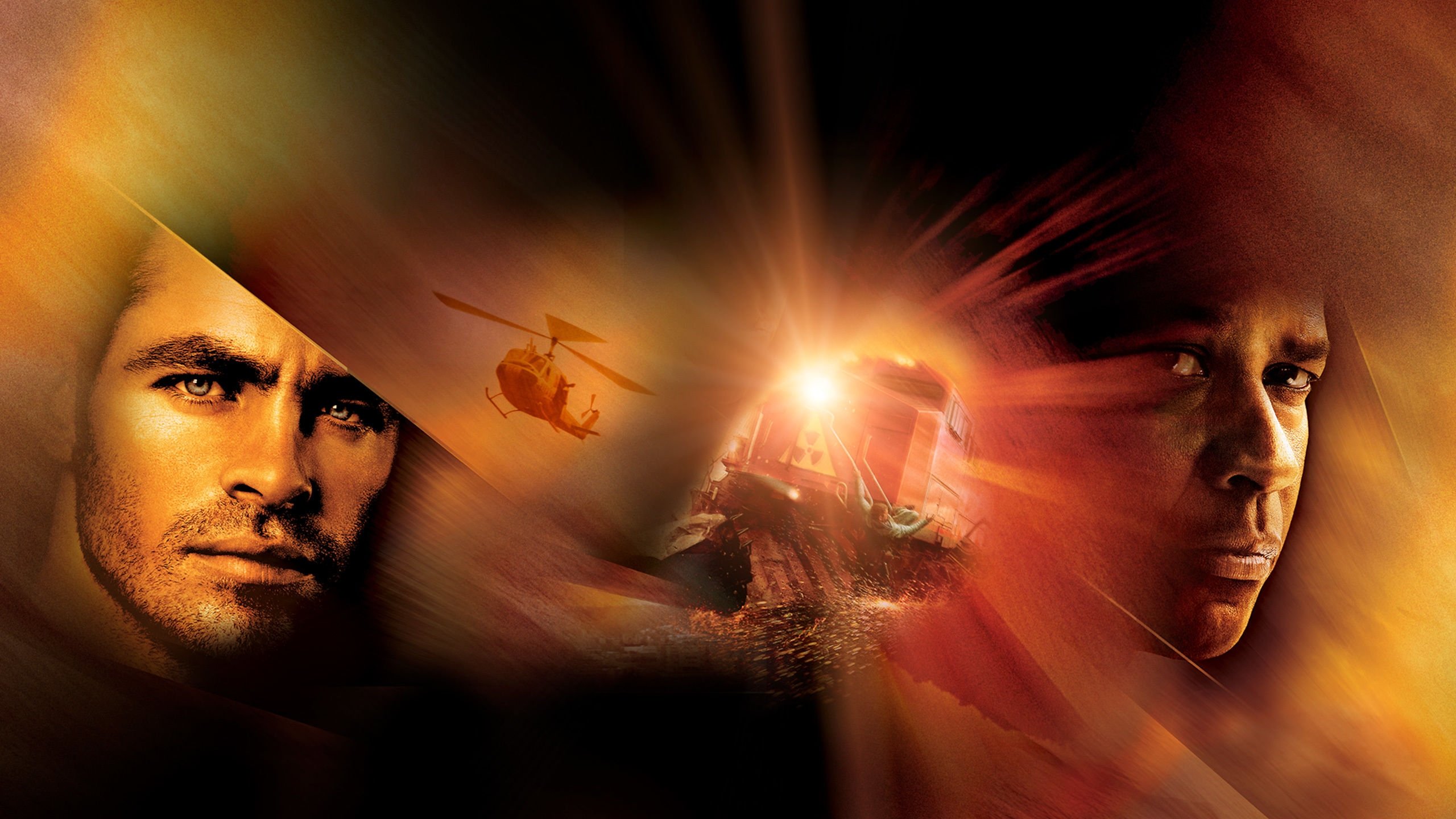
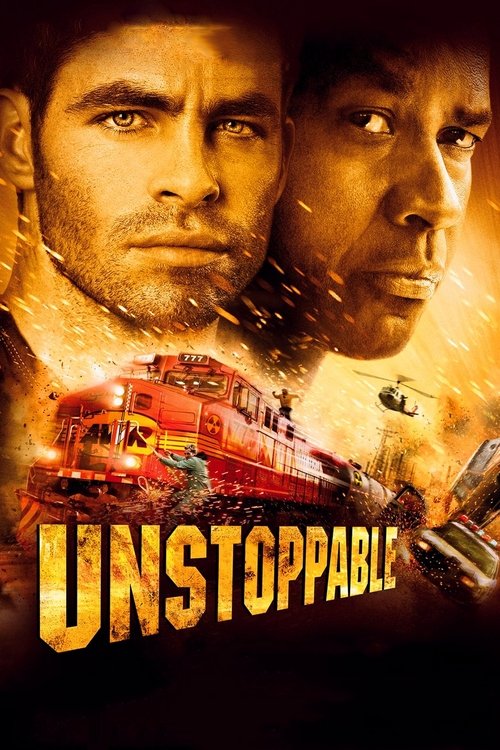
Unstoppable is one of Tony Scott’s cleanest late films because it knows exactly what to amplify and what to leave alone. A runaway train, a patchwork response system, and two workers trying to keep disaster from multiplying are enough. Scott trusts the machinery, geography, and bodies in motion.
Competence as Action
What makes the movie satisfying is that heroism arrives through work. Denzel Washington and Chris Pine are not playing invincible fantasy operators. They are playing men trying to solve a problem while reading distance, speed, track layouts, and each other. The movie treats that competence as cinematic value in itself.
Why the Scale Feels Big
Unstoppable does not need apocalypse framing to feel large. Scott makes rail lines, switching decisions, helicopters, dispatch chatter, and physical proximity do the scaling work. The movie grows because consequences spread outward through systems, not because the script keeps insisting on importance.
Tony Scott at Full Clarity
For viewers who mostly associate Scott with overstimulated visual heat, Unstoppable is a great corrective. The style is still alive, but it is disciplined around momentum, teamwork, and spatial legibility. That restraint is not a reduction of his gifts. It is proof of how precise those gifts could be.
Unstoppable
2010 • Tony Scott
1,000,000 tons. 100,000 lives. 100 minutes.
Movies to pair with this read



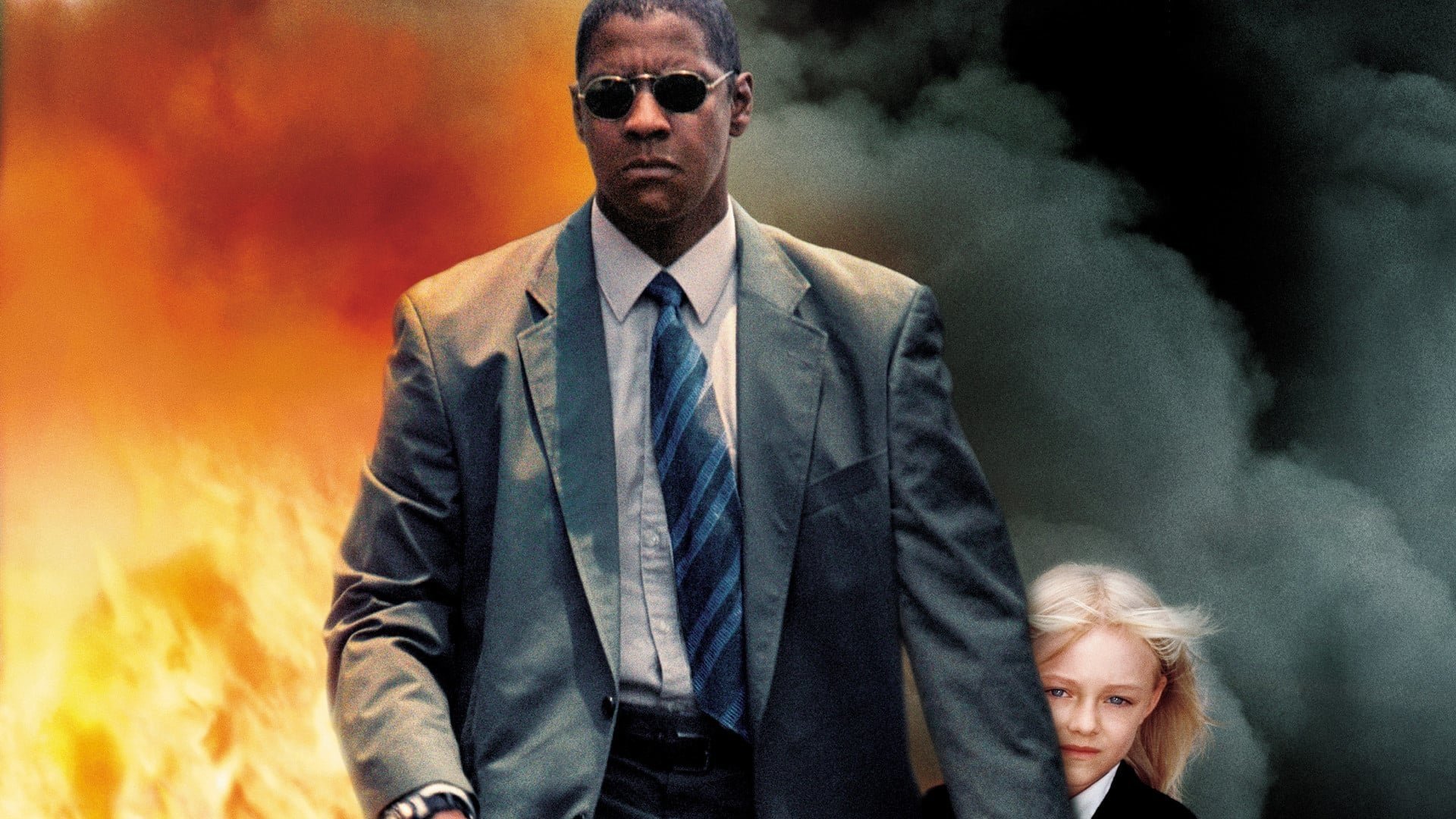
Man on Fire: Tony Scott’s Revenge Movie as Grief Event
What makes Man on Fire hit is not just vengeance. It is the way Tony Scott turns a broken protector’s inner damage into the movie’s whole visual weather system.
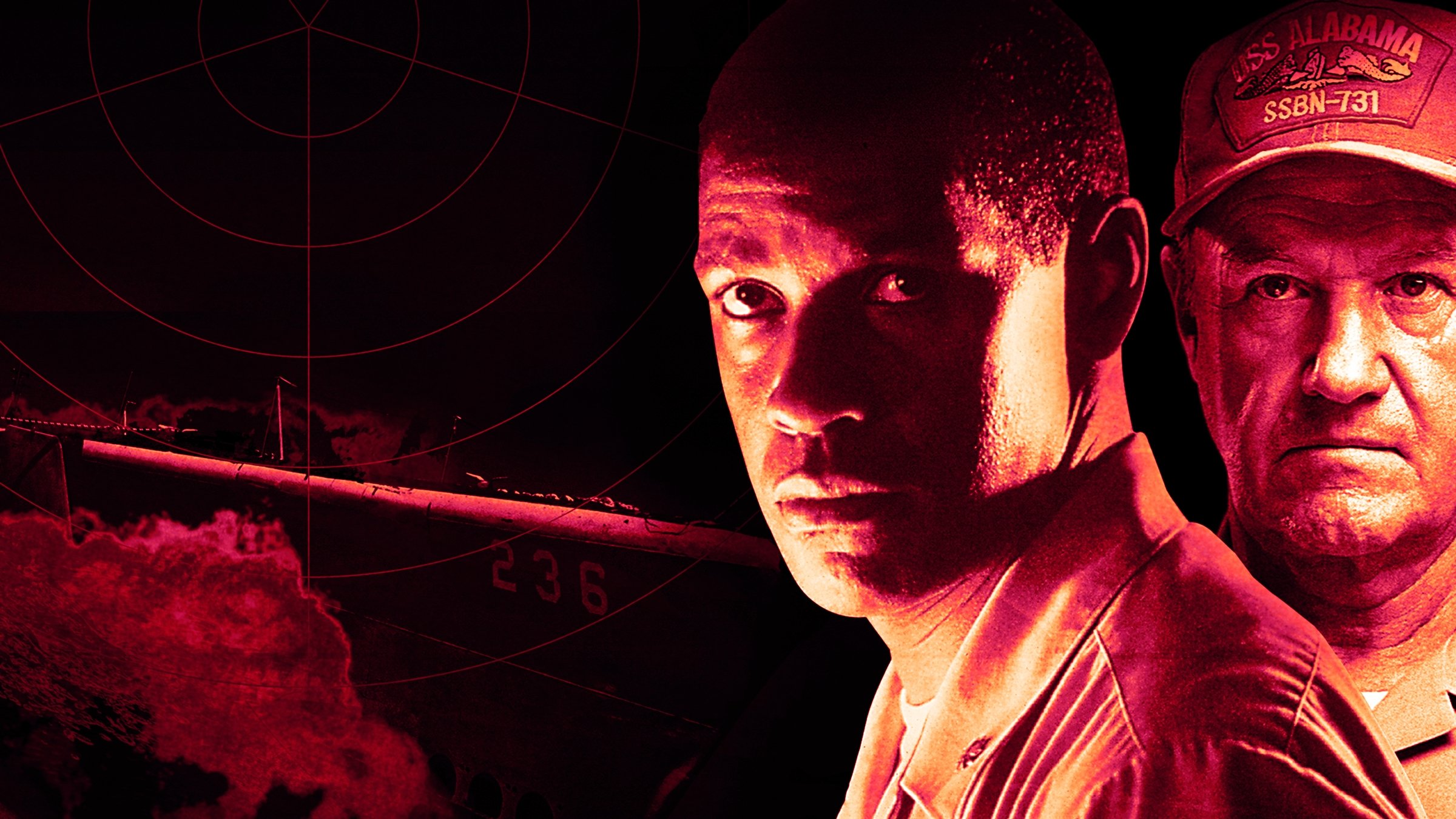
Crimson Tide and the Art of Turning Procedure Into Suspense
Tony Scott’s submarine thriller hits so hard because every command decision feels like a moral argument with launch codes attached.
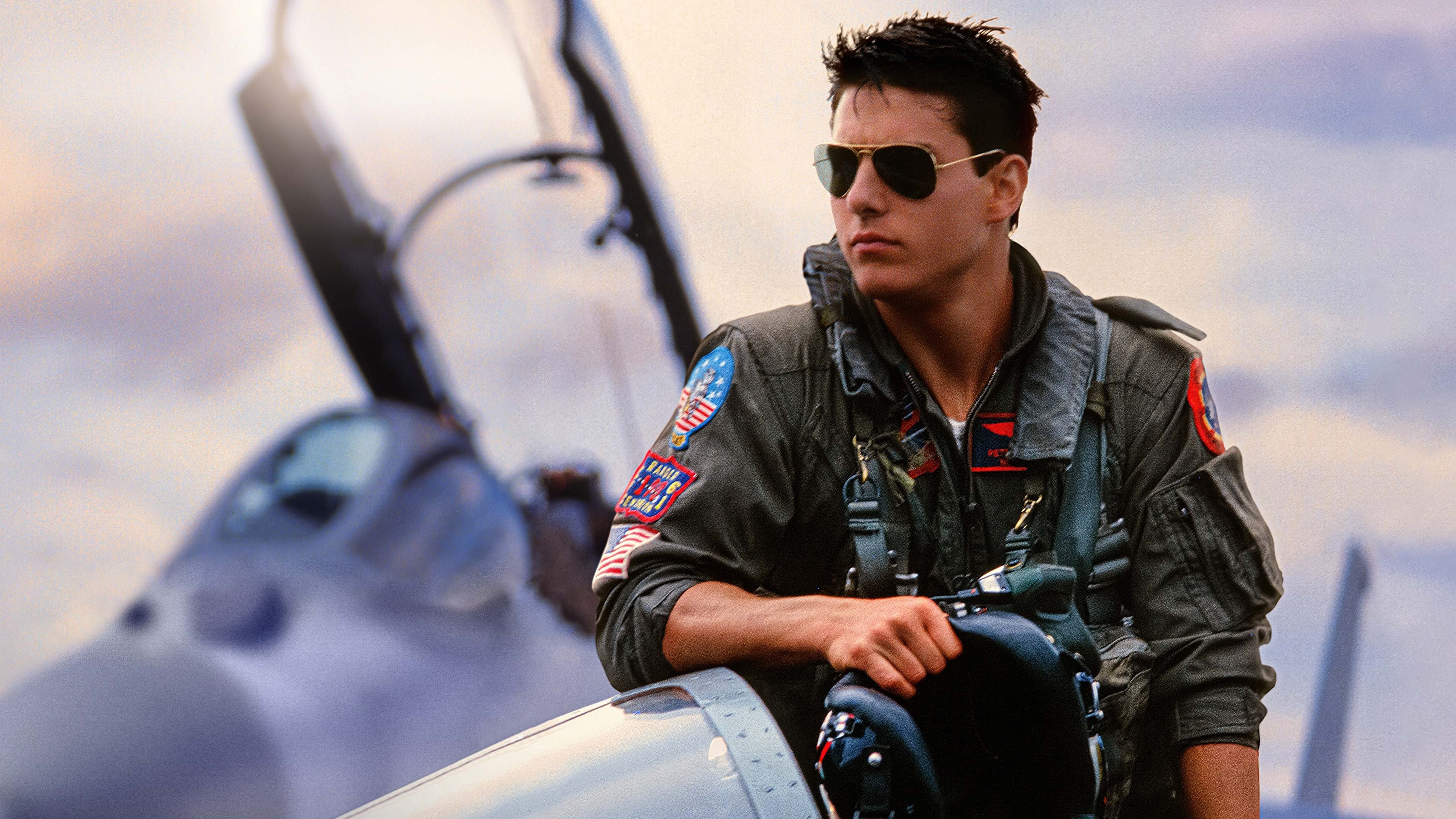
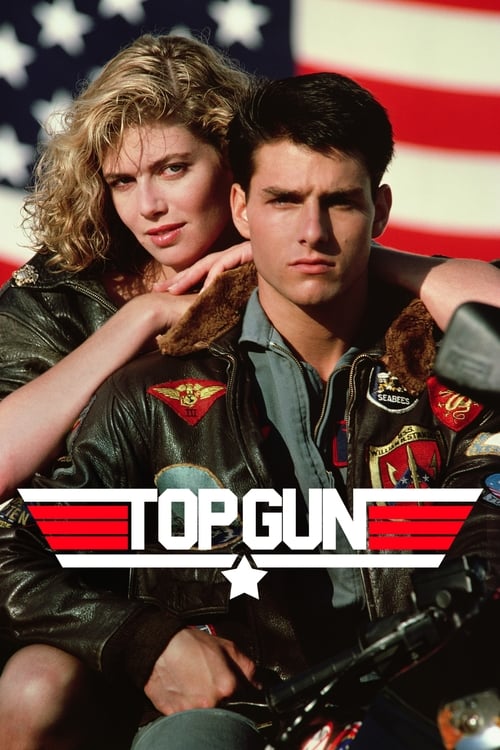
Top Gun and the Moment Action Cinema Learned to Sell Speed as Personality
Tony Scott’s hit is more than a recruiting-poster object. It is a pure movie-star and rivalry machine built out of motion, heat, and attitude.
True Romance and the Miracle of Making Recklessness Feel Tender
Tony Scott’s lovers-on-the-run movie still feels special because it never treats style and sincerity as enemies.