
True Romance and the Miracle of Making Recklessness Feel Tender
Tony Scott’s lovers-on-the-run movie still feels special because it never treats style and sincerity as enemies.
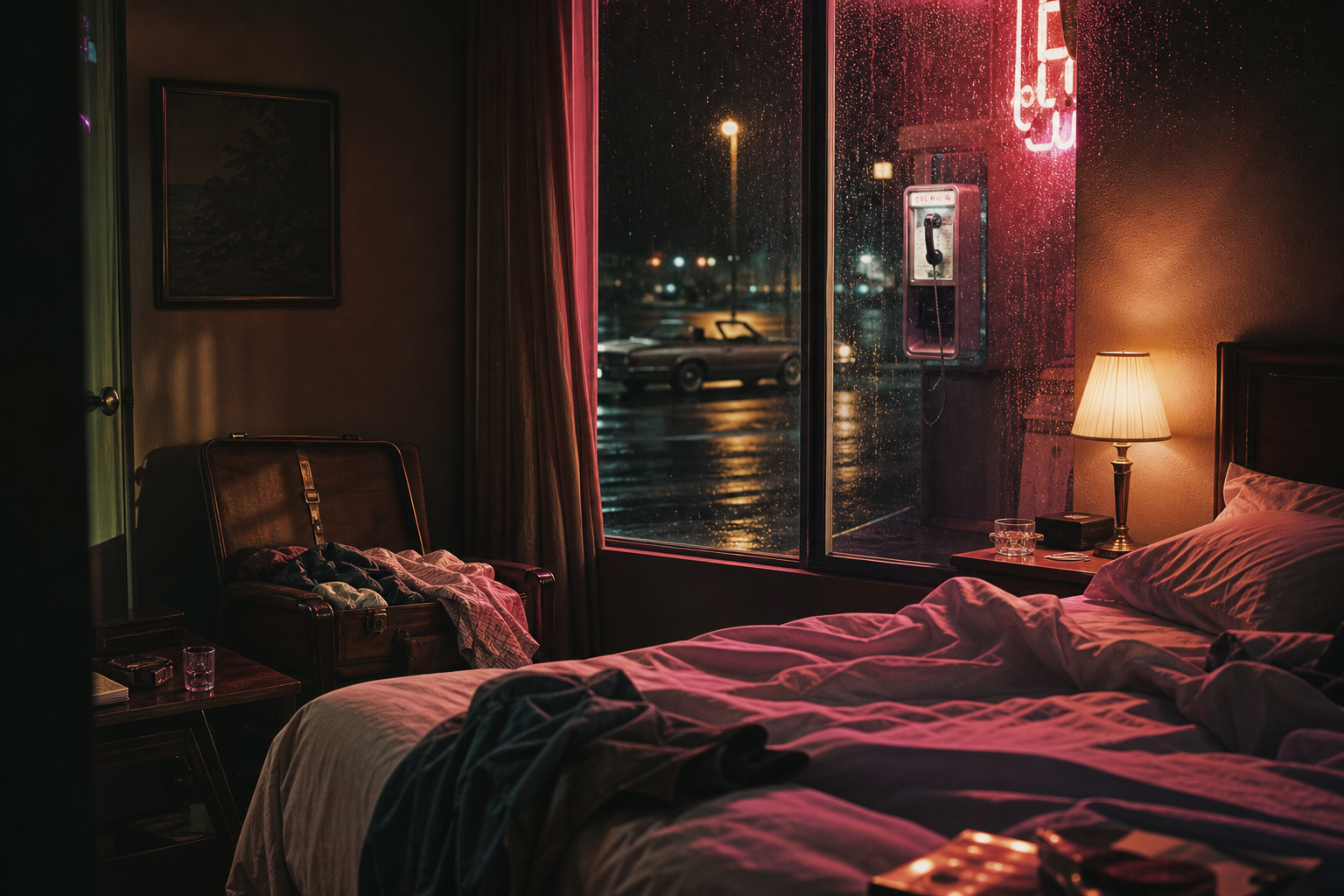
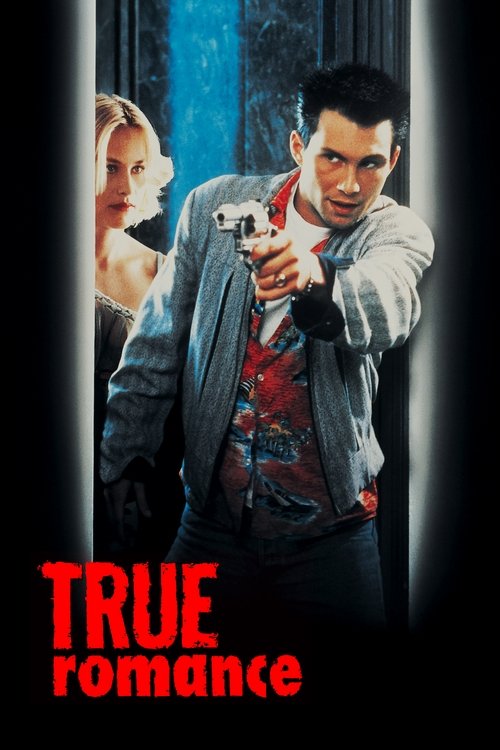
True Romance works because it believes in its own fever. Tony Scott takes Tarantino dialogue, pulp violence, and criminal mythology, then refuses to play any of it from a safe ironic distance.
Love Story First, Crime Movie Second
The real gamble is that Clarence and Alabama have to feel emotionally real even when the movie is behaving like a neon fairy tale. Scott pulls it off by making devotion the most sincere force in the film.
Why the Cool Actually Lands
A lot of movies want to be cool. True Romance survives because the cool is attached to affection, fantasy, and vulnerability instead of empty posture. The style is emotional, not merely decorative.
The Tony Scott Difference
The script matters, but Scott is what turns the movie into a rush. He makes color, music, velocity, and movie-star heat feel like extensions of the romance itself.


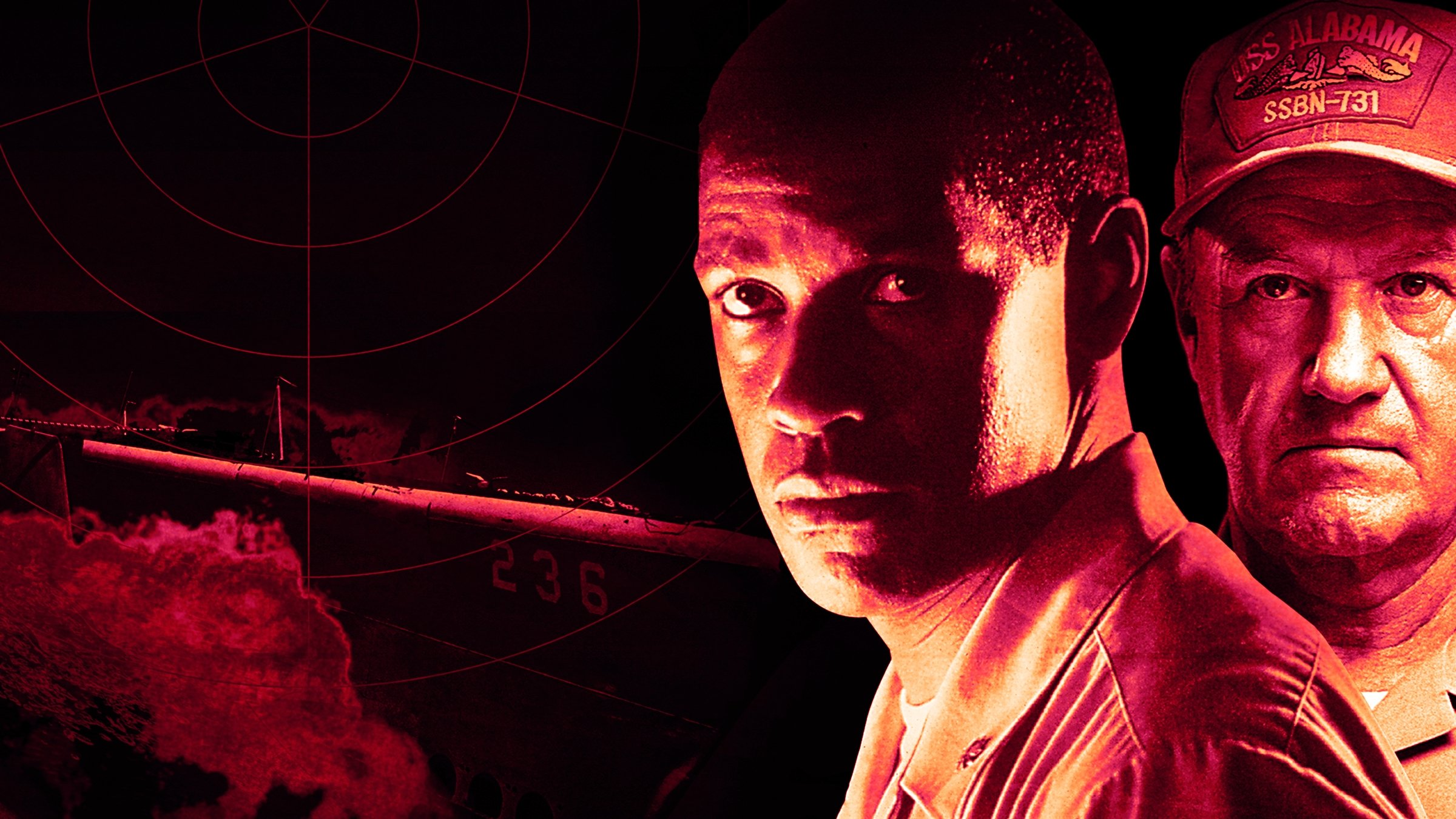
Crimson Tide and the Art of Turning Procedure Into Suspense
Tony Scott’s submarine thriller hits so hard because every command decision feels like a moral argument with launch codes attached.

Top Gun and the Moment Action Cinema Learned to Sell Speed as Personality
Tony Scott’s hit is more than a recruiting-poster object. It is a pure movie-star and rivalry machine built out of motion, heat, and attitude.
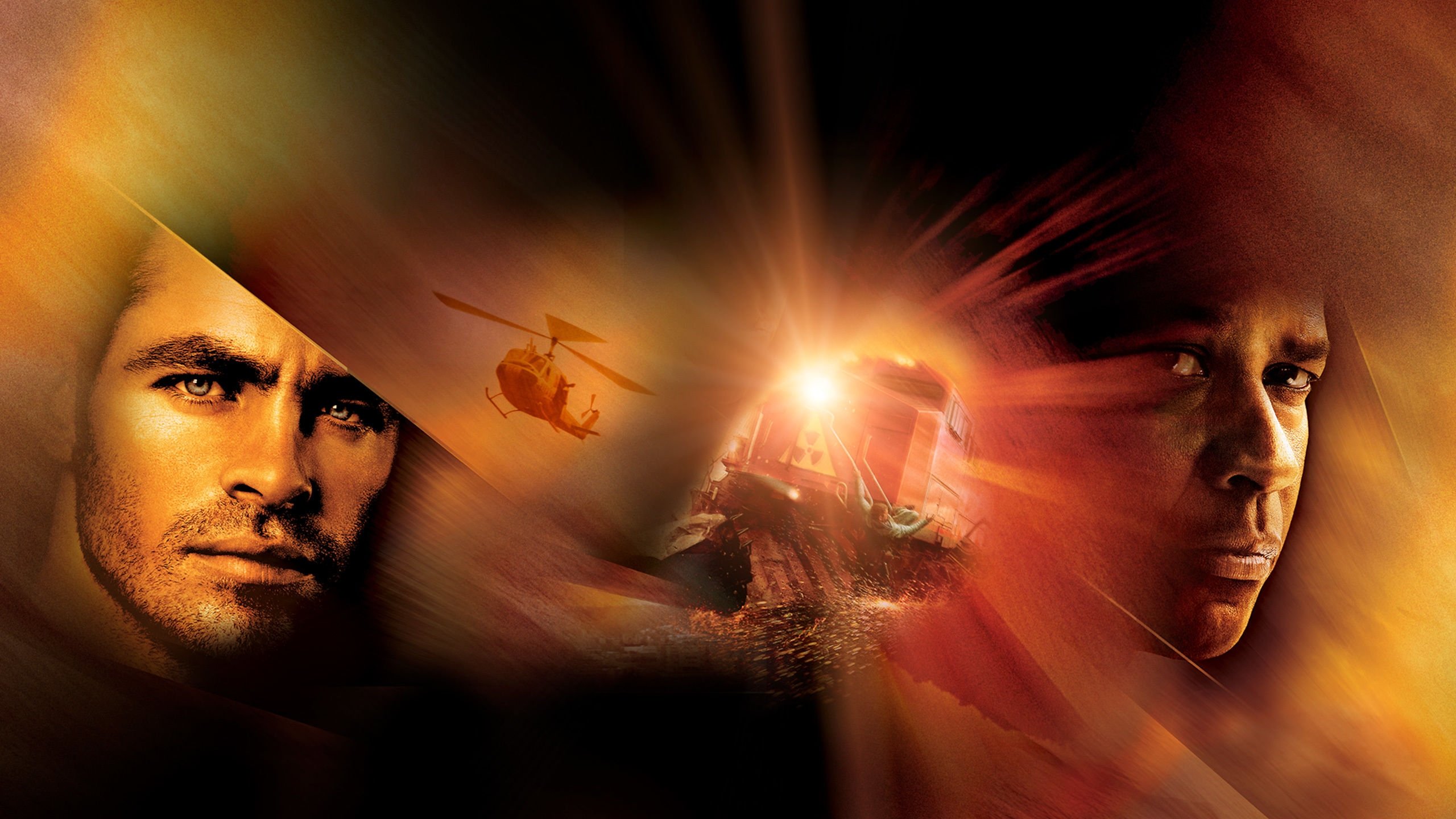
Unstoppable and the Pleasure of Watching Professionals Beat the Clock
Tony Scott’s runaway-train thriller works because it treats labor, timing, and practical nerve as a full spectacle system instead of background realism.
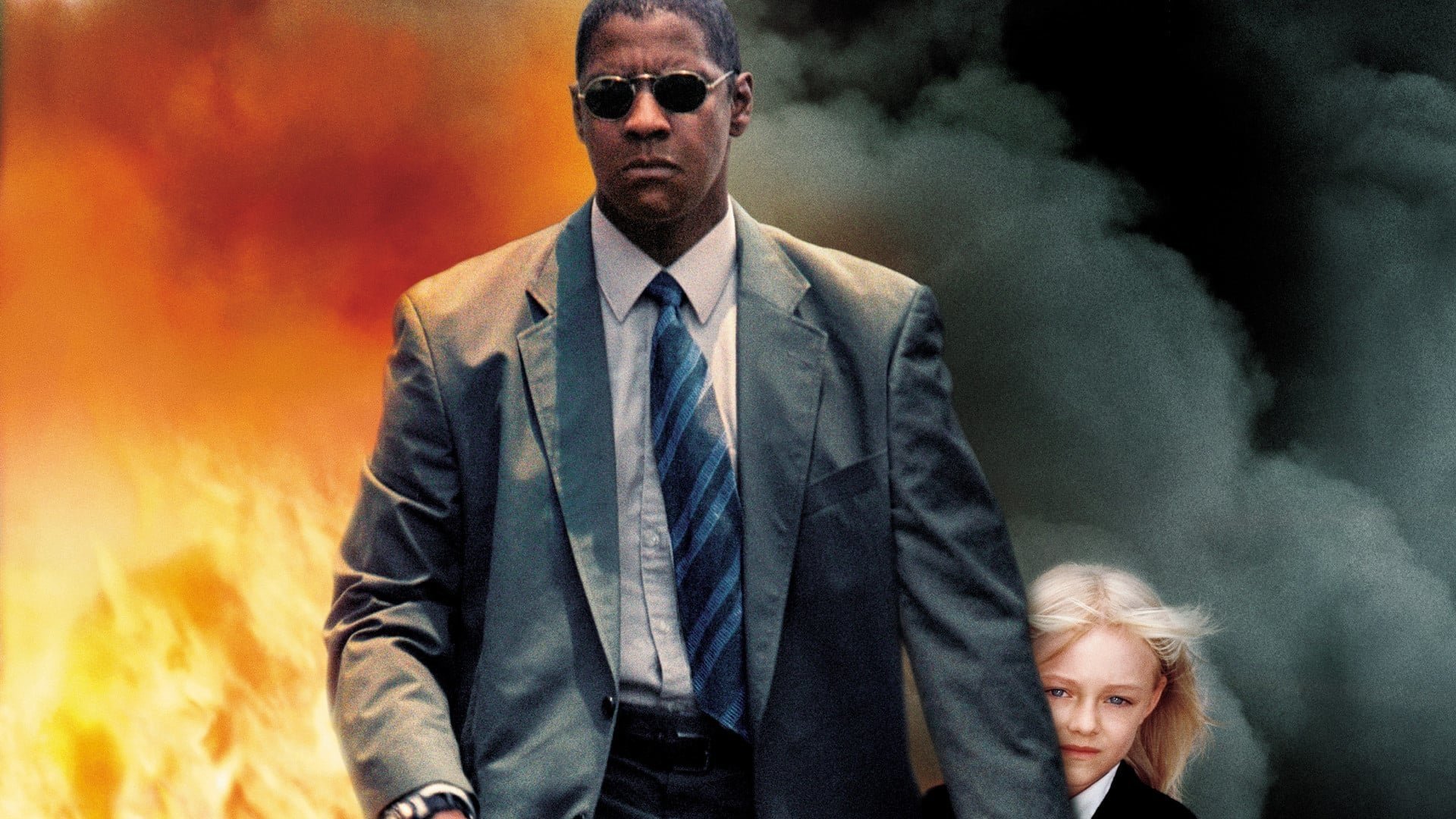
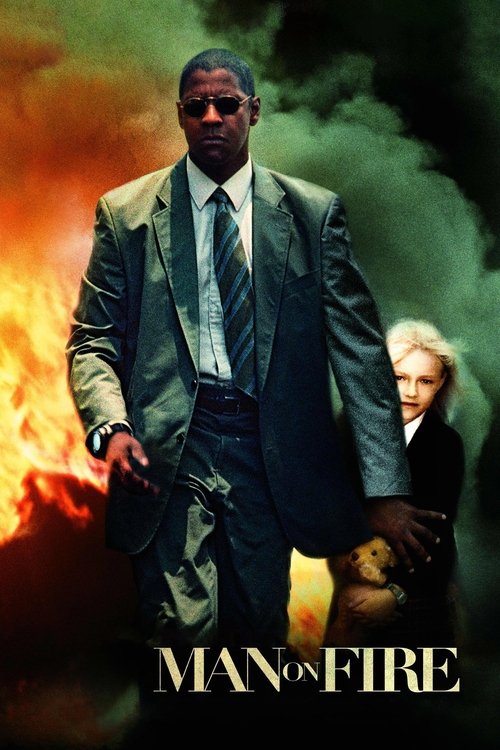
Man on Fire: Tony Scott’s Revenge Movie as Grief Event
What makes Man on Fire hit is not just vengeance. It is the way Tony Scott turns a broken protector’s inner damage into the movie’s whole visual weather system.