True Romance
Find the movies with rewatch gravity, live dossiers, and unfinished cases worth deepening.
Movie dossier
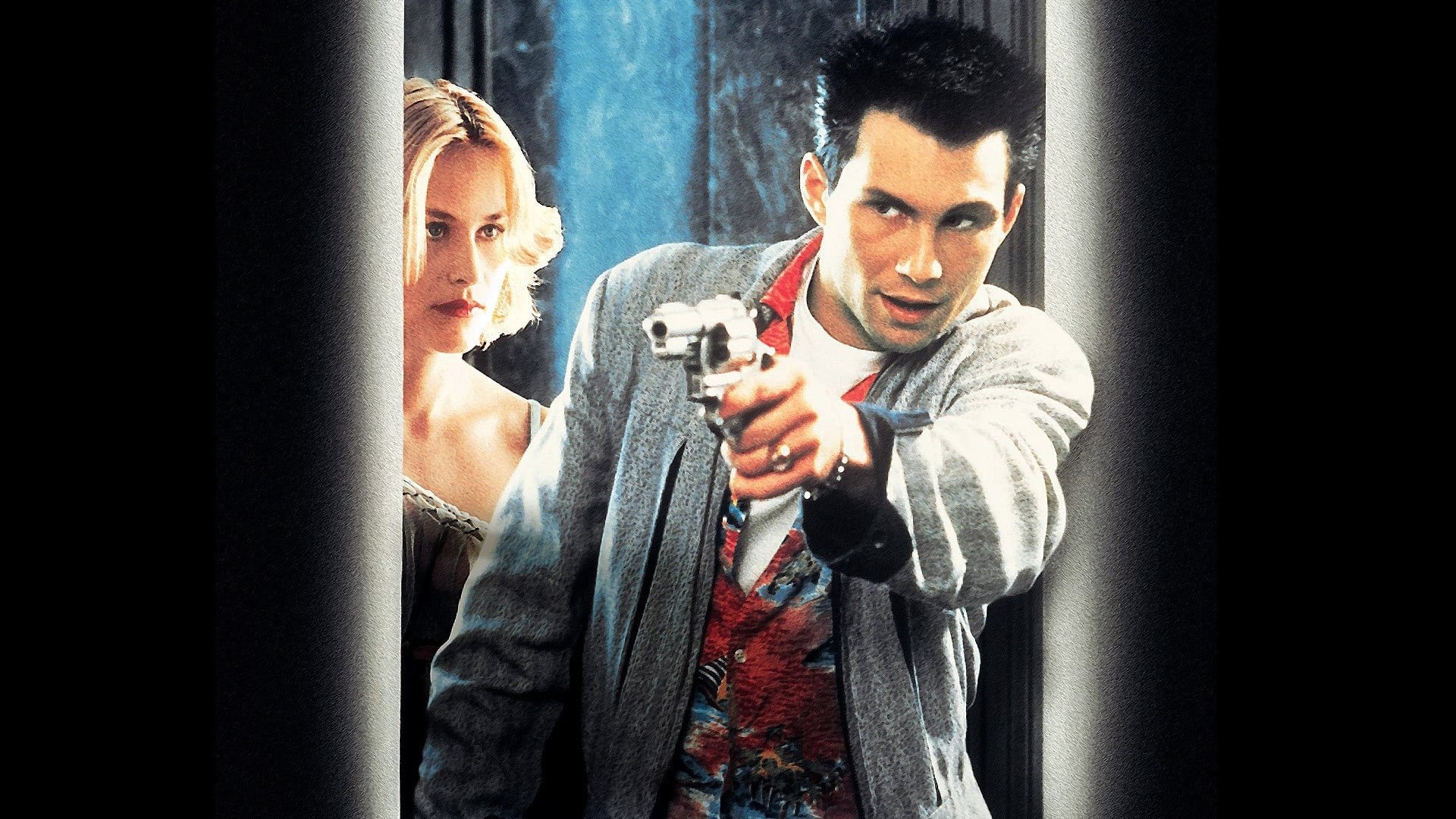
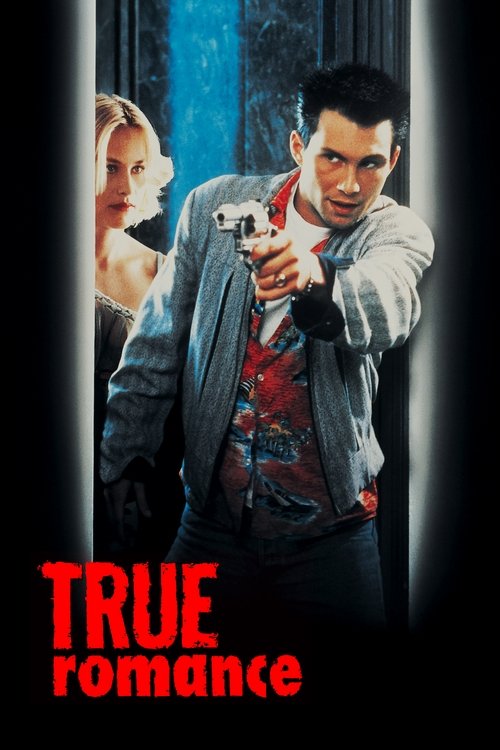
True Romance
Tony Scott turns Tarantino dialogue and outlaw romance into a hot-blooded pop fever dream.
Latest video signal
Trailer slot ready
A widescreen slot for the newest official trailer, interview, or scene signal when the page has a playable source.
Why it matters
True Romance matters because it shows Tony Scott translating someone else’s voice without losing his own. The movie takes Tarantino’s talk, pulp appetite, and criminal detours, then runs them through Scott’s romantic velocity, neon surfaces, and total commitment to emotional combustion.
Craft read
Tarantino scene-writing filtered through Scott’s image-first propulsion
Romantic, violent, funny, and too alive to settle into one register
A key 90s crime-romance object where style becomes tenderness instead of distance
Themes
Cast and context
lovers on the run • crime spree • Tarantino script • pop violence • road movie
Coverage status
A fully shaped Cinema One case: the movie has enough authored context, pathway links, and argument to feel like more than a catalog entry.
Production notes
- • One of the clearest examples of a script and director reshaping each other into something distinct from either artist alone.
- • Christian Slater and Patricia Arquette make the movie work because the love story stays sincere even when the world around it turns carnivalesque.
- • A crucial Tony Scott page because it broadens his lane beyond command-pressure thrillers into pure pop-romantic movie love.
Watch-next pathway
What should you do after True Romance?
Three intentional continuations: stay with the filmmaker, chase the dominant pressure signal, or jump into the shelf or argument that best explains why this movie belongs here.
Man on Fire
The cleanest next move if Tony Scott's control, obsessions, or rhythm are what hooked you here.
More romance
Use the taste map to find movies, arguments, and shelves that share this page's strongest signal.
Rewatchables
Movies built for return visits, momentum, quotability, texture, and pure replay value.
Movie-page argument
Defend True Romance.
If this movie has a scene, performance, ending, or idea people underrate, make the case. The best defenses can become future Cinema One argument material.
Scene challenge
Pick the scene that proves it.
Cinema One is built around scenes that unlock the movie. Tell us which moment carries the pressure, style, argument, or rewatch charge.
Signature scene: the trailer confession makes recklessness feel like destiny
Clarence telling Alabama the truth should derail the fantasy, but Scott makes it the scene that seals it. The moment lands because the movie treats mutual irrational commitment as the beginning of the romance, not a problem to cleanly solve.
Line worth carrying forward
“You’re so cool.” The line survives because it is not only flirtation. In True Romance it becomes a whole worldview, love as hype, devotion, style, and chosen myth all rolled into one breathless phrase.
Why the ending feels euphoric instead of merely cute
The ending works because the movie has already pushed itself through so much blood, absurdity, and danger that survival feels almost impossible. Scott lets the final release play like a miracle earned by total belief in the fantasy rather than realism.
Steelman the debate
A fair critique is that True Romance can seem intoxicated by its own cool, turning violence, crime, and eccentricity into a style package too charmed by itself. The strongest defense is that the charm is the material. Scott is making a movie about love as runaway self-mythology, so the excess and glamour are not decoration, they are the whole pulse of the thing.
More from this director
Related picks
Read next
Tony Scott’s lovers-on-the-run movie still feels special because it never treats style and sincerity as enemies.
Tony Scott’s submarine thriller hits so hard because every command decision feels like a moral argument with launch codes attached.
Tony Scott’s thriller still moves because it understands how terrifying it is when a system can rewrite your life faster than you can explain yourself.