
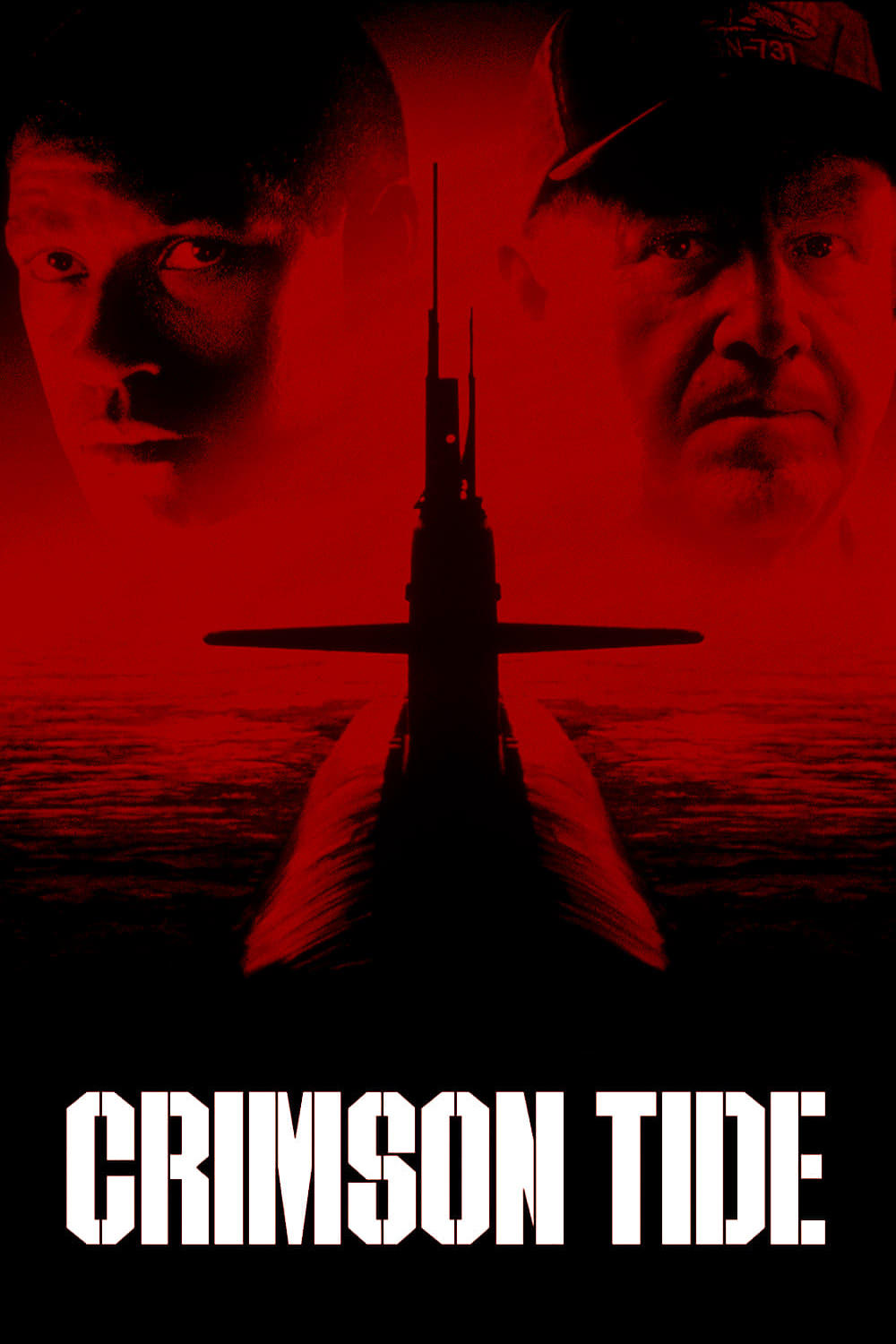
Scene 1•JoBlo Movie Clips•Command pressure
Command Conflict
Hackman and Washington turn procedure into combat. The scene matters because respect and mutiny can both sound rational when the stakes are nuclear.
Find the movies with rewatch gravity, live dossiers, and unfinished cases worth deepening.
Movie dossier
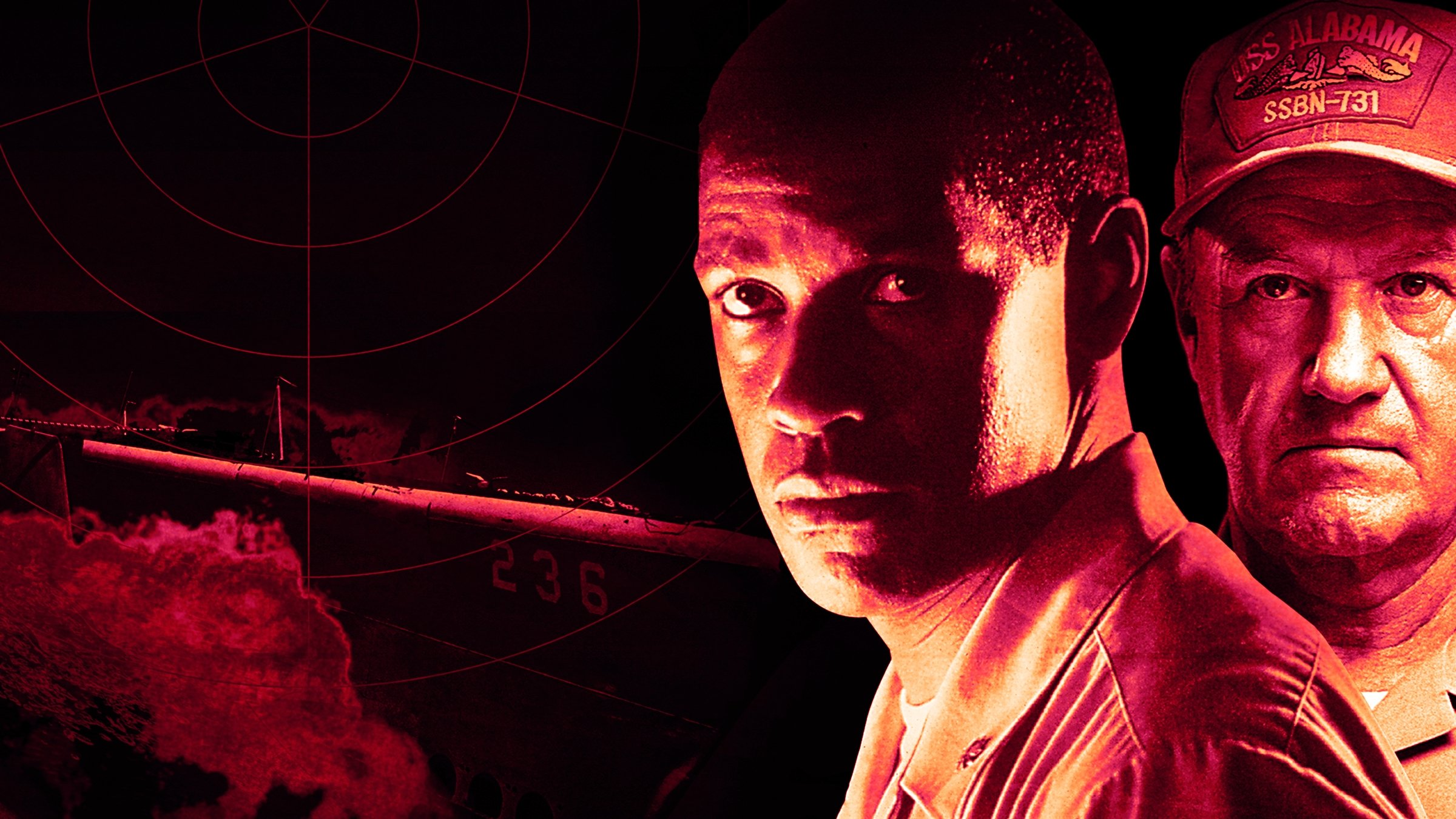
Tony Scott’s submarine thriller turns rank, radios, and withheld information into hand-to-hand combat.
Latest video signal
A widescreen slot for the newest official trailer, interview, or scene signal when the page has a playable source.
Crimson Tide matters because it makes command procedure feel like an action grammar. Scott traps Gene Hackman’s combat certainty and Denzel Washington’s disciplined doubt inside a nuclear chain of command where the most dangerous weapon is not the missile system, but the speed with which conviction can become permission.
A command dispute staged with the force of hand-to-hand combat
Sweaty, claustrophobic, and relentlessly escalatory
A benchmark for military thriller dialogue and authority tension
submarine • chain of command • nuclear tension • mutiny • moral pressure
A fully shaped Cinema One case: the movie has enough authored context, pathway links, and argument to feel like more than a catalog entry.
Watch-next pathway
Three intentional continuations: stay with the filmmaker, chase the dominant pressure signal, or jump into the shelf or argument that best explains why this movie belongs here.
The cleanest next move if Tony Scott's control, obsessions, or rhythm are what hooked you here.
Use the taste map to find movies, arguments, and shelves that share this page's strongest signal.
Command decisions, brinkmanship, pressure, and movies that tighten the screws scene by scene.
Movie-page argument
If this movie has a scene, performance, ending, or idea people underrate, make the case. The best defenses can become future Cinema One argument material.
Scene challenge
Cinema One is built around scenes that unlock the movie. Tell us which moment carries the pressure, style, argument, or rewatch charge.
Cinema One case file
Two smart men can both be defending duty while steering toward incompatible disasters.
A command-pressure thriller where language, procedure, and respect dynamics are as explosive as torpedoes.
Scott turns rooms, radios, red light, sweat, and chain of command into propulsion without letting the machinery outrank the argument.
Make the page about dialogue and architecture, not just submarine-movie suspense.
Production file
Crimson Tide is built on conversations that behave like action scenes. Every interruption, rank challenge, and order carries kinetic weight because the movie treats language as custody: whoever controls the sentence controls the boat for one more second.
The performances work because neither man plays the conflict as stupidity. Ramsey has earned his decisiveness; Hunter has earned his doubt. The charge comes from watching two legitimate command instincts become incompatible under a countdown.
Michael Schiffer has the sole screenplay credit, but contemporary coverage notes Quentin Tarantino and Robert Towne as uncredited hands: Tarantino on the crew’s submarine-movie banter, Towne on the officers’ mess war-theory exchange. That split is a rewatch clue. The movie’s small talk keeps the crew human, while the mess-room philosophy quietly arms the later mutiny.
Because the Navy would not give the production full cooperation, Crimson Tide cannot coast on access spectacle. Scott compensates by making the submarine less a hardware tour than a sealed argument chamber: corridors compress, red light stains faces, and every radio failure feels like the room itself choosing sides.
The sharp production wrinkle is not only that the Navy disliked the mutiny plot. A Navy review objected that real strategic command-and-control is designed so non-concurrence can block a launch. That turns Hunter’s refusal into the movie’s nerve center: the thriller is built from the exact institutional safeguard the service did not want dramatized as chaos.
Hans Zimmer’s main theme won a Grammy, but the useful rewatch point is not trophy trivia. The score gives the submerged argument a near-choral scale, making the missile-room dispute feel bigger than the room without letting Scott abandon claustrophobia.
Scene architecture
The sequence peaks because the rulebook cannot dissolve the moral crisis. The blocking keeps forcing Ramsey and Hunter into the same frame, then against different sides of the room, so rank becomes geography before it becomes open revolt.
The movie’s best device is brutally small: a damaged order that might confirm launch or cancel it. Scott makes absence active. Every unreadable word becomes pressure on Ramsey’s certainty, Hunter’s caution, and the crew’s need for a clean command voice before irreversible force leaves the boat.
Crimson Tide stays alive by repeatedly making command unstable. Control is never abstract; it depends on who has the room right now.
The ending matters because it refuses to make the conflict cheap. The movie understands that professionalism can include disagreement that almost destroys everything.
Cultural afterlife
People remember Crimson Tide because the lines have muscle, but the rewatch charge is how often a sentence changes custody of the whole submarine. It belongs in Cinema One because speech is not garnish here; speech is the action.
Crimson Tide is one of the clearest expressions of the house taste: tension, command, dialogue, structure, and men arguing under irreversible stakes.
The Navy’s objection that real nuclear command is built around safeguards does not weaken the page’s argument; it sharpens it. Crimson Tide lasts because it dramatizes the nightmare those safeguards exist to prevent, then makes doubt feel like discipline rather than hesitation.
Crimson Tide peaks when procedure stops feeling neutral and starts feeling existential. The confrontation over whether to launch is thrilling because Scott lets every line reading, glance, and interruption carry the weight of irreversible force.
"In my humble opinion, in the nuclear world, the true enemy is war itself." The line gives the movie its conscience. It reframes the conflict from ego clash into a deeper argument about what military professionalism should protect against.
The ending lands because the film does not cheapen the dispute into a clean winner-loser binary. Instead it leaves behind a chastened recognition that command is not only about decisiveness, but about what kind of doubt a leader is willing to carry before making an irreversible choice.
A fair critique is that Crimson Tide pushes character conflict so hard it sometimes bends realism toward operatic confrontation, especially once the command room becomes a theater of reversals. The best defense is that Scott is not chasing documentary neutrality. He is distilling nuclear procedure into a moral pressure play where professionalism, ego, caution, and obedience all get a credible case before the movie asks which one should control the trigger.
A swipeable set of scene-level evidence: the moments worth replaying because they carry the movie’s rhythm, style, argument, or rewatch gravity.
Hackman and Washington turn procedure into combat. The scene matters because respect and mutiny can both sound rational when the stakes are nuclear.
This is the movie’s pressure system at peak heat: incomplete information, irreversible force, and two command philosophies colliding in real time.
A smaller scene with huge value because Crimson Tide lives in status games: who controls the room, who controls the ritual, who controls the next sentence.
The attack externalizes everything the command debate has been compressing. The hull pressure and moral pressure finally become the same experience.
Tony Scott’s submarine thriller hits so hard because every command decision feels like a moral argument with launch codes attached.
Tony Scott’s runaway-train thriller works because it treats labor, timing, and practical nerve as a full spectacle system instead of background realism.
What makes Man on Fire hit is not just vengeance. It is the way Tony Scott turns a broken protector’s inner damage into the movie’s whole visual weather system.