Unstoppable
Find the movies with rewatch gravity, live dossiers, and unfinished cases worth deepening.
Movie dossier
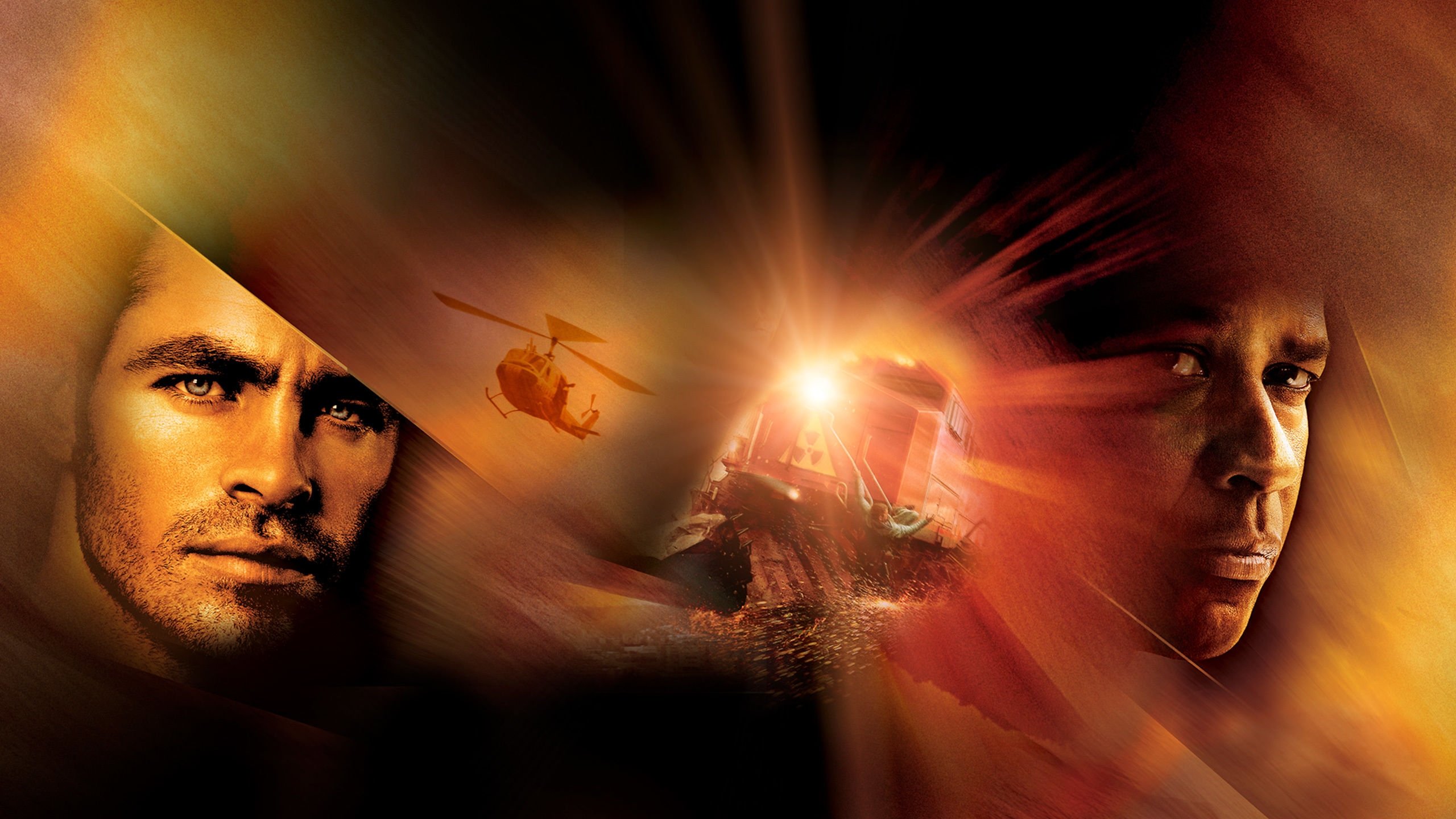
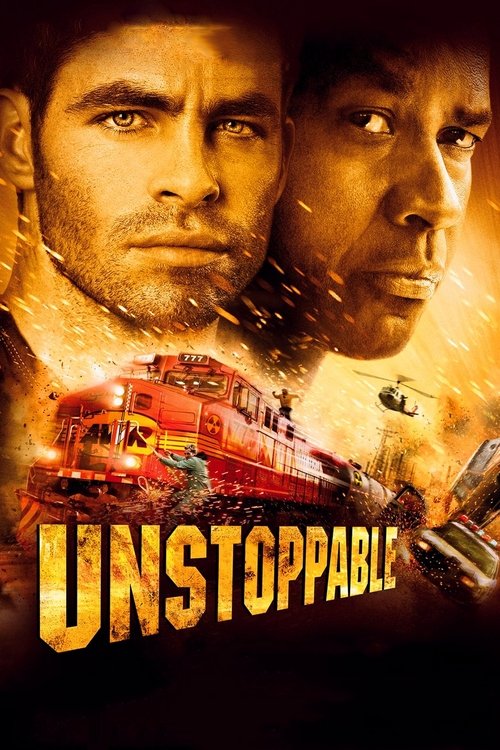
Unstoppable
Tony Scott’s late-career freight-train thriller proves how much exhilaration can come from labor, momentum, and split-second practical decision-making.
Latest video signal
Trailer slot ready
A widescreen slot for the newest official trailer, interview, or scene signal when the page has a playable source.
Why it matters
Unstoppable matters because it strips Tony Scott back to essentials without losing his heat. The movie is about rail workers, procedure, runaway velocity, and the stubborn competence required to prevent catastrophe, which makes it one of his cleanest arguments for action cinema as blue-collar pressure craft.
Craft read
A runaway-train setup reduced to pursuit, improvisation, and escalating logistics
Urgent, muscular, and surprisingly warm about everyday professionalism
A late Tony Scott high point that shows how lean action design can still feel huge
Themes
Cast and context
runaway train • blue-collar heroics • disaster • speed • railroad
Coverage status
A fully shaped Cinema One case: the movie has enough authored context, pathway links, and argument to feel like more than a catalog entry.
Production notes
- • Scott gets enormous value out of geography and machinery, making rail lines, switches, and distance updates feel tactile instead of abstract.
- • Denzel Washington and Chris Pine give the movie its emotional center by playing wary professionalism rather than action-hero invincibility.
- • A key Cinema One page because it broadens the Tony Scott lane from pure style into movies about work, systems, and earned heroism.
Watch-next pathway
What should you do after Unstoppable?
Three intentional continuations: stay with the filmmaker, chase the dominant pressure signal, or jump into the shelf or argument that best explains why this movie belongs here.
True Romance
The cleanest next move if Tony Scott's control, obsessions, or rhythm are what hooked you here.
More labor
Use the taste map to find movies, arguments, and shelves that share this page's strongest signal.
Tension Machines
Command decisions, brinkmanship, pressure, and movies that tighten the screws scene by scene.
Movie-page argument
Defend Unstoppable.
If this movie has a scene, performance, ending, or idea people underrate, make the case. The best defenses can become future Cinema One argument material.
Scene challenge
Pick the scene that proves it.
Cinema One is built around scenes that unlock the movie. Tell us which moment carries the pressure, style, argument, or rewatch charge.
Signature scene: the moving jump onto the train turns ordinary courage into the whole spectacle
Unstoppable peaks when the movie reduces heroism to timing, nerve, and body risk. Scott stages the attempt to board the train with enough clarity that the sequence feels thrilling not because it is superhuman, but because it is barely human enough to be possible.
Line worth carrying forward
"You’re not gonna stop until you hit the ocean, are you?" works because it gives the runaway train a personality without turning the movie silly. The line captures the film’s pleasure in treating industrial malfunction like a living adversary.
Why the ending feels earned
The ending lands because Unstoppable understands that victory here is not mythic conquest but work done under pressure. Scott pays off the movie by letting competence, trust, and physical risk solve the problem, which gives the finale a satisfying plainspoken dignity.
Steelman the debate
A fair critique is that Unstoppable can seem too straightforward beside Scott’s more flamboyant films, a stripped-down crowd-pleaser without the feverish stylistic overload some viewers most associate with him. The best defense is that the simplicity is the revelation. Scott proves he can make labor, machinery, and procedure feel electrically alive with almost nothing wasted.
More from this director
Read next
Tony Scott’s runaway-train thriller works because it treats labor, timing, and practical nerve as a full spectacle system instead of background realism.
Tony Scott’s submarine thriller hits so hard because every command decision feels like a moral argument with launch codes attached.
What makes Man on Fire hit is not just vengeance. It is the way Tony Scott turns a broken protector’s inner damage into the movie’s whole visual weather system.