
Top Gun
Find the movies with rewatch gravity, live dossiers, and unfinished cases worth deepening.
Movie dossier
Top Gun
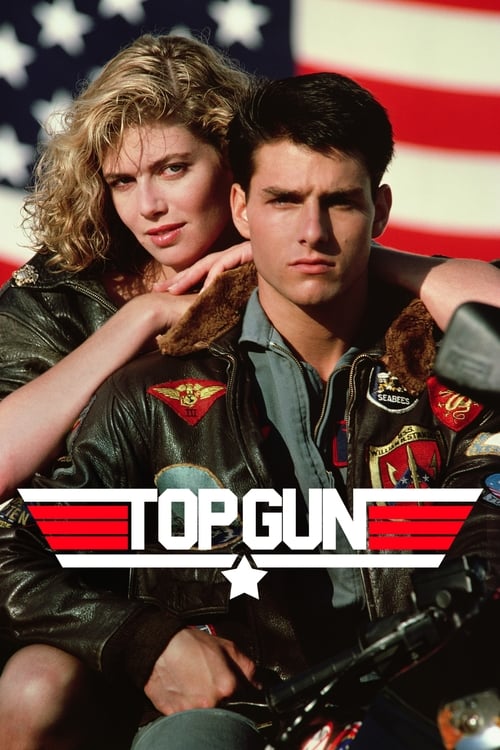
Tony Scott turns fighter-pilot competition into a blazing machine for star image, velocity, and rivalry.
Latest video signal
Trailer slot ready
A widescreen slot for the newest official trailer, interview, or scene signal when the page has a playable source.
Why it matters
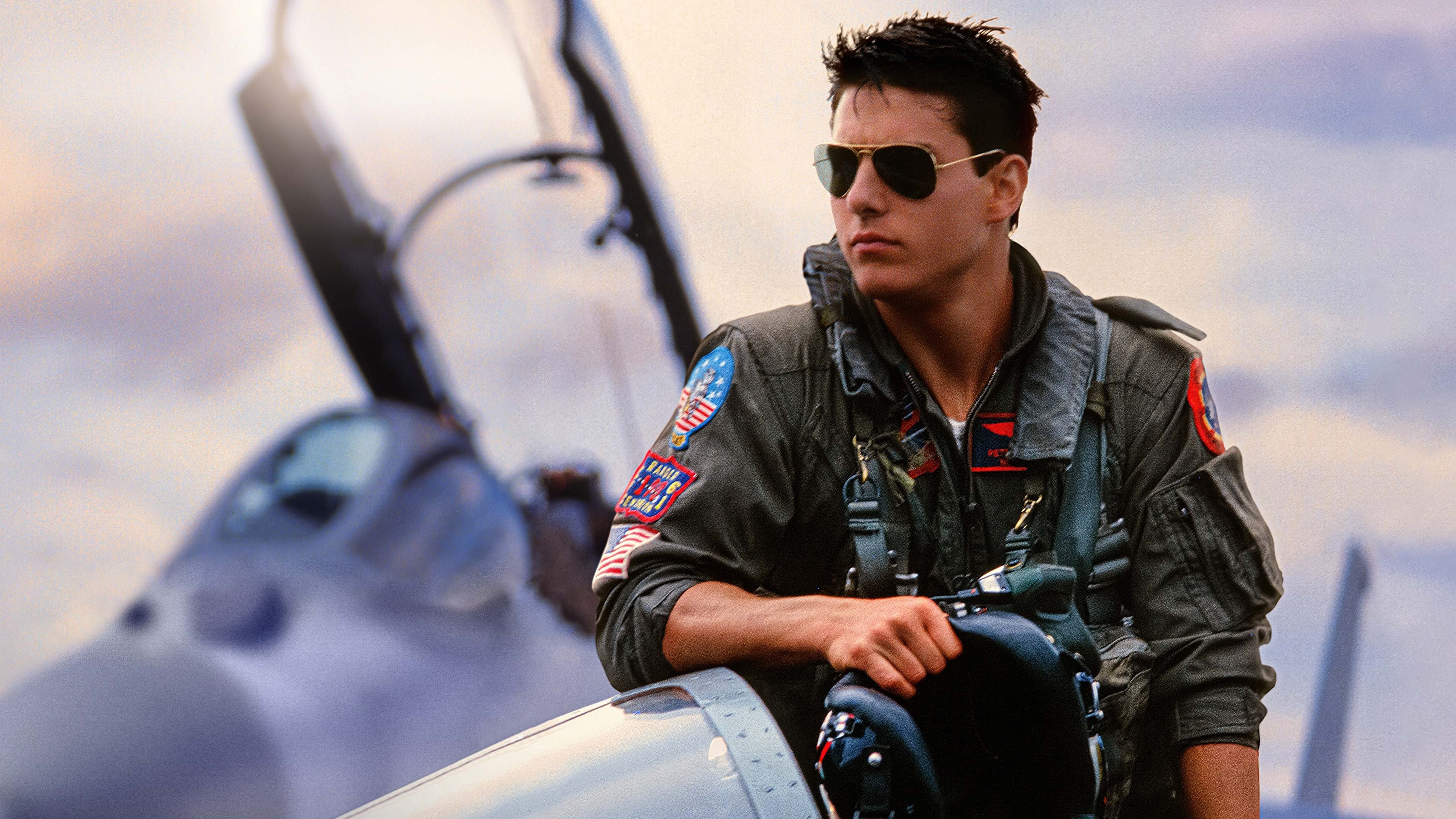
Top Gun matters because it is one of the clearest examples of style becoming the whole delivery system. Scott makes military spectacle, erotic competition, and pop-myth coolness all hit at once, turning what could have been recruitment fluff into a full-scale image object with real propulsion.
Craft read
Aerial action built around speed, rivalry, and movie-star charisma
Hot, glossy, competitive, and unabashedly mythic
A template for how action movies can sell sensation as identity
Themes
Cast and context
fighter pilots • competition • naval aviation • aerial combat • Tony Scott
Coverage status
A strong case file with real editorial shape: enough craft, context, and connection to guide a serious watch.
Production notes
- • The movie works because Scott understands that image, motion, and attitude can carry as much narrative weight as plot mechanics.
- • Cruise and Kilmer give the rivalry a clean movie-star voltage, while the flying footage keeps turning skill into spectacle.
- • A crucial Cinema One title because it broadens the Tony Scott lane beyond pressure thrillers into pure propulsion cinema.
Watch-next pathway
What should you do after Top Gun?
Three intentional continuations: stay with the filmmaker, chase the dominant pressure signal, or jump into the shelf or argument that best explains why this movie belongs here.
True Romance
The cleanest next move if Tony Scott's control, obsessions, or rhythm are what hooked you here.
More competition
Use the taste map to find movies, arguments, and shelves that share this page's strongest signal.
A useful reminder that action movies can build a whole identity system out of speed, rivalry, and star image.
Use this for star-vehicle arguments, competition cinema, and cases where style is the dramatic substance.
Movie-page argument
Defend Top Gun.
If this movie has a scene, performance, ending, or idea people underrate, make the case. The best defenses can become future Cinema One argument material.
Scene challenge
Pick the scene that proves it.
Cinema One is built around scenes that unlock the movie. Tell us which moment carries the pressure, style, argument, or rewatch charge.
Signature scene: the first major dogfight sells speed as personality
What makes the aerial sequences stick is not only technical excitement. Scott shoots them so that maneuver, bravado, and danger all feel like extensions of character. The action is not separate from the rivalry. It is the rivalry made visible.
Line worth carrying forward
“I feel the need, the need for speed.” The line survives because it reduces the whole movie to appetite, ego, and motion in one instantly repeatable hit.
Why the ending lands
The ending works because Top Gun knows its real satisfaction is not realism or depth of policy context. It is the feeling that skill, nerve, grief, and competitive identity have finally aligned under pressure.
Steelman the debate
A fair critique is that Top Gun can feel like a slick fantasy machine selling military cool more aggressively than character complexity. The strongest defense is that the slickness is exactly the movie’s artistic method. Scott is building an image-world where speed, rivalry, and danger become their own emotional logic.
Shows up in
Collection pathway still being shaped.
More from this director
Related picks
Read next
Tony Scott’s hit is more than a recruiting-poster object. It is a pure movie-star and rivalry machine built out of motion, heat, and attitude.
Tony Scott’s runaway-train thriller works because it treats labor, timing, and practical nerve as a full spectacle system instead of background realism.
What makes Man on Fire hit is not just vengeance. It is the way Tony Scott turns a broken protector’s inner damage into the movie’s whole visual weather system.