
Enemy of the State
Find the movies with rewatch gravity, live dossiers, and unfinished cases worth deepening.
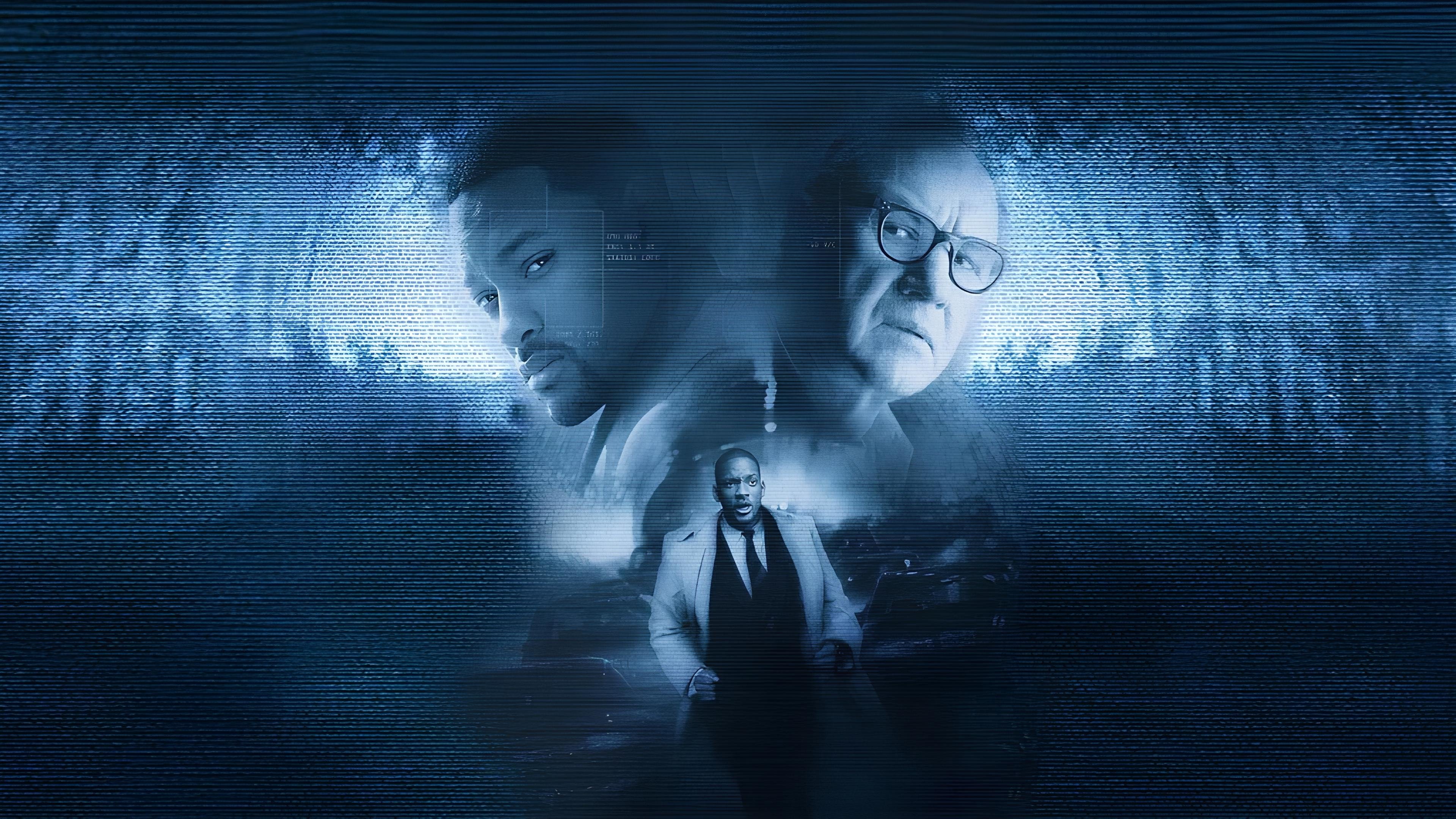
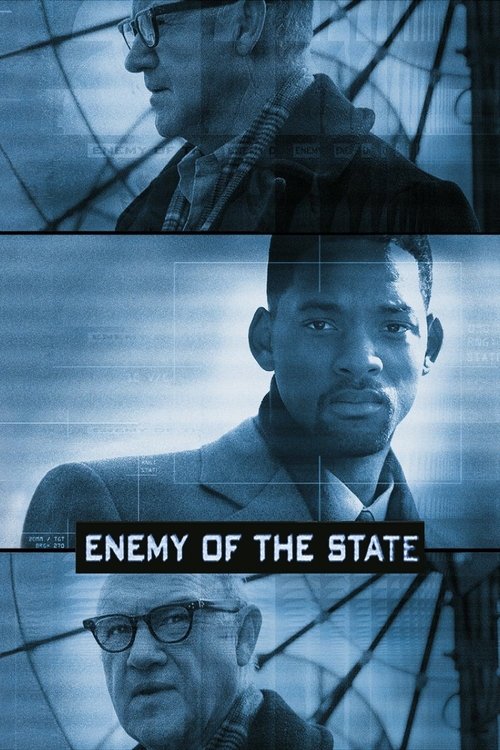
Movie dossier
Enemy of the State
Tony Scott turns surveillance panic into a sprint, years before digital paranoia became ordinary.
Latest video signal
Trailer slot ready
A widescreen slot for the newest official trailer, interview, or scene signal when the page has a playable source.
Why it matters
Enemy of the State matters because it sits at the crossroads of star charisma, conspiracy-thriller propulsion, and institutional dread. Scott makes the movie move like a chase picture, but the deeper charge comes from how quickly ordinary life collapses once a system decides someone is disposable.
Craft read
Conspiracy thriller built on constant escalation, interception, and pursuit
Will Smith momentum fused to Scott’s wired surveillance style
A pre-9/11 studio thriller that now reads like a blueprint for networked paranoia
Themes
Cast and context
surveillance • government conspiracy • man on the run • privacy • technology
Coverage status
A fully shaped Cinema One case: the movie has enough authored context, pathway links, and argument to feel like more than a catalog entry.
Production notes
- • The movie’s big achievement is making data systems feel cinematic before that language had fully become mainstream thriller shorthand.
- • Will Smith gives the film accessibility and speed, while Gene Hackman adds a paranoid lineage that quietly links it back to The Conversation.
- • A strong Cinema One page because it helps Tony Scott’s lane connect directly to surveillance, tech fear, and state-power curation.
Watch-next pathway
What should you do after Enemy of the State?
Three intentional continuations: stay with the filmmaker, chase the dominant pressure signal, or jump into the shelf or argument that best explains why this movie belongs here.
True Romance
The cleanest next move if Tony Scott's control, obsessions, or rhythm are what hooked you here.
More surveillance
Use the taste map to find movies, arguments, and shelves that share this page's strongest signal.
Paranoia Machines
Containment, distrust, infiltration, and movies that trap characters inside systems they can no longer verify.
Movie-page argument
Defend Enemy of the State.
If this movie has a scene, performance, ending, or idea people underrate, make the case. The best defenses can become future Cinema One argument material.
Scene challenge
Pick the scene that proves it.
Cinema One is built around scenes that unlock the movie. Tell us which moment carries the pressure, style, argument, or rewatch charge.
Signature scene: the first full-system takedown of Dean’s life sells the premise instantly
Enemy of the State becomes frightening when the movie shows just how fast reputation, employment, finances, and mobility can all be attacked at once. Scott stages the collapse with enough speed that the audience feels what Dean feels: not confusion alone, but total loss of footing.
Line worth carrying forward
“The only privacy that’s left is the inside of your own head.” The line lands because the movie treats it less like clever dialogue than a diagnosis. It is the thesis of the whole paranoia machine.
Why the ending still satisfies
The ending works because the movie knows a paranoia thriller needs exposure and retaliation, not just escape. Scott closes the loop by letting institutional arrogance implode in public, turning hidden power back into spectacle where the audience can finally watch it lose control.
Steelman the debate
A fair critique is that Enemy of the State simplifies state surveillance into a glossy studio chase package, sacrificing nuance for velocity and easy catharsis. The best defense is that velocity is exactly what gives the warning force. Scott shows how overwhelming systems feel from the level of the person being targeted, and that experiential panic is the movie’s real argument.
More from this director
Related picks
Read next
Tony Scott’s thriller still moves because it understands how terrifying it is when a system can rewrite your life faster than you can explain yourself.
Tony Scott’s runaway-train thriller works because it treats labor, timing, and practical nerve as a full spectacle system instead of background realism.
Tony Scott’s submarine thriller hits so hard because every command decision feels like a moral argument with launch codes attached.