
Crimson Tide and the Art of Turning Procedure Into Suspense
Tony Scott’s submarine thriller hits so hard because every command decision feels like a moral argument with launch codes attached.
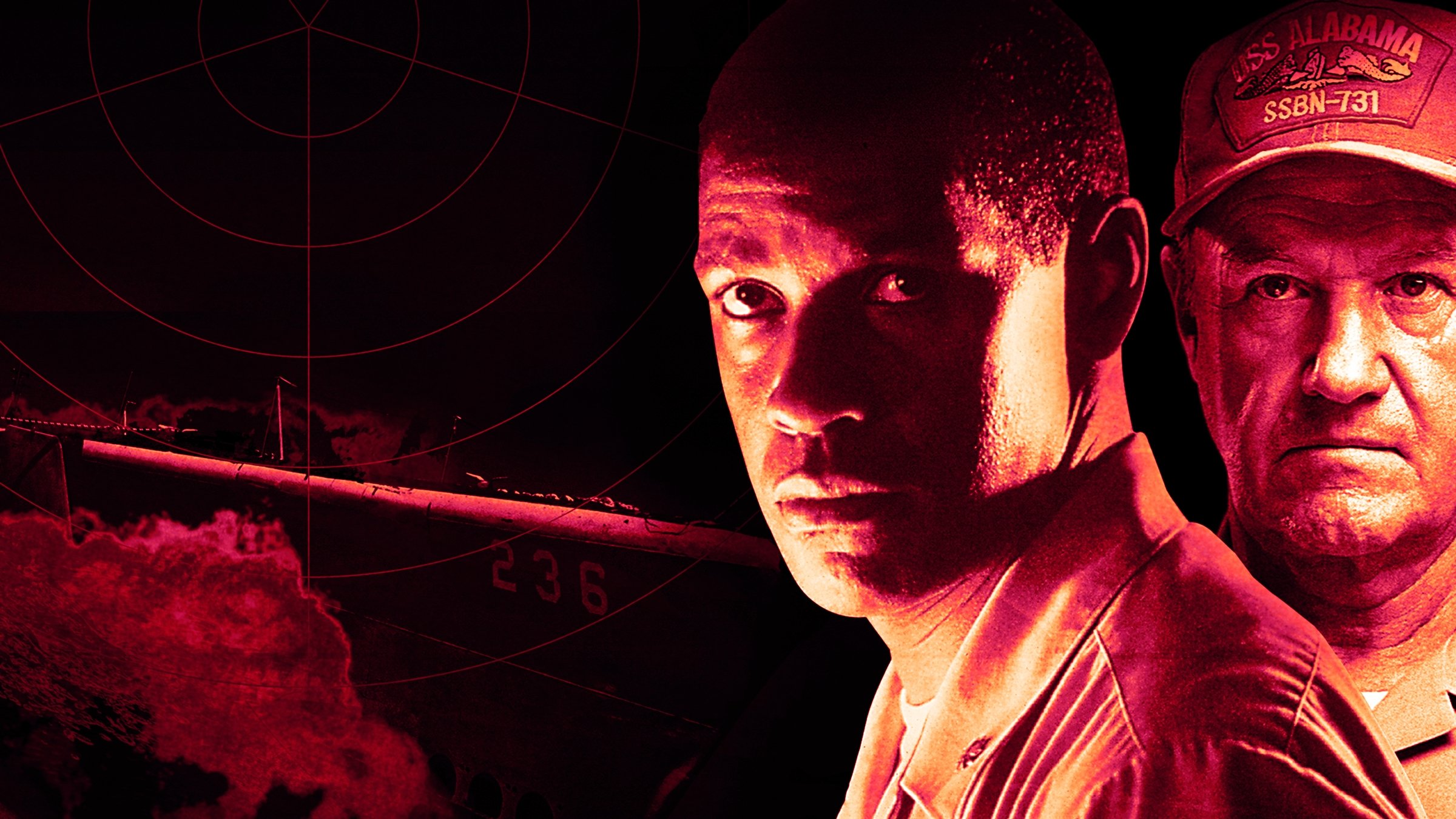
Crimson Tide is one of the best examples of a movie understanding that tension does not require chaos. Tony Scott takes one cramped military environment, one partially received order, and two men who understand duty differently, then squeezes all the drama he can out of discipline under pressure.
Command as Character
Gene Hackman and Denzel Washington are not just playing opposite ranks. They are playing opposite beliefs about leadership. Hackman projects certainty as a survival tool, while Washington treats restraint and verification as part of the same duty. The movie gets most of its electricity from refusing to make that disagreement simple.
Why the Dialogue Hits Like Action
Crimson Tide is full of lines, interruptions, repeated orders, and chain-of-command friction, but it never feels static. Scott stages speech as impact. Every exchange carries the possibility that one sentence will move the submarine, the crew, and the world closer to disaster.
A Pressure Machine Built on Respect and Defiance
What gives the movie staying power is that it understands respect as unstable under extreme stakes. The men do not merely dislike each other. They recognize each other, which makes every act of resistance sharper and every concession harder won.
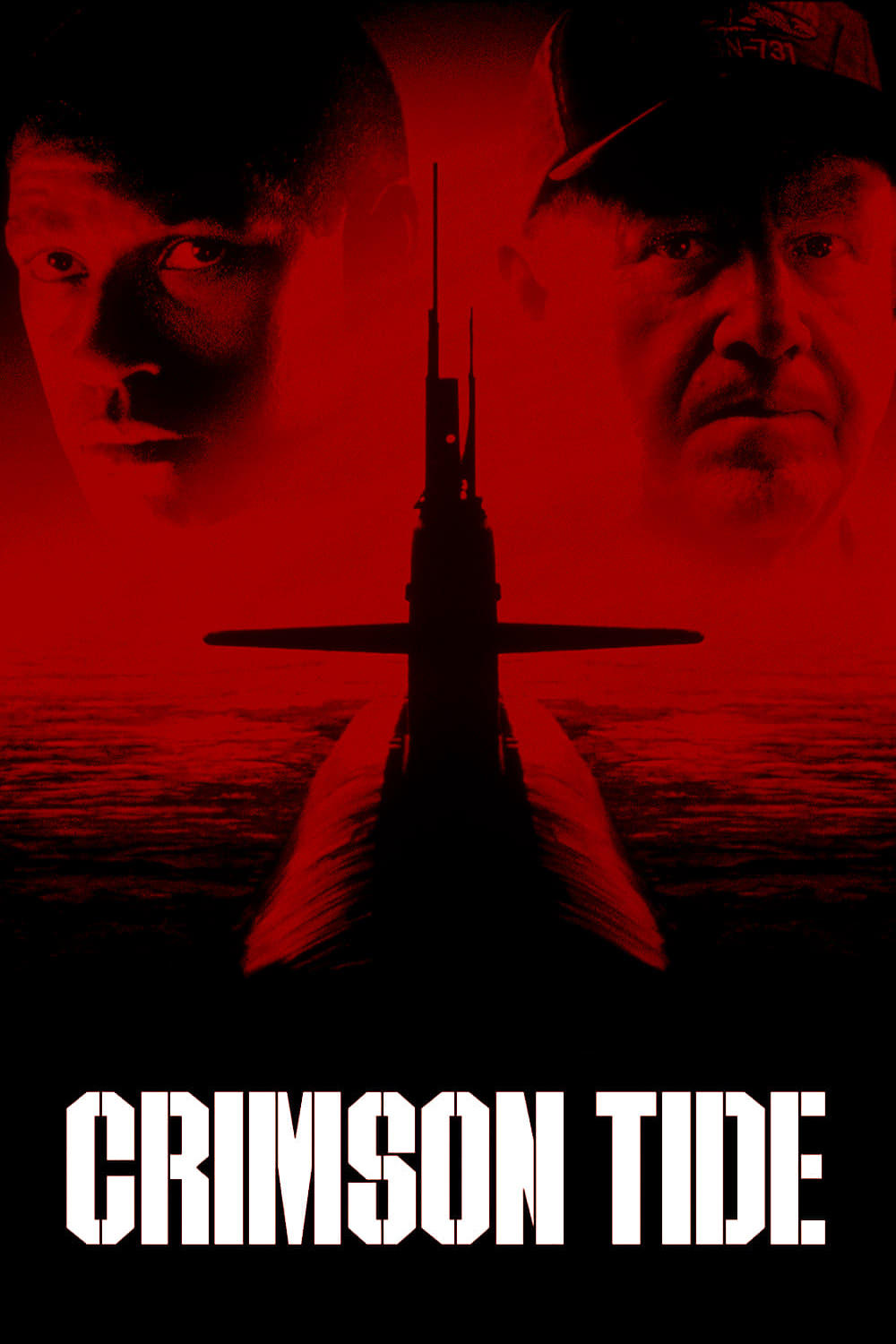
Crimson Tide
1995 • Tony Scott
Danger runs deep.
Movies to pair with this read

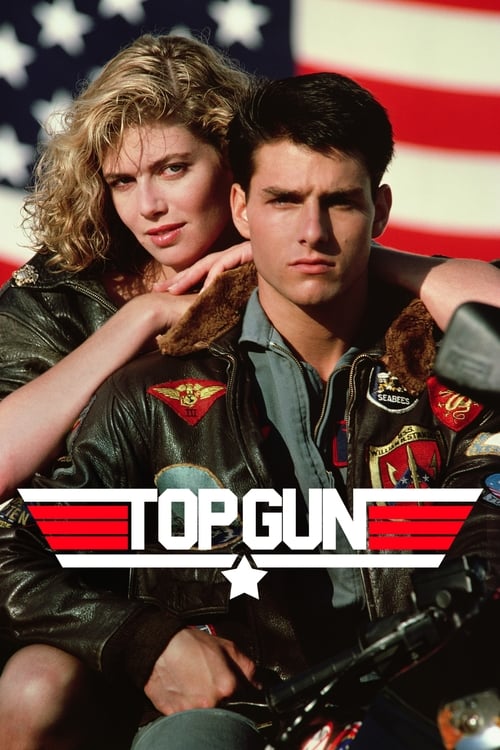


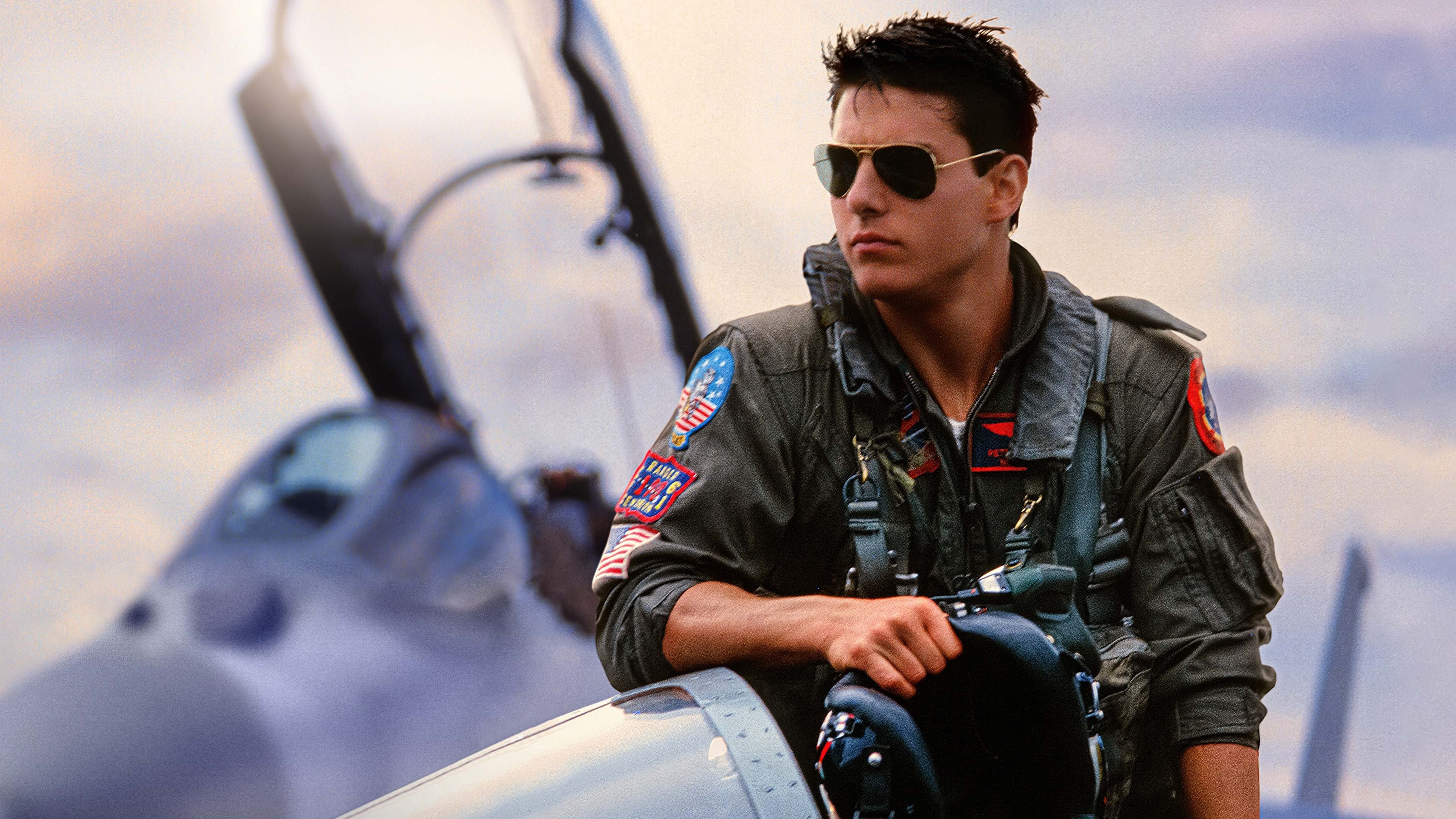
Top Gun and the Moment Action Cinema Learned to Sell Speed as Personality
Tony Scott’s hit is more than a recruiting-poster object. It is a pure movie-star and rivalry machine built out of motion, heat, and attitude.

True Romance and the Miracle of Making Recklessness Feel Tender
Tony Scott’s lovers-on-the-run movie still feels special because it never treats style and sincerity as enemies.
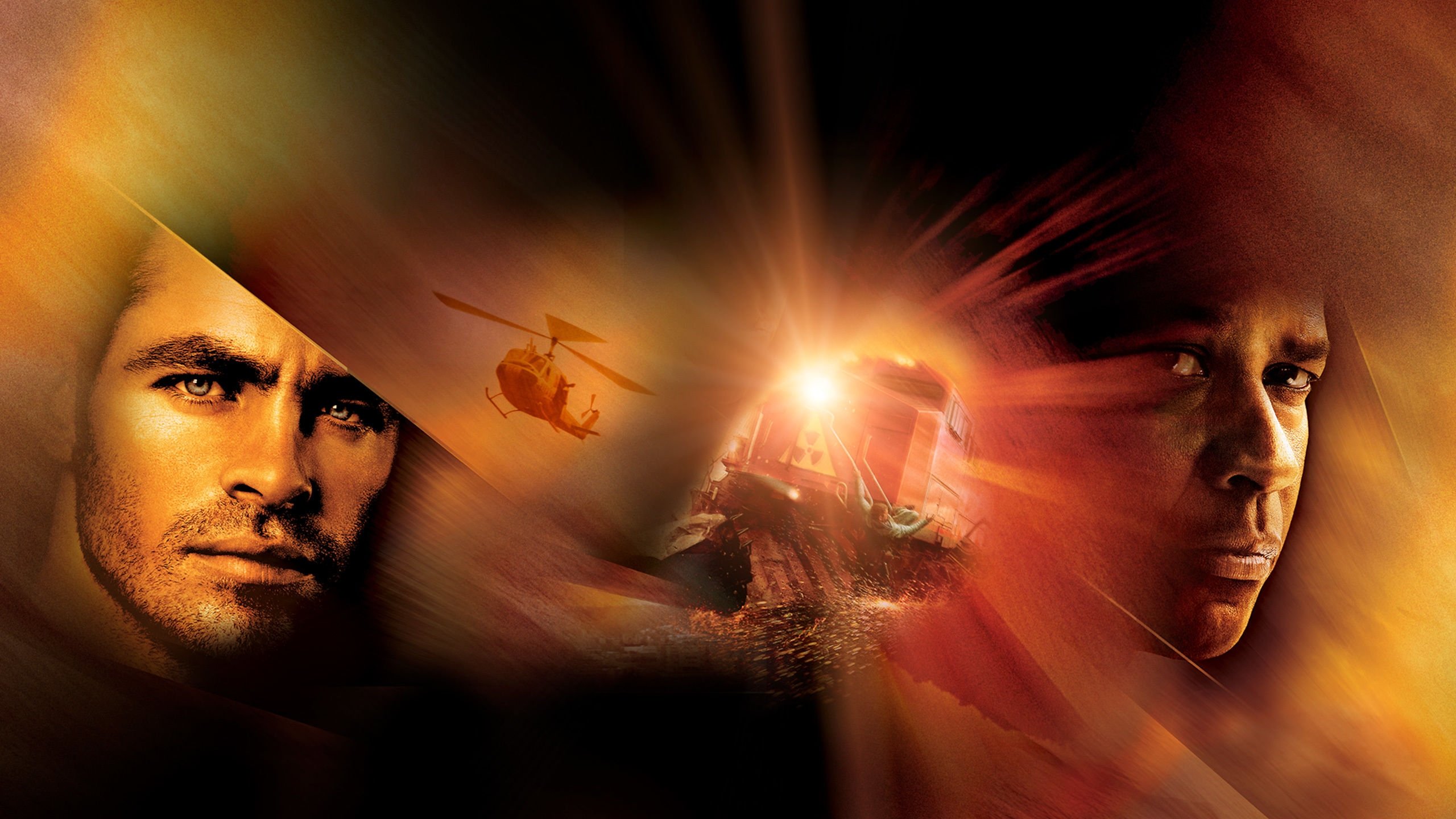
Unstoppable and the Pleasure of Watching Professionals Beat the Clock
Tony Scott’s runaway-train thriller works because it treats labor, timing, and practical nerve as a full spectacle system instead of background realism.
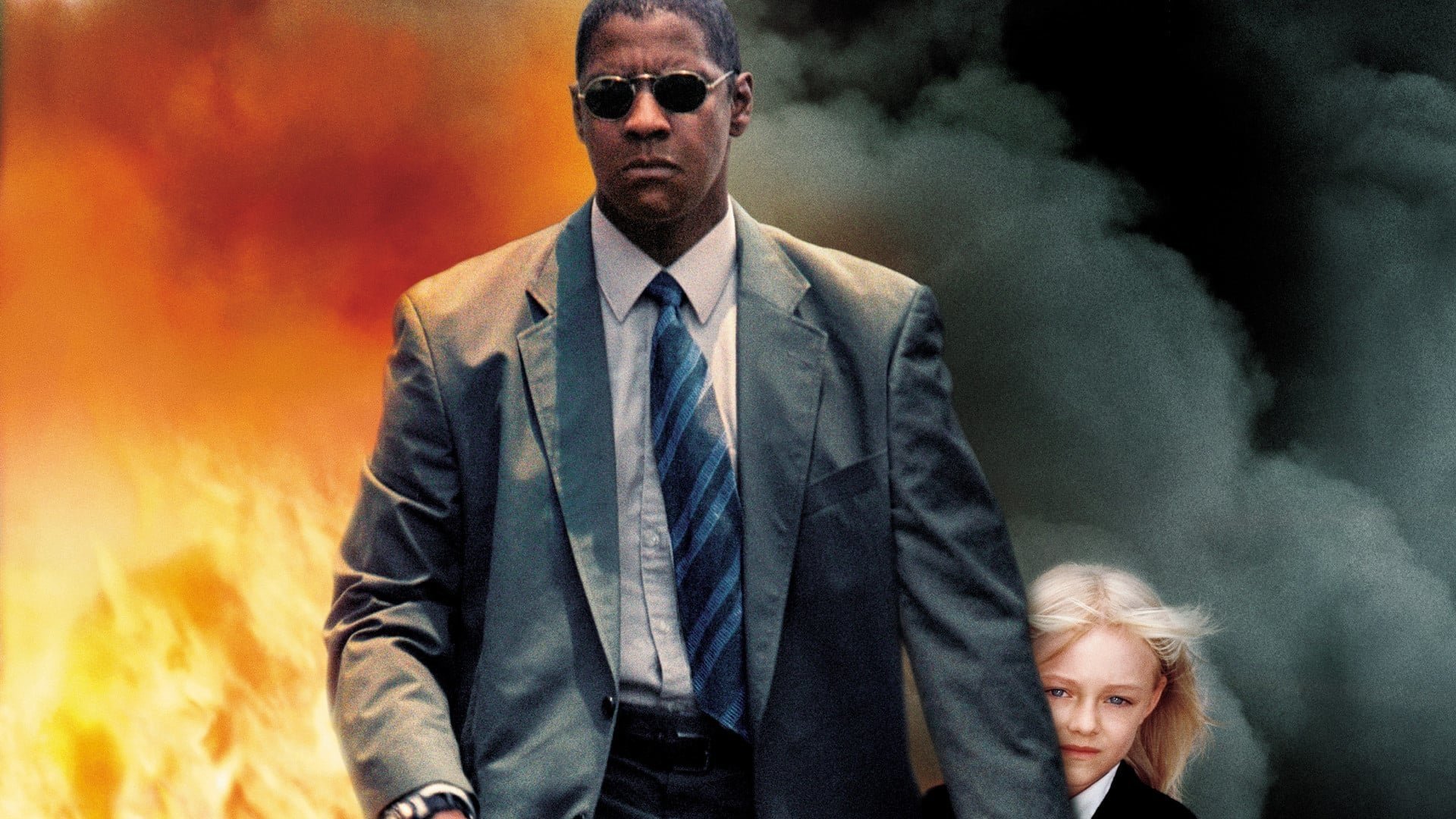
Man on Fire: Tony Scott’s Revenge Movie as Grief Event
What makes Man on Fire hit is not just vengeance. It is the way Tony Scott turns a broken protector’s inner damage into the movie’s whole visual weather system.