Point Break
Find the movies with rewatch gravity, live dossiers, and unfinished cases worth deepening.
Movie dossier
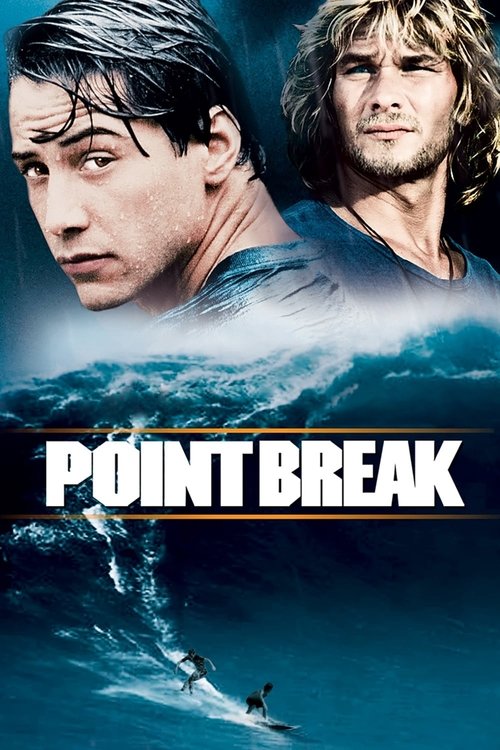
Point Break
Kathryn Bigelow turns surf-cop pulp into a beautiful machine about adrenaline, loyalty, and men chasing the next impossible edge.
Latest video signal
Trailer slot ready
A widescreen slot for the newest official trailer, interview, or scene signal when the page has a playable source.
Why it matters
Point Break matters here because it proves Bigelow could make a studio action movie feel mythic without sanding off the danger. The undercover premise is clean genre machinery, but the charge is emotional: Johnny Utah is supposed to infiltrate Bodhi’s crew, then discovers the case is also a seduction by risk, charisma, and a version of freedom that keeps demanding bigger sacrifices.
Craft read
Undercover crime thriller fused to surf myth, chase grammar, and extreme-sport ritual
Utah has to solve the case while wanting the life, the crew, and the person he is supposed to bring down
The pleasure is watching Bigelow turn every action beat into a test of appetite rather than just plot
Themes
Cast and context
undercover • surfing • bank robbery • adrenaline • kathryn bigelow • keanu reeves • patrick swayze
Coverage status
A strong case file with real editorial shape: enough craft, context, and connection to guide a serious watch.
Production notes
- • AFI frames the film as Bigelow’s fusion of crime and extreme sports, which is exactly why it still plays differently from ordinary cops-and-robbers action.
- • Skydiving photographer Tom Sanders recalled that Patrick Swayze pushed for extra aerial material after the studio-approved footage because he wanted the sequence to feel better, a useful reminder that the movie’s cult charge comes from physical commitment, not just attitude.
- • The movie works because Bigelow treats Bodhi’s philosophy seriously enough to seduce the audience, then keeps showing the bill that his freedom fantasy hands to everyone around him.
Watch-next pathway
What should you do after Point Break?
Three intentional continuations: stay with the filmmaker, chase the dominant pressure signal, or jump into the shelf or argument that best explains why this movie belongs here.
The Hurt Locker
The cleanest next move if Kathryn Bigelow's control, obsessions, or rhythm are what hooked you here.
More adrenaline
Use the taste map to find movies, arguments, and shelves that share this page's strongest signal.
Rewatchables
Movies built for return visits, momentum, quotability, texture, and pure replay value.
Movie-page argument
Defend Point Break.
If this movie has a scene, performance, ending, or idea people underrate, make the case. The best defenses can become future Cinema One argument material.
Scene challenge
Pick the scene that proves it.
Cinema One is built around scenes that unlock the movie. Tell us which moment carries the pressure, style, argument, or rewatch charge.
Signature scene: the foot chase turns pursuit into identity collapse
The backyard-and-alley foot chase is the movie’s operating system in miniature. Utah is not just chasing a suspect; he is chasing the version of himself that Bodhi has awakened. Bigelow stages the sequence as exhaustion, speed, fences, dogs, streets, and bad choices, then lands on the gunshot into the air: the exact moment professional duty loses to emotional recognition.
Line worth carrying forward
“Fear causes hesitation, and hesitation will cause your worst fears to come true.” Bodhi sells it like surf wisdom, but the movie keeps complicating it. The line is both the high and the poison: a seductive rule for action that also explains why these characters cannot stop escalating.
Why the ending earns its storm
The final beach scene works because Utah does not really beat Bodhi; he understands him too late and lets the myth finish itself. The wave is not an escape hatch. It is Bigelow giving Bodhi the only ending he has been auditioning for all movie, while Utah is left with the cost of having admired him.
Steelman the debate
A fair knock is that Point Break can sound ridiculous if you quote the philosophy cold. The defense is that Bigelow knows that. She makes the sincerity, the pulp, and the danger occupy the same wave, which is why the movie survives as both a genre rush and a strange little tragedy about charisma weaponized as freedom.
Shows up in
Movies built for return visits, momentum, quotability, texture, and pure replay value.
Owned-shelf movies where the pleasure is watching capable people read rooms, rules, bodies, and consequences under pressure.
Women-directed films where genre, image, bodies, and self-invention become pressure systems instead of soft-focus sidebars.
More from this director
Related picks
Read next
Fincher’s Dragon Tattoo remake endures because research, pattern recognition, and bruised trust become as gripping as any chase scene.
Panic Room works because Fincher turns walls, sightlines, and delays into the whole suspense engine instead of treating them as setup for louder thrills.
Fincher’s luxury paranoia machine still lands because every escalation turns wealth, control, and self-protection into liabilities instead of armor.