
Zero Dark Thirty
Find the movies with rewatch gravity, live dossiers, and unfinished cases worth deepening.
Movie dossier
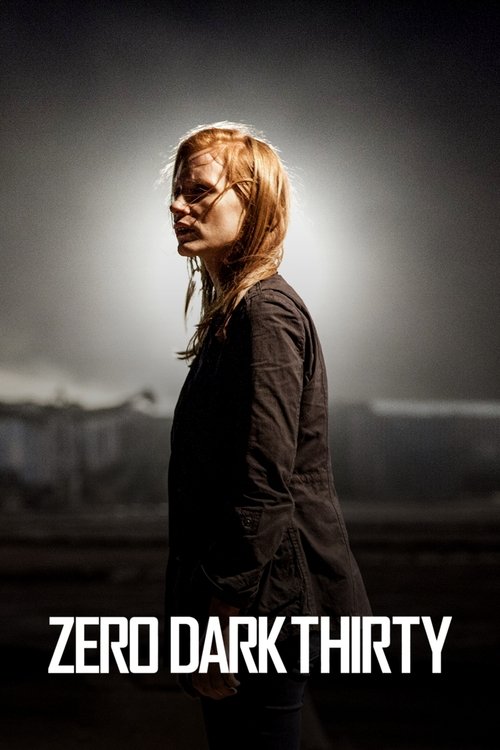
Zero Dark Thirty
Kathryn Bigelow turns the bin Laden hunt into a case-file thriller where procedure becomes obsession.
Latest video signal
Trailer slot ready
A widescreen slot for the newest official trailer, interview, or scene signal when the page has a playable source.
Why it matters
Zero Dark Thirty matters here because it is not a victory-lap movie. It is a pressure-room procedural stretched across a decade, following how fragments become certainty and how certainty can hollow out the person carrying it. Bigelow and Mark Boal make the known ending increase the tension: every office, detainee room, convoy, and false lead becomes another test of whether the system can recognize the signal before the signal consumes Maya.
Craft read
A decade-long intelligence hunt shaped as procedure, obsession, and attrition
State power, moral compromise, and command doubt compressed into case-file momentum
Greig Fraser’s low-light digital work and the raid’s tactical geography keep spectacle disciplined
Themes
Cast and context
cia • manhunt • procedure • obsession • raid • kathryn bigelow • jessica chastain
Coverage status
A strong case file with real editorial shape: enough craft, context, and connection to guide a serious watch.
Production notes
- • Bigelow and Boal built suspense around a known historical outcome by treating the investigation as process: leads, rooms, names, missed signals, and institutional resistance.
- • Cinematographer Greig Fraser told The Credits the script made office-to-office procedure feel gripping before the camera added flourish, which explains why the movie can make analysis feel like action.
- • fxguide detailed how the raid sequence used full-sized stealth-helicopter builds, real helicopter reference, dust interaction, and Image Engine VFX to keep the climax tactile rather than weightless.
Watch-next pathway
What should you do after Zero Dark Thirty?
Three intentional continuations: stay with the filmmaker, chase the dominant pressure signal, or jump into the shelf or argument that best explains why this movie belongs here.
The Hurt Locker
The cleanest next move if Kathryn Bigelow's control, obsessions, or rhythm are what hooked you here.
More obsession
Use the taste map to find movies, arguments, and shelves that share this page's strongest signal.
Tension Machines
Command decisions, brinkmanship, pressure, and movies that tighten the screws scene by scene.
Movie-page argument
Defend Zero Dark Thirty.
If this movie has a scene, performance, ending, or idea people underrate, make the case. The best defenses can become future Cinema One argument material.
Scene challenge
Pick the scene that proves it.
Cinema One is built around scenes that unlock the movie. Tell us which moment carries the pressure, style, argument, or rewatch charge.
Cinema One case file
The argument this page is making
The movie keeps asking whether certainty is judgment, obsession, or institutional survival instinct.
Watch it as procedure becoming character: Maya is built out of files, rooms, courier names, and refusals until the case has nowhere else to live.
The action is disciplined because the film treats geography, light, sound, and silence as command-pressure tools rather than patriotic punctuation.
Production file
How the movie became this object
The compound is a working map, not a climax backdrop
The raid lands because the house behaves like researched geography. LA Times reporting described Bigelow rebuilding the Abbottabad compound as a complete structure in the Jordanian desert instead of treating it as disconnected stage pieces, which lets the SEAL movement feel like professionals reading a real floor plan under almost no margin for theatrical release.
Night vision turns spectacle into restraint
The Credits interview with Greig Fraser is the useful rewatch key: the raid is not lit to flatter action bodies. The green image, low light, dust, and limited visual information make the viewer work inside the same tactical uncertainty the scene is staging, so the climax feels colder and more procedural than triumphant.
The office scenes are action before the helicopters arrive
Fraser also framed the movie as a procedural whose office-to-office movement was already gripping on the page. That matters because Zero Dark Thirty does not suddenly become cinema at Abbottabad; the raid is the final physical expression of years of rooms, meetings, files, courier fragments, and people deciding whether a signal is strong enough to risk history on.
Scene architecture
The moments that change the machine
Detainee rooms: moral damage enters the machinery early
The opening interrogation passages are deliberately hard to file away as clean information-gathering. They make the movie’s biggest argument uncomfortable from the start: state procedure can produce leads, lies, bodies, denial, and contamination at the same time.
The courier board: a thriller built from names that might not hold
The middle stretch works because Bigelow makes uncertainty procedural. Every alias, videotape, dead end, and meeting keeps tightening the same question: when does a fragment become enough evidence for command to move?
The raid: release withheld until the mission is already over
Abbottabad is staged less like an action payoff than a sequence of controlled thresholds: wall, door, stair, hallway, room, body, confirmation. The emotional release is delayed so long that when it finally arrives, it has already curdled into exhaustion.
Signature scene: the Abbottabad raid withholds release until procedure becomes breath control
The raid works because Bigelow refuses to turn it into clean action catharsis. The scene is quiet, tactical, almost anti-musical: doors, stairs, whispers, sightlines, and night-vision images replace hero punctuation. The audience knows where the sequence is going, but the suspense sits in execution, uncertainty, and the awful calm of professionals moving through a house where history has become a floor plan.
Line worth carrying forward
“I’m the motherfucker that found this place.” The line lands because it is not swagger alone. It is Maya trying to force an institution to accept the shape of her certainty after years of being asked to dilute it.
Why the ending refuses easy victory
The final airplane shot is the movie’s verdict. Maya has won the case and lost the structure that gave her life meaning. Bigelow leaves her with space, silence, and nowhere obvious to put the obsession, which is why the ending feels less like closure than decompression after pressure damage.
Steelman the debate
The hard critique is that the movie risks turning torture and state violence into fuel for procedural momentum. The best defense is that Bigelow does not offer comfort either: the film is cold, unresolved, and morally abrasive, asking viewers to sit with the machinery of the hunt rather than walk away with clean triumph.
Shows up in
Command decisions, brinkmanship, pressure, and movies that tighten the screws scene by scene.
Owned-shelf movies where the pleasure is watching capable people read rooms, rules, bodies, and consequences under pressure.
Women-directed films where genre, image, bodies, and self-invention become pressure systems instead of soft-focus sidebars.
More from this director
Related picks
Read next
Fincher’s Dragon Tattoo remake endures because research, pattern recognition, and bruised trust become as gripping as any chase scene.
Benjamin Button matters because Fincher treats the reverse-aging premise less like a trick than a way to make timing itself feel tragic.
Panic Room works because Fincher turns walls, sightlines, and delays into the whole suspense engine instead of treating them as setup for louder thrills.