Inglourious Basterds
Find the movies with rewatch gravity, live dossiers, and unfinished cases worth deepening.
Movie dossier
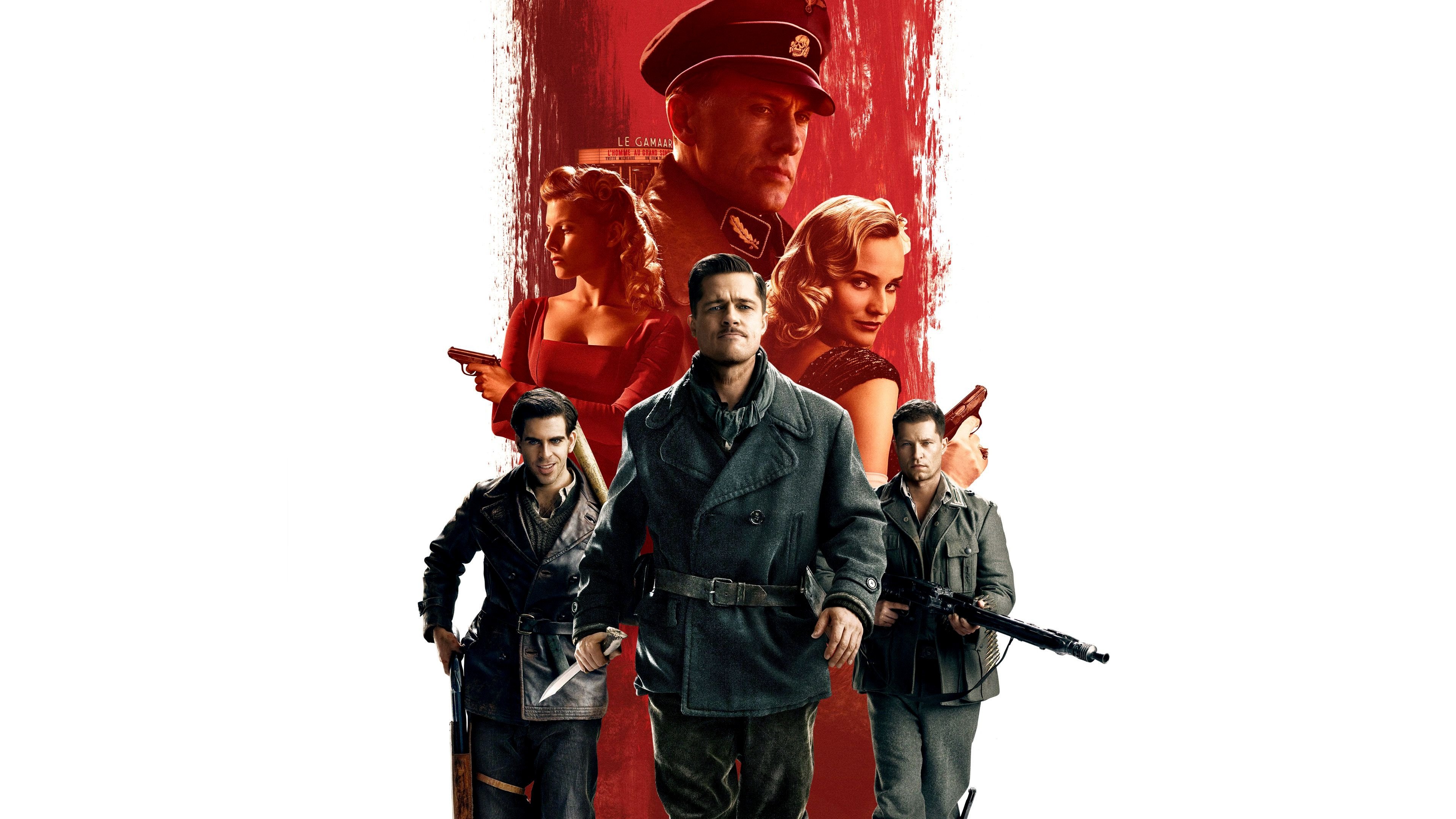
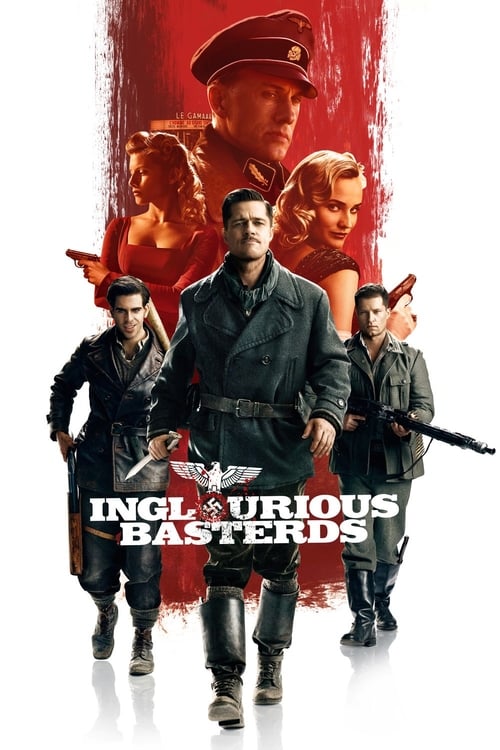
Inglourious Basterds
Alternate-history tension cinema built on language, waiting, and theatrical release.
Latest video signal
Trailer slot ready
A widescreen slot for the newest official trailer, interview, or scene signal when the page has a playable source.
Why it matters
Inglourious Basterds matters because Tarantino’s scene power is maybe nowhere clearer. It is a film of entrances, negotiations, and detonations.
Craft read
Dialogue as pressure chamber
Chapter film with multiple center-of-gravity performances
An audience movie built on dread before release
Themes
Cast and context
Coverage status
A fully shaped Cinema One case: the movie has enough authored context, pathway links, and argument to feel like more than a catalog entry.
Production notes
- • A major Tarantino page for the site’s scene-work and tension profile.
- • Christoph Waltz is a central engine, but the whole film thrives on scene design.
- • Should be a signature page later.
Watch-next pathway
What should you do after Inglourious Basterds?
Three intentional continuations: stay with the filmmaker, chase the dominant pressure signal, or jump into the shelf or argument that best explains why this movie belongs here.
Pulp Fiction
The cleanest next move if Quentin Tarantino's control, obsessions, or rhythm are what hooked you here.
More revenge
Use the taste map to find movies, arguments, and shelves that share this page's strongest signal.
Tension Machines
Command decisions, brinkmanship, pressure, and movies that tighten the screws scene by scene.
Movie-page argument
Defend Inglourious Basterds.
If this movie has a scene, performance, ending, or idea people underrate, make the case. The best defenses can become future Cinema One argument material.
Scene challenge
Pick the scene that proves it.
Cinema One is built around scenes that unlock the movie. Tell us which moment carries the pressure, style, argument, or rewatch charge.
Signature scene: the opening farmhouse sequence
The opening chapter is one of Tarantino’s clearest demonstrations of suspense through language. Every courtesy deepens the danger, and when violence comes it feels like the inevitable release of pressure.
Line worth carrying forward
"Au revoir, Shosanna" lands because it sounds polite while functioning like a curse. Tarantino understands that a line can carry tone, power, and memory all at once.
Why the ending is pure Tarantino
The finale is historical fantasy played as cathartic showmanship. It works because the whole movie has framed cinema itself as the weapon, so the ending feels like thesis and payoff at the same time.
Steelman the debate
A fair critique of Inglourious Basterds is that its historical fantasy can feel too pleased with its own revisionism. The strongest defense is that Tarantino is not pretending to replace history with fantasy. He is making a movie about cinema’s power to stage emotional justice it cannot deliver in real life.
More from this director
Related picks
Read next
Tarantino’s war fantasia works because the suspense is not built on firefights first. It is built on who can control the room, the accent, the cover story, and the next sentence.
Jackie Brown, Kill Bill: Vol. 2, The Hateful Eight, and Once Upon a Time in Hollywood all reveal a filmmaker getting more interested in aftermath, drift, and emotional residue than in pure pop detonation.
Django Unchained keeps provoking real argument because Tarantino binds romance, atrocity, comedy, and blood-soaked fantasy into one intentionally unstable western object.