
Django Unchained and the Dangerous Charge of Turning History Into Revenge Myth
Django Unchained keeps provoking real argument because Tarantino binds romance, atrocity, comedy, and blood-soaked fantasy into one intentionally unstable western object.
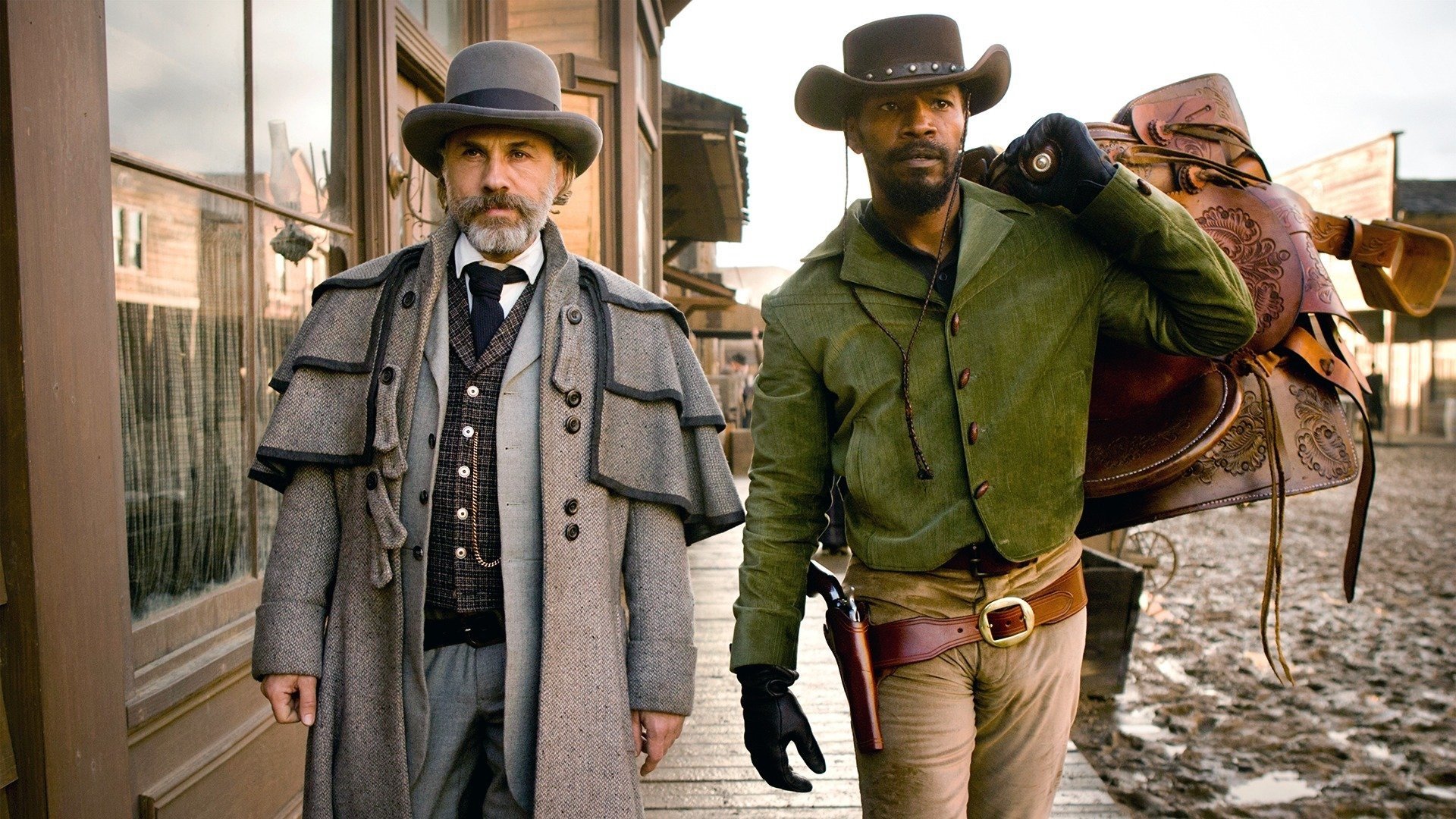
Django Unchained is one of Tarantino's most volatile movies because its pleasures and its provocations arrive inseparably. The film wants the rush of liberation, the swagger of genre performance, and the moral disgust of slavery to occupy the same cinematic field, which is why it keeps producing debate instead of consensus.
Performance as Counter-Weapon
Django survives by learning to act inside hostile systems. Costumes, speech, posture, aliases, and staging all become tactical tools, which gives the movie a fascinating overlap between western hero myth and the politics of forced role-play.
Why Schultz Matters
Christoph Waltz gives the film charm and momentum, but he also sharpens its instability. Schultz is part liberator, part impresario, part Tarantino mouthpiece, and the movie gets much of its energy from how useful and uncomfortable that combination can feel.
The Movie's Productive Risk
The film stays alive because it never settles into a single approved mode. It is funny, ugly, rousing, self-conscious, and morally slippery by design. Whether one sees that as daring or compromised, Django Unchained earns its place in serious conversation by refusing to become tidy prestige history.
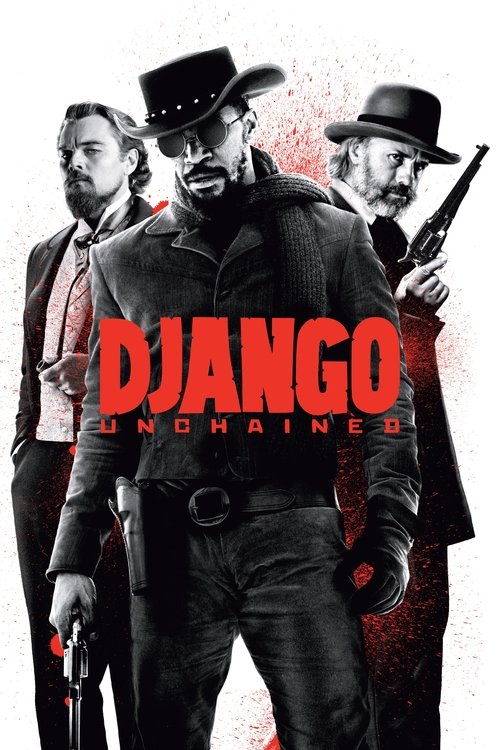
Django Unchained
2012 • Quentin Tarantino
Life, liberty and the pursuit of vengeance.



How Tarantino’s Later Films Trade Cool for Consequence
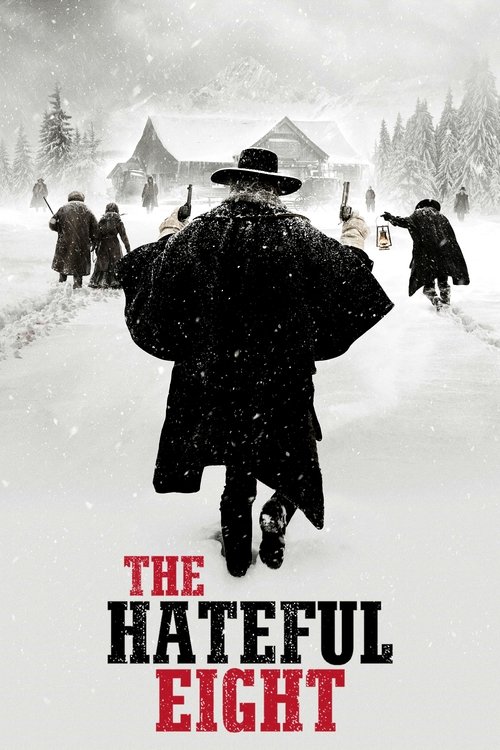
Jackie Brown, Kill Bill: Vol. 2, The Hateful Eight, and Once Upon a Time in Hollywood all reveal a filmmaker getting more interested in aftermath, drift, and emotional residue than in pure pop detonation.
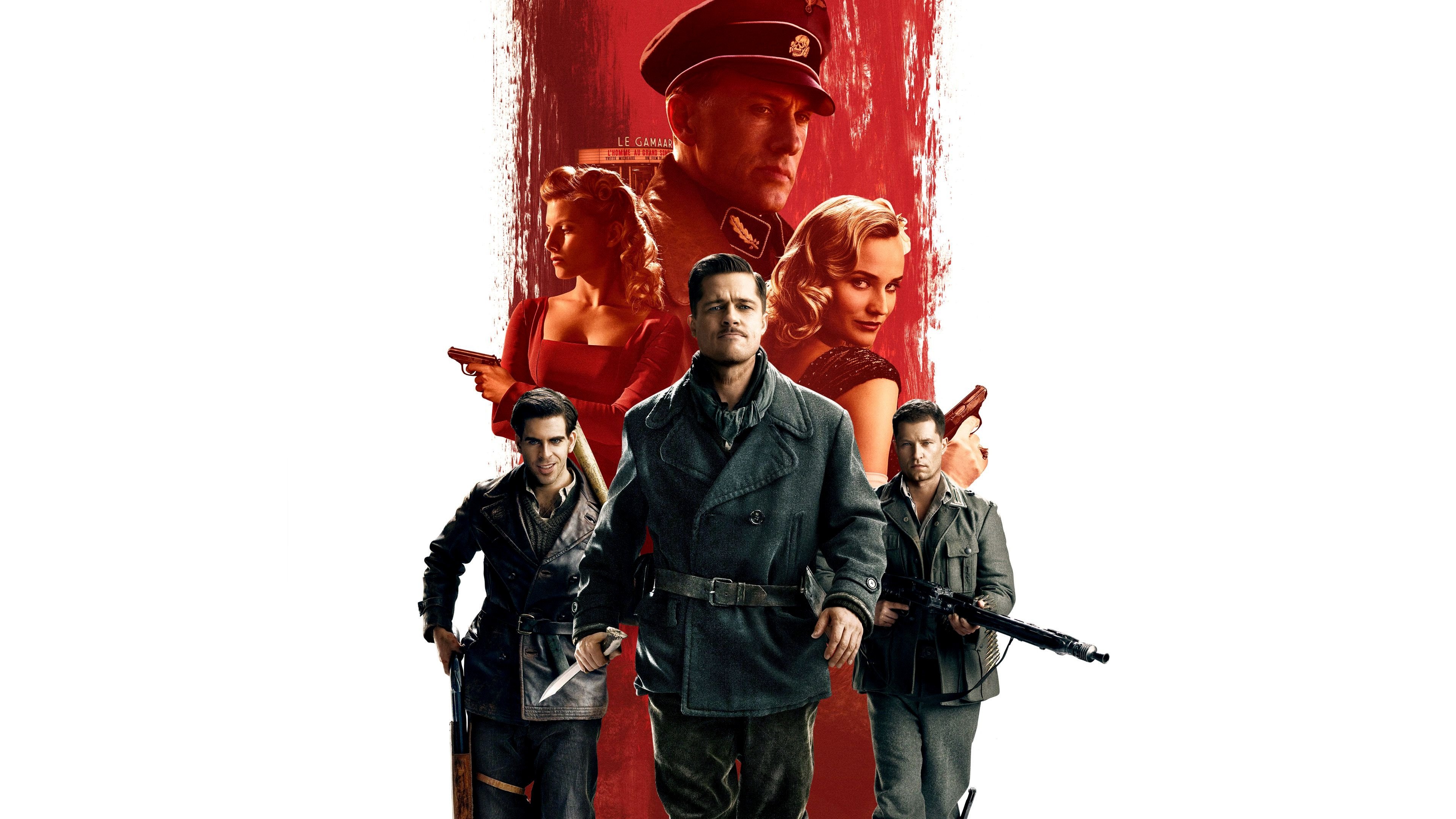
Inglourious Basterds and the Thrill of Turning Language Into a Weapon
Tarantino’s war fantasia works because the suspense is not built on firefights first. It is built on who can control the room, the accent, the cover story, and the next sentence.
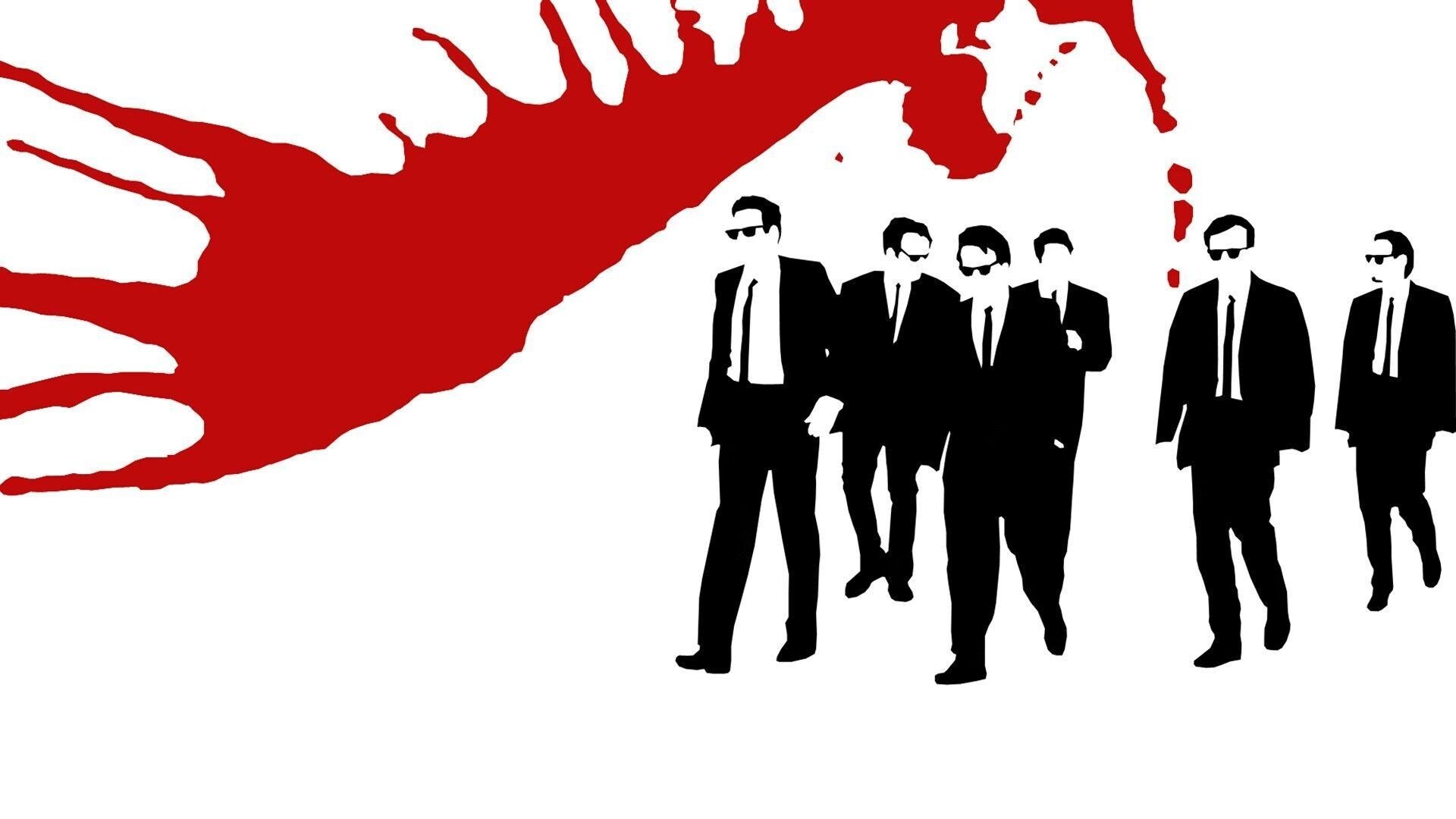
Reservoir Dogs and the Genius of Building a Crime Movie Out of the Aftermath
Tarantino’s debut still crackles because it treats the failed heist as an excuse to trap voice, ego, and suspicion in one room until everyone starts bleeding through their own performance.
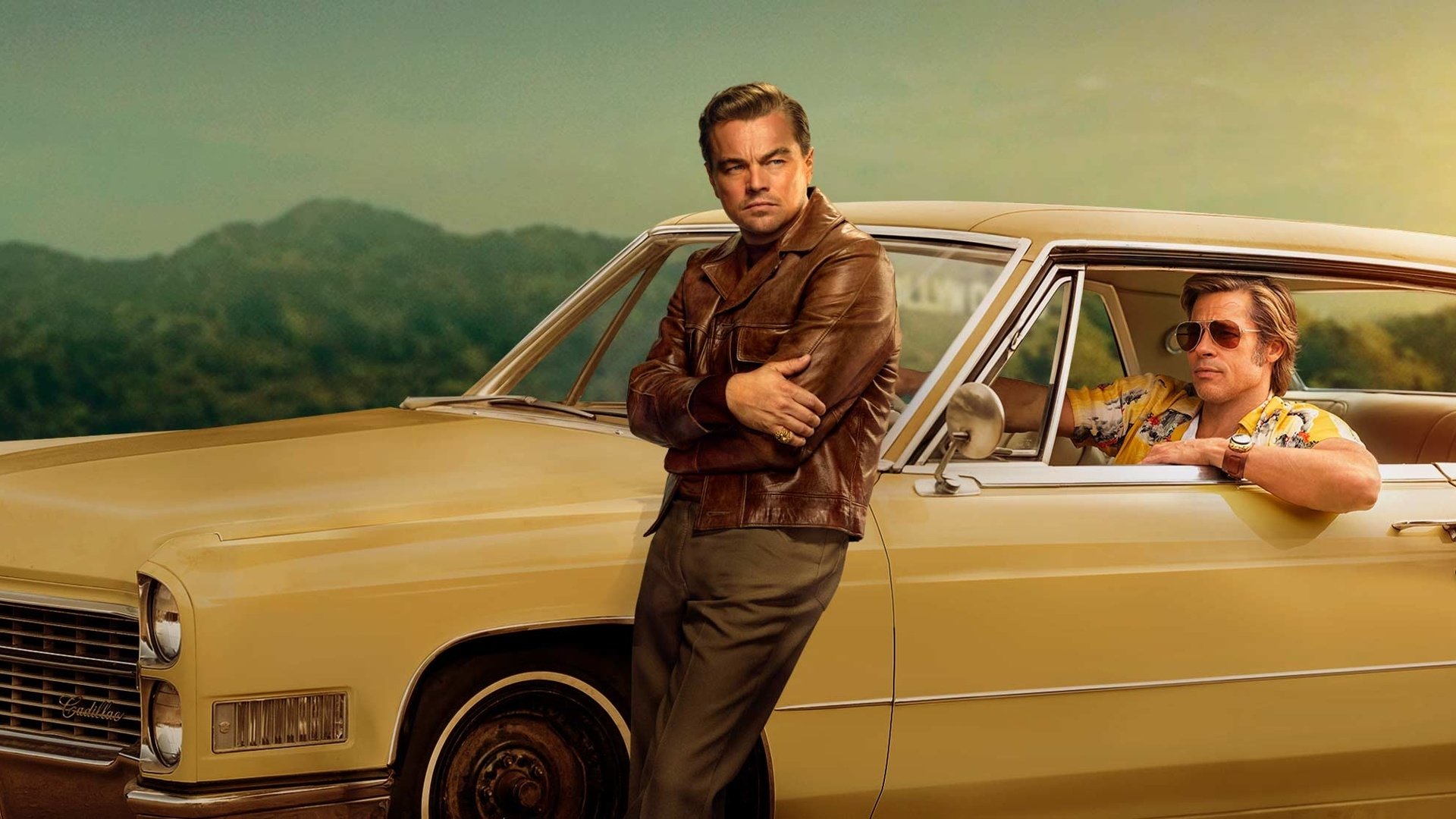
Once Upon a Time in Hollywood and the Strange Grace of Letting a Movie Drift Until History Arrives
Tarantino’s late masterpiece works because its looseness is strategic, building affection, routine, and end-of-era melancholy before the fairy tale turns protective.