
Reservoir Dogs and the Genius of Building a Crime Movie Out of the Aftermath
Tarantino’s debut still crackles because it treats the failed heist as an excuse to trap voice, ego, and suspicion in one room until everyone starts bleeding through their own performance.
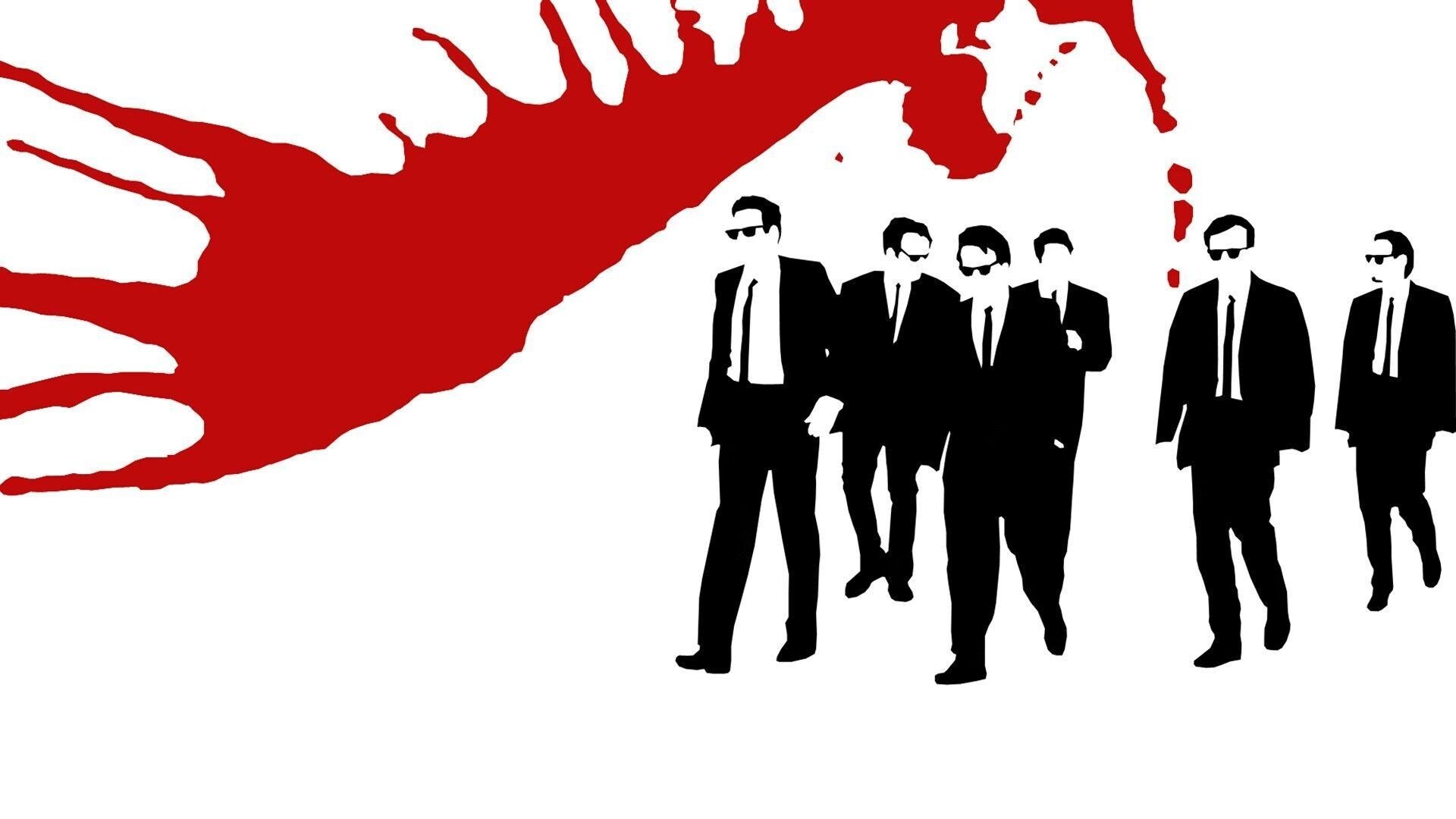
Reservoir Dogs announces Tarantino almost immediately because it understands how much pressure can come from withholding. Instead of building around the heist itself, the movie builds around aftermath, accusation, and the scramble to control the story once the plan is already ruined.
Dialogue as Temperature Control
The conversations are not side flavor. They are the whole machine. Tarantino keeps turning jokes, code names, anecdotes, and loyalty tests into tools for shifting status inside the room, which is why the movie feels active even when everyone is cornered.
Why the Warehouse Works So Well
The single-location intensity matters because it keeps every body, wound, and suspicion in play. Reservoir Dogs has the energy of a chamber piece, but the chamber is full of panic, macho theater, and people lying badly under pressure.
The Debut That Already Knows Its Voice
What keeps the film alive is that it does not feel tentative. Tarantino already understands rhythm, music drops, structural delay, and the pleasure of letting personality become danger. Reservoir Dogs is smaller than his later films, but it is not less authored, only more compressed.
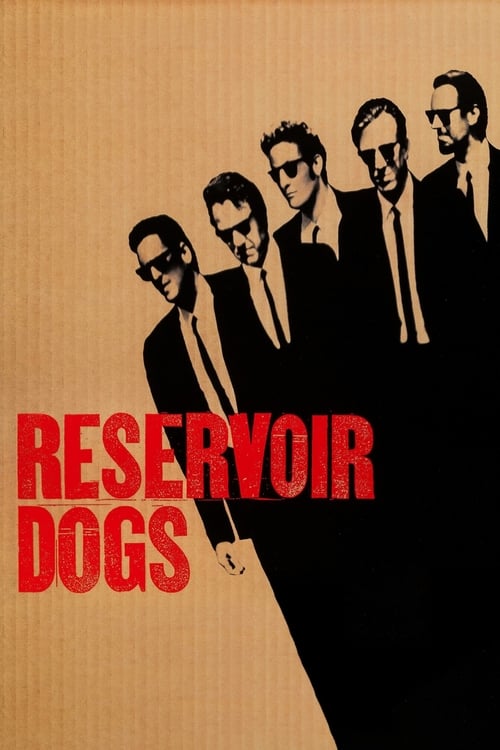
Reservoir Dogs
1992 • Quentin Tarantino
Every dog has his day.
Movies to pair with this read



Kill Bill: Vol. 1 and the High-Wire Pleasure of Turning Revenge Into Form
Kill Bill: Vol. 1 still rips because Tarantino treats genre citation as movement, not trivia, building a revenge movie that keeps changing shape without losing its line of attack.
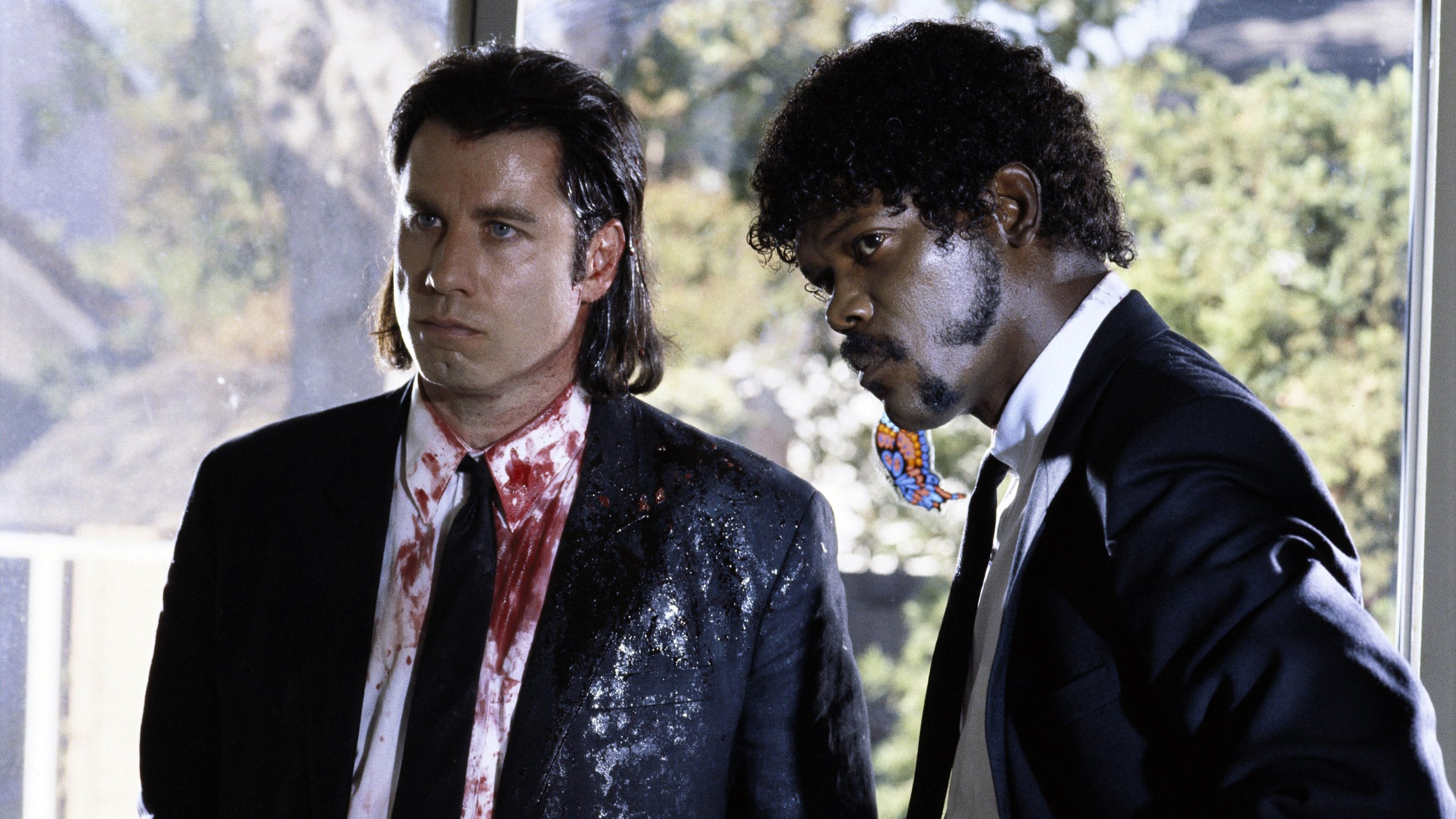
Pulp Fiction: Revolutionizing Narrative Structure in Cinema
Quentin Tarantino's non-linear masterpiece redefined storytelling in modern cinema through its bold narrative experiments.

How Tarantino’s Later Films Trade Cool for Consequence
Jackie Brown, Kill Bill: Vol. 2, The Hateful Eight, and Once Upon a Time in Hollywood all reveal a filmmaker getting more interested in aftermath, drift, and emotional residue than in pure pop detonation.
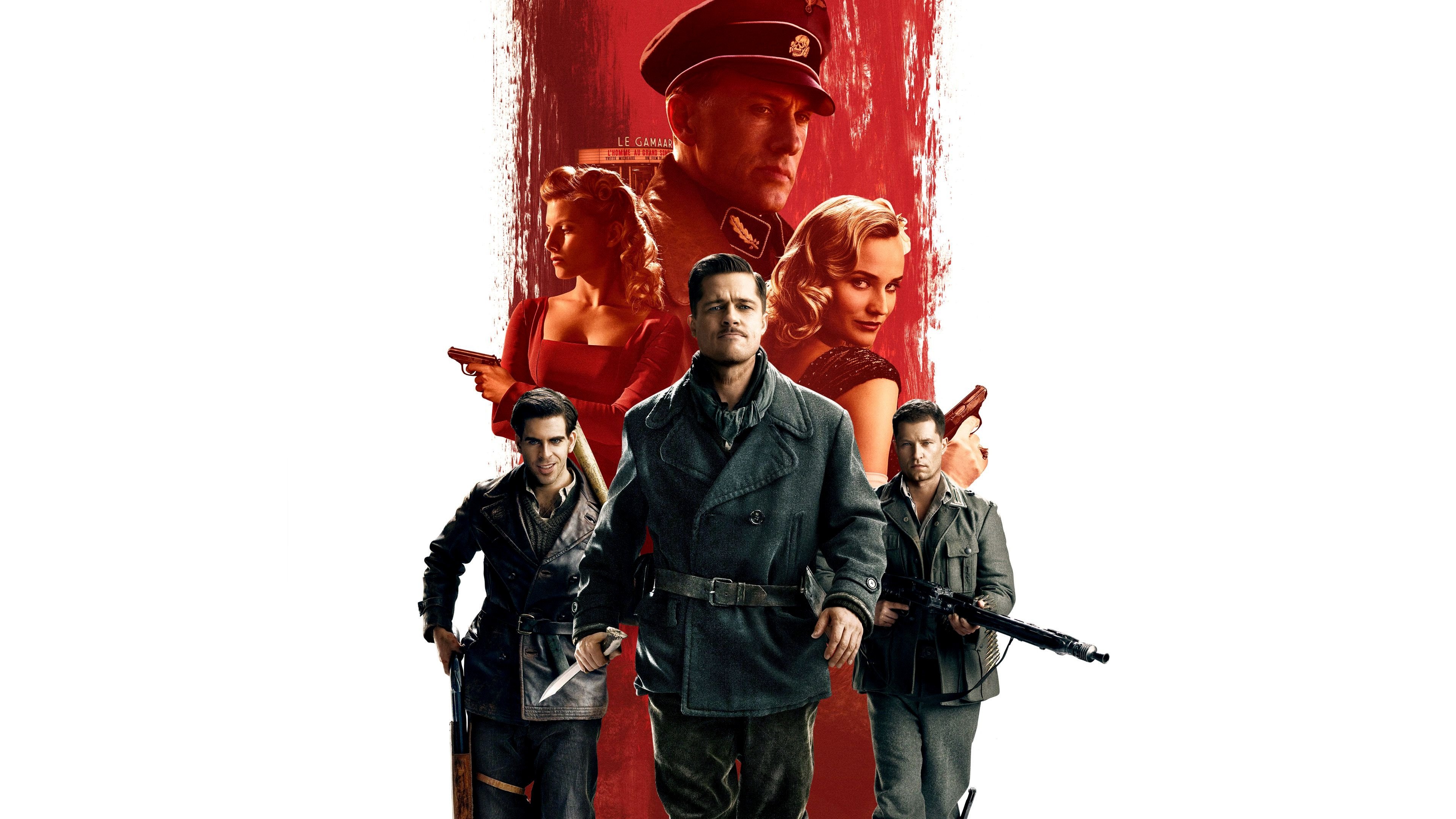
Inglourious Basterds and the Thrill of Turning Language Into a Weapon
Tarantino’s war fantasia works because the suspense is not built on firefights first. It is built on who can control the room, the accent, the cover story, and the next sentence.