Pulp Fiction: Revolutionizing Narrative Structure in Cinema
Quentin Tarantino's non-linear masterpiece redefined storytelling in modern cinema through its bold narrative experiments.
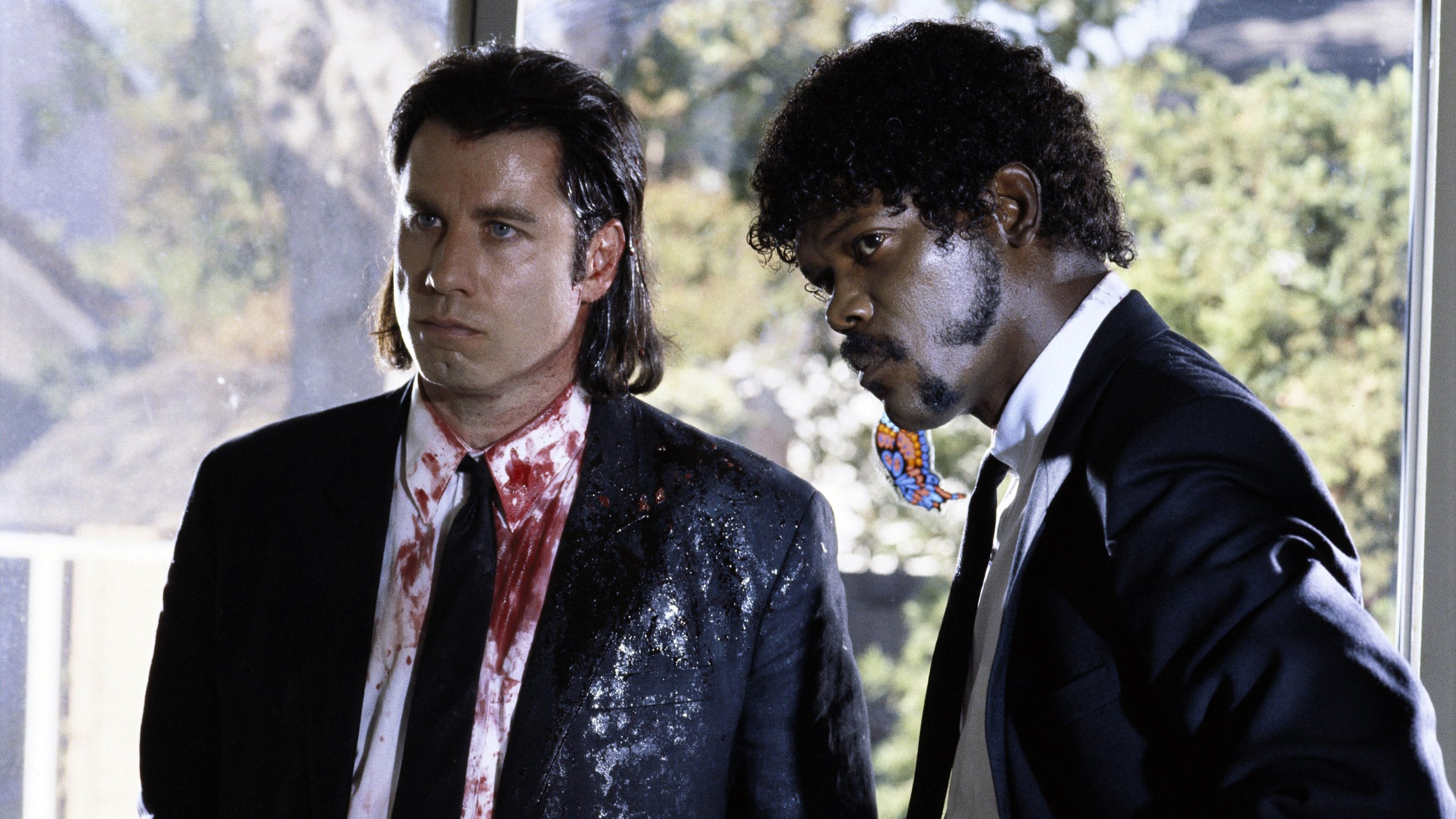
Pulp Fiction feels alive because Tarantino makes structure itself part of the pleasure. The film does not just tell a story out of order, it turns sequence into attitude.
Non-Linearity with Purpose
The fractured timeline does more than show off. It changes how we judge cause, consequence, and redemption, especially in the way Vincent and Jules echo against each other.
Dialogue as Action
The movie's conversations are not decoration. Tarantino uses speech as rhythm, seduction, threat, and world-building all at once.
Why It Changed the Game
Pulp Fiction proved that cinephile energy, pulp pleasure, and formal ambition could all sit in the same movie and hit commercially.


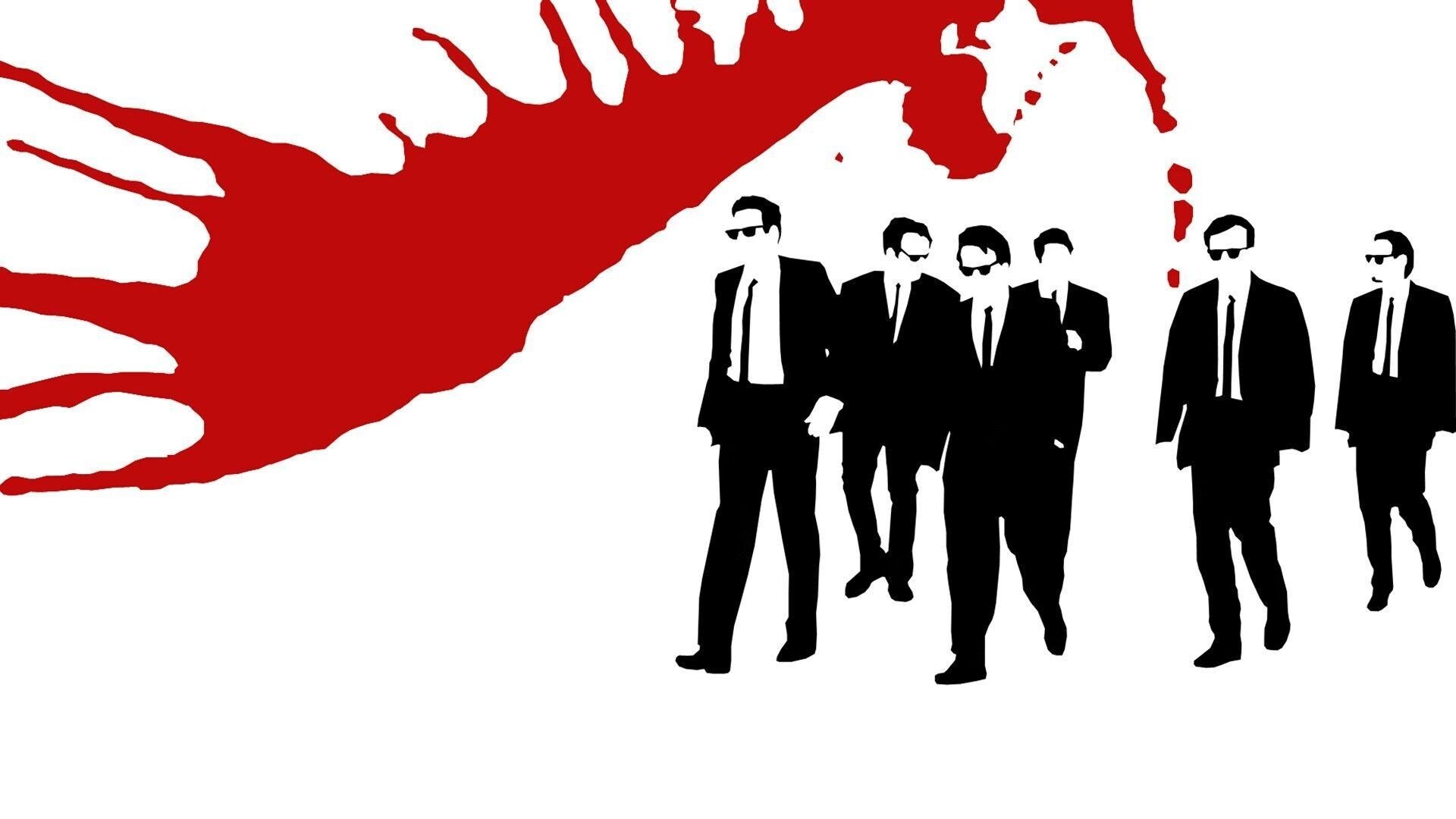
Reservoir Dogs and the Genius of Building a Crime Movie Out of the Aftermath
Tarantino’s debut still crackles because it treats the failed heist as an excuse to trap voice, ego, and suspicion in one room until everyone starts bleeding through their own performance.
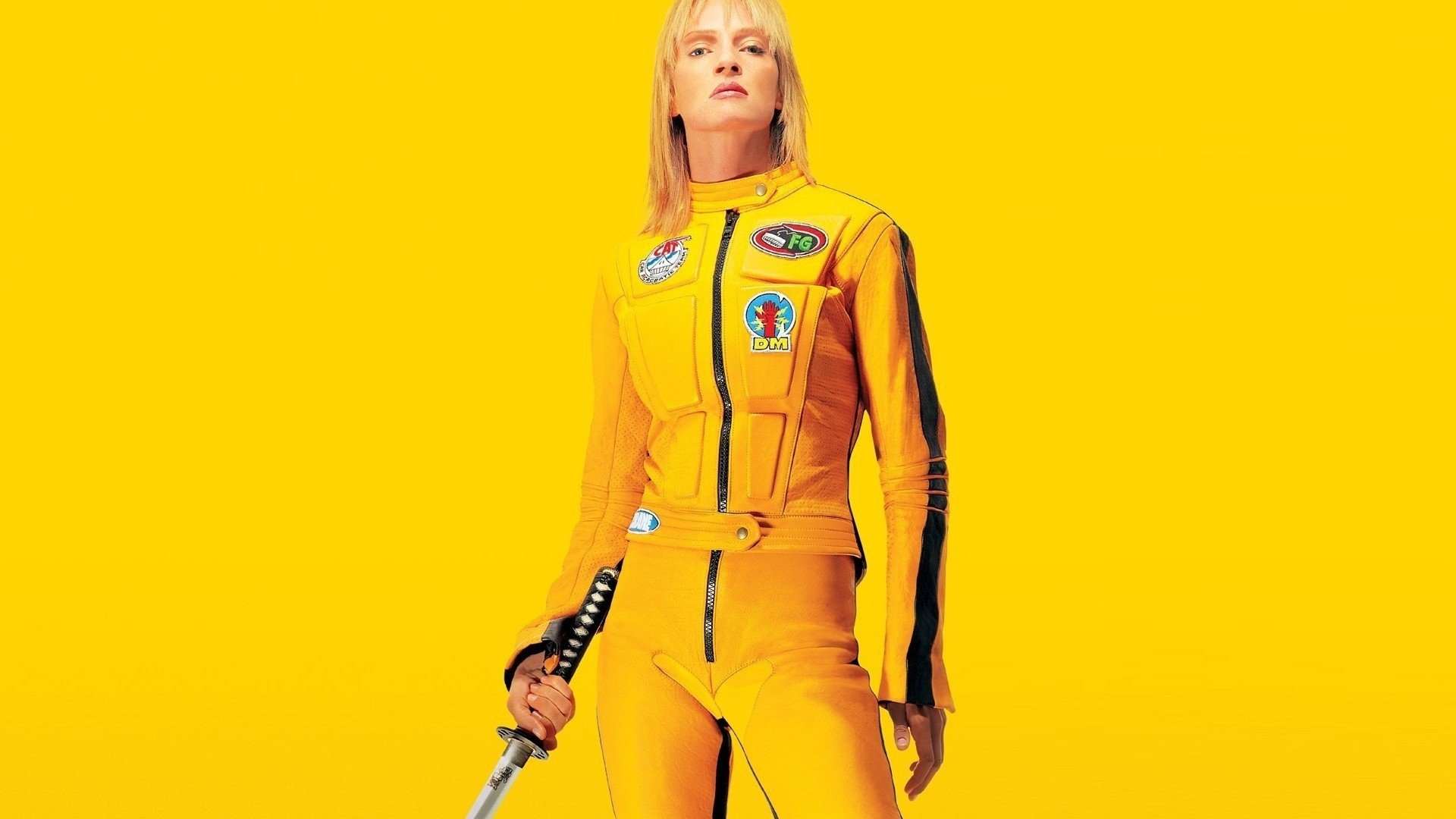
Kill Bill: Vol. 1 and the High-Wire Pleasure of Turning Revenge Into Form
Kill Bill: Vol. 1 still rips because Tarantino treats genre citation as movement, not trivia, building a revenge movie that keeps changing shape without losing its line of attack.

How Tarantino’s Later Films Trade Cool for Consequence
Jackie Brown, Kill Bill: Vol. 2, The Hateful Eight, and Once Upon a Time in Hollywood all reveal a filmmaker getting more interested in aftermath, drift, and emotional residue than in pure pop detonation.
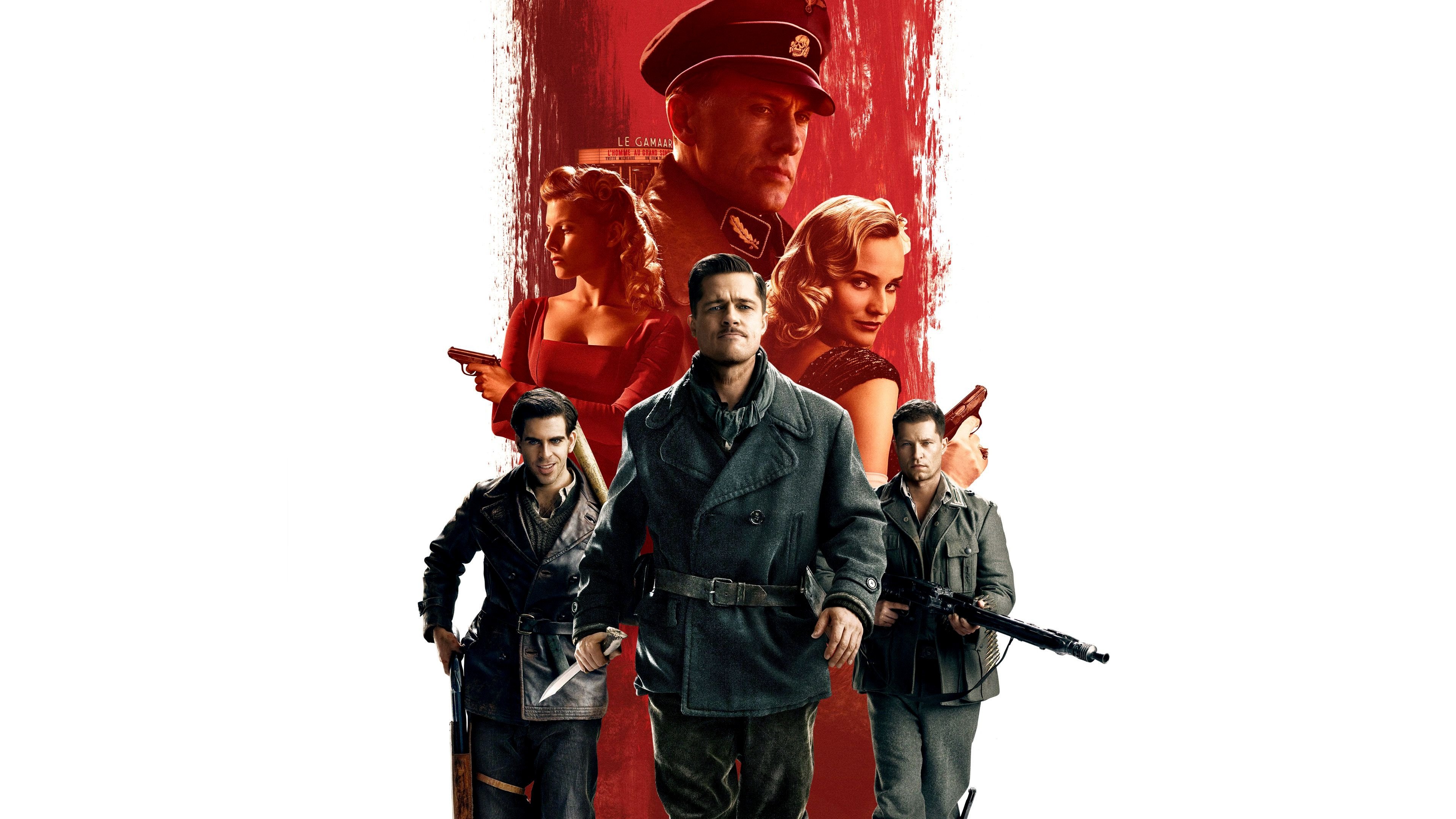
Inglourious Basterds and the Thrill of Turning Language Into a Weapon
Tarantino’s war fantasia works because the suspense is not built on firefights first. It is built on who can control the room, the accent, the cover story, and the next sentence.