
The Game
Find the movies with rewatch gravity, live dossiers, and unfinished cases worth deepening.
Movie dossier
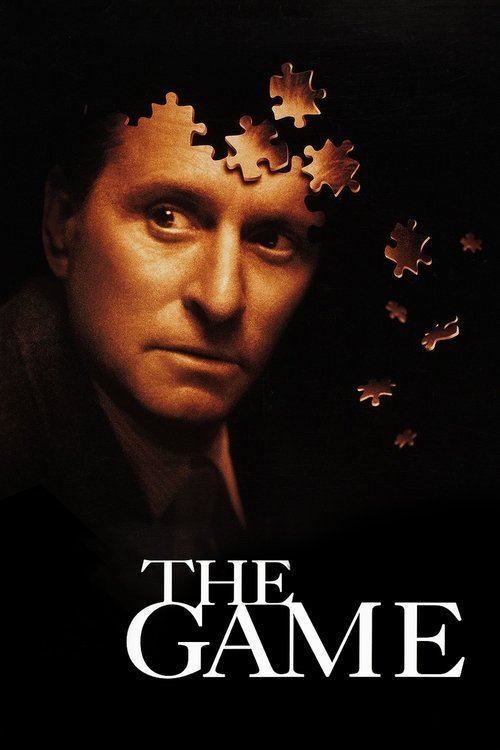
The Game
A precision-engineered paranoia thriller where control becomes the thing being destroyed.
Latest video signal
Trailer slot ready
A widescreen slot for the newest official trailer, interview, or scene signal when the page has a playable source.
Why it matters
The Game matters because it captures Fincher’s interest in manipulation before the later masterpieces hardened his reputation. It is glossy, cruel, funny, and perfect for a site that wants to treat puzzle-thrillers as authored experiences rather than disposable twists.
Craft read
Escalating reality destabilization built around one rich man’s breakdown
Luxury, surveillance, humiliation, and creeping unreality
Strong connective page between Se7en and Fight Club in the Fincher lane
Themes
Cast and context
Coverage status
A fully shaped Cinema One case: the movie has enough authored context, pathway links, and argument to feel like more than a catalog entry.
Production notes
- • A great candidate for reclamation because it often lives one tier below Fincher’s consensus classics.
- • Michael Douglas gives the movie its brittle center of arrogance and panic.
- • The film fits Cinema One’s taste graph because it treats plot mechanics like psychological architecture.
Watch-next pathway
What should you do after The Game?
Three intentional continuations: stay with the filmmaker, chase the dominant pressure signal, or jump into the shelf or argument that best explains why this movie belongs here.
Fight Club
The cleanest next move if David Fincher's control, obsessions, or rhythm are what hooked you here.
More control
Use the taste map to find movies, arguments, and shelves that share this page's strongest signal.
Identity Traps
Doubles, false selves, role-play, and movies where the biggest danger is the story a person keeps telling about who they are.
Movie-page argument
Defend The Game.
If this movie has a scene, performance, ending, or idea people underrate, make the case. The best defenses can become future Cinema One argument material.
Scene challenge
Pick the scene that proves it.
Cinema One is built around scenes that unlock the movie. Tell us which moment carries the pressure, style, argument, or rewatch charge.
Signature scene: the clown in the driveway and the fall into panic
The Game excels when tiny disruptions turn the protagonist’s ordered world into insult and dread. The clown discovery is funny for a second, then uncanny, then destabilizing, which is Fincher’s whole tonal trick here.
Line worth carrying forward
"You can get anything you want at CRS... as long as it helps you find out what it is you want." That promise is the movie’s thesis in miniature, half therapeutic sales pitch, half threat, because The Game is built around the idea that transformation only arrives once control has been humiliated out of the system.
Why the ending is the whole gamble
The ending either feels exhilarating or absurd depending on how much you buy the movie’s commitment to total design. That is not a flaw to hide from, it is the page’s central question, whether the film’s orchestrated rebirth is ingenious enough to justify the level of contrivance it demands.
Steelman the debate
The obvious critique is that The Game collapses if you press too hard on plausibility. The strongest defense is that Fincher knows this and leans toward experiential conviction instead. The film works less as literal scenario-building than as a sadistic fantasy about losing control so completely that life can start again.
More from this director
Related picks
Read next
Fincher’s luxury paranoia machine still lands because every escalation turns wealth, control, and self-protection into liabilities instead of armor.
Fincher’s Dragon Tattoo remake endures because research, pattern recognition, and bruised trust become as gripping as any chase scene.
Panic Room works because Fincher turns walls, sightlines, and delays into the whole suspense engine instead of treating them as setup for louder thrills.