Search
Find the right movie, director, article, or collection without falling into database sludge.
Find the strongest way into the room
Find the movie pressure, filmmaker system, shelf, or argument that fits the appetite.
Use the full search page when the question is bigger than a title: pressure rooms, control freaks, survival engines, record-collection movies, and the arguments that connect them.
Search pulse
Recommended route
A cleaner path through “control” than a flat result list.
Start with the highest-signal entry, then move through authorship, mood, or argument depending on what the search surfaced.
First click
1The Godfather Part II
Francis Ford Coppola · 1974 · Crime Drama. Start with the strongest title match, then branch into linked reads and collection lanes.
Then trace the author
2David Fincher
Control-freak cinema where systems, rot, evidence, and desire keep tightening the frame Use the filmmaker page to turn one match into a working system across Fight Club and Se7en.
Then widen the mood
3Villeneuve Pressure Systems
Denis Villeneuve films where dread, scale, silence, and systems thinking turn genre premises into pressure chambers.
Refine this search pass
Movies
Movie matches
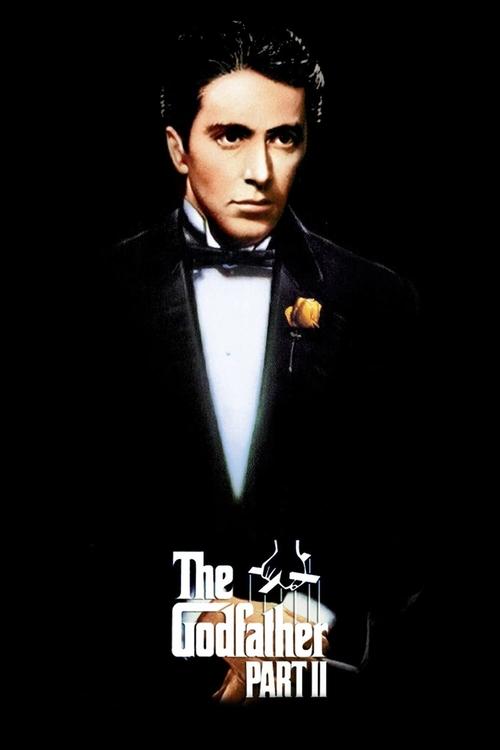
The Godfather Part II
1974Francis Ford Coppola
The rise and fall of the Corleone empire.
Next pressure pass: Place this title inside at least one collection for stronger discovery.
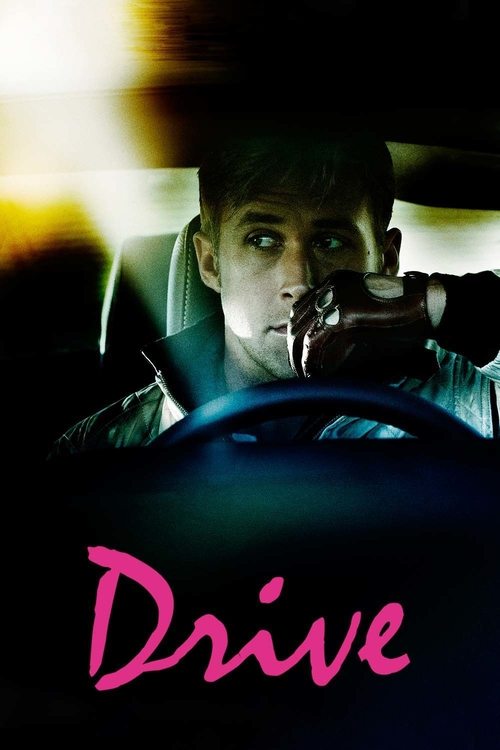
Drive
2011Nicolas Winding Refn
There are no clean getaways.
Next pressure pass: This page is in strong shape. Add more authored context only if it serves a bigger lane.
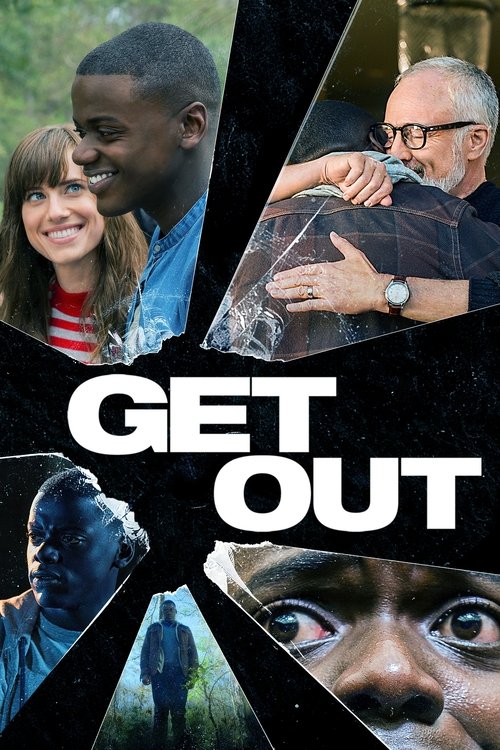
Get Out
2017Jordan Peele
Just because you are invited, does not mean you belong.
Next pressure pass: Place this title inside at least one collection for stronger discovery.
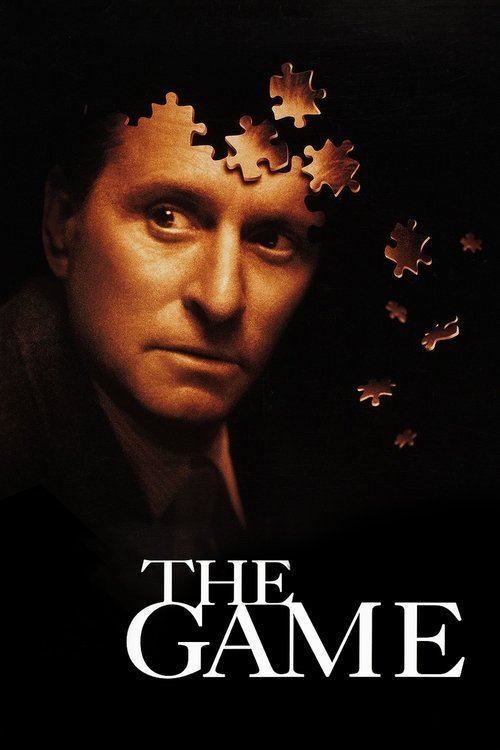
The Game
1997David Fincher
What do you get for the man who has everything?
Next pressure pass: This page is in strong shape. Add more authored context only if it serves a bigger lane.
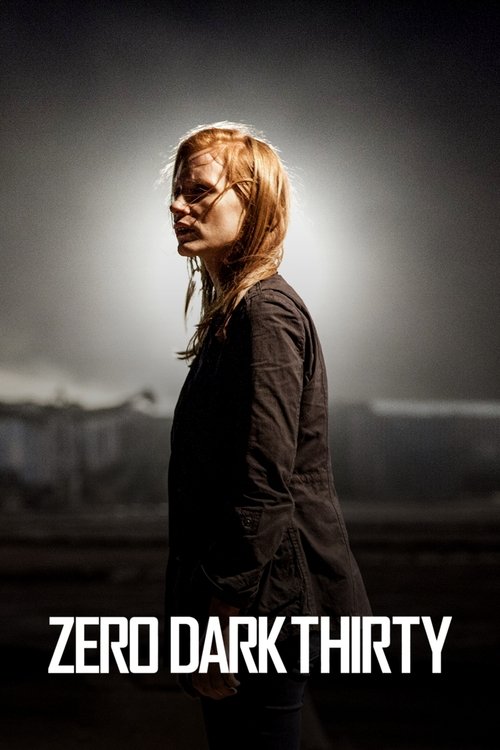
Zero Dark Thirty
2012Kathryn Bigelow
The greatest manhunt in history.
Next pressure pass: Add an editorial argument card so the page can make a sharper case.
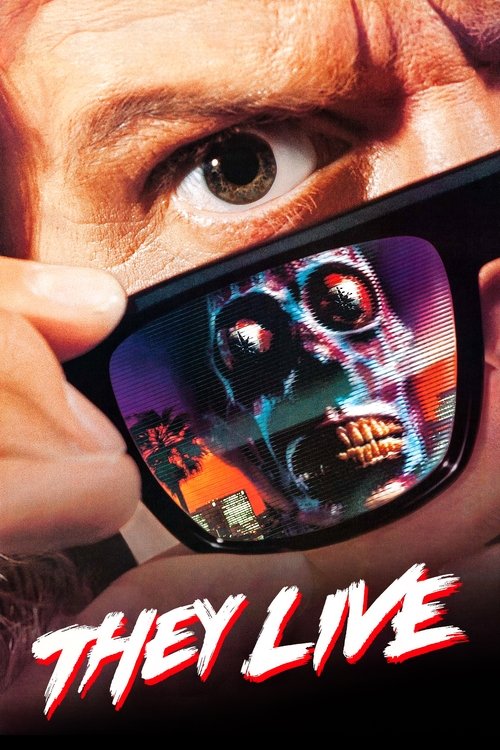
They Live
1988John Carpenter
You see them on the street. You watch them on TV. You might even vote for one this fall.
Next pressure pass: This page is in strong shape. Add more authored context only if it serves a bigger lane.
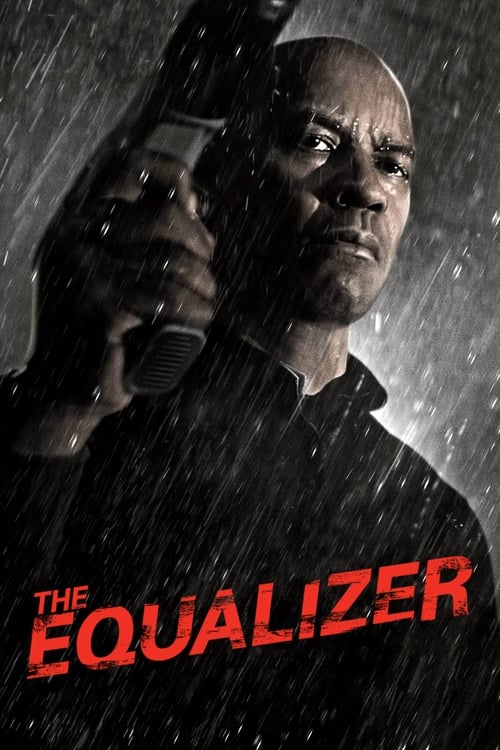
The Equalizer
2014Antoine Fuqua
A quiet man, a stopwatch, and a hardware store full of consequences.
Next pressure pass: Add an editorial argument card so the page can make a sharper case.
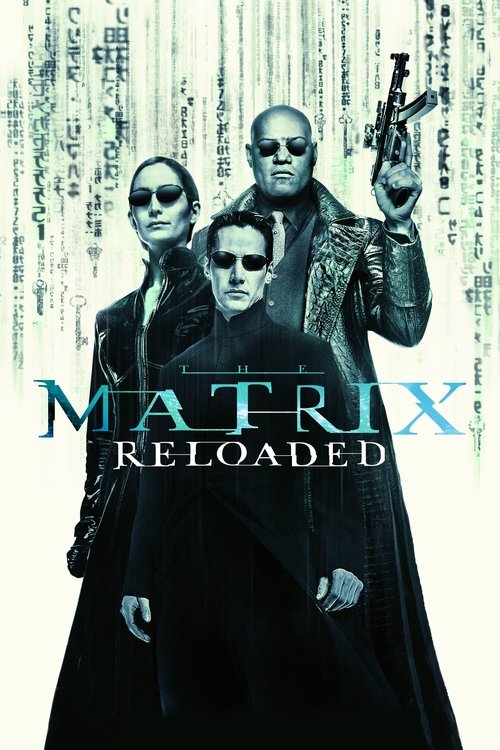
The Matrix Reloaded
2003Lana Wachowski & Lilly Wachowski
Free your mind.
Next pressure pass: Add an editorial argument card so the page can make a sharper case.

The Virgin Suicides
1999Sofia Coppola
Suburbia as a sealed room, memory as the unreliable narrator.
Next pressure pass: Add an editorial argument card so the page can make a sharper case.
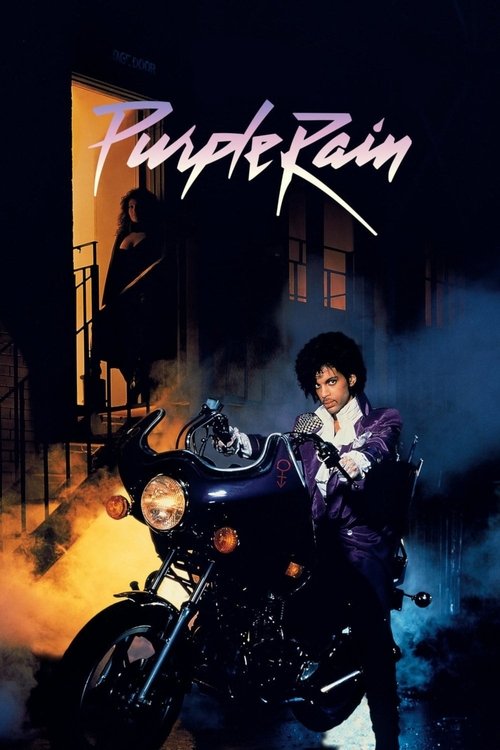
Purple Rain
1984Albert Magnoli
A record-collection movie where the stage is the confession booth.
Next pressure pass: Add the next dossier module, ideally ending.
Directors
Director matches

David Fincher
Control-freak cinema where systems, rot, evidence, and desire keep tightening the frame

Mary Harron
Cold-eyed social critique delivered with wit, control, and moral disgust

John McTiernan
Clean spatial pressure, professional competence, and action that keeps turning into siege logic
Articles
Editorial matches
Minority Report and the Seduction of Frictionless Control
Spielberg’s future thriller keeps gaining power because it understands how easily safety, convenience, and surveillance start using the same sales pitch.
The Game and the Seduction of Letting a System Break You on Purpose
Fincher’s luxury paranoia machine still lands because every escalation turns wealth, control, and self-protection into liabilities instead of armor.
Inglourious Basterds and the Thrill of Turning Language Into a Weapon
Tarantino’s war fantasia works because the suspense is not built on firefights first. It is built on who can control the room, the accent, the cover story, and the next sentence.
The Girl with the Dragon Tattoo and the Cold Pleasure of Watching Procedure Cut Through Rot
Fincher’s Dragon Tattoo remake endures because research, pattern recognition, and bruised trust become as gripping as any chase scene.
The Curious Case of Benjamin Button and the Sadness of Meeting Life Out of Sequence
Benjamin Button matters because Fincher treats the reverse-aging premise less like a trick than a way to make timing itself feel tragic.
Reservoir Dogs and the Genius of Building a Crime Movie Out of the Aftermath
Tarantino’s debut still crackles because it treats the failed heist as an excuse to trap voice, ego, and suspicion in one room until everyone starts bleeding through their own performance.
Barbie and the Risk of Becoming a Person Inside a Brand
Gerwig’s blockbuster works because it treats corporate fantasy as both playground and problem, then finds real feeling in the tension between the two.
Gone Girl and the Pleasure of Watching a Marriage Become a Media Weapon
Gone Girl works because Fincher treats domestic resentment, TV narration, and image management as parts of the same poison system.
Kill Bill: Vol. 1 and the High-Wire Pleasure of Turning Revenge Into Form
Kill Bill: Vol. 1 still rips because Tarantino treats genre citation as movement, not trivia, building a revenge movie that keeps changing shape without losing its line of attack.
Vertigo and the Tragedy of Loving an Image More Than a Person
Hitchcock’s masterpiece grows more unsettling when you stop treating it as a mystery and start seeing it as a movie about desire trying to rewrite reality.
Rear Window and the Suspense of Watching Too Closely
Rear Window turns voyeurism into suspense because Hitchcock understands that looking is never passive once desire, guilt, and curiosity start mixing together.
Following and the First Draft of Nolan as a Surveillance Storyteller
Christopher Nolan’s debut is tiny in scale but already obsessed with looking, self-invention, and how easily curiosity turns into entrapment.
Drive and the Thin Line Between Cool and Disappearance
Nicolas Winding Refn’s neo-noir holds because it turns style into a form of loneliness rather than a layer painted on top of the story.
RoboCop and the Horror of Being Rebuilt for Efficiency
Paul Verhoeven’s classic is not just a cyborg action movie, it is a brutal joke about what happens when corporate logic gets hold of the human body.
The Godfather Part II and the Inheritance Trap at the Center of Power
Coppola’s sequel expands the family saga by showing how empire building and moral collapse can feel like the same process.
Inception: The Architecture of Dreams and Reality
Christopher Nolan's masterpiece explores the layers of consciousness while questioning the nature of reality itself.
Collections
Collection matches
Villeneuve Pressure Systems
Denis Villeneuve films where dread, scale, silence, and systems thinking turn genre premises into pressure chambers.
Obsession Engines
Movies where ambition, rivalry, guilt, or control become the whole machine.
Machine Nightmares
Cold systems, synthetic threats, and movies where technology stops feeling like a tool and starts feeling like an adversary.
Master of Suspense
Voyeurism, pursuit, wit, and movies that make point of view feel dangerous.
Status Traps
Ambition, reputation management, and movies where climbing the ladder quietly poisons the people doing it.
Stylized Worlds
Big visual identity, mythic energy, and movies that know exactly how they want to look and feel.