Drive backdrop file.

Movie dossier

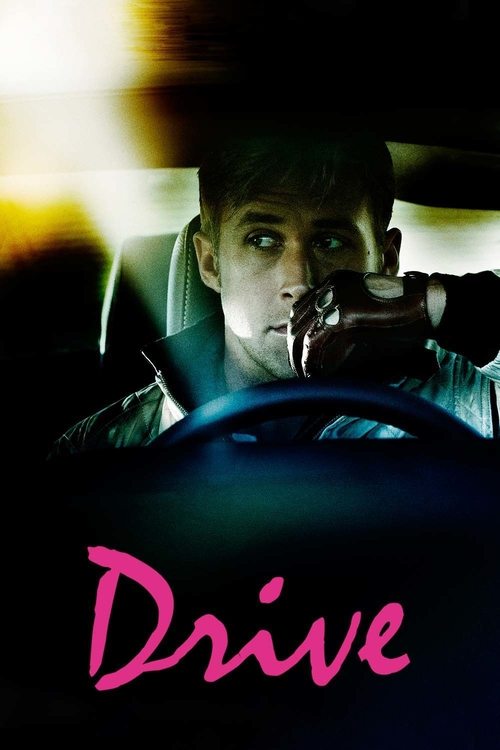
Drive

A stripped-down neo-noir where style, silence, and sudden violence turn loneliness into myth.

Directed by Nicolas Winding RefnNot rated

Latest video signal

Trailer slot ready

A widescreen slot for the newest official trailer, interview, or scene signal when the page has a playable source.

Why it matters

Drive matters because it weaponizes cool against itself. Refn strips the crime plot down until silence, synth pulse, night driving, and sudden violence become the Driver’s whole psychology: a man who can perform control beautifully, but cannot survive intimacy without revealing the brutality that makes the performance possible.

Rating
7.8
Year
2011
Runtime
100 min
Genre
Crime

Craft read

Mood

Synth melancholy, neon nightscapes, and patient stillness carrying as much weight as plot

Violence

Long restraint punctuated by shocking ruptures that redefine the fantasy

Identity

The Driver works as fairy-tale knight, screen-myth self-invention, and emotional damage at once

Themes

lonelinessperformanceviolenceromanceself-erasure

Cast and context

Cast
Ryan GoslingCarey MulliganBryan CranstonAlbert Brooks
Director lane

Nicolas Winding Refn currently has 1 live movie page in Cinema One.

View director page

Coverage status

Tier
fully authored
Coverage
13/13

A fully shaped Cinema One case: the movie has enough authored context, pathway links, and argument to feel like more than a catalog entry.

Signature scene filedQuote read filedEnding read filedEditorial argument linkedCollection pathway live

Production notes

  • Refn described Drive as a stripped Grimm-style fairy tale and a superhero origin, which explains why the romance stays almost spiritual until punishment arrives as mythic violence.
  • Ryan Gosling’s near-silent performance is crucial because the film lives or dies on withheld interiority.
  • Albert Brooks makes Bernie frightening because the movie weaponizes familiar warmth; the threat comes from a likable presence turning calm, intimate, and lethal.
  • Refn chose Newton Thomas Sigel partly because Sigel had shot cars from nearly every angle, then pushed the opening getaway toward an inside-the-car pressure chamber instead of a street-race showcase.
  • The soundtrack and color design are not accessory cool; they are the Driver’s confession system, giving shape to feelings the performance refuses to verbalize.
Drive watch-next background

Watch-next pathway

What should you do after Drive?

Three intentional continuations: stay with the filmmaker, chase the dominant pressure signal, or jump into the shelf or argument that best explains why this movie belongs here.

Suggest a better next pick
A dark editorial argument room lit by a film projector.

Movie-page argument

Defend Drive.

If this movie has a scene, performance, ending, or idea people underrate, make the case. The best defenses can become future Cinema One argument material.

Small prompts go into the Cinema One review queue.

A dark screening room with a red seat, projector beam, scene cards, and a glowing abstract film frame.

Scene challenge

Pick the scene that proves it.

Cinema One is built around scenes that unlock the movie. Tell us which moment carries the pressure, style, argument, or rewatch charge.

Small prompts go into the Cinema One review queue.

Cinema One case file

The argument this page is making

4 lenses
Core tension

The Driver wants to live as pure control, but the movie keeps proving that intimacy makes control impossible.

Best lens

A fairy-tale crime movie where cool is not decoration; it is a fragile emotional defense system that collapses the instant love requires moral exposure.

Refn lane

Neon, silence, synth pulse, and sudden violence turned into a character study of performance and rupture.

Page job

Protect Drive from being reduced to jacket-icon cool by foregrounding how sad and violent the fantasy becomes.

Behind the movie

Production photos worth studying

A reviewed set of behind-the-scenes images: not celebrity filler, but evidence of how performance, camera placement, room pressure, and Nicolas Winding Refn's authorship shaped the finished movie.

4 reviewed photos
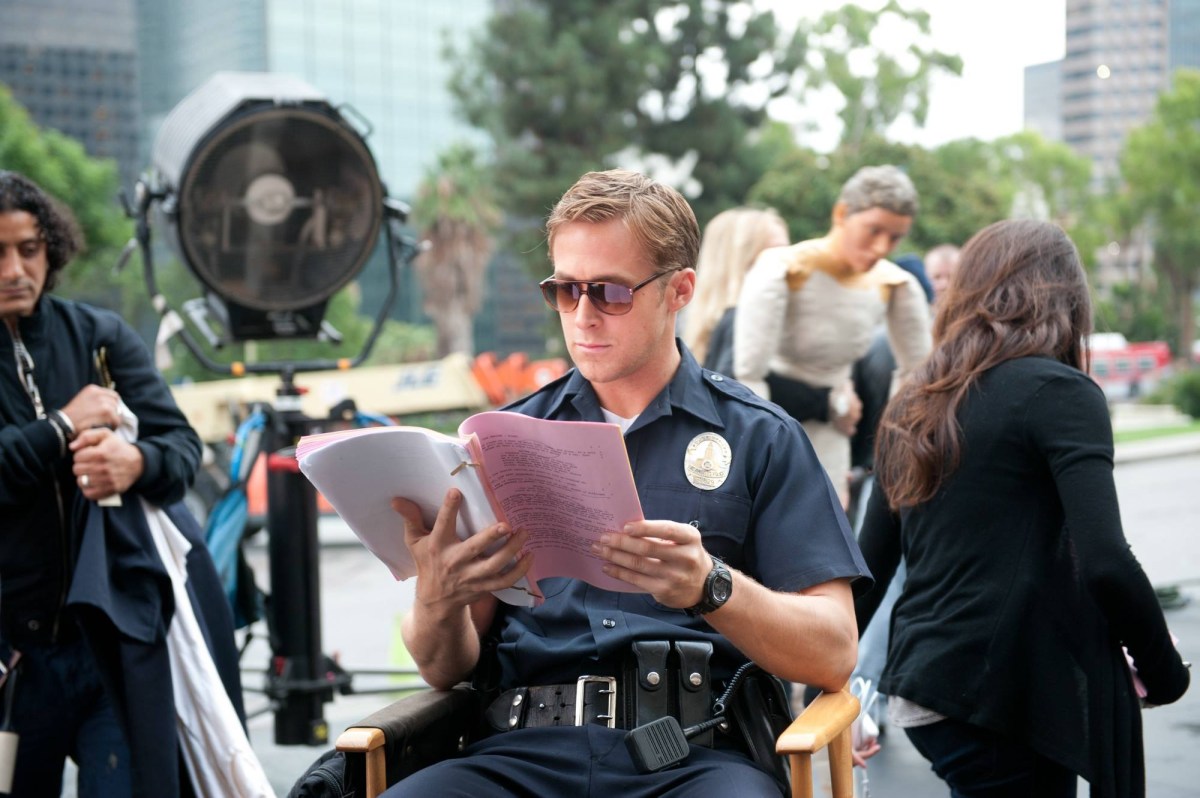
Behind-the-scenes image of Ryan Gosling reviewing material during Drive production.
BTS file #1

Gosling over the lines

Drive depends on restraint, and this image gives that restraint a work process: the stillness is prepared, not accidental.

For a movie this minimal, seeing the work around stillness makes the restraint feel deliberate.

Source · ShotOnWhat
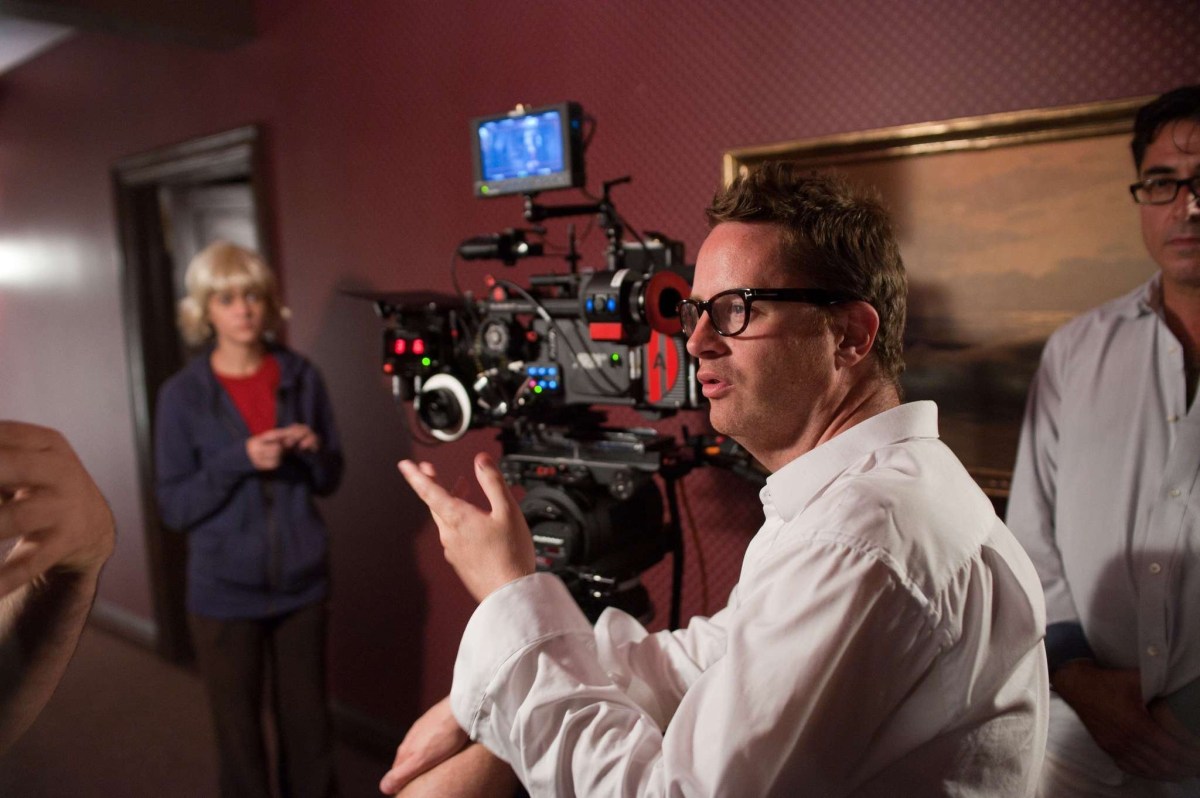
Behind-the-scenes image of Nicolas Winding Refn during Drive production.
BTS file #2

Refn on set

The director-at-work image helps keep Drive from becoming only Ryan Gosling iconography; the movie’s temperature is authored.

Look past the Driver iconography and you can see Refn’s hand on the movie’s temperature.

Source · ShotOnWhat
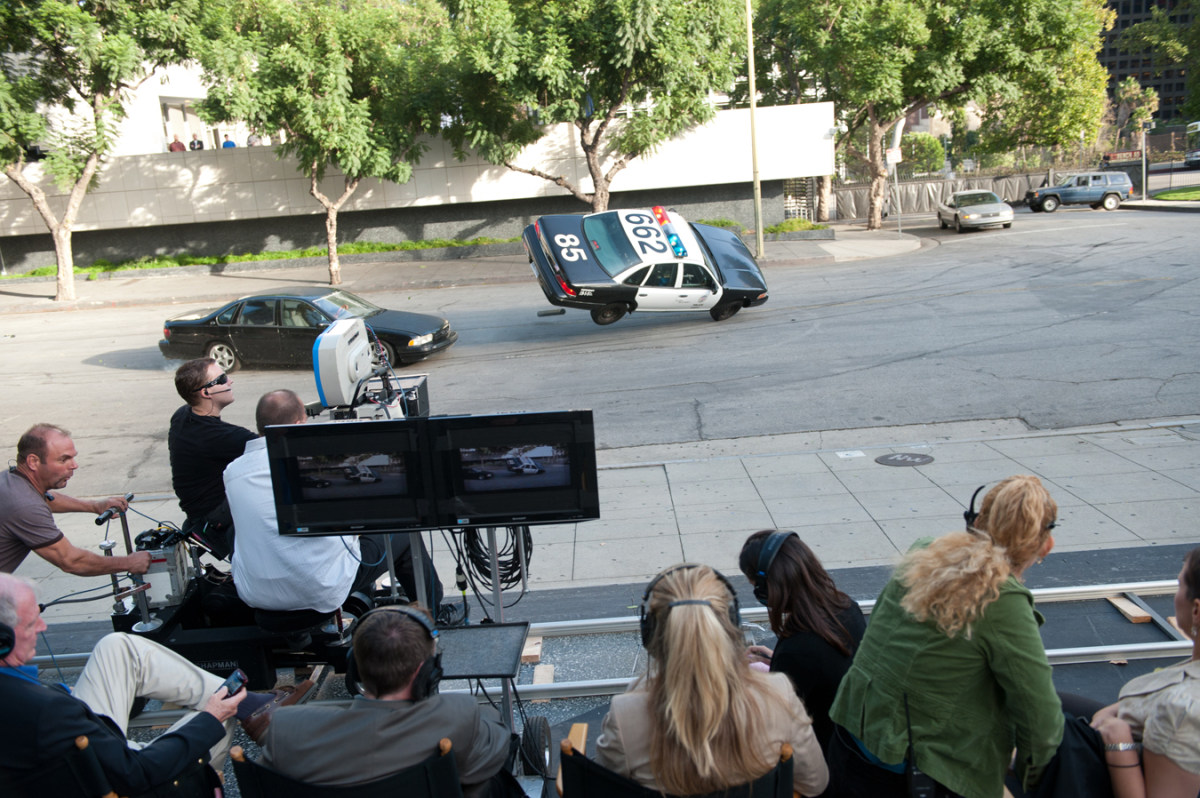
Behind-the-scenes production image from the set of Drive.
BTS file #3

Production stillness around the Driver

This kind of quiet on-set image fits the movie: not chaos, but concentration around mood, posture, and controlled threat.

The value is atmosphere, not celebrity access: the stillness matches the movie’s controlled threat.

Source · ShotOnWhat
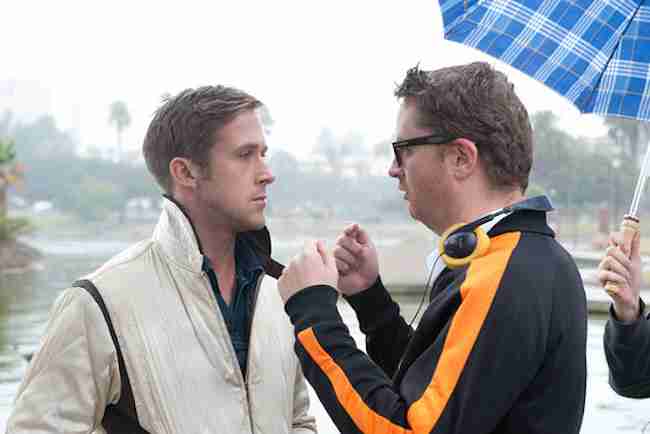
Behind-the-scenes image of Ryan Gosling and Nicolas Winding Refn on the set of Drive.
BTS file #4

Gosling and Refn collaboration

The image is useful because Drive is built from the actor/director pact: withheld performance, stylized violence, and romantic cool pushed until it cracks.

The collaboration matters because Drive turns cool into defense, then lets that defense crack.

Source · Movies In Focus

Production file

How the movie became this object

Minimal plot, maximum temperature

Drive strips the crime story down until mood becomes structure. The movie runs on glances, pauses, routes, interiors, and the tension between professional calm and emotional exposure.

Gosling as withheld performance

The Driver works because he is almost blank until feeling interrupts him. Gosling makes silence legible, then lets violence reveal what the fantasy has been hiding.

Style as trap

The satin jacket, synth score, pink lettering, and night streets are seductive, but the movie keeps curdling beauty into threat. Its cool is unstable by design.

The car as pressure chamber

Refn’s opening idea was not to spray coverage around Los Angeles; it was to keep the getaway locked largely inside the car. Sigel’s car-commercial experience becomes dramatic discipline here: windshield glow, scanner chatter, arena noise, and tiny shifts of light make the Driver’s control feel claustrophobic rather than flashy.

Pop music as the wound leaking out

Refn’s GQ origin story is the hidden key: he said the movie clicked during a feverish night drive with Gosling when REO Speedwagon turned into emotional release. That makes the soundtrack more than retro polish. The synth-pop is the Driver’s interior life leaking through the only channel he trusts: motion, night, and songs that confess what he cannot say.

A fairy tale with the middle cut out

Refn’s Guardian description of Drive as a Grimm-like fable gives the movie’s odd shape a cleaner logic: knight, maiden, evil king, dragon, and a city emptied into archetype. That is why the violence feels like a curse breaking through the romance, not just crime plotting catching up.

Albert Brooks as delayed eruption

Brooks is not scary because he plays against type as a gimmick. Refn called him a “volcano of emotions,” and that is exactly how Bernie works: comic warmth held under pressure until friendliness becomes knife-range intimacy.

Scene architecture

The moments that change the machine

The opening getaway: control as identity

The first sequence defines the Driver without biography or speed-freak bravado. Police scanner, game clock, arena crowd, street grid, and passing sodium-vapor light become instruments in one private system. He wins by staying small inside the city, which is why later emotional chaos feels so dangerous.

The elevator: romance breaks under violence

The kiss offers one impossible second of tenderness before brutality floods the frame. It is the movie admitting the fantasy cannot protect Irene from what he is.

The final drive: myth reduced to aftermath

By the end, the Driver has become closer to ghost than hero. The movie lets survival feel less like victory than disappearance.

Cultural afterlife

What people did with it afterward

An image people wore before they processed it

Drive became instantly recognizable through jacket, font, music, and stare. The iconography only really works when it reconnects to the movie’s loneliness; otherwise the scorpion jacket turns into merchandise for a fantasy the film is quietly poisoning.

A rewatch object built on atmosphere

Its afterlife is not just plot memory; people return for temperature, restraint, and rupture. That makes it prime Cinema One material: a movie whose argument is carried by timing, music, color, silence, and the sickening moment when the pose can no longer protect anyone.

Editorial module

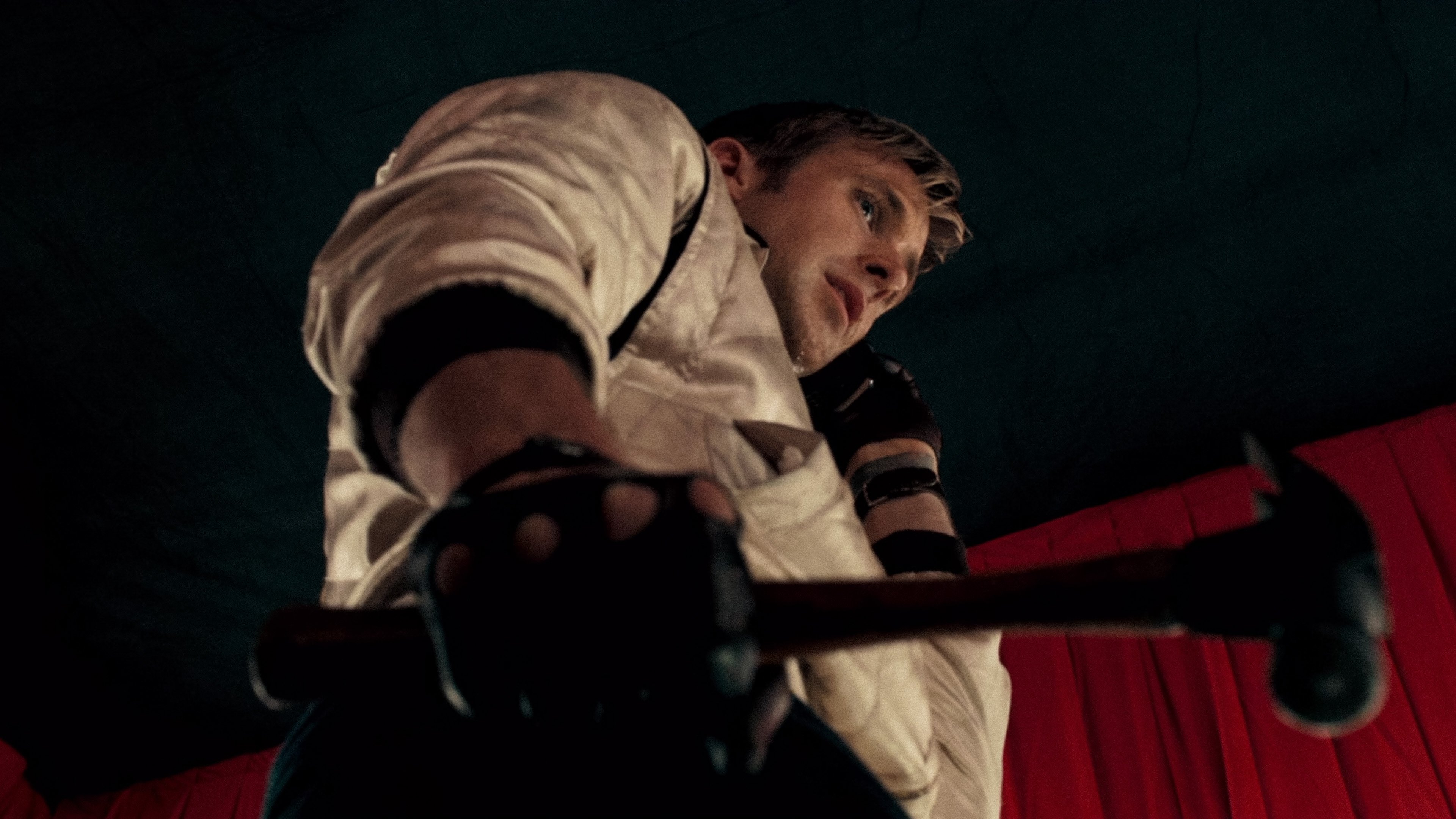
Signature scene: the elevator turns tenderness into terror

Drive’s most revealing scene is the elevator kiss and stomp because it shows the fantasy tearing in half in real time. Refn gives the Driver a fleeting moment of intimacy, then lets brutality erupt so hard that the romance can never return to innocence.

Editorial module

Line worth carrying forward

"There’s a hundred-thousand streets in this city. You don’t need to know the route. You give me a time and a place, I give you a five-minute window." The line tells you everything about the Driver, pure function on the surface, but already built around disappearance, rules, and emotional distance.

Editorial module

Why the ending keeps its ghostly charge

The ending lands because Drive refuses to resolve its hero into either victory or belonging. The Driver survives, maybe, but the more important point is that the movie sends him back into motion, still unable to stay inside ordinary life once violence has fully defined his shape.

Editorial module

Steelman the debate

A smart critique is that Drive can feel like pure curated cool, more interested in surfaces than people. The strongest defense is that the surfaces are the psychology. Refn builds a movie about a man who can only exist convincingly as gesture, costume, car, route, and song, so the stylization is not a distraction from character. It is the character trying not to speak.

Scene shelf

The clips that prove the movie

A swipeable set of scene-level evidence: the moments worth replaying because they carry the movie’s rhythm, style, argument, or rewatch gravity.

5 scenesSwipe or scroll sideways
Scene 1Boxoffice Movie ScenesMood / thesis

Legendary Intro

The opening is the Driver’s entire code in miniature: scanner chatter, game-clock timing, interior darkness, routes, and refusal to show off until precision becomes its own kind of style. The sequence is thrilling because it denies the usual chase release; control is the spectacle.

Scene 2Valter ŠreiderCharacter code

I Don’t Carry a Gun, I Drive

The line matters because it defines him by limit rather than swagger. The fantasy is professionalism, not chatter.

Scene 3DriveTheMovieQuiet tension

I Was Gonna Call the Cops

Drive is strongest when threat barely moves. This clip carries the movie’s hush: danger as stillness, romance as something already under pressure.

Scene 4ClipViolence rupture

The Brutal Elevator Beatdown

The elevator scene is the movie splitting open: tenderness and monstrosity sharing the same breath, then never being able to return to innocence.

Scene 5Scene CityPrecision action

Car Chase Escape

The chase proves Refn does not need noise to create danger. It is action as controlled temperature, where every pause matters.

More from this director