
Zodiac
Find the movies with rewatch gravity, live dossiers, and unfinished cases worth deepening.
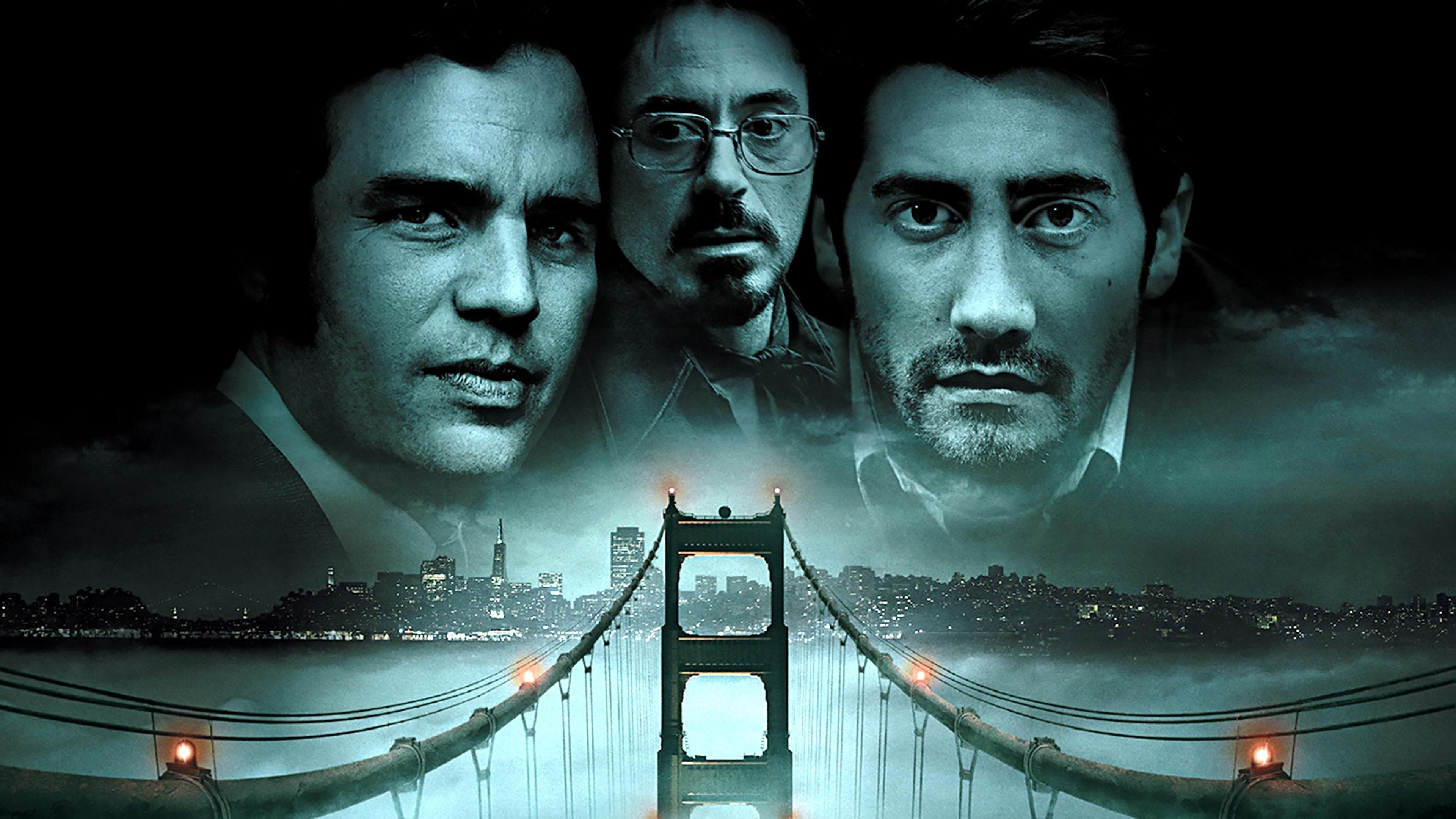
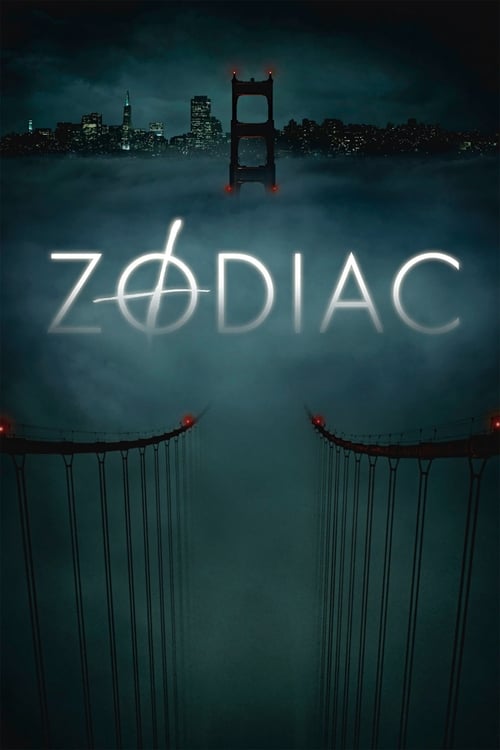
Movie dossier
Zodiac
A procedural masterpiece about obsession, irresolution, and the damage of not knowing.
Latest video signal
Trailer slot ready
A widescreen slot for the newest official trailer, interview, or scene signal when the page has a playable source.
Why it matters
Zodiac is Fincher at his most patient and maybe his most haunted. It is one of the strongest examples of process becoming its own form of doom.
Craft read
Detail accumulation instead of sensationalism
Built through procedure, doubt, and unfinished pursuit
One of the best modern investigations ever put on screen
Themes
Cast and context
Coverage status
A fully shaped Cinema One case: the movie has enough authored context, pathway links, and argument to feel like more than a catalog entry.
Production notes
- • Essential Fincher page.
- • A movie that rewards patience and repeated viewings.
- • Should be framed as one of Fincher’s purest achievements.
Watch-next pathway
What should you do after Zodiac?
Three intentional continuations: stay with the filmmaker, chase the dominant pressure signal, or jump into the shelf or argument that best explains why this movie belongs here.
Fight Club
The cleanest next move if David Fincher's control, obsessions, or rhythm are what hooked you here.
More obsession
Use the taste map to find movies, arguments, and shelves that share this page's strongest signal.
Obsession Engines
Movies where ambition, rivalry, guilt, or control become the whole machine.
Movie-page argument
Defend Zodiac.
If this movie has a scene, performance, ending, or idea people underrate, make the case. The best defenses can become future Cinema One argument material.
Scene challenge
Pick the scene that proves it.
Cinema One is built around scenes that unlock the movie. Tell us which moment carries the pressure, style, argument, or rewatch charge.
Signature scene: the basement conversation
The scene in Arthur Leigh Allen’s basement is a masterclass in ordinary dread. Fincher strips away sensationalism and lets uncertainty do the violence, which is why the scene feels almost unbearably alive even without a conventional payoff.
Line worth carrying forward
"Not many people have basements in California." The line is remembered because it is so small and so loaded, the kind of banal observation that suddenly sounds like a death sentence when paranoia has fully taken hold.
Why the ending haunts
Zodiac ends without the catharsis procedural storytelling usually promises. That lack is the point. Fincher leaves obsession standing where certainty should be, and the movie becomes about the damage unresolved pursuit does to the people who cannot let go.
Steelman the debate
One criticism is that Zodiac can feel emotionally remote because its devotion to detail and process keeps viewers at analytical distance. The best counter is that the distance is exactly the wound. Fincher uses procedure to show lives being slowly reorganized around absence, ambiguity, and the need for answer-shaped closure.
More from this director
Related picks
Read next
David Fincher’s procedural masterpiece gets under the skin by refusing release and letting accumulation itself become the source of dread.
Fincher’s Dragon Tattoo remake endures because research, pattern recognition, and bruised trust become as gripping as any chase scene.
Panic Room works because Fincher turns walls, sightlines, and delays into the whole suspense engine instead of treating them as setup for louder thrills.