
Zodiac and the Way Investigation Turns Into a Life-Consuming Infection
David Fincher’s procedural masterpiece gets under the skin by refusing release and letting accumulation itself become the source of dread.
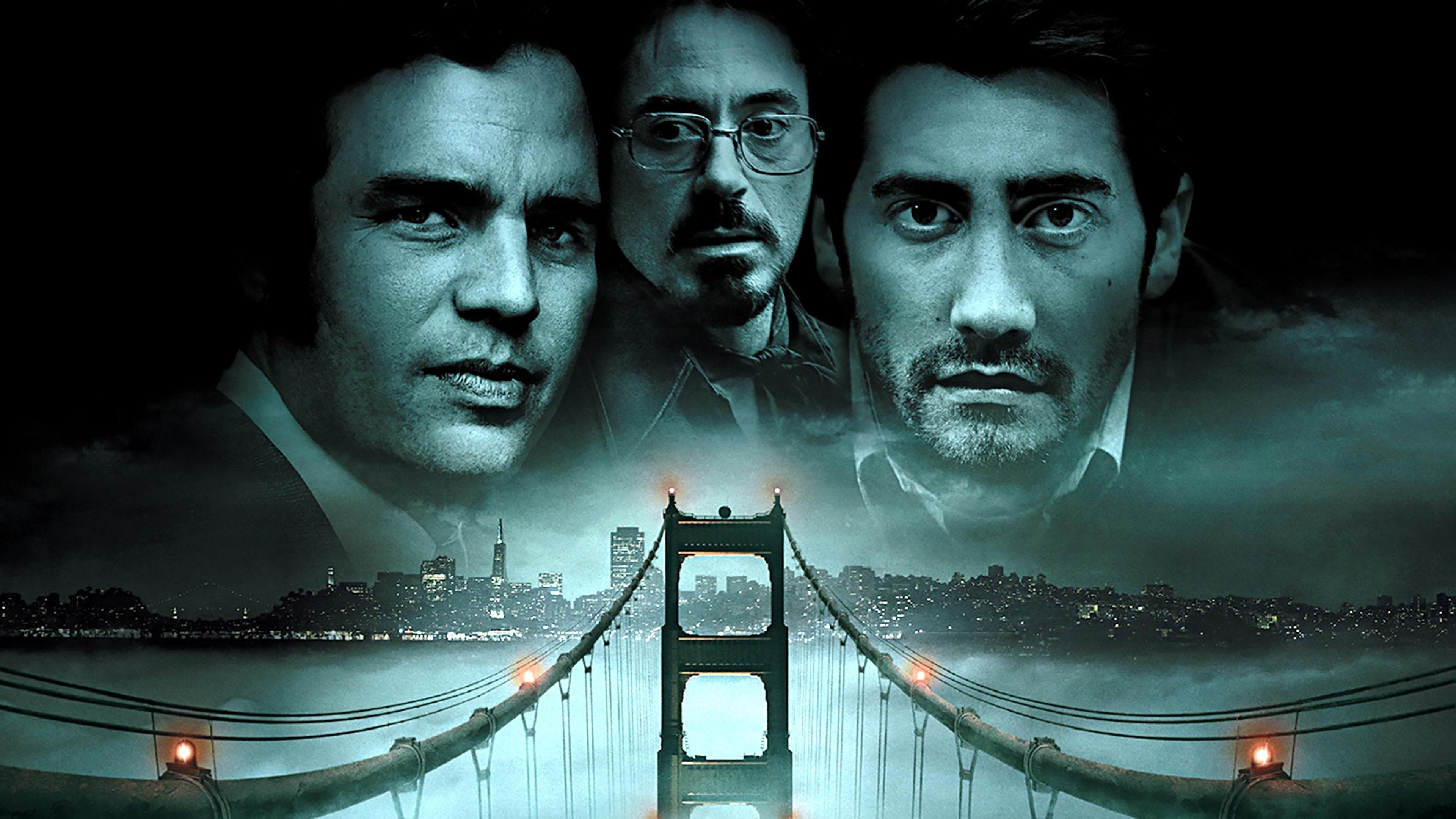
Zodiac is remarkable because it denies almost every pleasure people expect from serial-killer cinema. There is violence, yes, and mystery, yes, but Fincher keeps redirecting attention toward paperwork, interviews, uncertainty, and the years slipping away while nobody can force the world into a solvable shape.
Procedure Without Catharsis
The movie understands that process can be terrifying when process never closes. Police work, journalism, handwriting analysis, witness memory, all of it becomes a field of partial information where progress is real but never sufficient.
Obsession Replaces Resolution
Jake Gyllenhaal's Graysmith becomes the movie's emotional conduit because Zodiac shows curiosity hardening into compulsion. The more data he gathers, the less life exists outside the case, which is why the film starts feeling haunted even when nothing overtly horrifying is happening on screen.
Why the Refusal to Finish Is the Point
Fincher's greatest choice is refusing to counterfeit certainty. Zodiac leaves viewers with arguments, impressions, and a near-belief rather than a triumphant answer, and that lingering incompleteness is exactly what gives the film its sick, enduring power.
Zodiac
2007 • David Fincher
There’s more than one way to lose your life to a killer.
Movies to pair with this read






The Curious Case of Benjamin Button and the Sadness of Meeting Life Out of Sequence
Benjamin Button matters because Fincher treats the reverse-aging premise less like a trick than a way to make timing itself feel tragic.

The Girl with the Dragon Tattoo and the Cold Pleasure of Watching Procedure Cut Through Rot
Fincher’s Dragon Tattoo remake endures because research, pattern recognition, and bruised trust become as gripping as any chase scene.
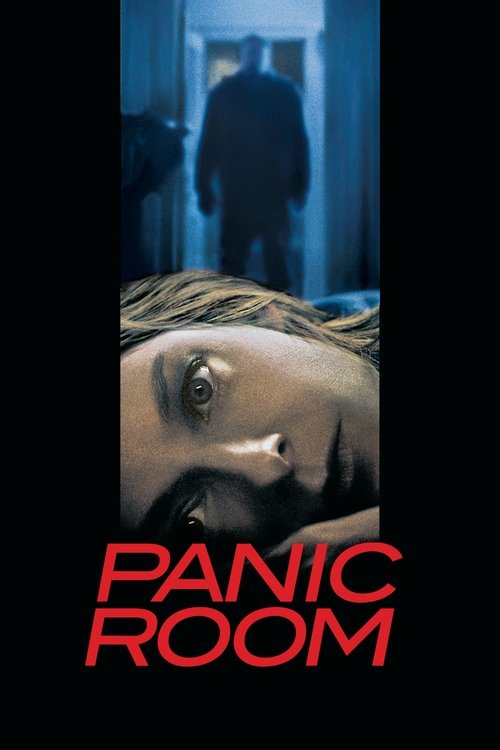
Panic Room and the Virtue of Making Architecture Do the Panicking
Panic Room works because Fincher turns walls, sightlines, and delays into the whole suspense engine instead of treating them as setup for louder thrills.
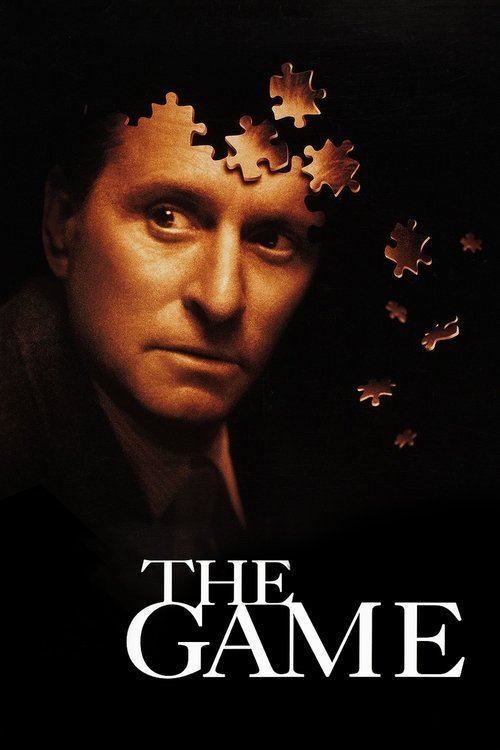
The Game and the Seduction of Letting a System Break You on Purpose
Fincher’s luxury paranoia machine still lands because every escalation turns wealth, control, and self-protection into liabilities instead of armor.