
Panic Room and the Virtue of Making Architecture Do the Panicking
Panic Room works because Fincher turns walls, sightlines, and delays into the whole suspense engine instead of treating them as setup for louder thrills.
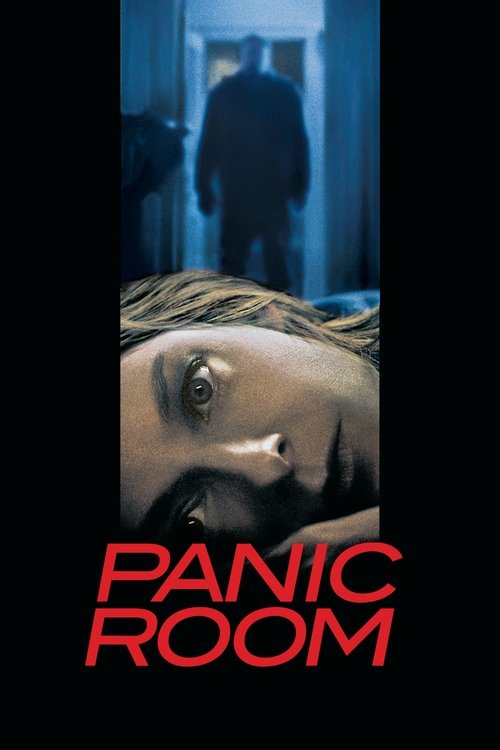
Panic Room is one of the cleanest demonstrations that Fincher does not need sprawl to feel exacting. Give him one brownstone, one mother, one daughter, three intruders, and a supposedly safe room, and he can generate almost everything he needs. The film’s force comes from how quickly it turns spatial clarity into anxiety.
The House as a Machine
What makes the movie so satisfying is that the brownstone is never just location. It is a system of thresholds, blind spots, routes, and bottlenecks. Fincher maps the space so well that every movement carries consequence. Once that map is in your head, suspense does not need explaining. It arrives automatically every time someone reaches a stairwell, a phone line, or a locked door.
Containment Without Smallness
There is a temptation to call Panic Room minor because it is so focused, but the concentration is the achievement. Fincher takes a premise that could have been disposable genre product and gives it geometric confidence, tactile pressure, and just enough emotional grounding through Meg and Sarah to keep the mechanics from feeling abstract.
Why the Movie Has Aged Well
Panic Room looks better over time because it trusts fundamentals. It does not need mythology, sequel hooks, or overbuilt backstory. It believes that screen space, pacing, and a carefully sustained imbalance of information can still carry a thriller. That faith in craft is exactly what makes the movie feel fresh whenever contemporary suspense starts getting noisy and vague.
Panic Room
2002 • David Fincher
It was supposed to be the safest room in the house.
Movies to pair with this read




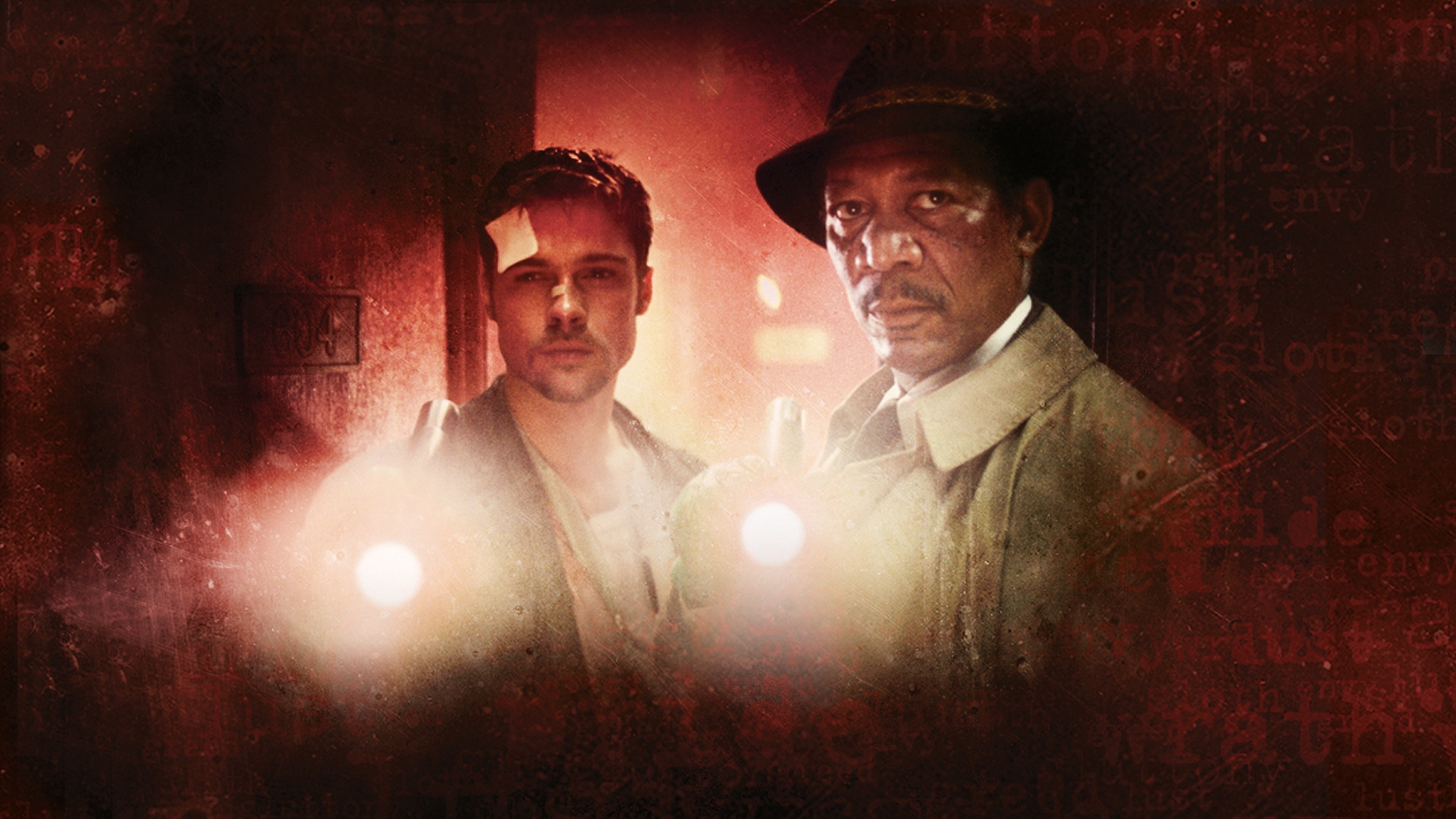
Se7en and the Trick of Making Procedure Feel Spiritually Polluted
Fincher’s serial-killer landmark still lands because every clue, room, and conversation feels touched by the same civic rot as the murders themselves.

The Girl with the Dragon Tattoo and the Cold Pleasure of Watching Procedure Cut Through Rot
Fincher’s Dragon Tattoo remake endures because research, pattern recognition, and bruised trust become as gripping as any chase scene.

The Curious Case of Benjamin Button and the Sadness of Meeting Life Out of Sequence
Benjamin Button matters because Fincher treats the reverse-aging premise less like a trick than a way to make timing itself feel tragic.
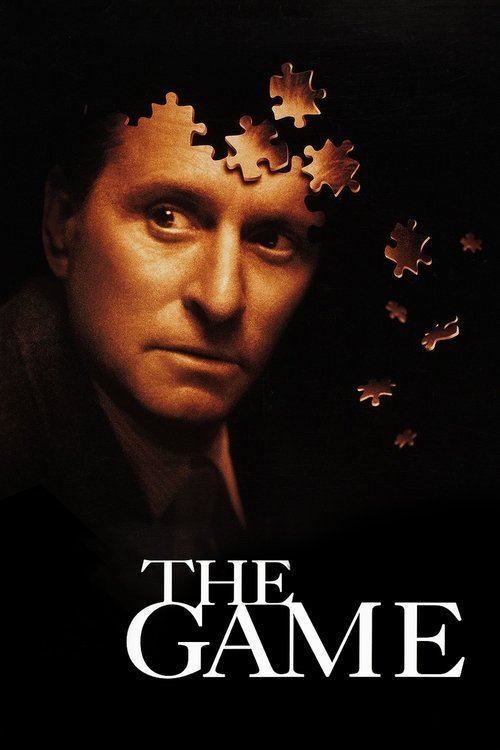
The Game and the Seduction of Letting a System Break You on Purpose
Fincher’s luxury paranoia machine still lands because every escalation turns wealth, control, and self-protection into liabilities instead of armor.