
Gone Girl
Find the movies with rewatch gravity, live dossiers, and unfinished cases worth deepening.
Movie dossier
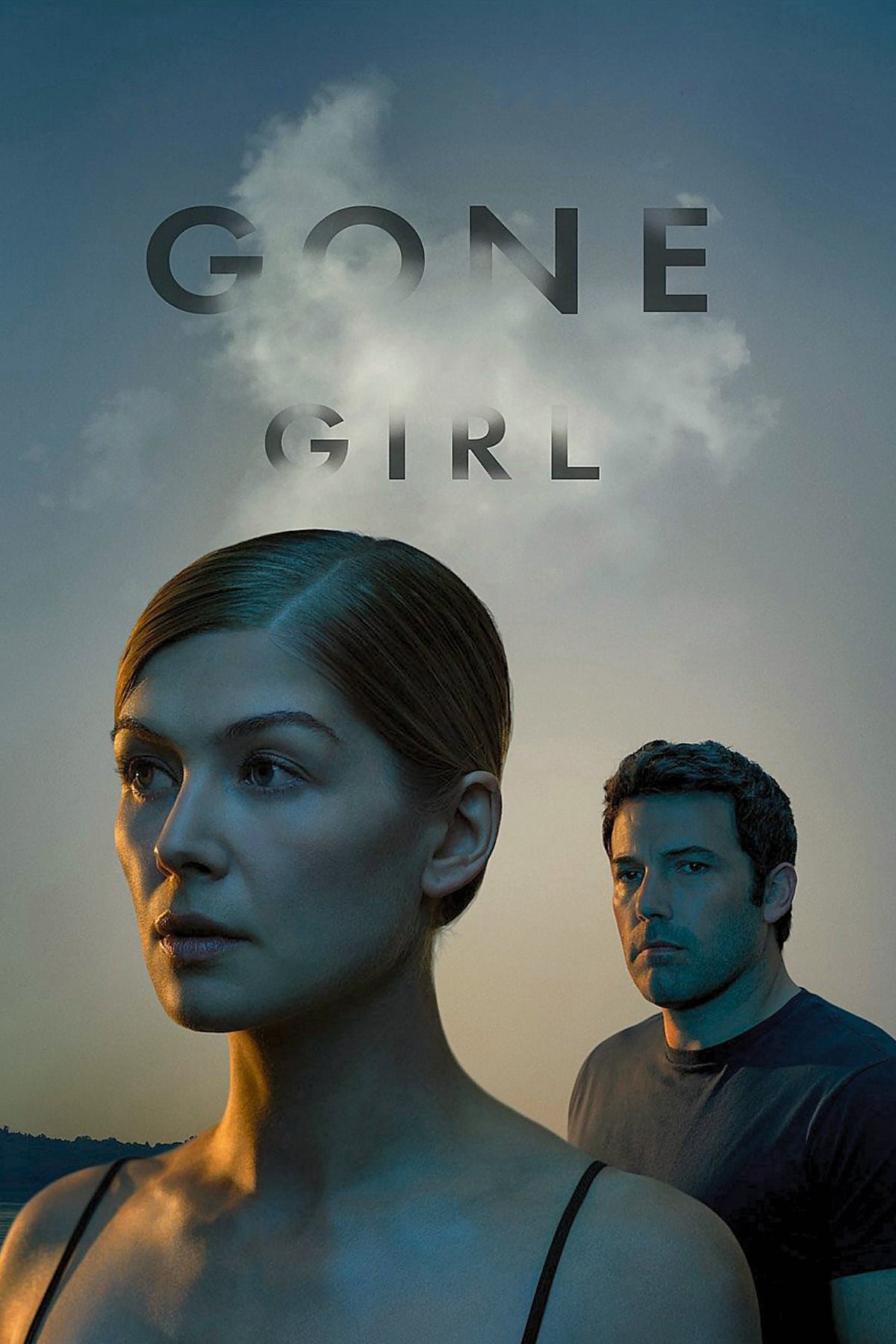
Gone Girl
Marriage as media war, performance trap, and poison entertainment.
Latest video signal
Trailer slot ready
A widescreen slot for the newest official trailer, interview, or scene signal when the page has a playable source.
Why it matters
Gone Girl matters because it shows Fincher operating at a high-pop entertainment level without losing his cruelty or formal control.
Craft read
Cold, vicious, funny, and surgically controlled
Narrative perspective as manipulation weapon
A very rewatchable Fincher hit with bite
Themes
Cast and context
Coverage status
A fully shaped Cinema One case: the movie has enough authored context, pathway links, and argument to feel like more than a catalog entry.
Production notes
- • A major Fincher crowd-pleaser without losing edge.
- • Rosamund Pike is central to why the film stays so charged.
- • Strong candidate for performance and narration modules later.
Watch-next pathway
What should you do after Gone Girl?
Three intentional continuations: stay with the filmmaker, chase the dominant pressure signal, or jump into the shelf or argument that best explains why this movie belongs here.
Fight Club
The cleanest next move if David Fincher's control, obsessions, or rhythm are what hooked you here.
More marriage
Use the taste map to find movies, arguments, and shelves that share this page's strongest signal.
Status Traps
Ambition, reputation management, and movies where climbing the ladder quietly poisons the people doing it.
Movie-page argument
Defend Gone Girl.
If this movie has a scene, performance, ending, or idea people underrate, make the case. The best defenses can become future Cinema One argument material.
Scene challenge
Pick the scene that proves it.
Cinema One is built around scenes that unlock the movie. Tell us which moment carries the pressure, style, argument, or rewatch charge.
Signature scene: Amy’s diary reveal pivot
The mid-film turn works because Gone Girl has spent so long training you to read one kind of marriage thriller. When the perspective flips, Fincher does not just surprise you, he reveals that performance and authorship were the real battleground all along.
Line worth carrying forward
The "cool girl" monologue endures because it is not just a speech, it is Amy weaponizing cultural self-awareness as character design. The line lands as critique, performance, and intimidation at once.
Why the ending feels so poisonous
Gone Girl refuses moral cleansing. It closes on mutual entrapment, image management, and private disgust sealed inside public domesticity, which is exactly why the ending feels so wickedly complete.
Steelman the debate
A real critique is that Gone Girl’s gender warfare can feel so sharpened into satire that people mistake provocation for insight. The best defense is that Fincher and Flynn know exactly how ugly the exaggeration is. The movie is not trying to produce healthy sociology, it is staging marriage, media, and identity as mutually corrupting performance.
Shows up in
More from this director
Related picks
Read next
Gone Girl works because Fincher treats domestic resentment, TV narration, and image management as parts of the same poison system.
Fincher’s Dragon Tattoo remake endures because research, pattern recognition, and bruised trust become as gripping as any chase scene.
Benjamin Button matters because Fincher treats the reverse-aging premise less like a trick than a way to make timing itself feel tragic.