
Gone Girl and the Pleasure of Watching a Marriage Become a Media Weapon
Gone Girl works because Fincher treats domestic resentment, TV narration, and image management as parts of the same poison system.

Gone Girl is one of Fincher’s nastiest entertainments because it understands how quickly a private relationship can become public theater once narrative control enters the room. The movie is not only about a disappearance. It is about branding, performance, and the way a couple can learn to weaponize the versions of themselves other people most want to consume.
Marriage as Competitive Storytelling
What makes the film feel so wicked is that Amy and Nick are not merely mismatched spouses. They are rival narrators. Each one is trying to seize authorship of the same collapsing story, which lets Fincher turn every reveal into a power grab rather than a simple plot twist.
Media Panic as Accelerant
The cable-news ecosystem matters because it turns suspicion into atmosphere. Fincher does not use television as backdrop. He uses it as an amplifier that rewards the most legible version of guilt and victimhood, whether or not that version is true.
Why the Movie Feels Mean in the Right Way
Gone Girl endures because its cynicism is disciplined. The film is funny, cruel, and surgically observant about gender performance, public appetite, and the fantasy that intimacy can survive once everyone involved starts optimizing for optics.
Gone Girl
2014 • David Fincher
You don’t know what you’ve got until it’s...
Movies to pair with this read






The Girl with the Dragon Tattoo and the Cold Pleasure of Watching Procedure Cut Through Rot
Fincher’s Dragon Tattoo remake endures because research, pattern recognition, and bruised trust become as gripping as any chase scene.
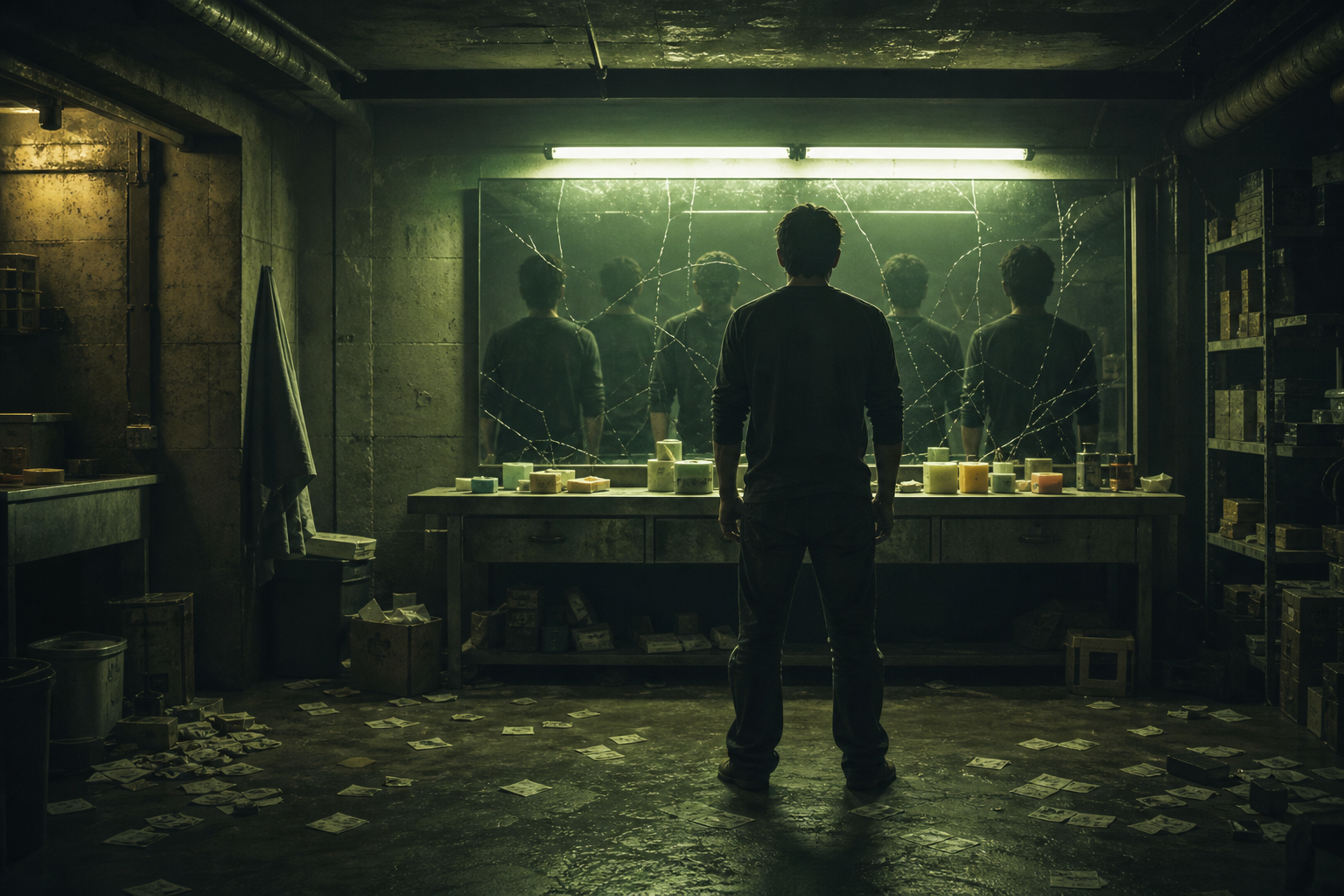
The Psychology Behind Fight Club: Modern Masculinity in Crisis
David Fincher's Fight Club remains a haunting exploration of male identity, consumer culture, and the search for meaning in modern society.
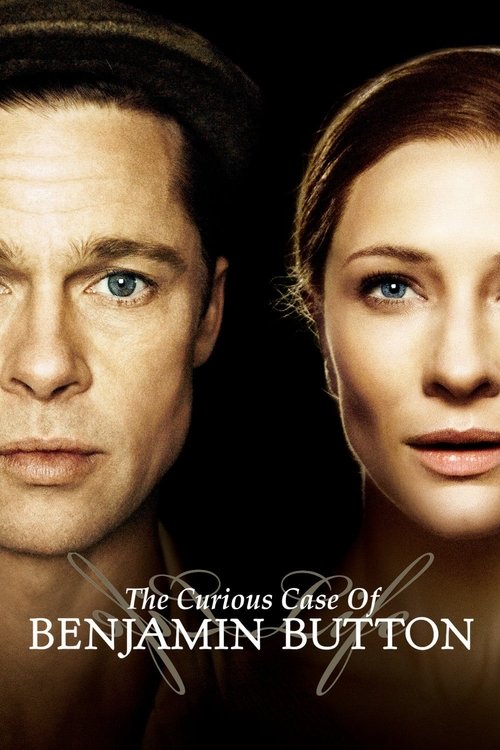
The Curious Case of Benjamin Button and the Sadness of Meeting Life Out of Sequence
Benjamin Button matters because Fincher treats the reverse-aging premise less like a trick than a way to make timing itself feel tragic.
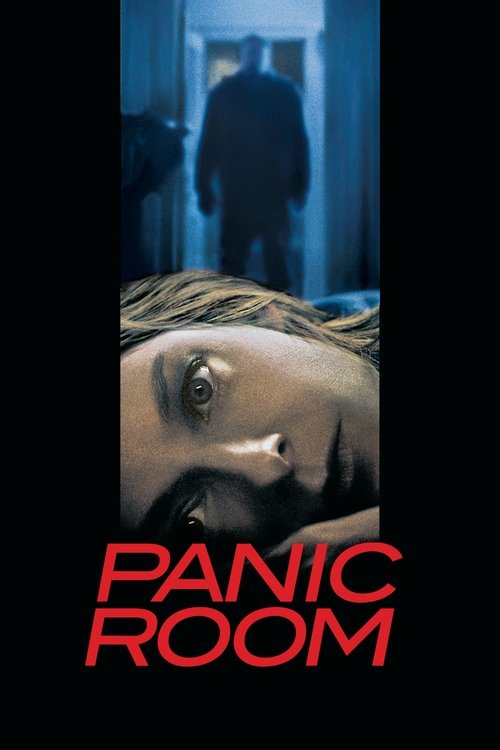
Panic Room and the Virtue of Making Architecture Do the Panicking
Panic Room works because Fincher turns walls, sightlines, and delays into the whole suspense engine instead of treating them as setup for louder thrills.