
The Psychology Behind Fight Club: Modern Masculinity in Crisis
David Fincher's Fight Club remains a haunting exploration of male identity, consumer culture, and the search for meaning in modern society.
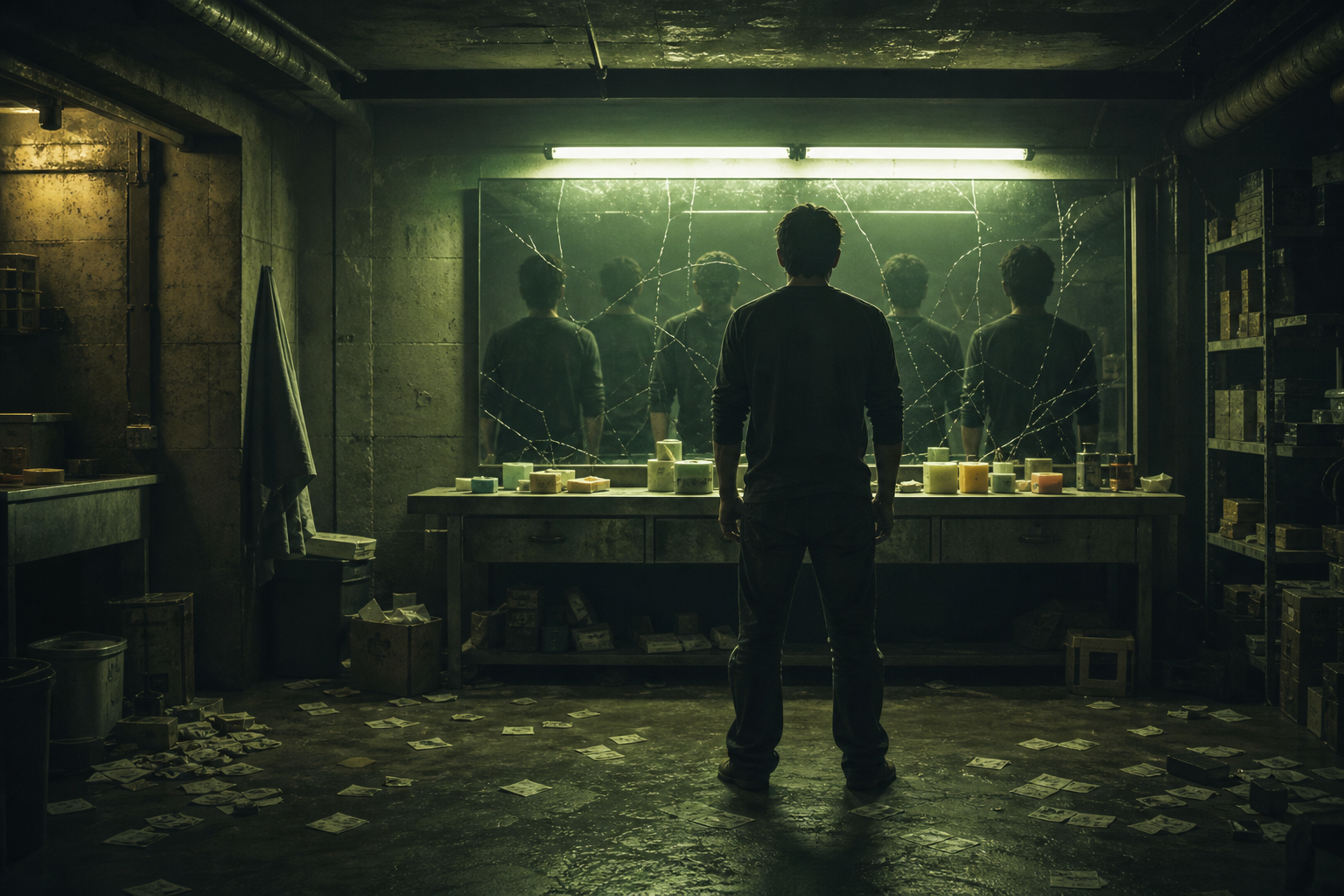
Twenty-five years after its release, Fight Club continues to resonate with audiences as a prescient examination of masculinity in crisis. David Fincher's adaptation of Chuck Palahniuk's novel serves as both a critique of consumer culture and a complex meditation on identity in the modern world.
The Nameless Narrator's Journey
The film’s protagonist, known only as "The Narrator" (Edward Norton), embodies the emasculated modern man, trapped in a cycle of consumption, corporate drudgery, and emotional numbness. His insomnia becomes a metaphor for spiritual awakening, forcing him to confront the emptiness of his existence.
Tyler Durden as the Shadow Self
Tyler Durden represents everything the Narrator wishes he could be, confident, charismatic, and free from societal constraints. The revelation that Tyler is a dissociative identity disorder manifestation transforms the film from critique into psychological warning.
Consumer Culture and Spiritual Emptiness
The film’s famous line about ownership and identity still hits because it turns material comfort into a trap. Fight Club sees consumer life as anesthetic, then asks what kind of violence fills the vacuum.
Legacy and Misinterpretation
Fight Club is often misread as an endorsement of nihilism or macho revolt. It lands harder as a cautionary tale about what happens when grievance, loneliness, and performance masculinity turn into doctrine.


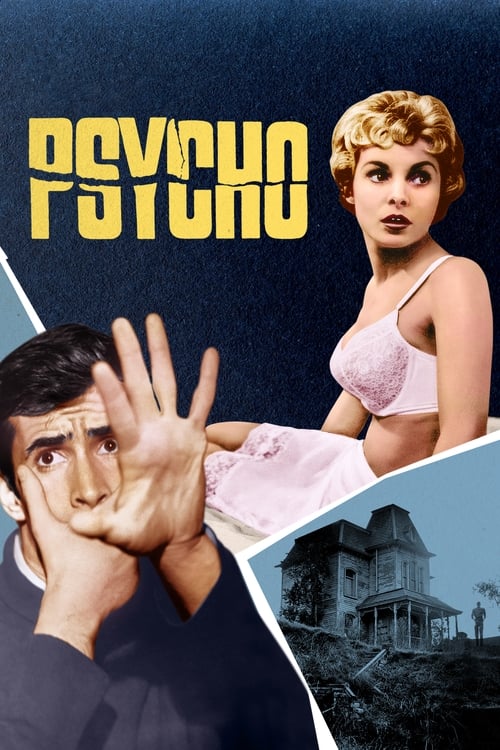



The Girl with the Dragon Tattoo and the Cold Pleasure of Watching Procedure Cut Through Rot
Fincher’s Dragon Tattoo remake endures because research, pattern recognition, and bruised trust become as gripping as any chase scene.

Gone Girl and the Pleasure of Watching a Marriage Become a Media Weapon
Gone Girl works because Fincher treats domestic resentment, TV narration, and image management as parts of the same poison system.
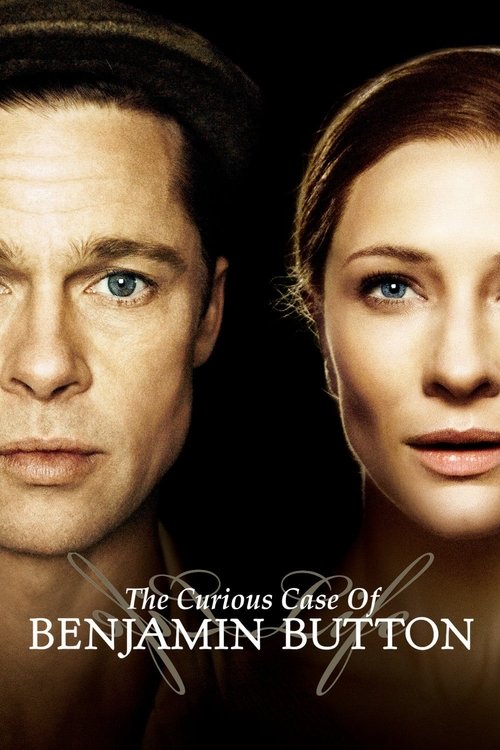
The Curious Case of Benjamin Button and the Sadness of Meeting Life Out of Sequence
Benjamin Button matters because Fincher treats the reverse-aging premise less like a trick than a way to make timing itself feel tragic.
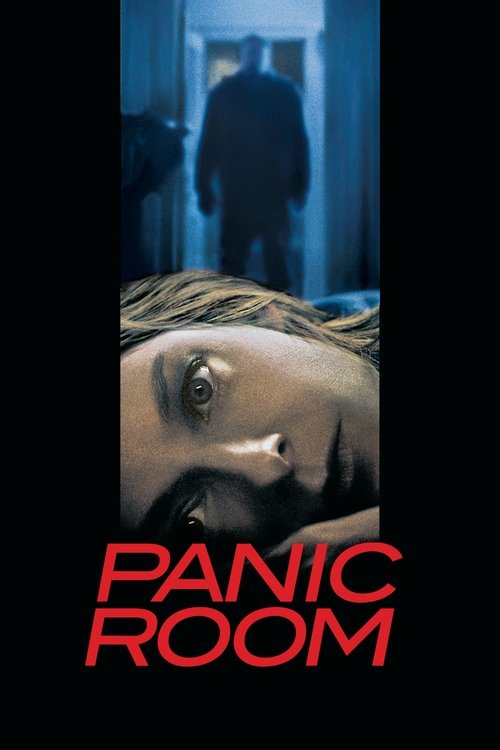
Panic Room and the Virtue of Making Architecture Do the Panicking
Panic Room works because Fincher turns walls, sightlines, and delays into the whole suspense engine instead of treating them as setup for louder thrills.