
Drive and the Thin Line Between Cool and Disappearance
Nicolas Winding Refn’s neo-noir holds because it turns style into a form of loneliness rather than a layer painted on top of the story.
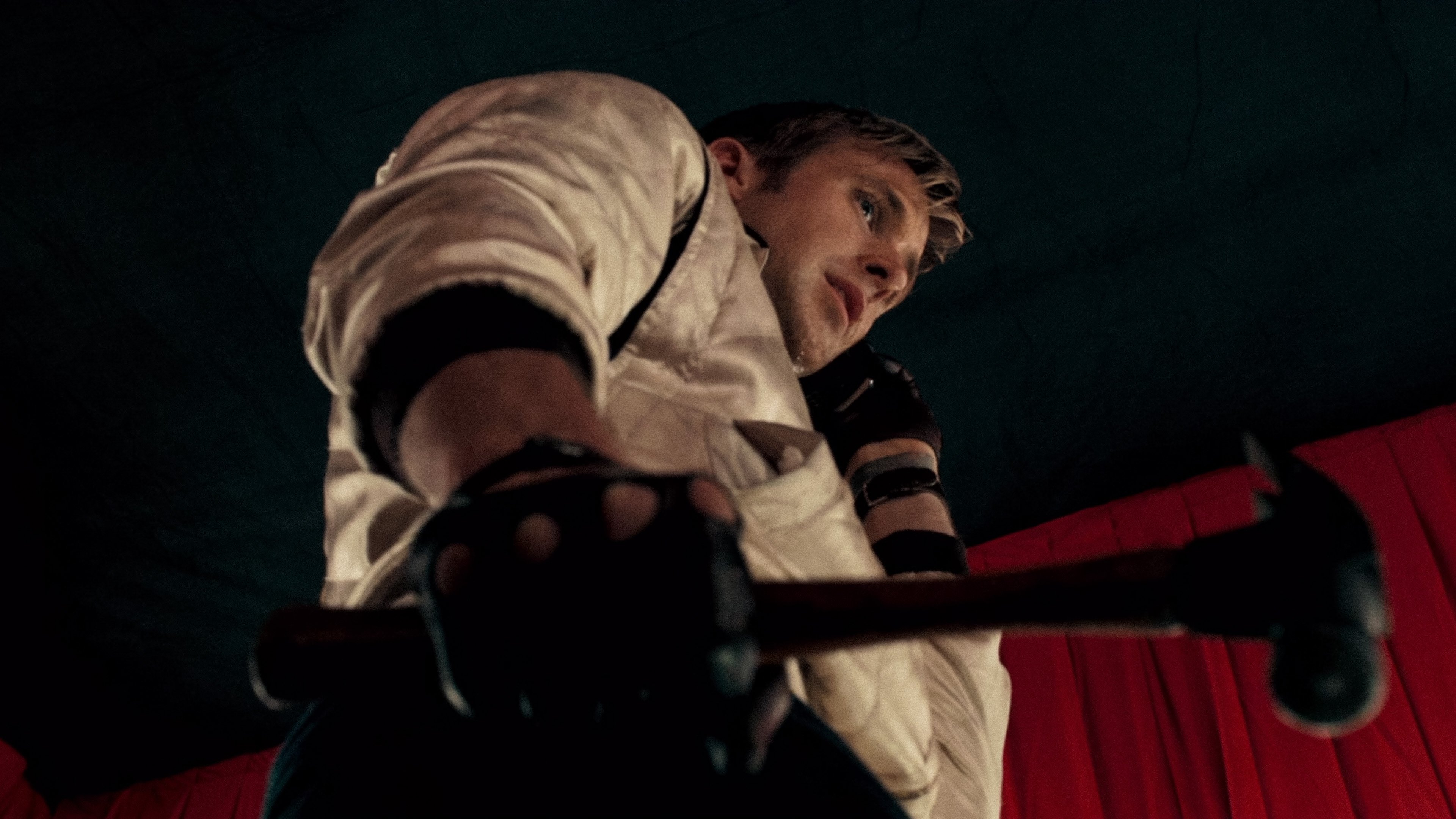
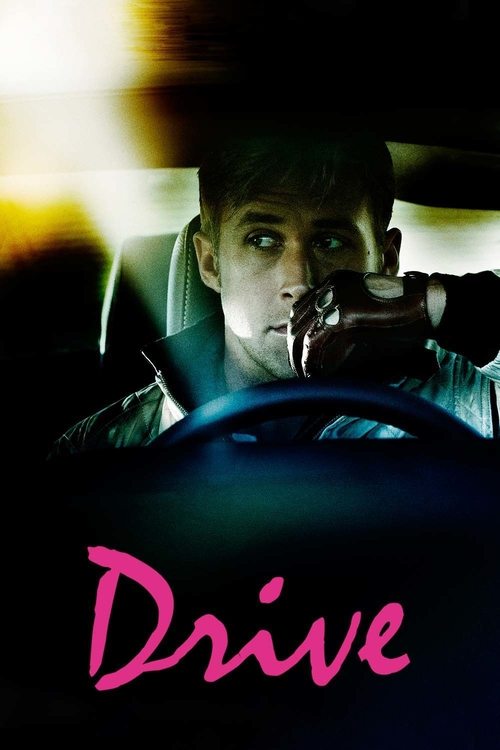
Drive remains one of the defining modern mood movies because it understands that cool only matters when it is carrying fragility. The Driver’s jacket, car, silences, and nighttime routes all look iconic, but the film keeps treating that iconography as a shell around someone who does not know how to live outside function.
When Restraint Becomes Tension
Refn gets enormous mileage out of pauses, glances, and half-finished gestures. The movie does not need much dialogue because it knows withholding can create pressure just as effectively as plot complication.
The Violence Changes the Temperature
Drive would be easy to misremember as all neon smoothness if the violence did not hit so hard. Every sudden eruption reclassifies the fantasy, reminding you that the Driver’s self-control is not serenity, it is containment.
Why the Movie Keeps Its Aura
Many later films borrowed the palette and synth mood, but fewer understood why those choices worked. Drive’s atmosphere is not a brand kit. It is the emotional shape of a character who can only connect by briefly stepping out of a role he inevitably returns to.
Drive
2011 • Nicolas Winding Refn
There are no clean getaways.
Movies to pair with this read


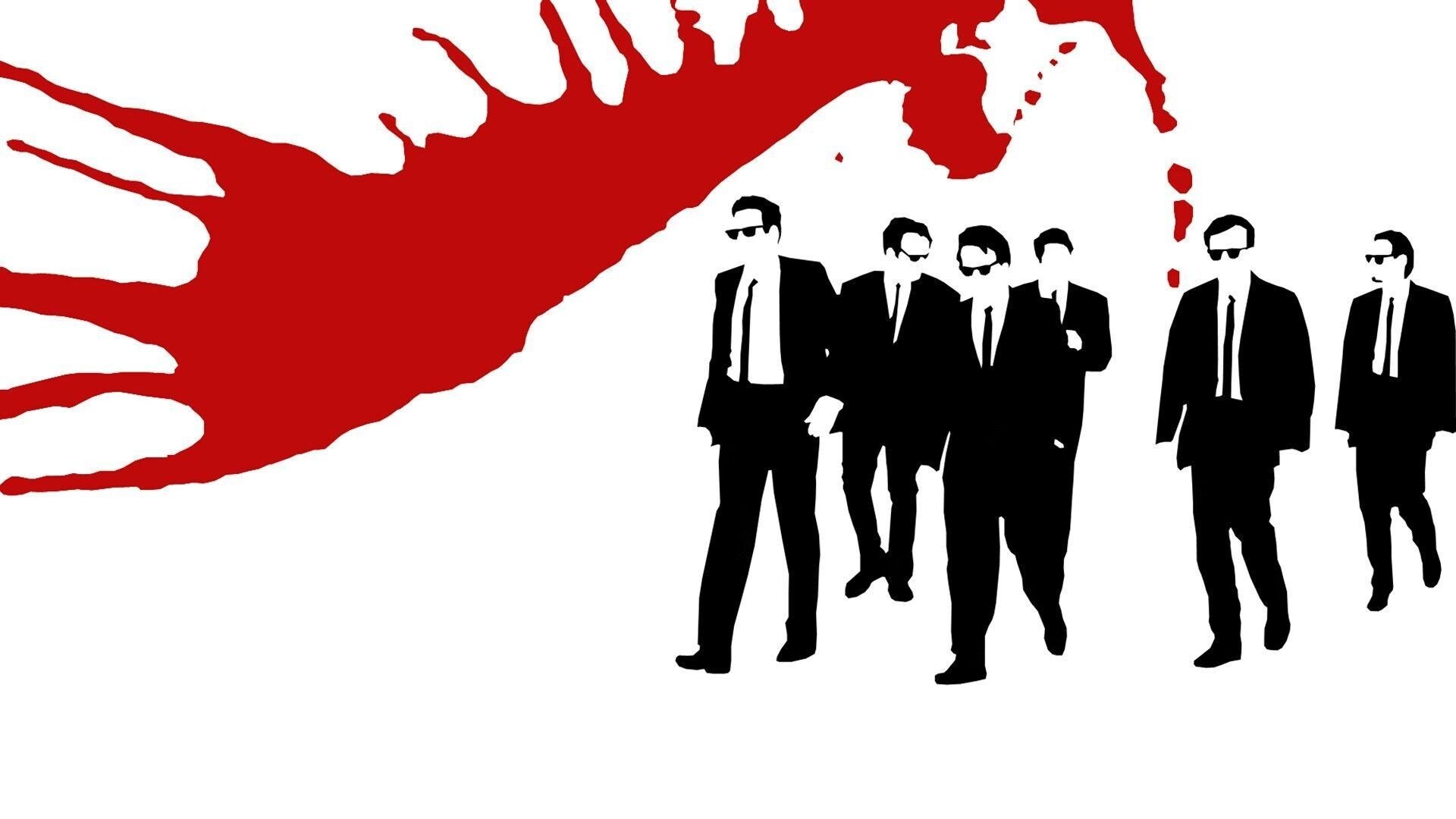
Reservoir Dogs and the Genius of Building a Crime Movie Out of the Aftermath
Tarantino’s debut still crackles because it treats the failed heist as an excuse to trap voice, ego, and suspicion in one room until everyone starts bleeding through their own performance.

Jackie Brown and the Quiet Thrill of Watching Adults Feel Time Closing In
Tarantino’s warmest movie lasts because swagger gives way to patience, compromise, and the ache of people trying to buy back a little room to breathe.
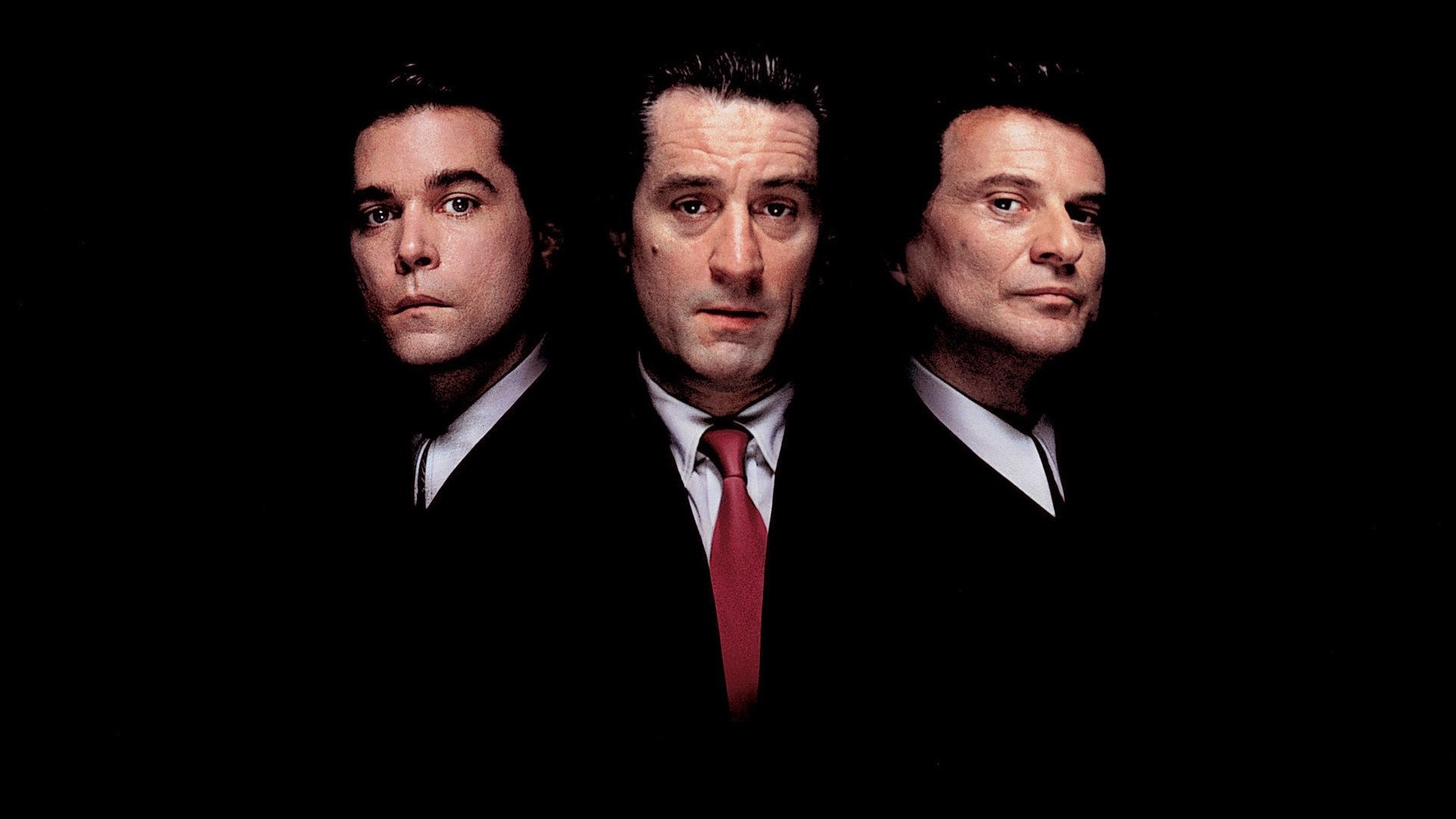
Goodfellas and the Seduction of a Life That Is Already Rotting
What makes Goodfellas immortal is that Scorsese never separates the rush from the critique. The thrill is the delivery system for the emptiness.
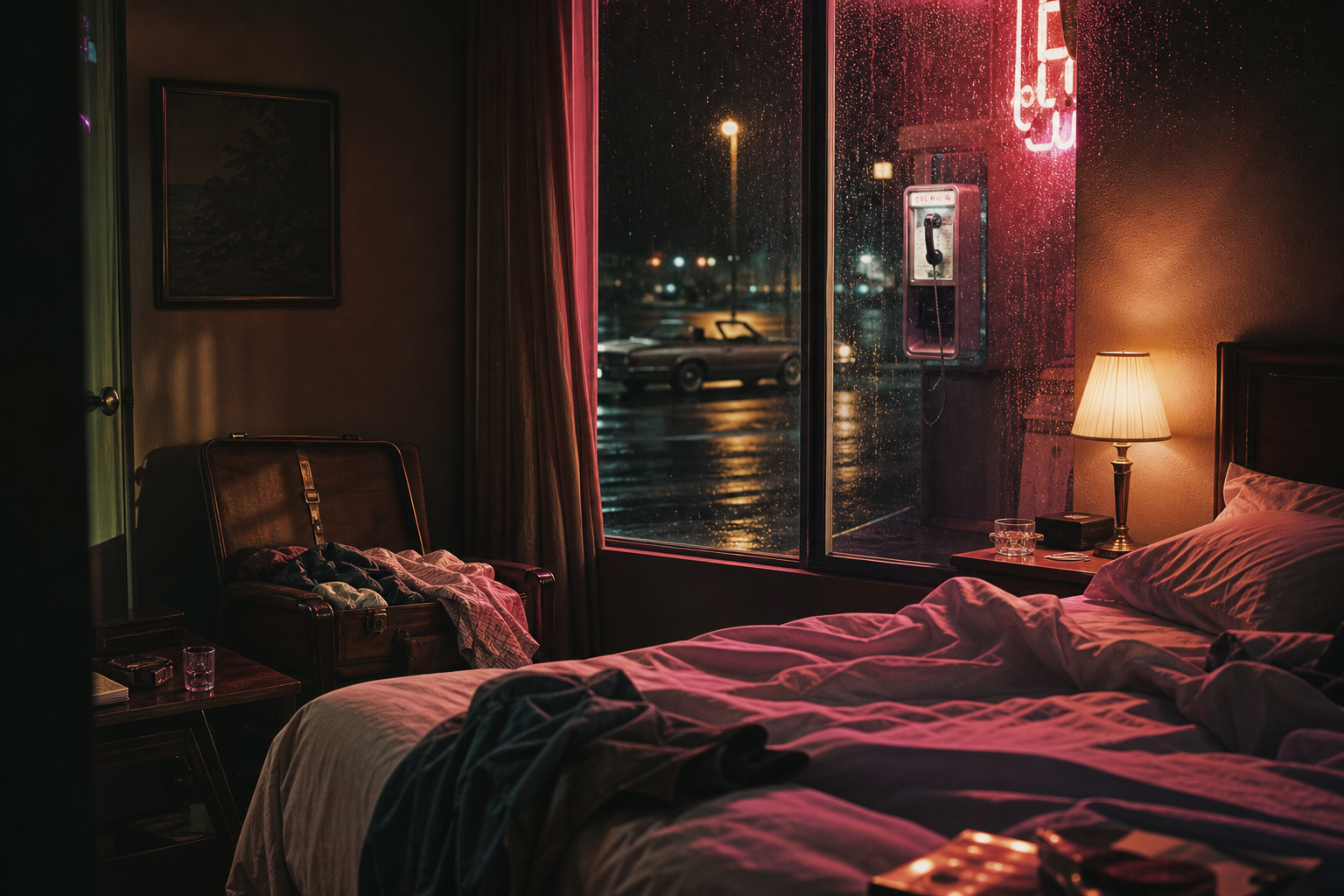
True Romance and the Miracle of Making Recklessness Feel Tender
Tony Scott’s lovers-on-the-run movie still feels special because it never treats style and sincerity as enemies.