
Jackie Brown and the Quiet Thrill of Watching Adults Feel Time Closing In
Tarantino’s warmest movie lasts because swagger gives way to patience, compromise, and the ache of people trying to buy back a little room to breathe.
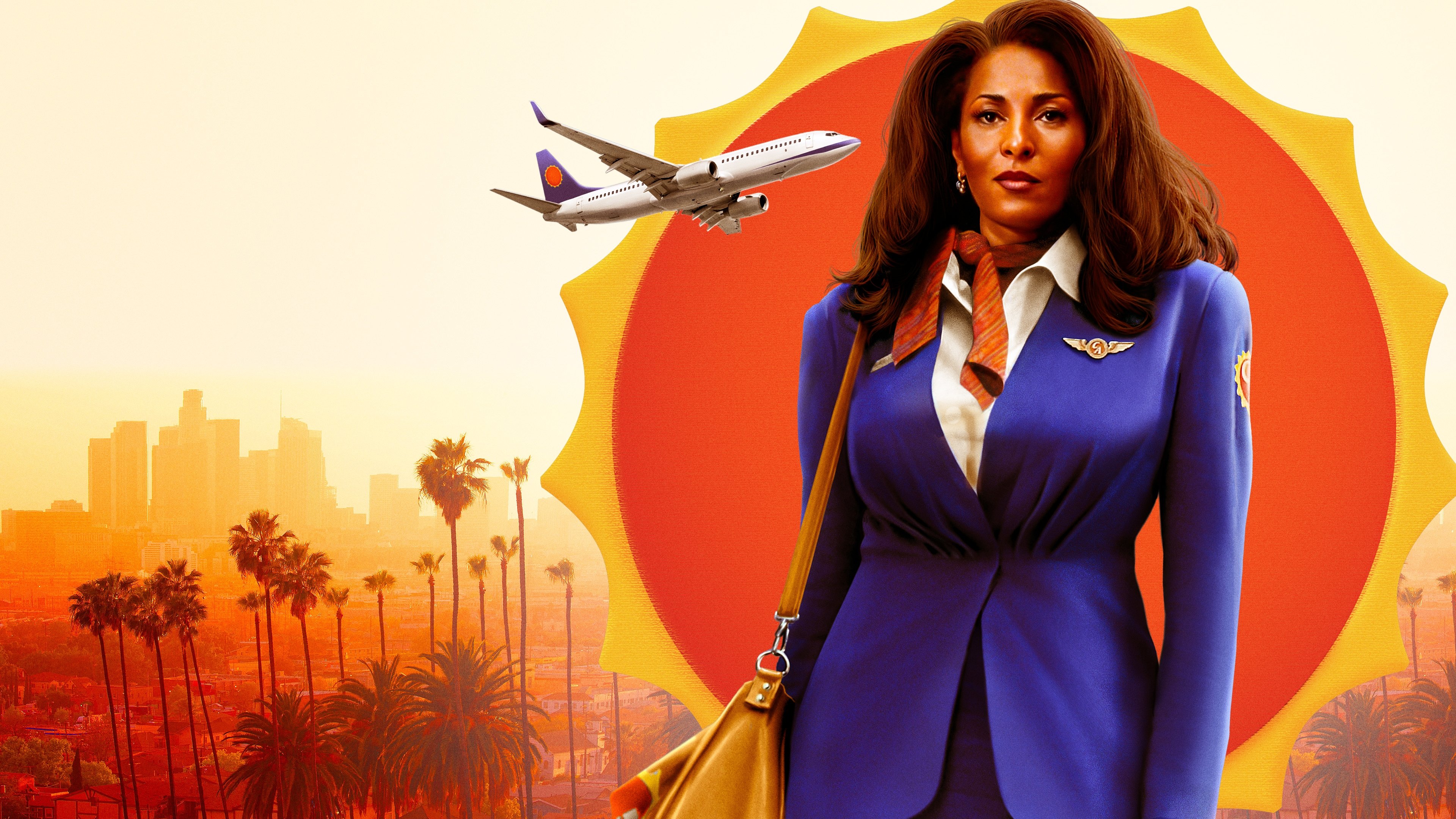
Jackie Brown feels richer every time the Tarantino myth threatens to swallow it. This is the film where he stops treating cool as a surface achievement and starts using it to hide fatigue, caution, and hard-earned intelligence. The movie is full of criminals, schemes, and reversals, but what really gives it life is how aware everyone is of age, money, and diminishing options.
Why Pam Grier Changes the Temperature
Grier’s performance is the movie’s governing intelligence. Jackie is observant, tired, strategic, and never reducible to one note of toughness. Tarantino builds the whole film around the pleasure of watching her measure risk in real time, which makes the cons feel less like puzzle-box games and more like survival decisions made under pressure.
Elmore Leonard Gives Tarantino a Different Rhythm
The adaptation matters because Leonard’s world rewards patience, deadpan observation, and human weakness over maximal flourish. Tarantino does not abandon his voice here, but he slows it down just enough to let longing, routine, and disappointment creep into the frame. That shift is exactly why Jackie Brown feels so emotionally distinct inside his filmography.
A Crime Movie About Small Windows of Escape
What makes the ending land is that Jackie Brown understands victory in modest terms. Nobody is conquering the world. The best outcome available is a little money, a little dignity, and maybe one honest chance to leave before the next bad cycle closes. That realism is what makes the movie’s melancholy feel so earned.
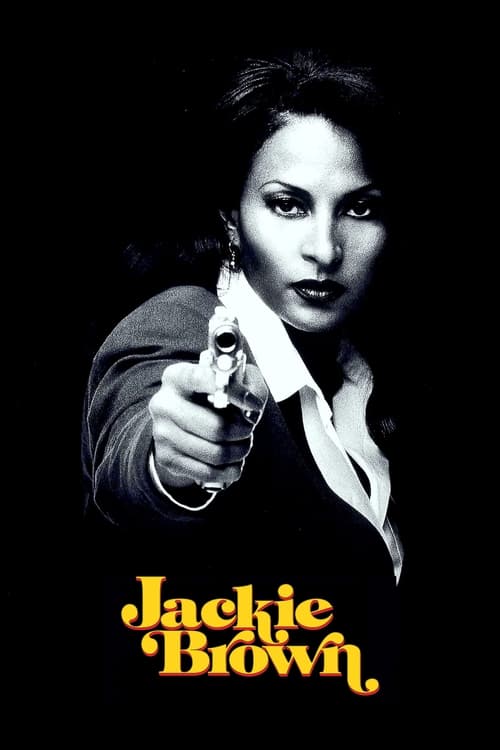
Jackie Brown
1997 • Quentin Tarantino
Six players on the trail of a half million in cash. There’s only one question... Who’s playing who?
Movies to pair with this read



How Tarantino’s Later Films Trade Cool for Consequence
Jackie Brown, Kill Bill: Vol. 2, The Hateful Eight, and Once Upon a Time in Hollywood all reveal a filmmaker getting more interested in aftermath, drift, and emotional residue than in pure pop detonation.
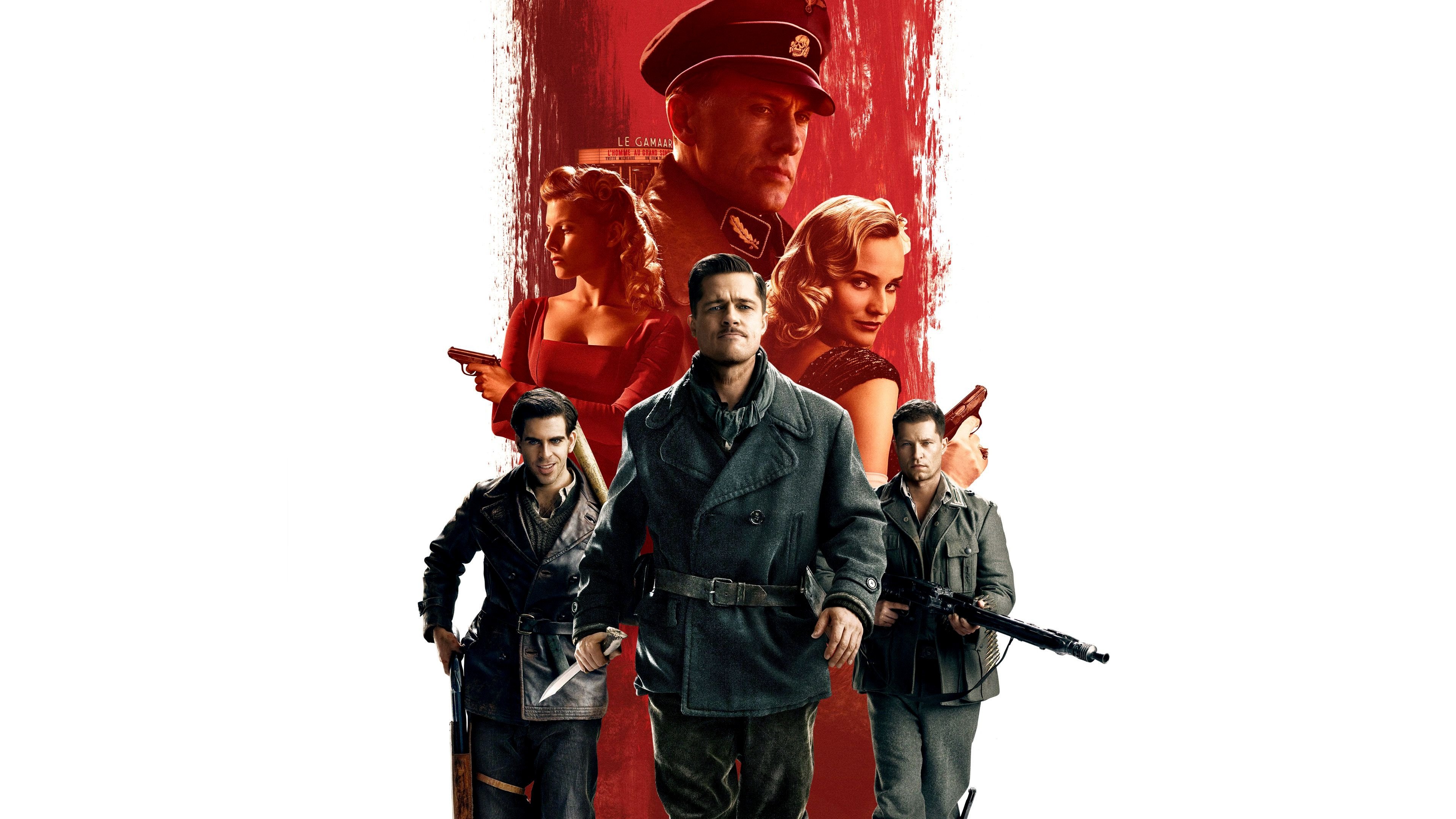
Inglourious Basterds and the Thrill of Turning Language Into a Weapon
Tarantino’s war fantasia works because the suspense is not built on firefights first. It is built on who can control the room, the accent, the cover story, and the next sentence.
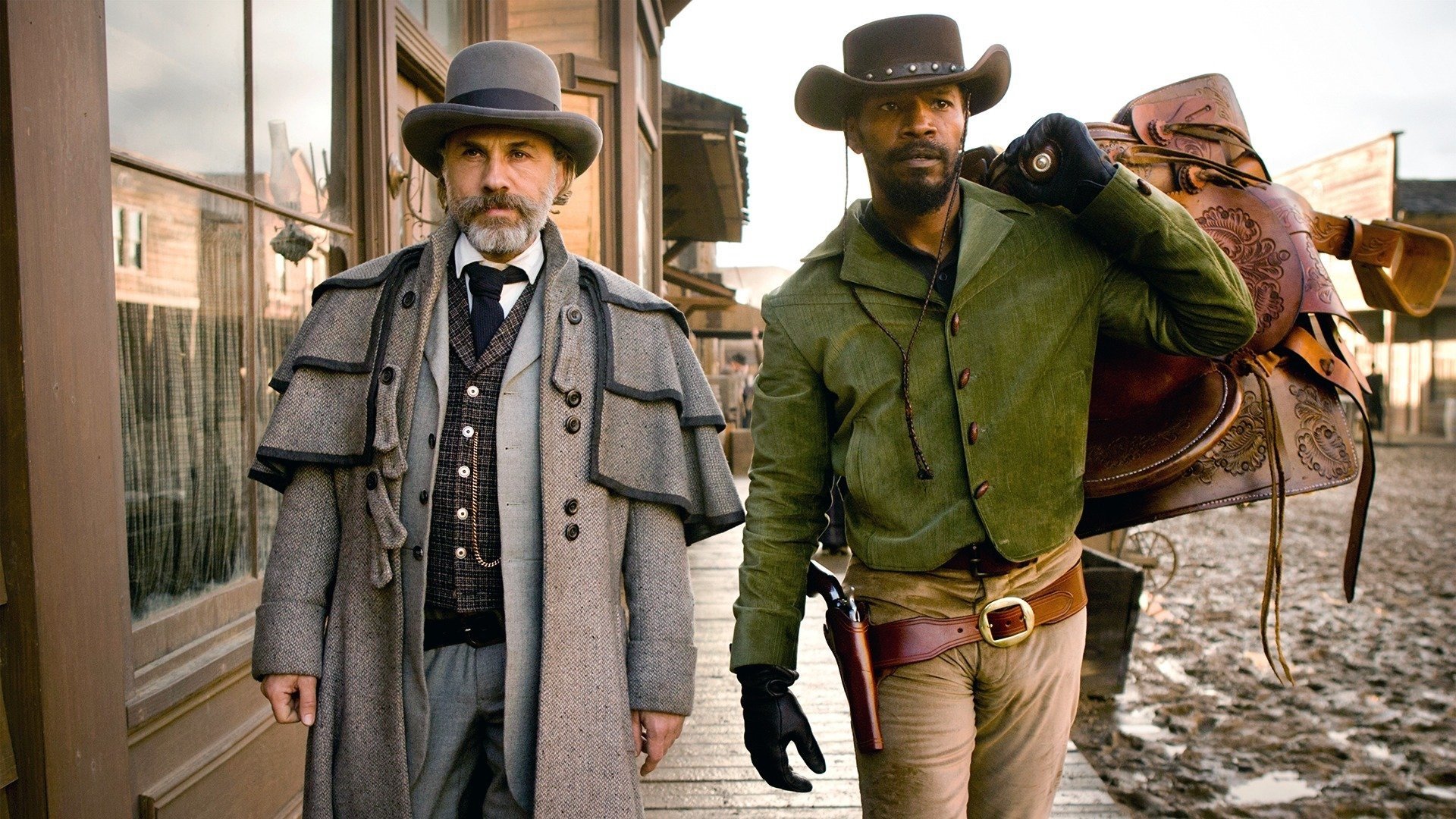
Django Unchained and the Dangerous Charge of Turning History Into Revenge Myth
Django Unchained keeps provoking real argument because Tarantino binds romance, atrocity, comedy, and blood-soaked fantasy into one intentionally unstable western object.
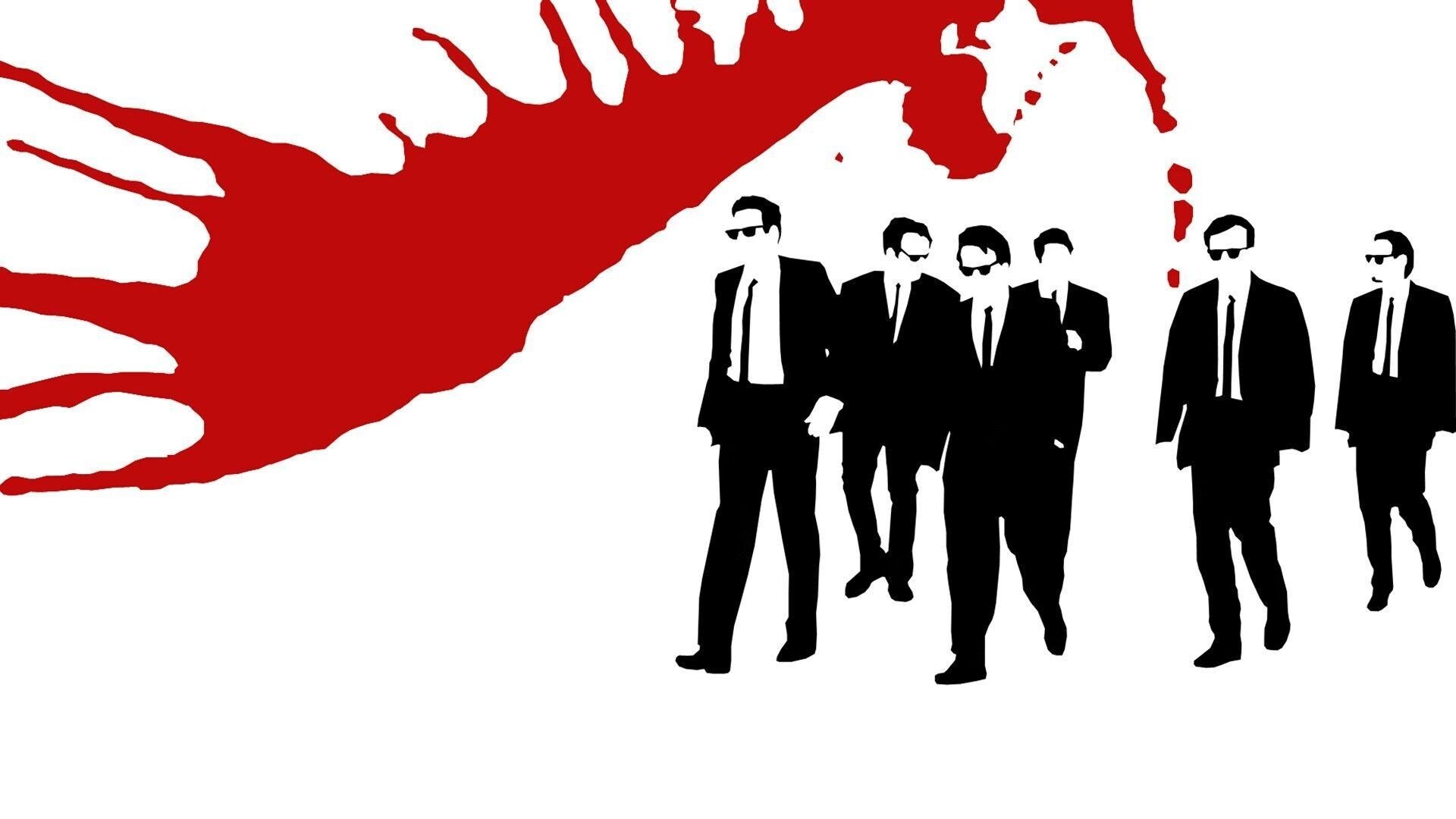
Reservoir Dogs and the Genius of Building a Crime Movie Out of the Aftermath
Tarantino’s debut still crackles because it treats the failed heist as an excuse to trap voice, ego, and suspicion in one room until everyone starts bleeding through their own performance.