How Tarantino’s Later Films Trade Cool for Consequence
Jackie Brown, Kill Bill: Vol. 2, The Hateful Eight, and Once Upon a Time in Hollywood all reveal a filmmaker getting more interested in aftermath, drift, and emotional residue than in pure pop detonation.
Tarantino's reputation can flatten him into a machine for swagger, dialogue fireworks, and blood-spike set pieces. His later work is more interesting than that simplification allows. Jackie Brown, Kill Bill: Vol. 2, The Hateful Eight, and Once Upon a Time in Hollywood all slow the charge just enough to let fatigue, regret, and historical drag seep into the frame.
When Revenge Stops Feeling Clean
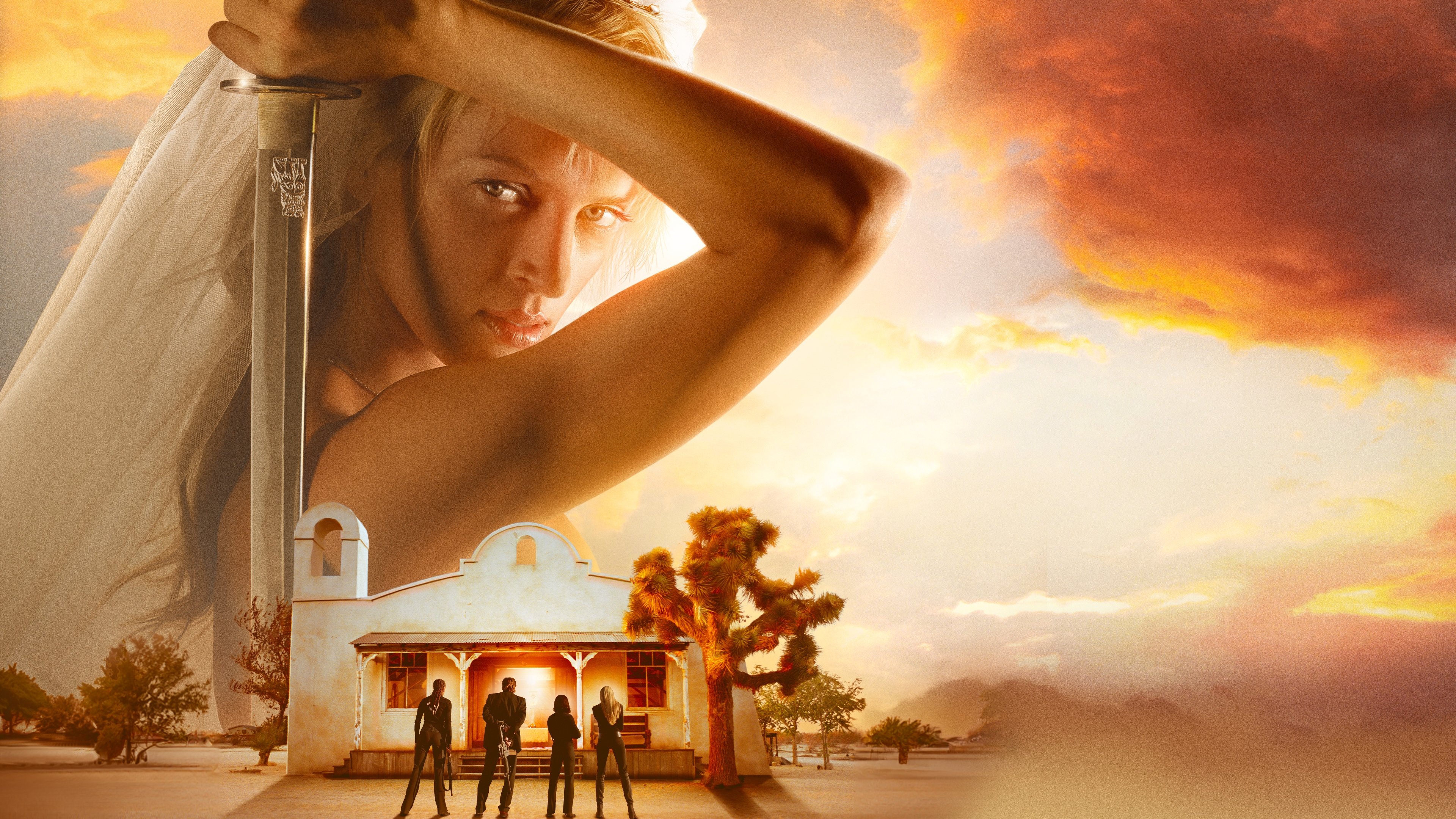
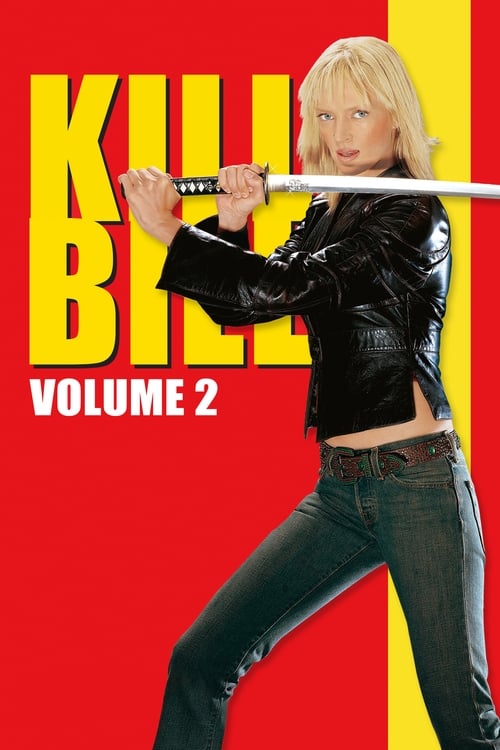
Kill Bill: Vol. 2 matters because it reveals the emotional cost that Vol. 1 can afford to postpone. The fights still matter, but the deeper payoff comes from conversation, buried feeling, and the recognition that vengeance does not restore time. Tarantino lets the movie exhale, and that exhale is where the wound finally shows.
Poison as Atmosphere
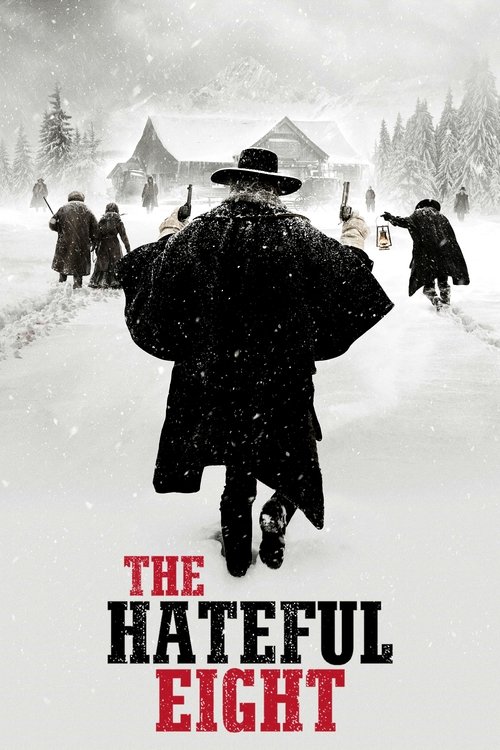
The Hateful Eight pushes in the opposite direction. It is not a movie trying to win affection scene by scene. It traps everyone inside suspicion, performance, and historical rot until the air itself feels corrupted. That ugliness is deliberate. Tarantino is testing how much pressure a room can hold once trust is already dead.
The Mature Tarantino Pulse
Jackie Brown remains the clearest proof that Tarantino can trade maximal flash for patience without losing command. Once Upon a Time in Hollywood extends that patience into melancholy drift, building a Los Angeles memory-piece where hanging out, watching bodies move through space, and feeling an era about to vanish become the real dramatic engine.
Why This Stretch Keeps Growing
What links these films is not softness. It is a deeper interest in consequence. The older Tarantino gets, the more fascinated he seems by people living after the mythic moment, after the gunplay, after the stunt of style has landed. That shift makes the work messier for some viewers, but it also gives the movies a bruised dimension the early-career caricature of Tarantino cannot explain.
Kill Bill: Vol. 2
2004 • Quentin Tarantino
The bride is back for the final cut.
Movies to pair with this read


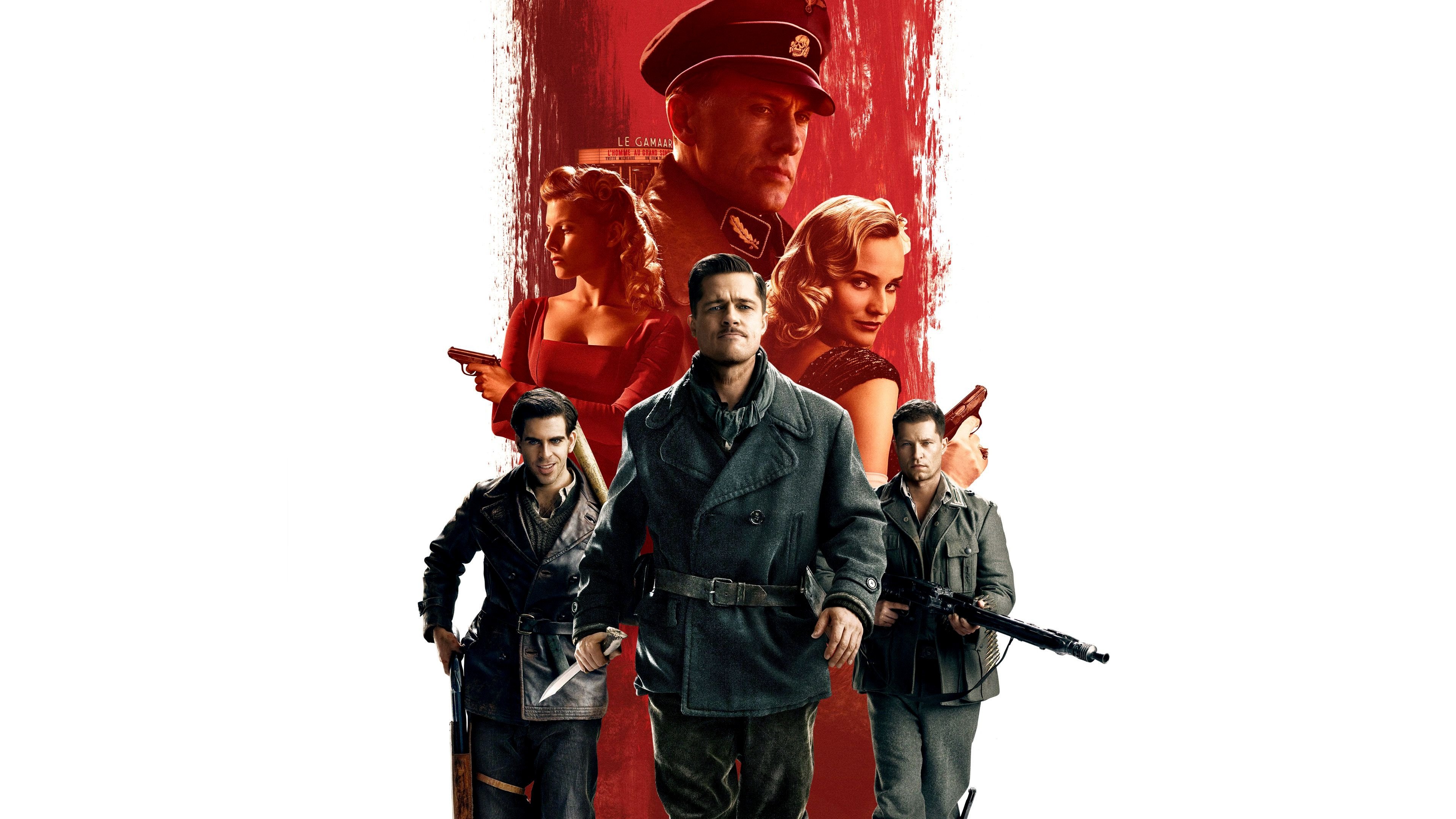
Inglourious Basterds and the Thrill of Turning Language Into a Weapon
Tarantino’s war fantasia works because the suspense is not built on firefights first. It is built on who can control the room, the accent, the cover story, and the next sentence.
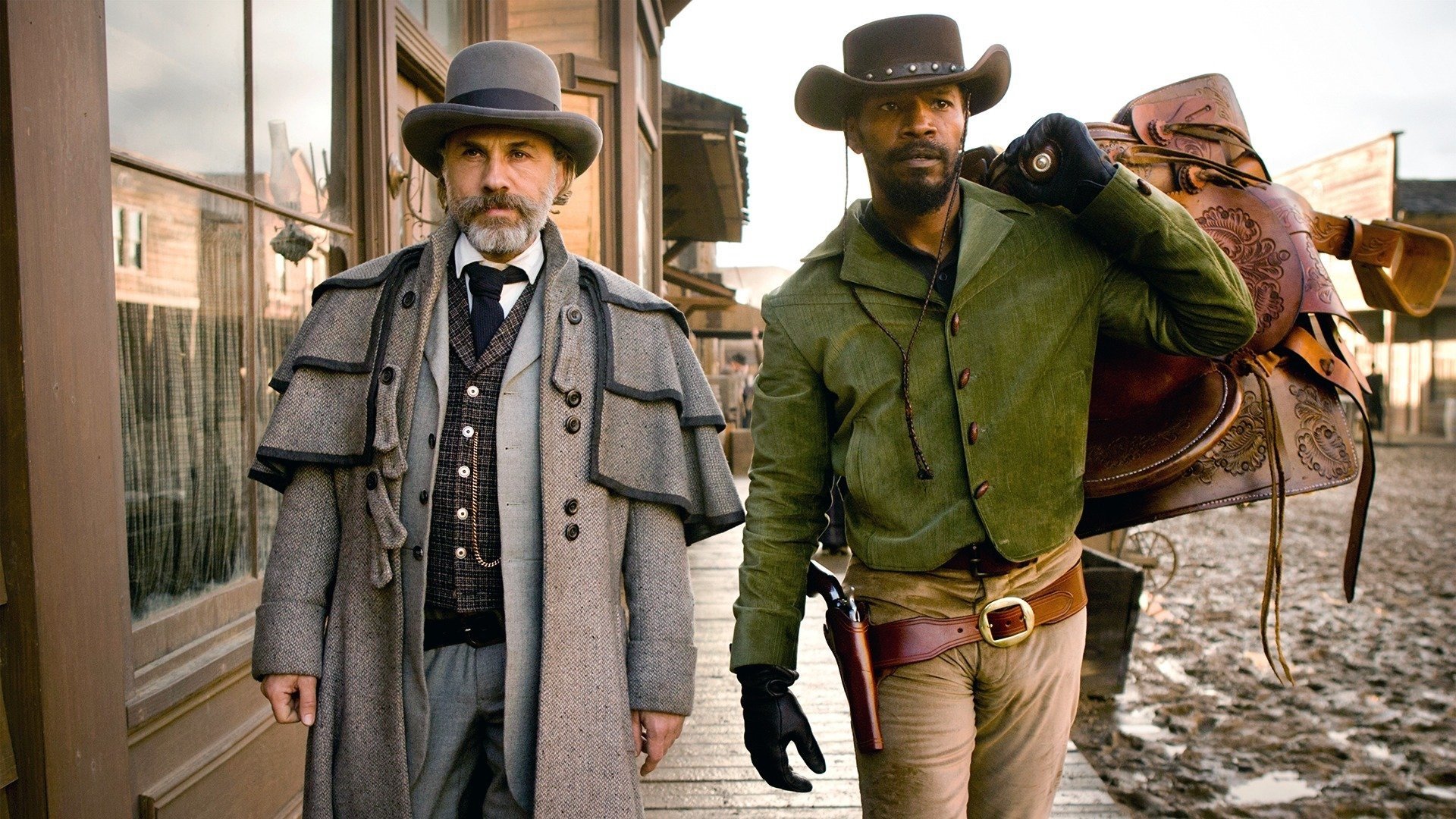
Django Unchained and the Dangerous Charge of Turning History Into Revenge Myth
Django Unchained keeps provoking real argument because Tarantino binds romance, atrocity, comedy, and blood-soaked fantasy into one intentionally unstable western object.
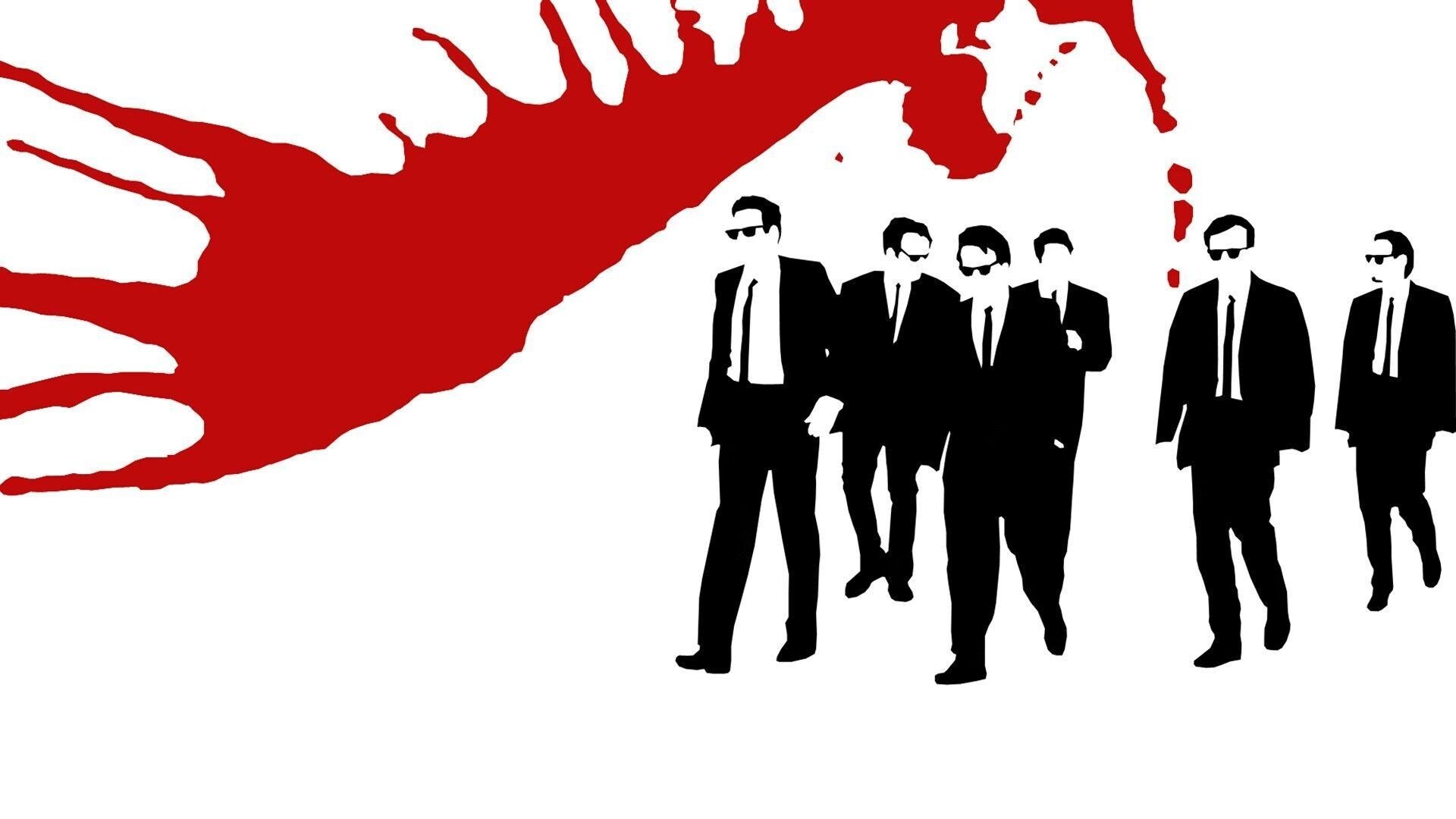
Reservoir Dogs and the Genius of Building a Crime Movie Out of the Aftermath
Tarantino’s debut still crackles because it treats the failed heist as an excuse to trap voice, ego, and suspicion in one room until everyone starts bleeding through their own performance.
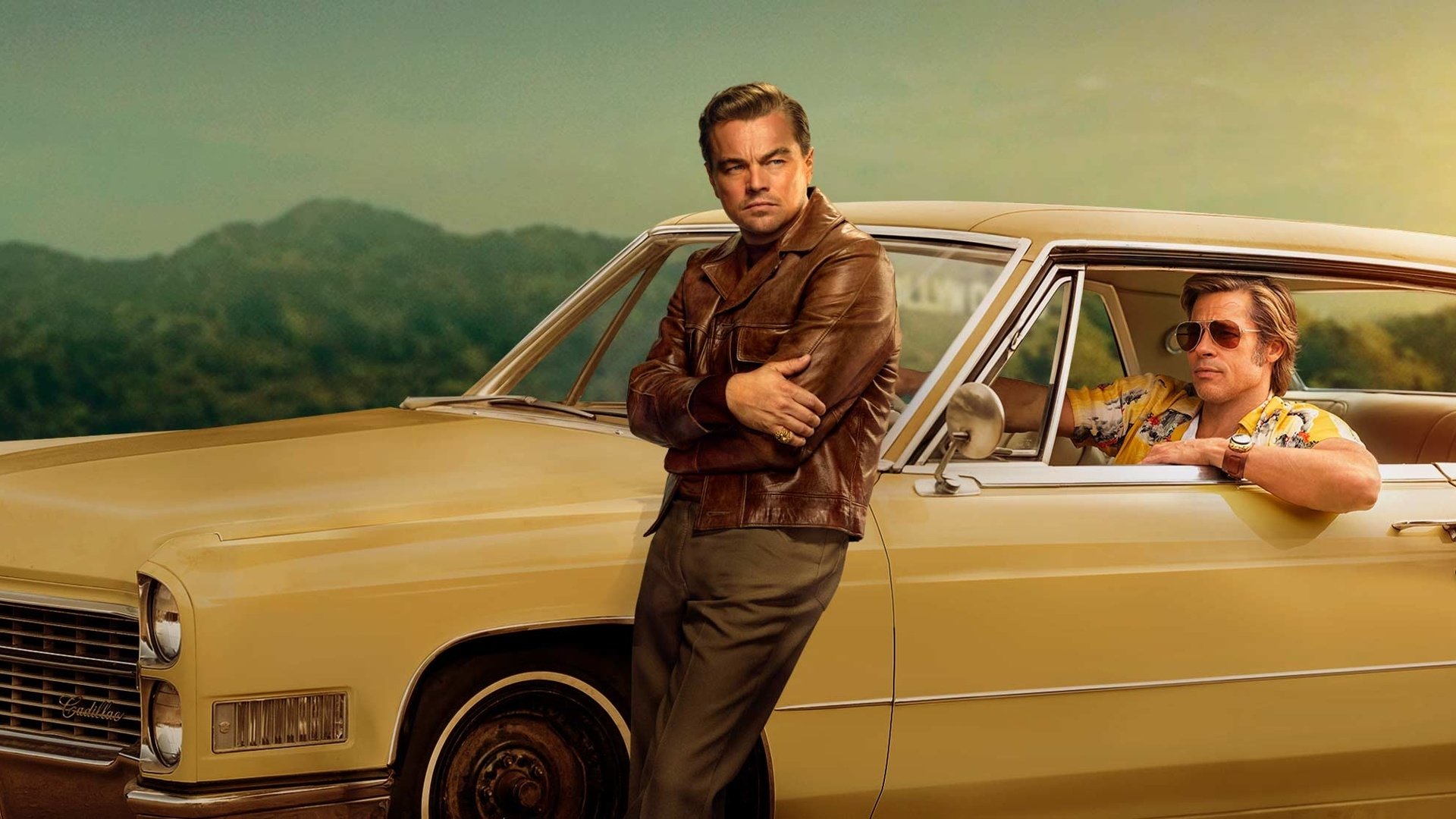
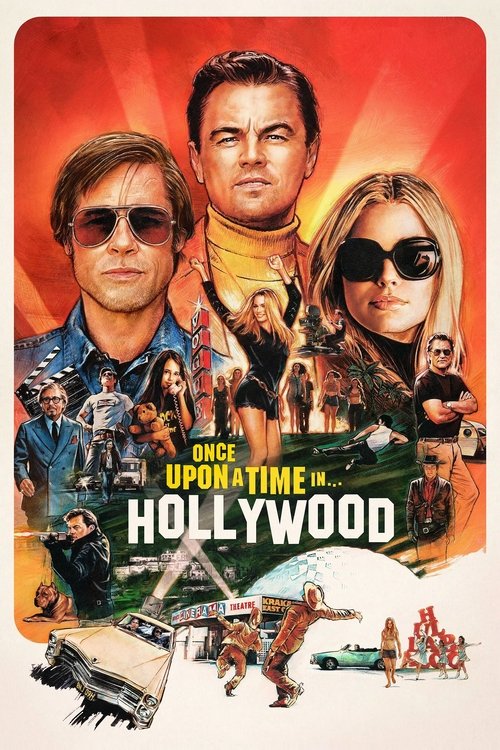
Once Upon a Time in Hollywood and the Strange Grace of Letting a Movie Drift Until History Arrives
Tarantino’s late masterpiece works because its looseness is strategic, building affection, routine, and end-of-era melancholy before the fairy tale turns protective.