Once Upon a Time in Hollywood
Find the movies with rewatch gravity, live dossiers, and unfinished cases worth deepening.
Movie dossier
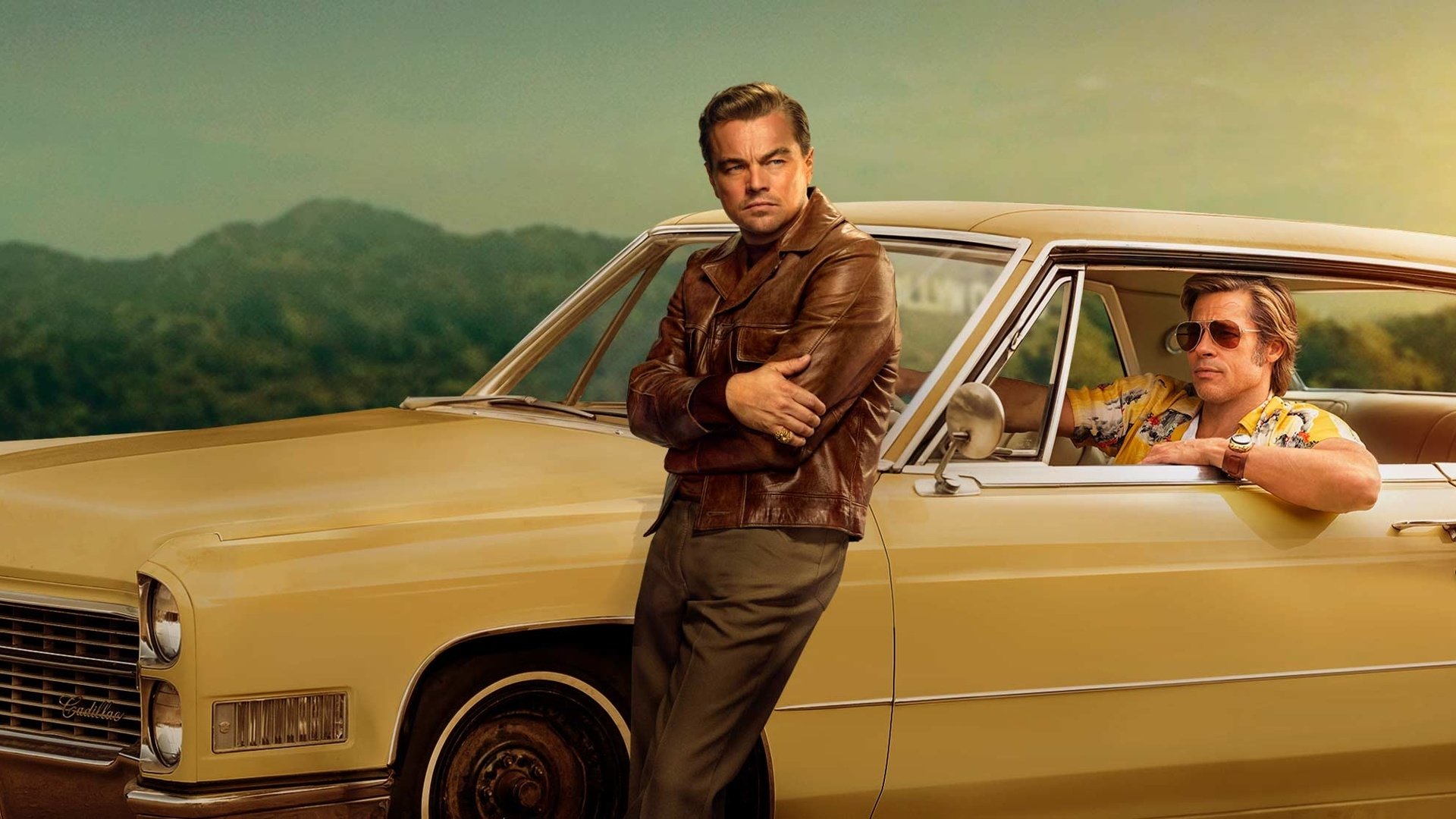
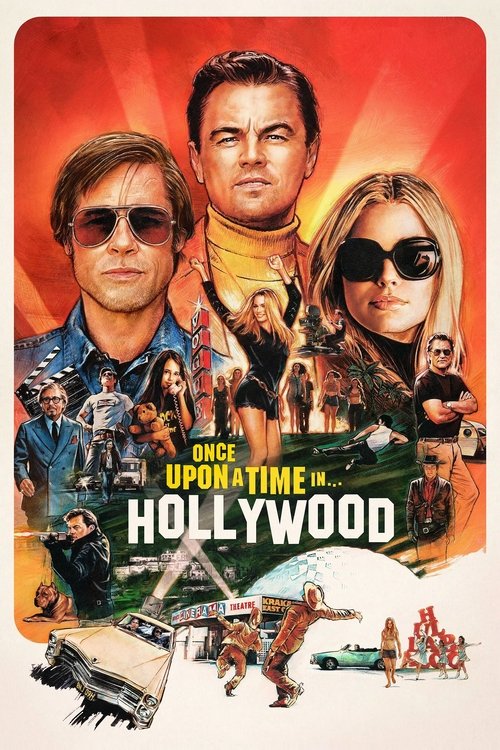
Once Upon a Time in Hollywood
Hangout nostalgia, melancholy drift, and movie-star texture hiding a ghost story about an ending era.
Latest video signal
Trailer slot ready
A widescreen slot for the newest official trailer, interview, or scene signal when the page has a playable source.
Why it matters
This one matters because it shows Tarantino loosening up without losing control. It is funny, wistful, detailed, and deeply tied to the idea of film culture as memory.
Craft read
A world built out of mood, detail, and period drift
More wistful and elegiac than many Tarantino films
Important because Cliff Booth now extends into the Fincher lane too
Themes
Cast and context
Coverage status
A fully shaped Cinema One case: the movie has enough authored context, pathway links, and argument to feel like more than a catalog entry.
Production notes
- • A key late Tarantino page with unusually rich hangout, memory, and movie-history texture.
- • Brad Pitt is central to the movie’s loose dangerous charm.
- • Cliff Booth’s afterlife gives the film a second shadow now, making the loose hangout charm feel newly connected to a stranger future object.
Watch-next pathway
What should you do after Once Upon a Time in Hollywood?
Three intentional continuations: stay with the filmmaker, chase the dominant pressure signal, or jump into the shelf or argument that best explains why this movie belongs here.
Pulp Fiction
The cleanest next move if Quentin Tarantino's control, obsessions, or rhythm are what hooked you here.
More nostalgia
Use the taste map to find movies, arguments, and shelves that share this page's strongest signal.
Manufactured Dreams
Movies about performance, mythmaking, show-business machinery, and the strange cost of turning fantasy into public image.
Movie-page argument
Defend Once Upon a Time in Hollywood.
If this movie has a scene, performance, ending, or idea people underrate, make the case. The best defenses can become future Cinema One argument material.
Scene challenge
Pick the scene that proves it.
Cinema One is built around scenes that unlock the movie. Tell us which moment carries the pressure, style, argument, or rewatch charge.
Signature scene: Cliff at Spahn Ranch
Spahn Ranch is the movie’s danger pocket. The whole film has been loose and wandering, then suddenly Tarantino compresses everything into unease, performance, and the possibility of violence.
Line worth carrying forward
Rick Dalton’s little eruptions and self-recriminations matter because they give the film its bruised humanity. The movie loves movie-star surface, but it also loves watching that surface crack.
Why the ending is moving
The finale is outrageous, funny, and then unexpectedly tender. Tarantino turns revisionism into an act of mourning, and that is why the last gate opening feels almost dreamlike.
Steelman the debate
Some viewers see Once Upon a Time in Hollywood as minor Tarantino, too loose and indulgent to justify its running time. The strongest answer is that looseness is the point. The film is trying to make you live inside a disappearing culture long enough for nostalgia, dread, and mourning to become inseparable.
More from this director
Related picks
Read next
Jackie Brown, Kill Bill: Vol. 2, The Hateful Eight, and Once Upon a Time in Hollywood all reveal a filmmaker getting more interested in aftermath, drift, and emotional residue than in pure pop detonation.
Tarantino’s late masterpiece works because its looseness is strategic, building affection, routine, and end-of-era melancholy before the fairy tale turns protective.
Tarantino’s war fantasia works because the suspense is not built on firefights first. It is built on who can control the room, the accent, the cover story, and the next sentence.