Once Upon a Time in Hollywood and the Strange Grace of Letting a Movie Drift Until History Arrives
Tarantino’s late masterpiece works because its looseness is strategic, building affection, routine, and end-of-era melancholy before the fairy tale turns protective.
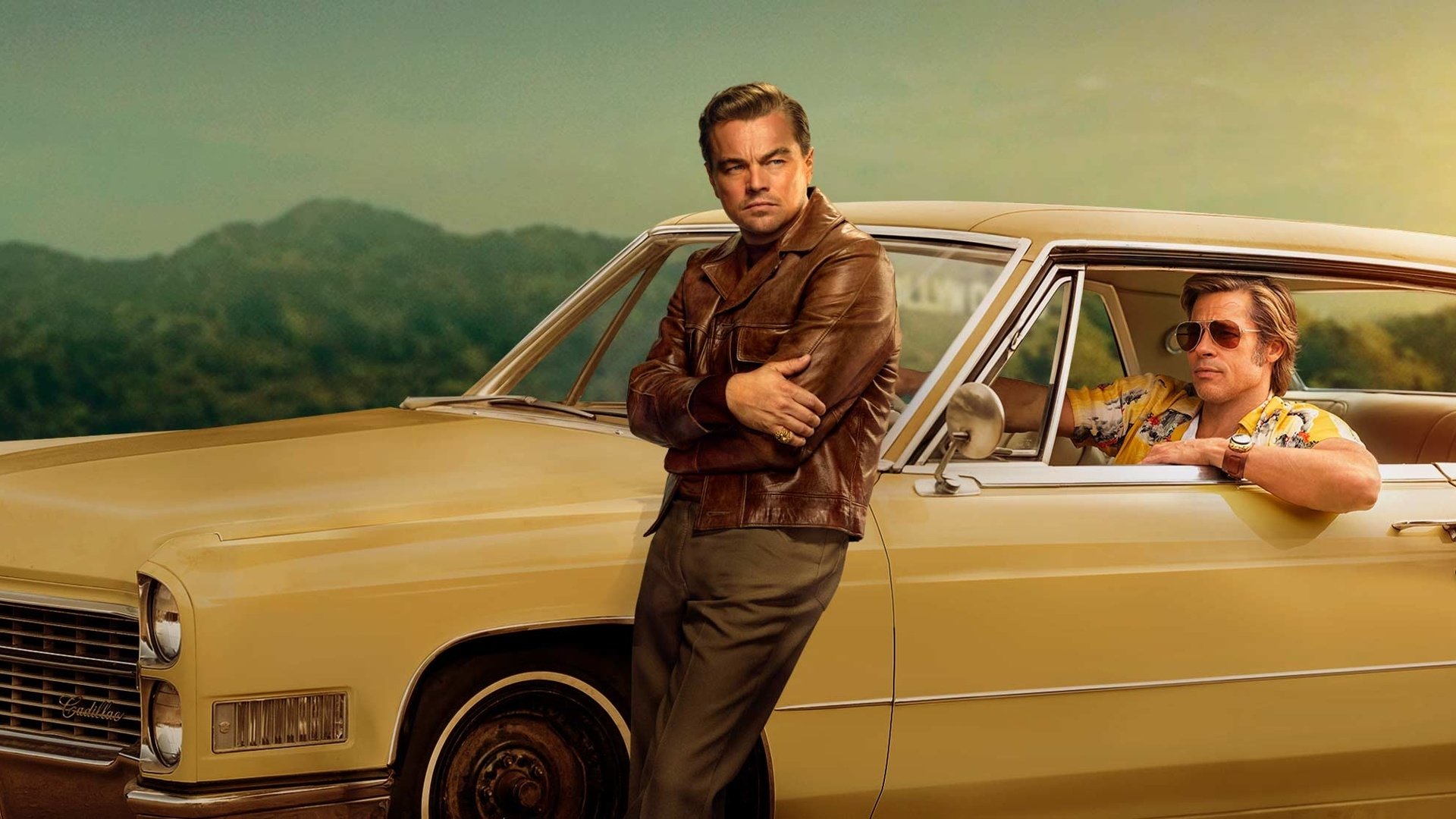
Once Upon a Time in Hollywood feels minor only if you mistake drift for lack of design. Tarantino is doing something unusually delicate here. He spends most of the movie building texture, letting labor, friendship, television junk, driving, meals, and half-faded status create a lived-in Los Angeles on the edge of disappearance. That accumulation is what gives the ending its emotional voltage.
Why Rick and Cliff Matter Together
Rick Dalton alone would make for a sad actor-decay story. Cliff Booth alone would make for a charismatic mystery object. Together they create a movie about dependence, loyalty, and male companionship at the end of a certain Hollywood order. DiCaprio gives the insecurity bite; Pitt gives the whole system an almost mythic ease.
Sharon Tate as Moral Orientation
The film’s tenderness toward Sharon Tate is what keeps it from becoming pure nostalgia game. Tarantino treats her not as plot machinery but as a living possibility, someone whose ordinary joy and openness make the surrounding historical knowledge hurt more. The movie’s biggest gamble is that reverence can coexist with hangout looseness, and for many viewers that is exactly why it lands.
A Fairy Tale Built Out of Historical Dread
The ending only works because Tarantino spends so long letting dread pool beneath the charm. Once Upon a Time in Hollywood is not revising history for the sake of a punchline. It is using fantasy as an act of protective affection, a way of imagining that decency, luck, and movie-world competence might hold the darkness off for one more night.
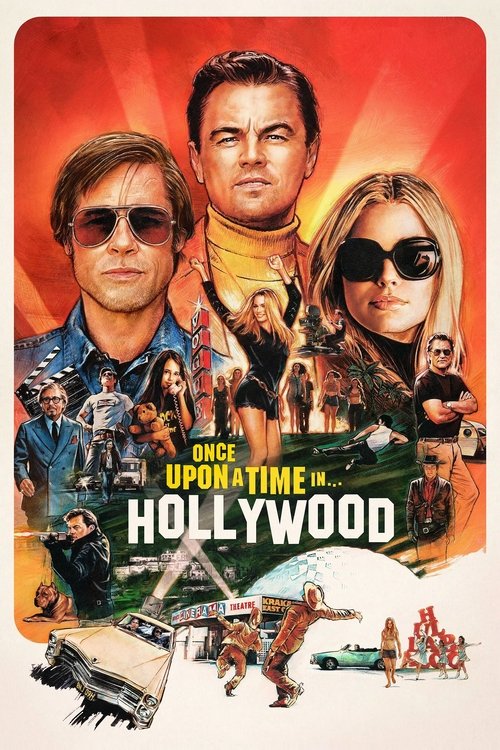
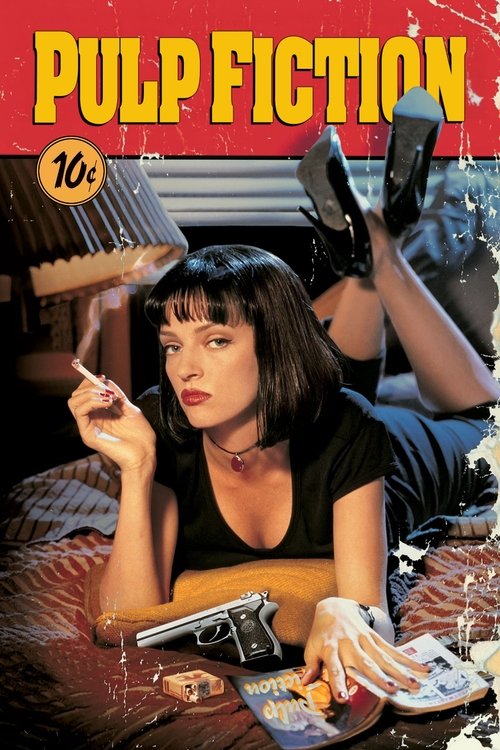
Once Upon a Time in Hollywood
2019 • Quentin Tarantino
The 9th film from Quentin Tarantino.
Movies to pair with this read


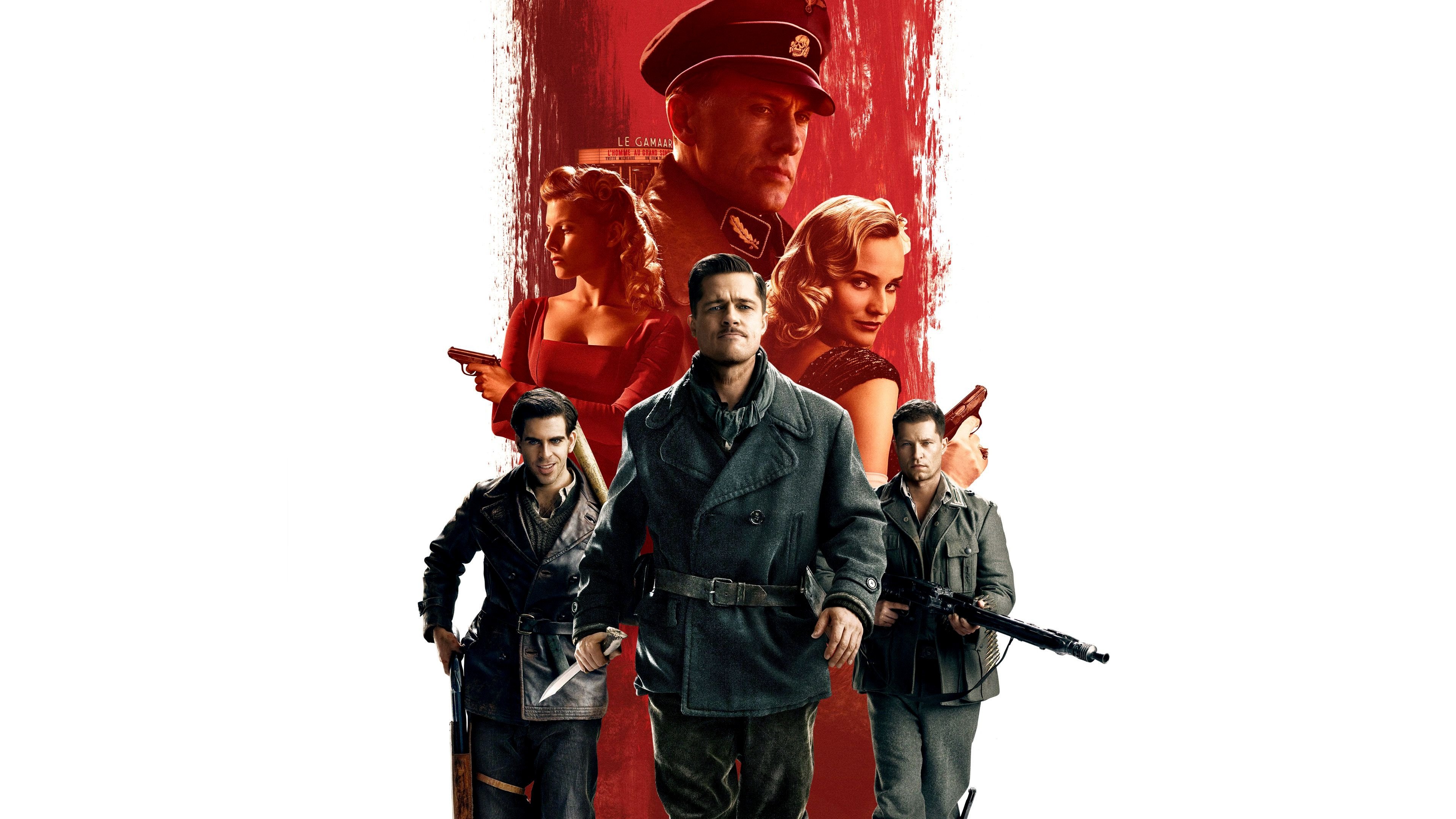
Inglourious Basterds and the Thrill of Turning Language Into a Weapon
Tarantino’s war fantasia works because the suspense is not built on firefights first. It is built on who can control the room, the accent, the cover story, and the next sentence.
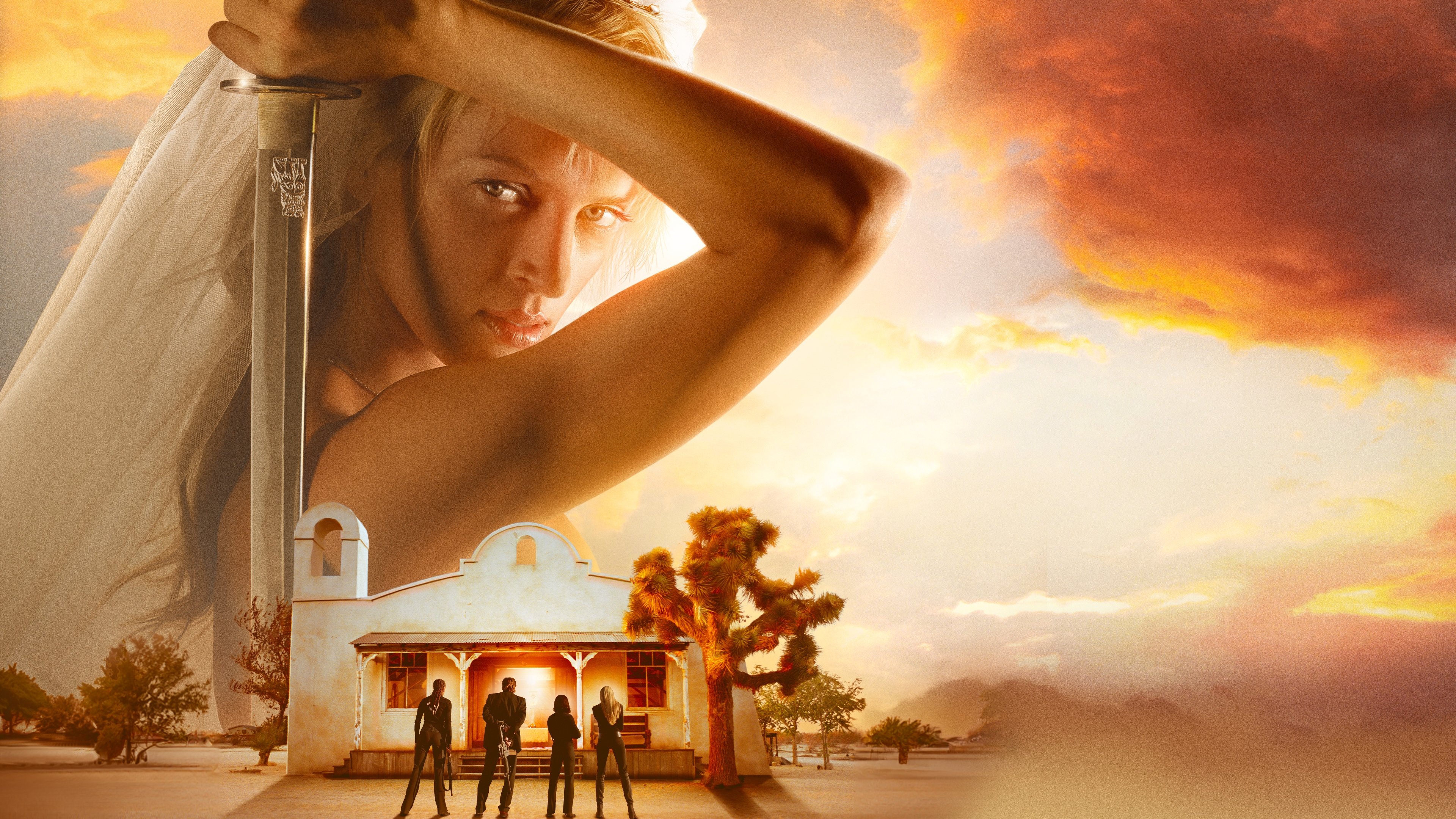
How Tarantino’s Later Films Trade Cool for Consequence
Jackie Brown, Kill Bill: Vol. 2, The Hateful Eight, and Once Upon a Time in Hollywood all reveal a filmmaker getting more interested in aftermath, drift, and emotional residue than in pure pop detonation.
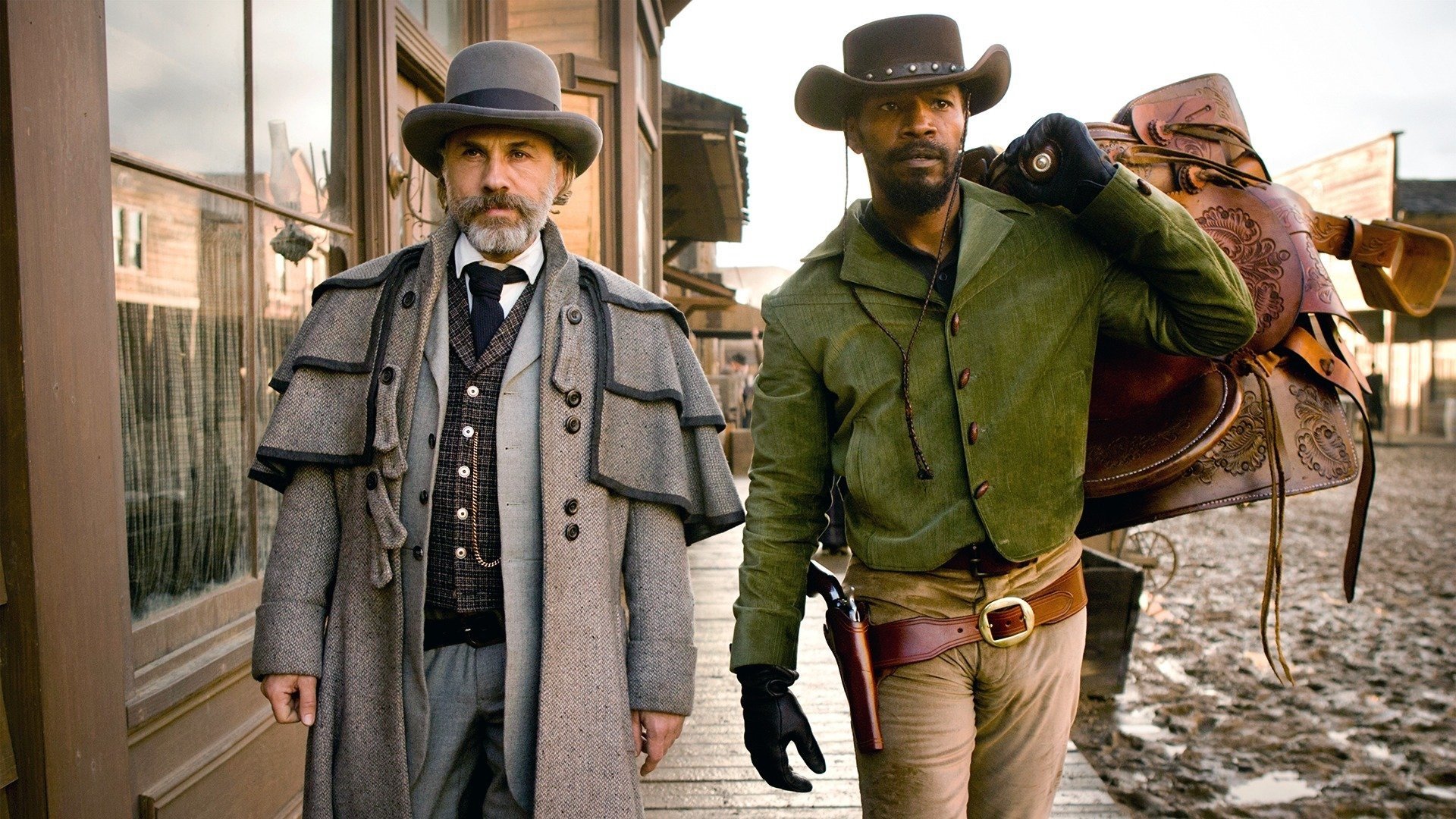
Django Unchained and the Dangerous Charge of Turning History Into Revenge Myth
Django Unchained keeps provoking real argument because Tarantino binds romance, atrocity, comedy, and blood-soaked fantasy into one intentionally unstable western object.
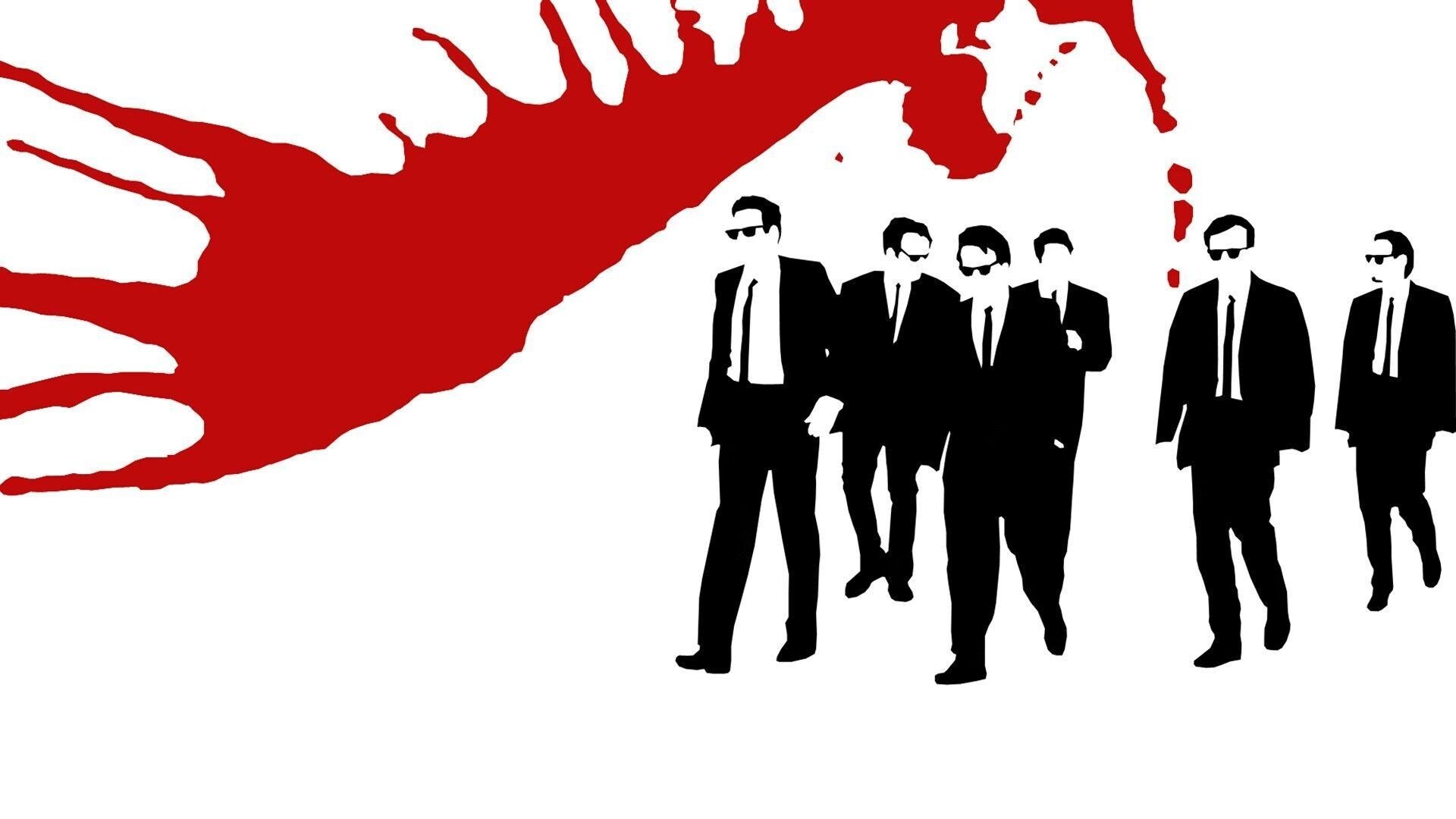
Reservoir Dogs and the Genius of Building a Crime Movie Out of the Aftermath
Tarantino’s debut still crackles because it treats the failed heist as an excuse to trap voice, ego, and suspicion in one room until everyone starts bleeding through their own performance.