
Inglourious Basterds and the Thrill of Turning Language Into a Weapon
Tarantino’s war fantasia works because the suspense is not built on firefights first. It is built on who can control the room, the accent, the cover story, and the next sentence.
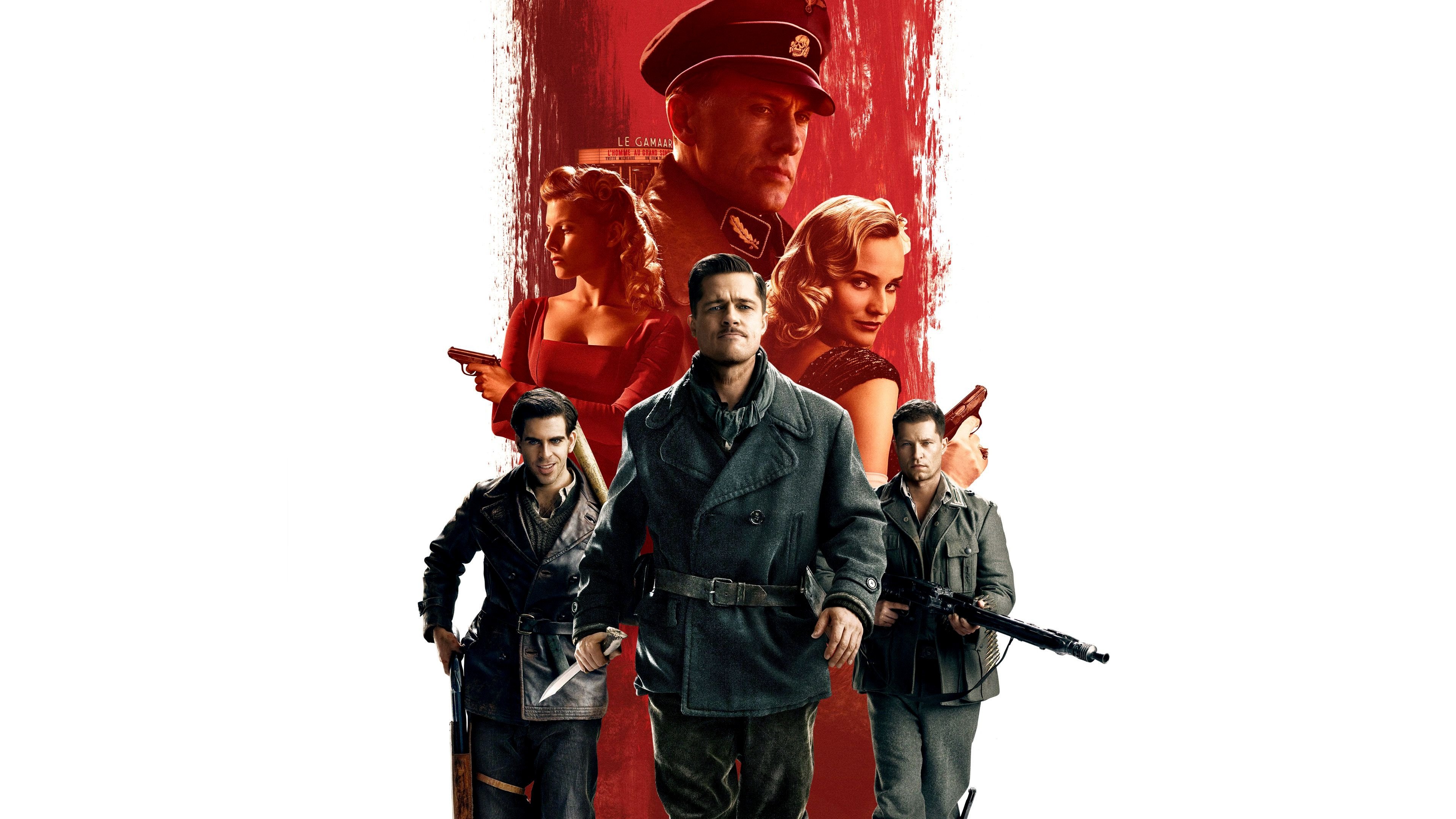
Inglourious Basterds is one of Tarantino's greatest tension machines because it understands that speech can be deadlier than action. The film keeps postponing release, then turns conversation itself into the battlefield where status, suspicion, and survival are decided.
Suspense Through Performance
The opening farmhouse sequence and the tavern scene are the clearest proof of Tarantino's control here. Both scenes turn manners, pauses, and verbal precision into instruments of terror. The violence lands because the movie has already made language feel lethal.
Hans Landa as Social Predator
Christoph Waltz's performance matters because Landa does not dominate through brute force alone. He reads weakness, enjoys display, and uses charm as camouflage, which makes him one of Tarantino's sharpest embodiments of intelligence turned sadistic.
Cinema, Revenge, and Rewrite Power
The movie's alternate-history charge is not only about wish fulfillment. It is about Tarantino treating cinema itself as a weapon of revision, a space where performance, projection, and destruction can collapse into the same ecstatic gesture. That is why the ending feels so delirious and so argumentative at once.
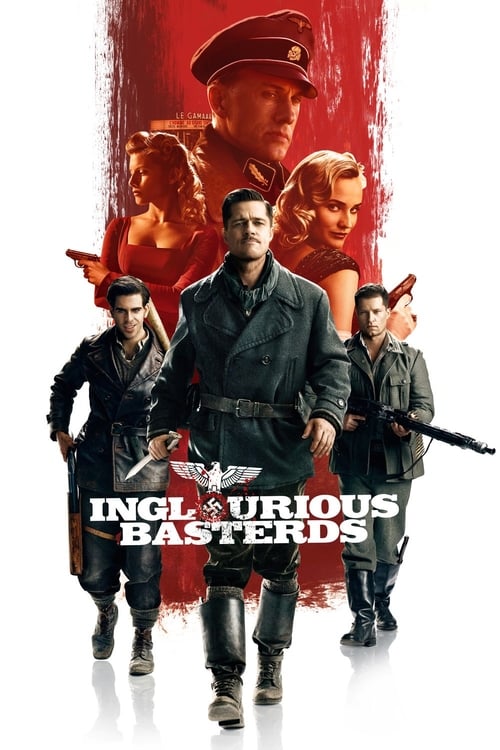
Inglourious Basterds
2009 • Quentin Tarantino
Once upon a time in Nazi occupied France...
Movies to pair with this read


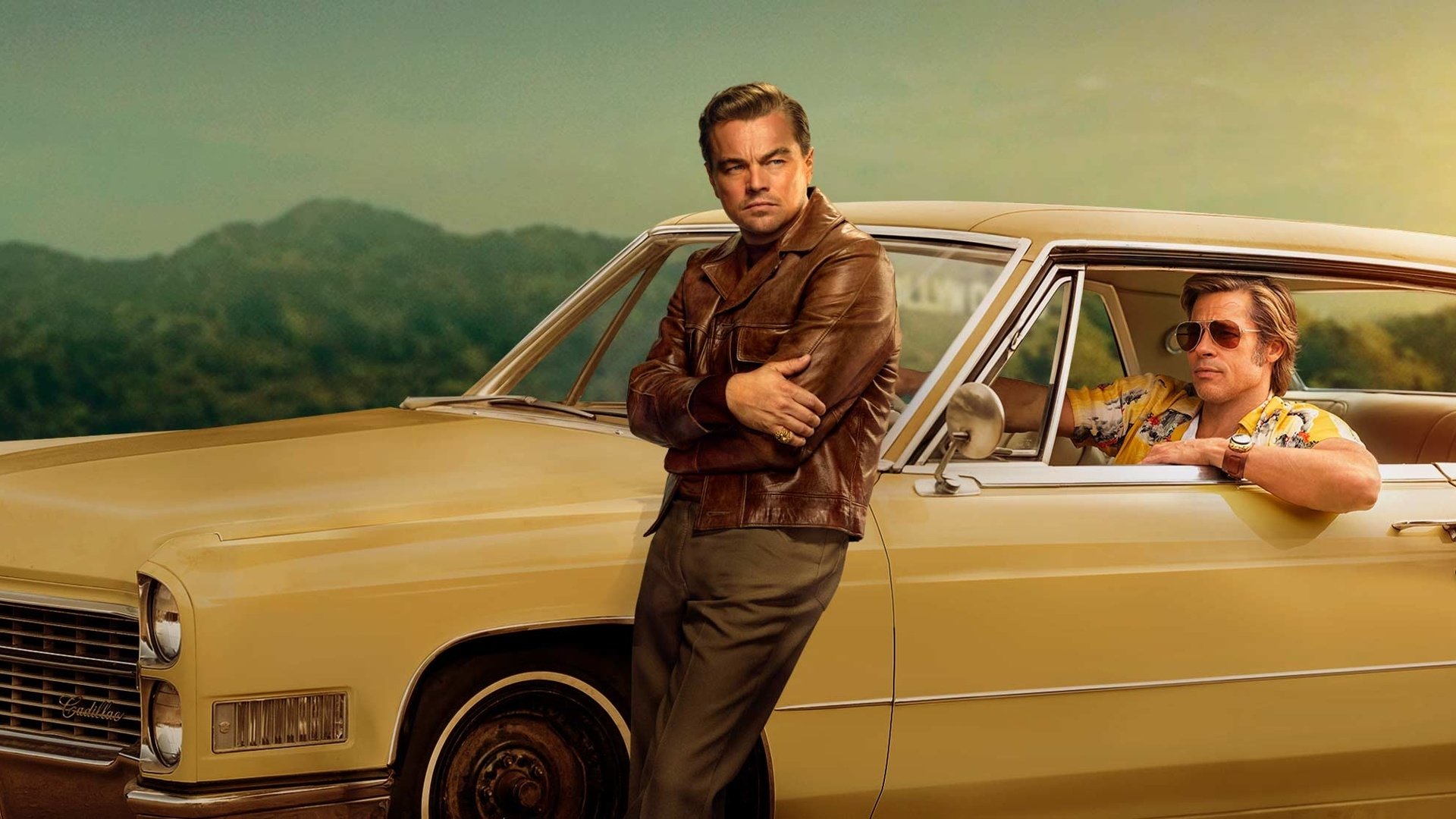
Once Upon a Time in Hollywood and the Strange Grace of Letting a Movie Drift Until History Arrives
Tarantino’s late masterpiece works because its looseness is strategic, building affection, routine, and end-of-era melancholy before the fairy tale turns protective.
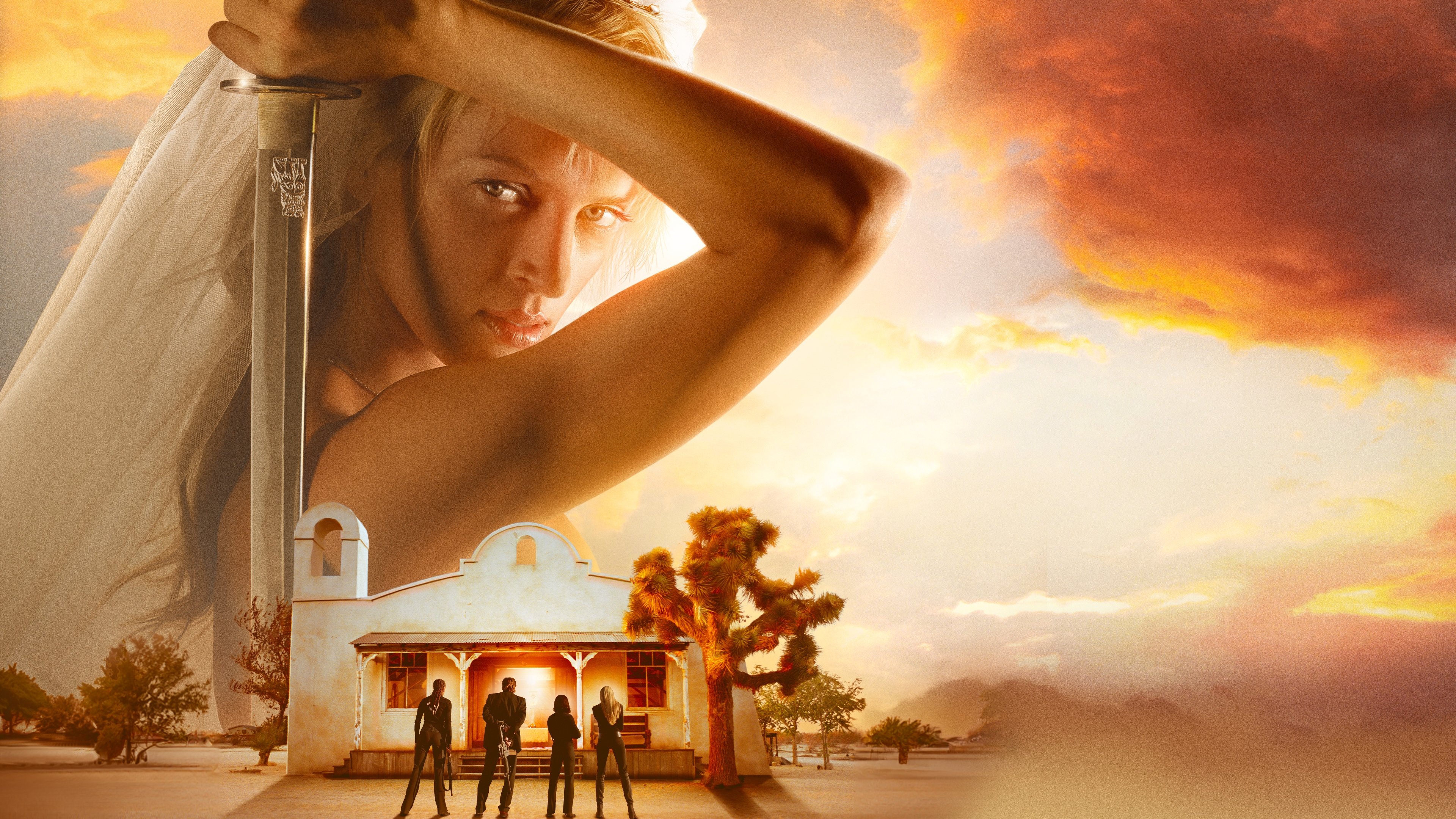
How Tarantino’s Later Films Trade Cool for Consequence
Jackie Brown, Kill Bill: Vol. 2, The Hateful Eight, and Once Upon a Time in Hollywood all reveal a filmmaker getting more interested in aftermath, drift, and emotional residue than in pure pop detonation.
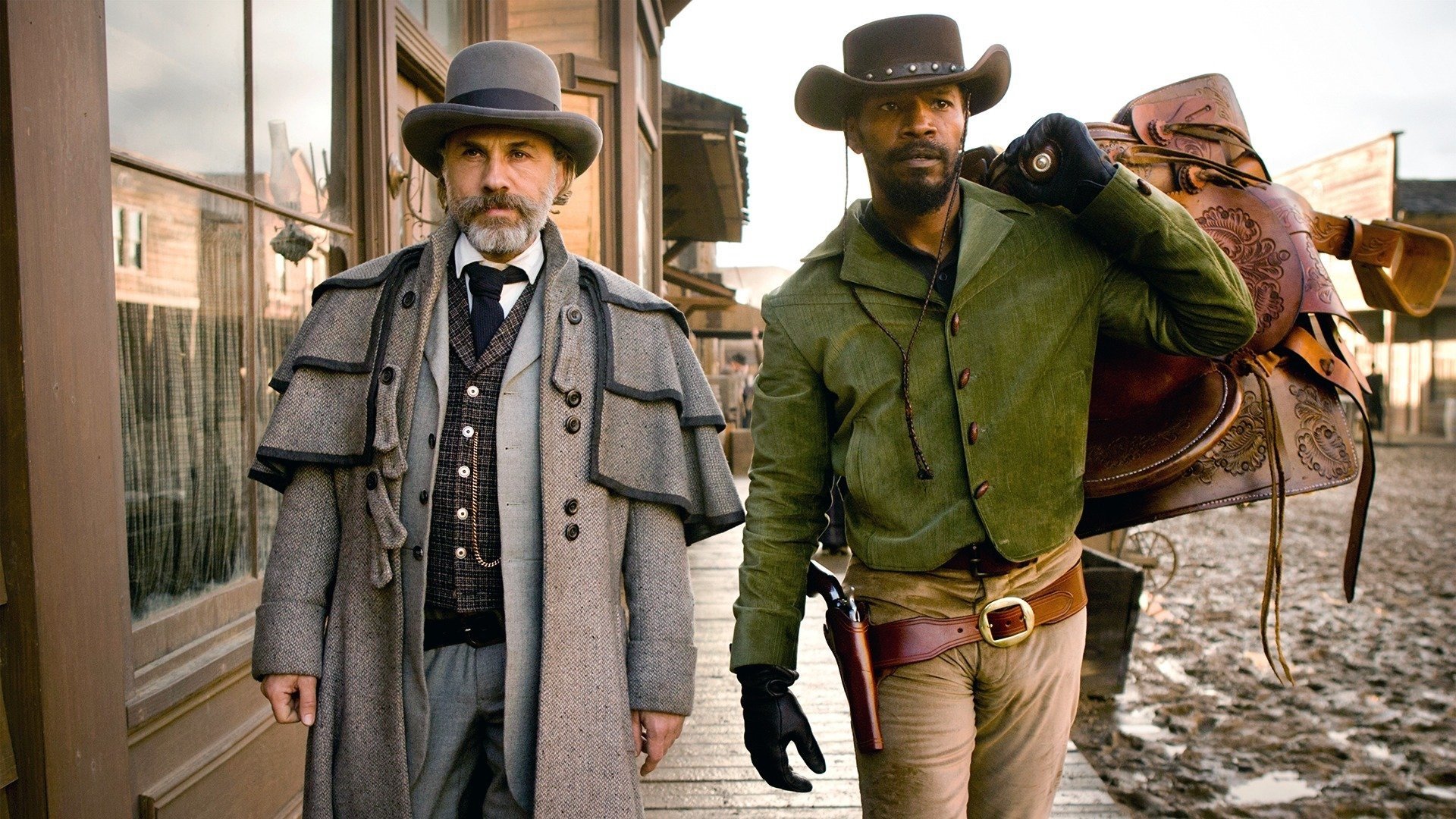
Django Unchained and the Dangerous Charge of Turning History Into Revenge Myth
Django Unchained keeps provoking real argument because Tarantino binds romance, atrocity, comedy, and blood-soaked fantasy into one intentionally unstable western object.
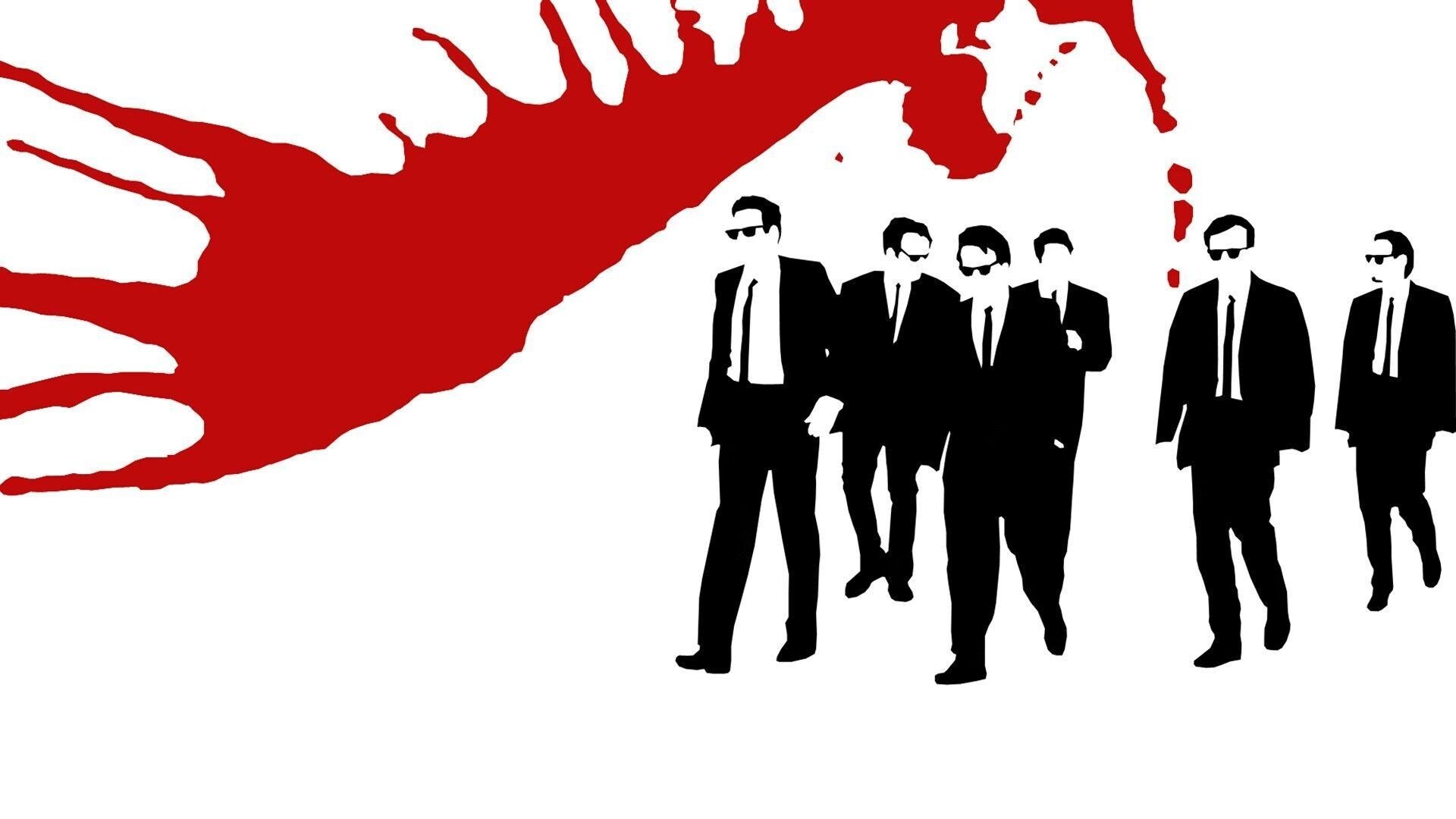
Reservoir Dogs and the Genius of Building a Crime Movie Out of the Aftermath
Tarantino’s debut still crackles because it treats the failed heist as an excuse to trap voice, ego, and suspicion in one room until everyone starts bleeding through their own performance.