
Django Unchained
Find the movies with rewatch gravity, live dossiers, and unfinished cases worth deepening.
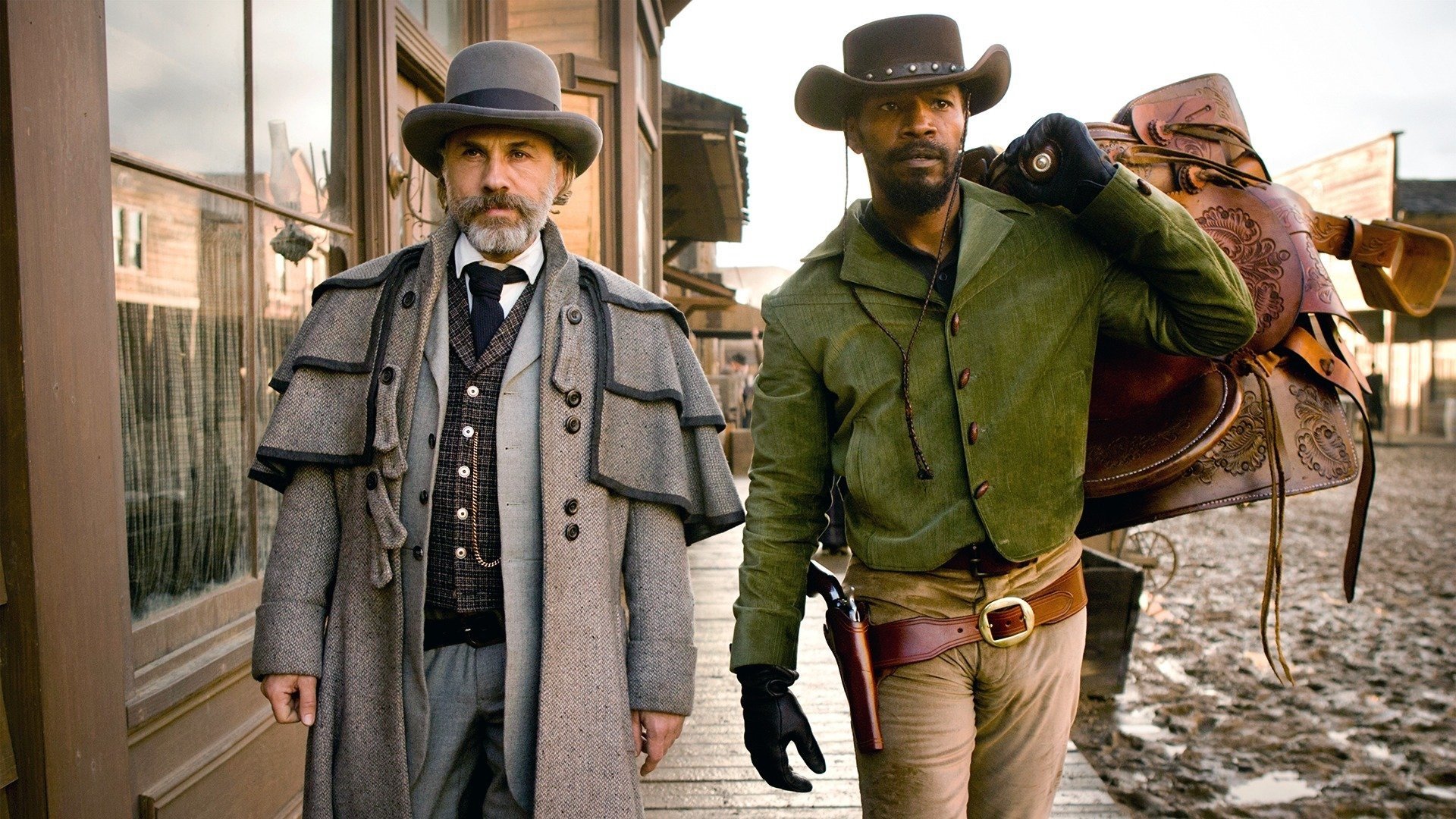
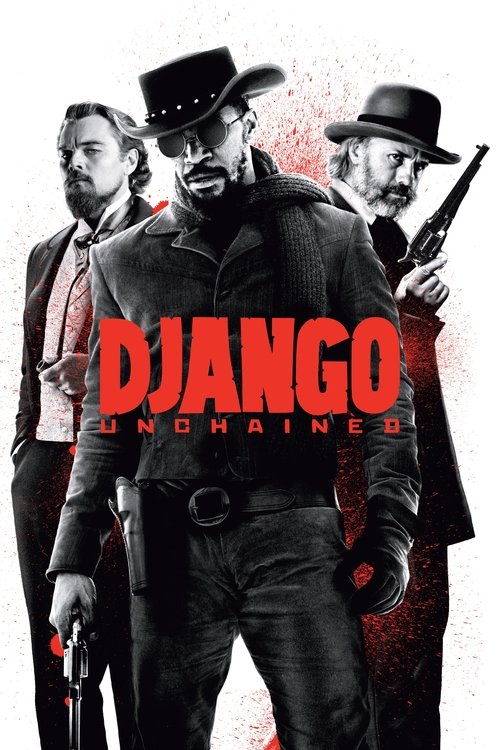
Movie dossier
Django Unchained
A revenge western built to entertain hard while carrying anger, swagger, and historical force.
Latest video signal
Trailer slot ready
A widescreen slot for the newest official trailer, interview, or scene signal when the page has a playable source.
Why it matters
Django matters because it shows Tarantino playing huge, cinematic, violent, and crowd-facing without giving up his scene control.
Craft read
Western revenge spectacle with sharp dialogue and mythic scale
Django’s forward drive makes the movie unusually direct for Tarantino
A big-audience Tarantino movie with real propulsion
Themes
Cast and context
Coverage status
A fully shaped Cinema One case: the movie has enough authored context, pathway links, and argument to feel like more than a catalog entry.
Production notes
- • One of the Tarantino titles that matters most for the site’s action/style lane.
- • Important to present it as both entertaining and structurally purposeful.
- • Strong candidate for performance modules later.
Watch-next pathway
What should you do after Django Unchained?
Three intentional continuations: stay with the filmmaker, chase the dominant pressure signal, or jump into the shelf or argument that best explains why this movie belongs here.
Pulp Fiction
The cleanest next move if Quentin Tarantino's control, obsessions, or rhythm are what hooked you here.
More revenge
Use the taste map to find movies, arguments, and shelves that share this page's strongest signal.
Tension Machines
Command decisions, brinkmanship, pressure, and movies that tighten the screws scene by scene.
Movie-page argument
Defend Django Unchained.
If this movie has a scene, performance, ending, or idea people underrate, make the case. The best defenses can become future Cinema One argument material.
Scene challenge
Pick the scene that proves it.
Cinema One is built around scenes that unlock the movie. Tell us which moment carries the pressure, style, argument, or rewatch charge.
Signature scene: Candyland dinner table pressure
The dinner sequence is Tarantino at his most patient and dangerous. Every gesture, every politeness, and every little conversational shift feels like it might trigger violence, which makes the eventual rupture feel both shocking and fully earned.
Line worth carrying forward
"I like the way you die, boy" is remembered because Tarantino knows how to turn pulp bravado into release. The line is exaggerated on purpose, a mythic revenge beat delivered with total audience-facing conviction.
Why the ending satisfies so hard
Django Unchained earns its catharsis by making Django’s final return feel like reclaimed authorship. The ending is oversized and crowd-pleasing, but it works because the whole film has been building toward agency seized back through spectacle.
Steelman the debate
A serious critique is that Django turns horrific history into pop revenge entertainment in ways that can feel too pleased with themselves. The strongest defense is not to deny the risk but to note the intent. Tarantino is using genre excess to make rage, humiliation, and liberation legible to a mass audience, and the movie’s force comes from how directly it commits to that strategy.
More from this director
Related picks
Read next
Django Unchained keeps provoking real argument because Tarantino binds romance, atrocity, comedy, and blood-soaked fantasy into one intentionally unstable western object.
Tarantino’s snowbound chamber piece matters because it traps performance, prejudice, and national rot together until suspicion itself becomes the atmosphere.
Jackie Brown, Kill Bill: Vol. 2, The Hateful Eight, and Once Upon a Time in Hollywood all reveal a filmmaker getting more interested in aftermath, drift, and emotional residue than in pure pop detonation.