
The Hateful Eight and the Decision to Make the Whole Room Feel Spiritually Uninhabitable
Tarantino’s snowbound chamber piece matters because it traps performance, prejudice, and national rot together until suspicion itself becomes the atmosphere.

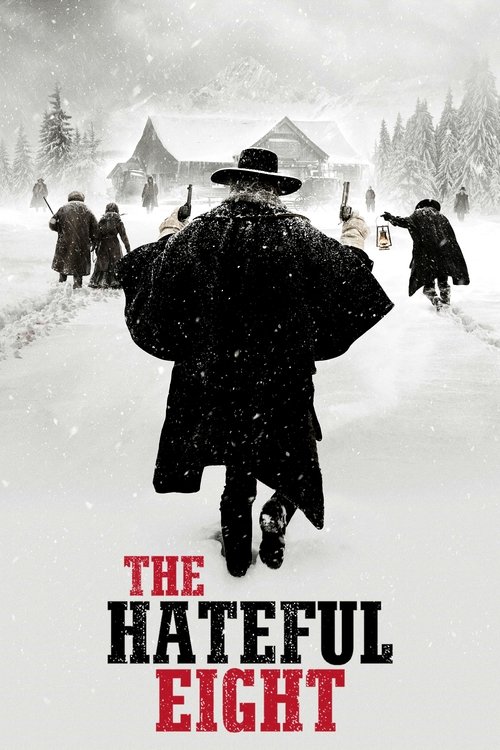
The Hateful Eight is one of Tarantino’s least ingratiating films, which is exactly why it matters. Instead of giving the audience momentum as relief, he builds a movie out of confinement, poison, and historical filth. The pleasure is there, but it is ugly pleasure, the pleasure of watching tension become contamination so complete that nobody in the room can pretend innocence for long.
Why the Roadshow Scale Is Productive
The 70mm format is not a prestige ornament here. It is part of the joke and part of the trap. Tarantino uses epic width to study cramped distrust, making every body in Minnie’s Haberdashery feel both theatrically placed and morally cornered. The largeness of the frame keeps emphasizing how little moral air is actually available.
Dialogue That Keeps Drawing Blood
Like his best chamber material, the movie uses talk as incremental violence. Threats, stories, provocations, and performative charm all keep redistributing power in the room. By the time the literal poison starts working, the atmosphere has already been toxic for an hour. Tarantino wants us to understand that the physical violence is only the formal completion of what the language has been doing all along.
History as Residue, Not Backdrop
The film becomes more interesting once you stop treating its nastiness as empty provocation. Tarantino is staging a postwar American room where racism, revenge, opportunism, and counterfeit civility are inseparable. That is why the ending feels less like cleansing catharsis than a final ugly recognition that everyone has been breathing the same poison from the start.


How Tarantino’s Later Films Trade Cool for Consequence
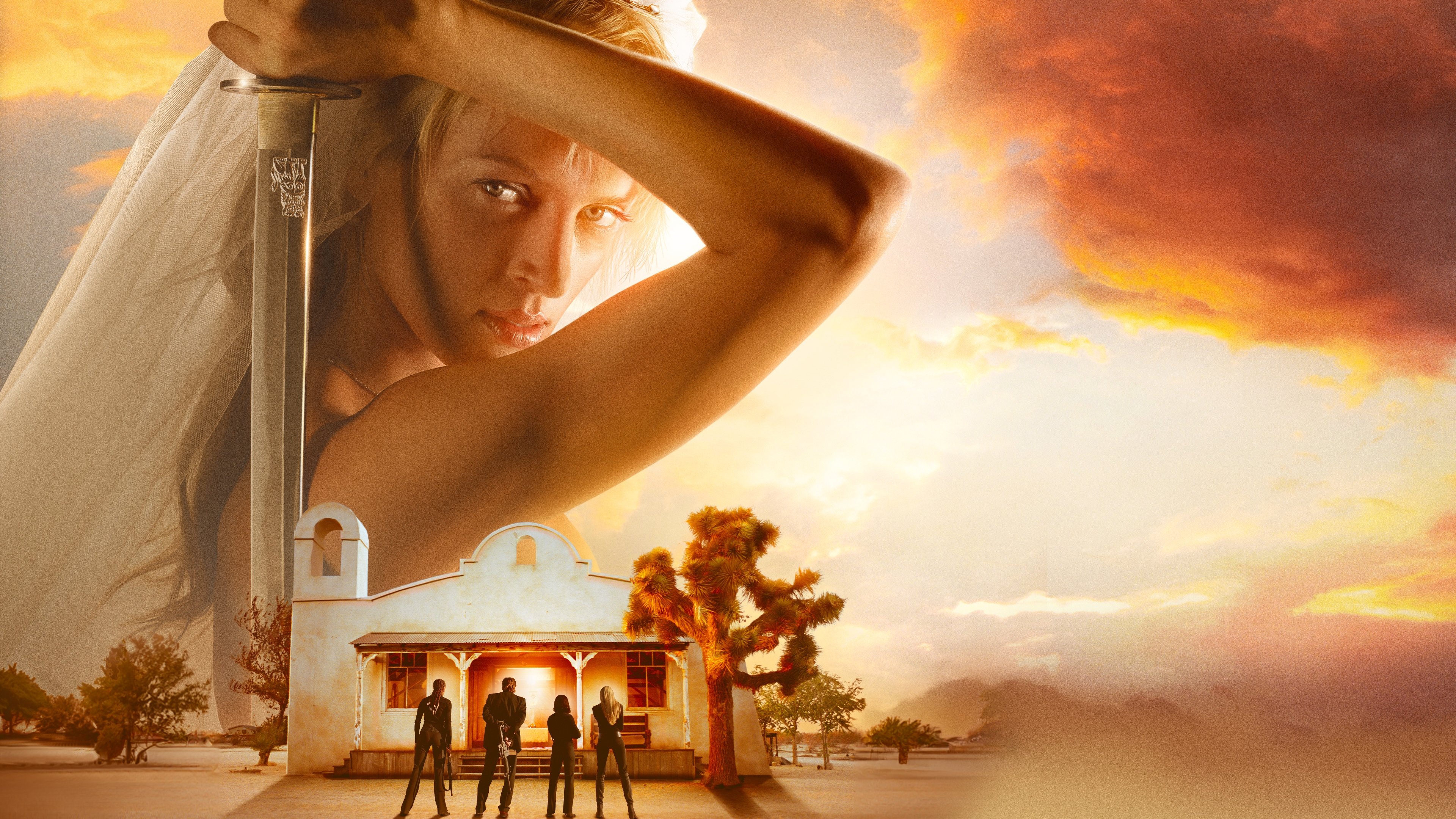
Jackie Brown, Kill Bill: Vol. 2, The Hateful Eight, and Once Upon a Time in Hollywood all reveal a filmmaker getting more interested in aftermath, drift, and emotional residue than in pure pop detonation.
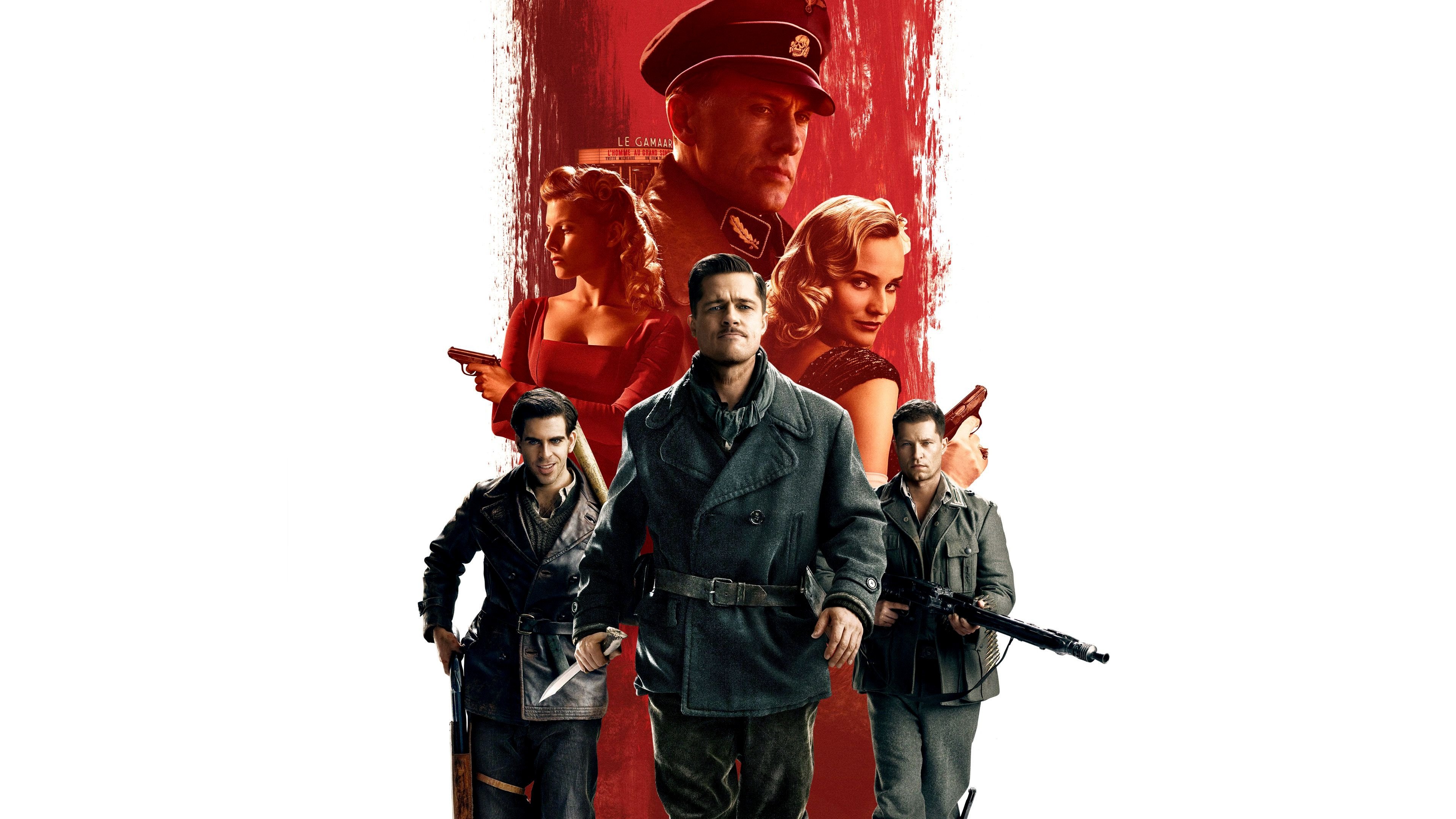
Inglourious Basterds and the Thrill of Turning Language Into a Weapon
Tarantino’s war fantasia works because the suspense is not built on firefights first. It is built on who can control the room, the accent, the cover story, and the next sentence.
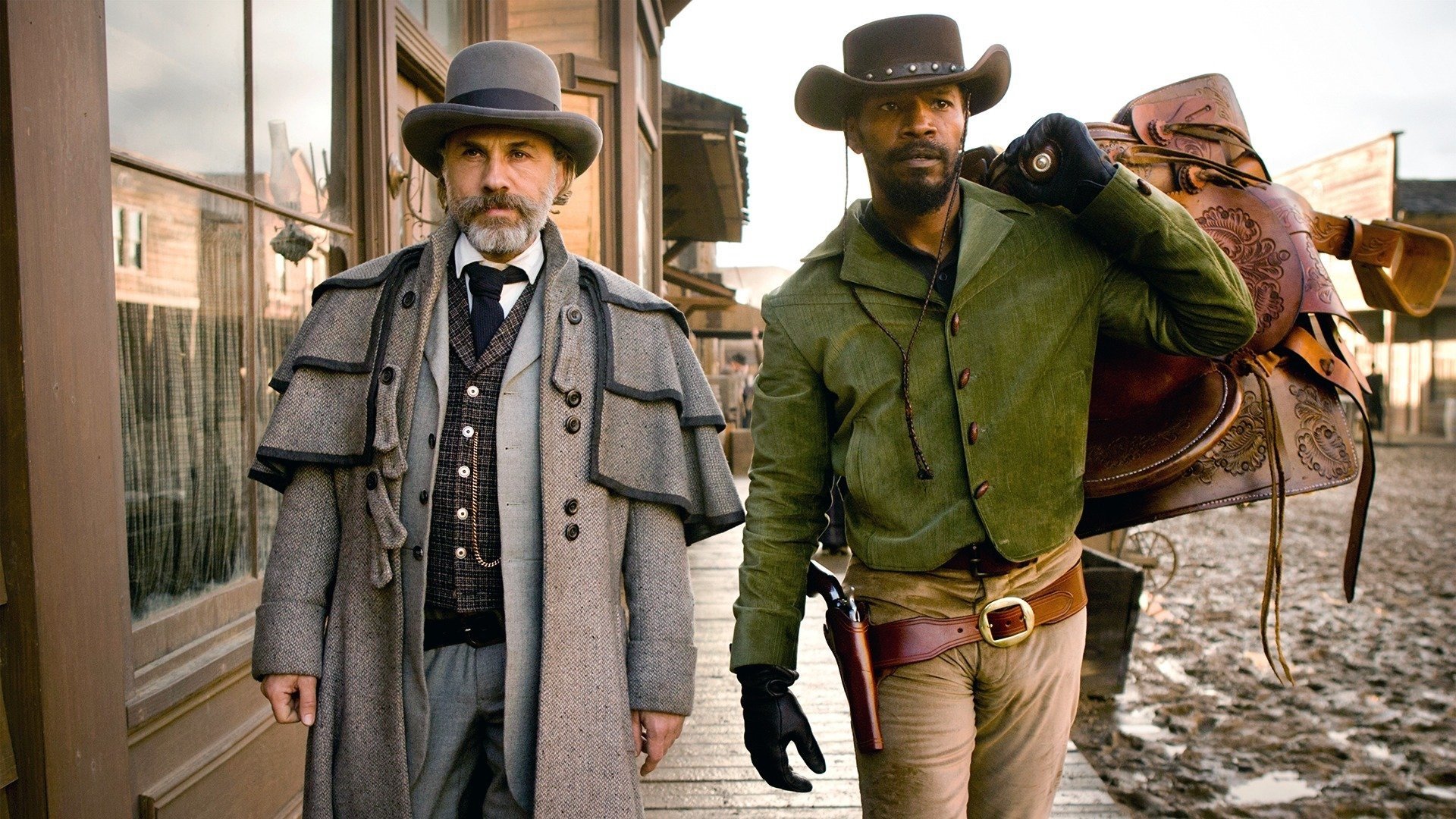
Django Unchained and the Dangerous Charge of Turning History Into Revenge Myth
Django Unchained keeps provoking real argument because Tarantino binds romance, atrocity, comedy, and blood-soaked fantasy into one intentionally unstable western object.
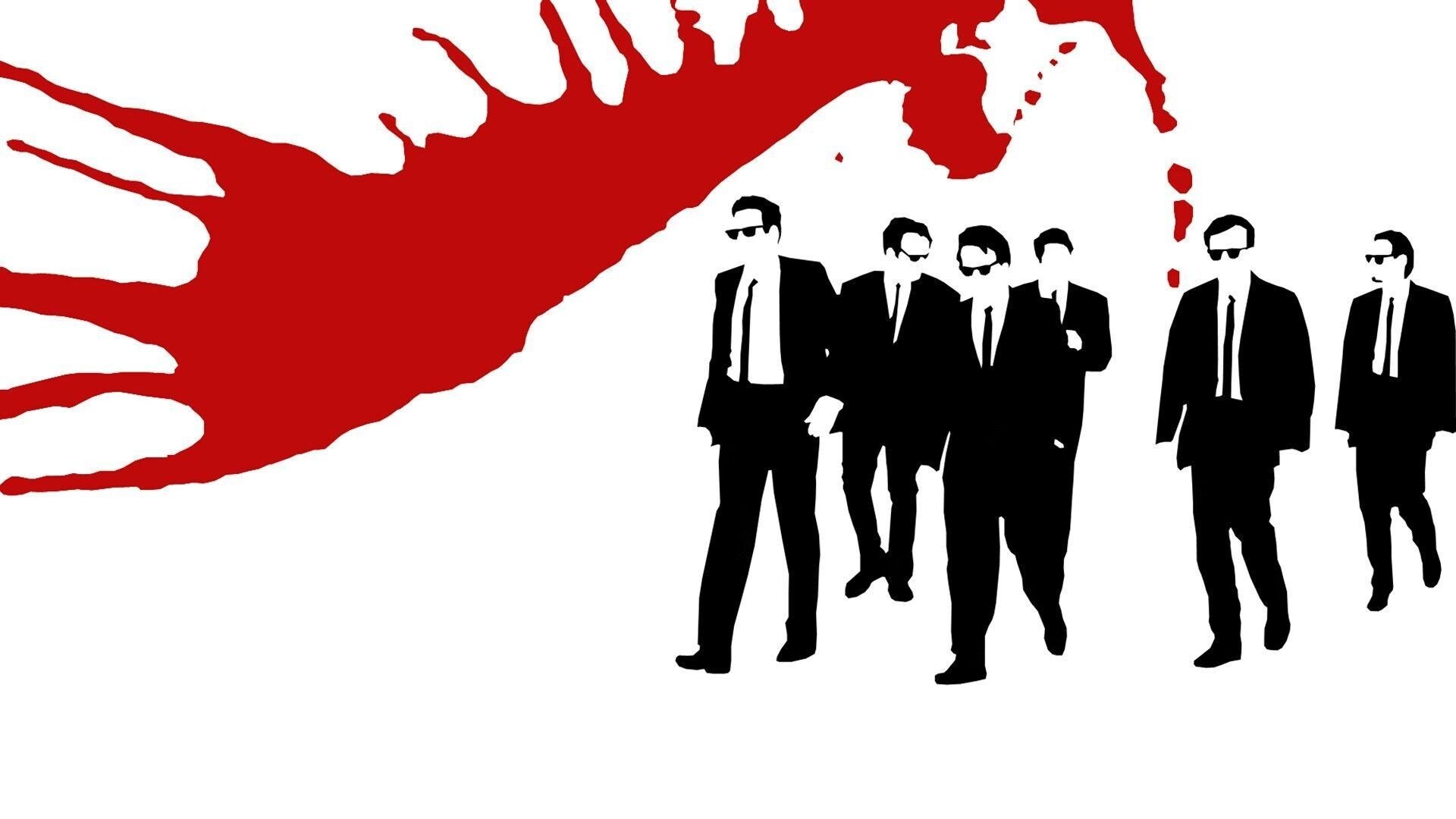
Reservoir Dogs and the Genius of Building a Crime Movie Out of the Aftermath
Tarantino’s debut still crackles because it treats the failed heist as an excuse to trap voice, ego, and suspicion in one room until everyone starts bleeding through their own performance.