Bound
Find the movies with rewatch gravity, live dossiers, and unfinished cases worth deepening.
Movie dossier
Bound
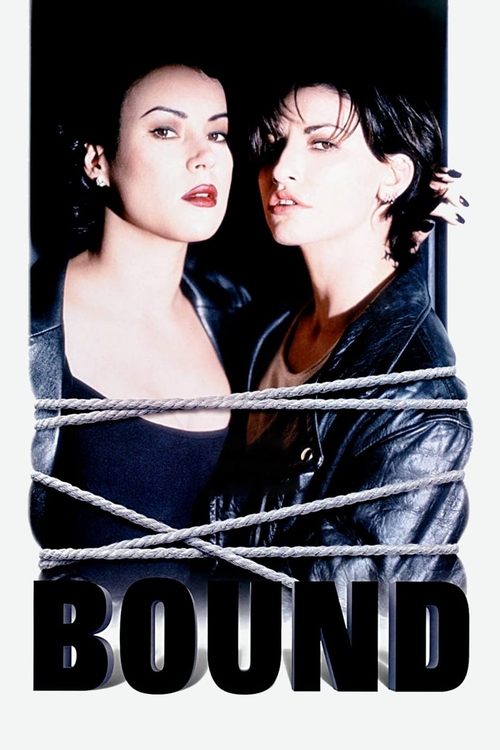
The Wachowskis announce themselves with a pressure-cooker neo-noir where desire, trust, and genre mechanics click into place.
Latest video signal
Trailer slot ready
A widescreen slot for the newest official trailer, interview, or scene signal when the page has a playable source.
Why it matters
Bound matters because it shows the Wachowskis arriving fully fluent in image, suspense, and identity before The Matrix made them blockbuster visionaries. The debut is small in footprint but exact in control: a heist thriller where erotic charge, spatial clarity, and double-cross construction all serve the same escape fantasy.
Craft read
Neo-noir mechanics tightened around apartment geography, money pressure, and shifting trust
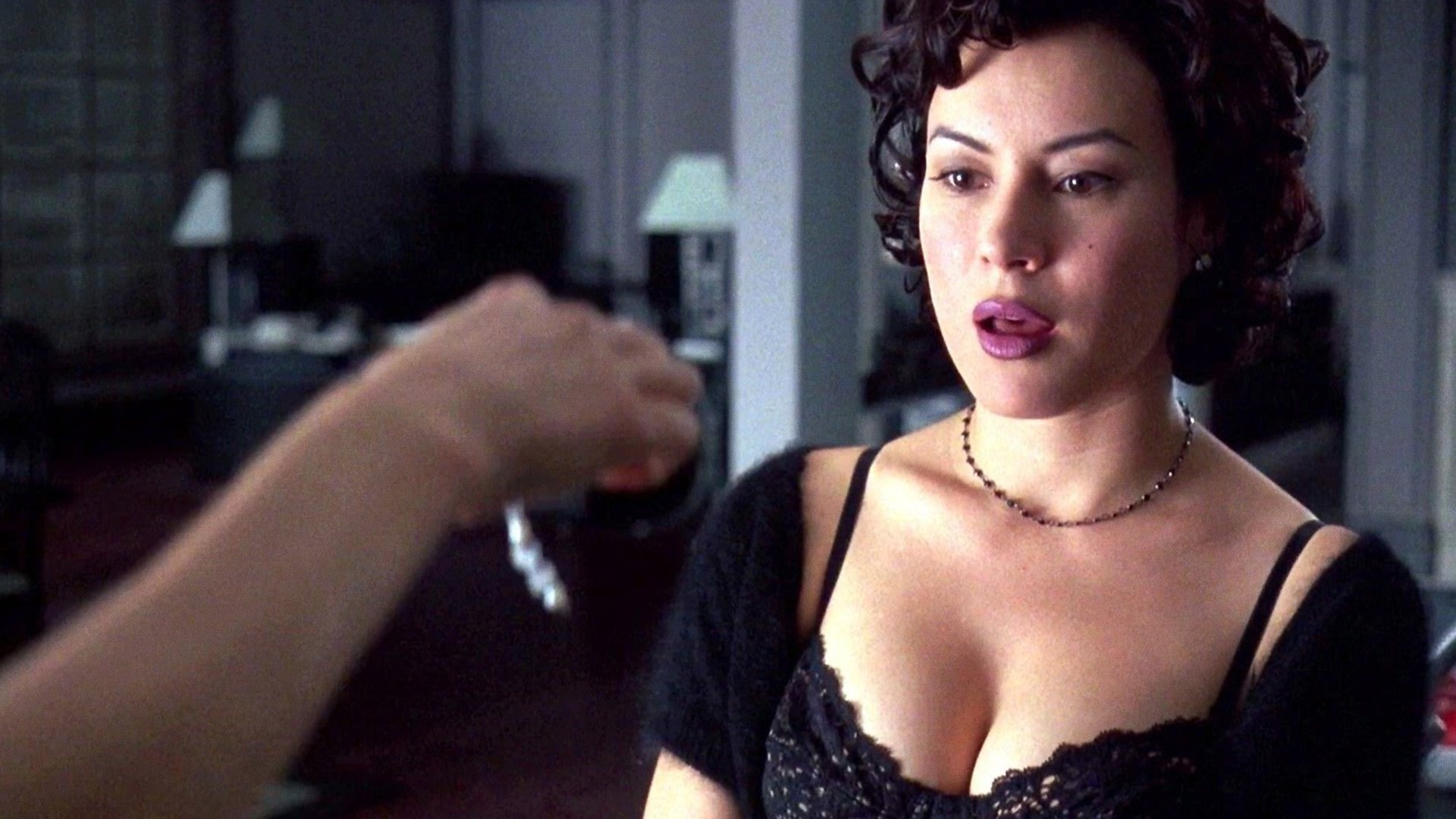
Jennifer Tilly and Gina Gershon make desire feel strategic, vulnerable, and dangerous at once
Essential Wachowski origin text for noir, queer thriller, and debut-feature programming
Themes
Cast and context
neo-noir • heist • desire • mob money • double-cross
Lana Wachowski & Lilly Wachowski currently has 5 live movie pages in Cinema One.
View director pageCoverage status
A strong case file with real editorial shape: enough craft, context, and connection to guide a serious watch.
Production notes
- • The film’s limited locations become an advantage, letting suspense build from proximity, sound, and who knows what at each moment.
- • Joe Pantoliano’s volatility gives the noir machinery a nasty comic danger without pulling focus from Corky and Violet’s alliance.
- • A useful director-lane page because it reveals the Wachowskis’ command of bodies, systems, and liberation before the scale became mythic.
Watch-next pathway
What should you do after Bound?
Three intentional continuations: stay with the filmmaker, chase the dominant pressure signal, or jump into the shelf or argument that best explains why this movie belongs here.
The Matrix
The cleanest next move if Lana Wachowski & Lilly Wachowski's control, obsessions, or rhythm are what hooked you here.
More desire
Use the taste map to find movies, arguments, and shelves that share this page's strongest signal.
Identity Traps
Doubles, false selves, role-play, and movies where the biggest danger is the story a person keeps telling about who they are.
Movie-page argument
Defend Bound.
If this movie has a scene, performance, ending, or idea people underrate, make the case. The best defenses can become future Cinema One argument material.
Scene challenge
Pick the scene that proves it.
Cinema One is built around scenes that unlock the movie. Tell us which moment carries the pressure, style, argument, or rewatch charge.
Signature scene: the apartment plan turns intimacy into suspense architecture
Bound works best when the romance and the heist become inseparable. The apartment walls, phone calls, hidden money, and glances all turn trust into a physical design problem, so every beat of desire also raises the danger.
Line worth carrying forward
“I had this image of you inside of me.” The line is bold because the movie treats attraction as imagination, risk, and escape route at the same time.
Why the ending satisfies
The ending lands because the movie has made survival depend on mutual belief under pressure. When Corky and Violet finally slip the trap, it feels less like a tidy noir twist than a hard-won refusal to be written by the men around them.
Steelman the debate
A fair critique is that Bound is more immaculate genre machine than emotionally expansive character study. The defense is that the machine is the emotion: every locked room, lie, and timing problem tests whether these two people can convert desire into trust.
Shows up in
Doubles, false selves, role-play, and movies where the biggest danger is the story a person keeps telling about who they are.
Women-directed films where genre, image, bodies, and self-invention become pressure systems instead of soft-focus sidebars.
More from this director
Related picks
Read next
Tarantino’s snowbound chamber piece matters because it traps performance, prejudice, and national rot together until suspicion itself becomes the atmosphere.
Coppola’s surveillance classic cuts deepest when you read it as a movie about professionalism failing to protect the conscience that hides behind it.
John Carpenter’s Antarctic horror masterpiece endures because every creature effect is attached to distrust, isolation, and the collapse of group logic.