
The Thing and the Paranoia Engine of Never Knowing Who Has Changed
John Carpenter’s Antarctic horror masterpiece endures because every creature effect is attached to distrust, isolation, and the collapse of group logic.
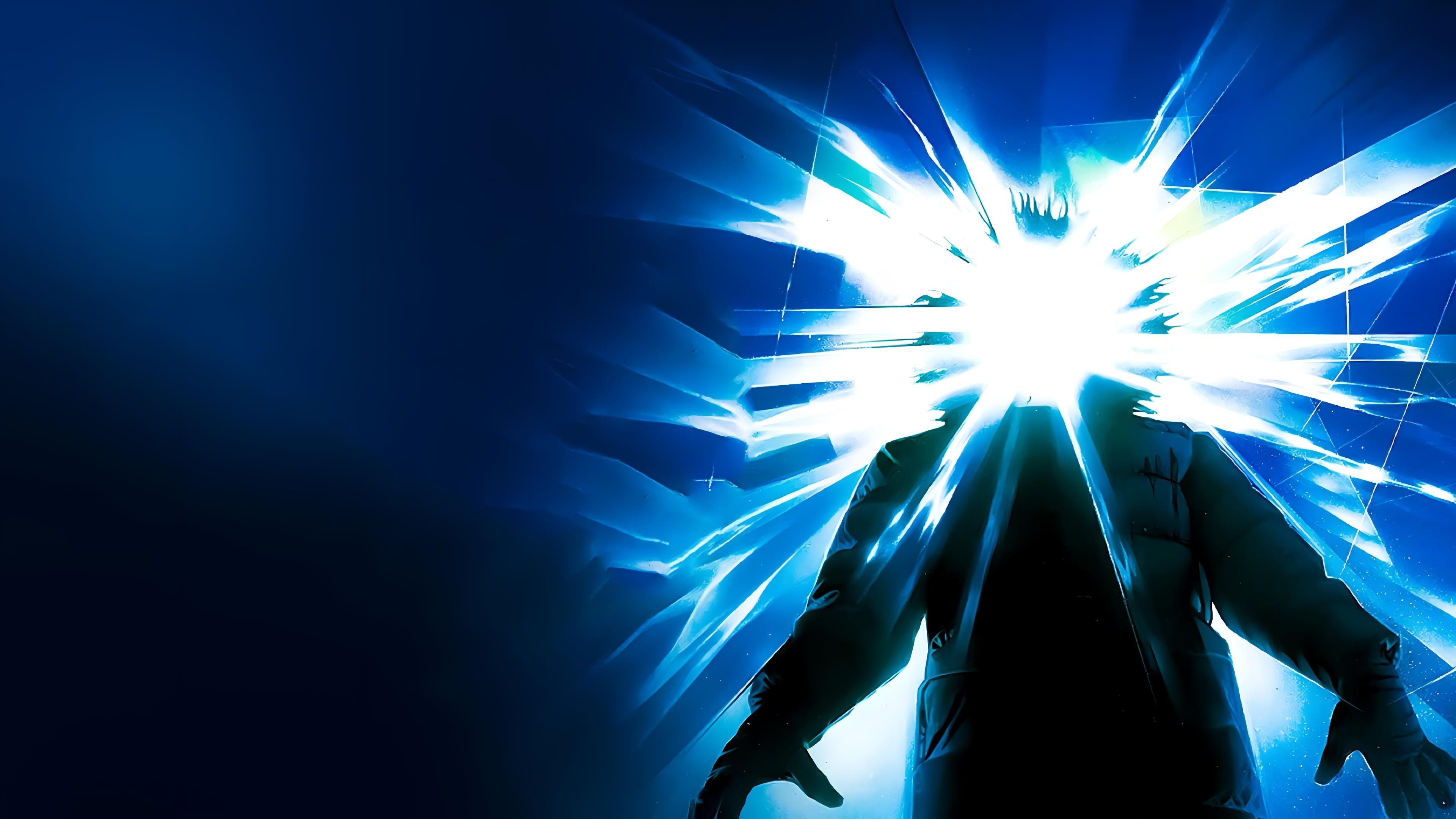
The Thing is not just a great monster movie. It is one of the purest paranoia systems in American genre cinema, built so that every conversation, glance, and delay might already be contaminated.
Body Horror as Social Breakdown
What makes the effects so lasting is not only craftsmanship. Carpenter and Rob Bottin turn mutation into a crisis of recognition, where the body becomes proof that trust itself has failed.
Antarctica as Pressure Chamber
The snowbound setting does more than look harsh. It removes escape, strips away outside authority, and makes the group’s uncertainty feel terminal. Once the station becomes the whole world, suspicion becomes survival logic.
Why It Keeps Growing in Reputation
The movie has aged upward because audiences eventually caught up to how disciplined it is. The nihilism, the practical craft, and the refusal of easy reassurance all now read as strengths instead of liabilities.
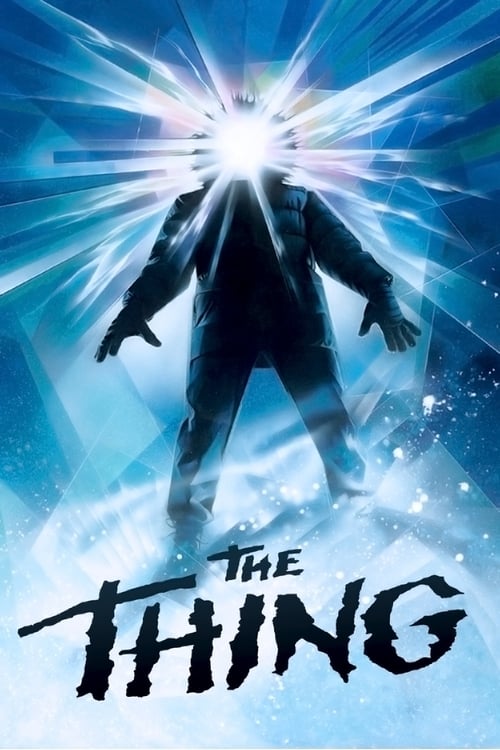
The Thing
1982 • John Carpenter
Man is the warmest place to hide.
Movies to pair with this read


Paranoia Machines
Containment, distrust, infiltration, and movies that trap characters inside systems they can no longer verify.
Women-Directed Pressure Rooms
Women-directed films where genre, image, bodies, and self-invention become pressure systems instead of soft-focus sidebars.
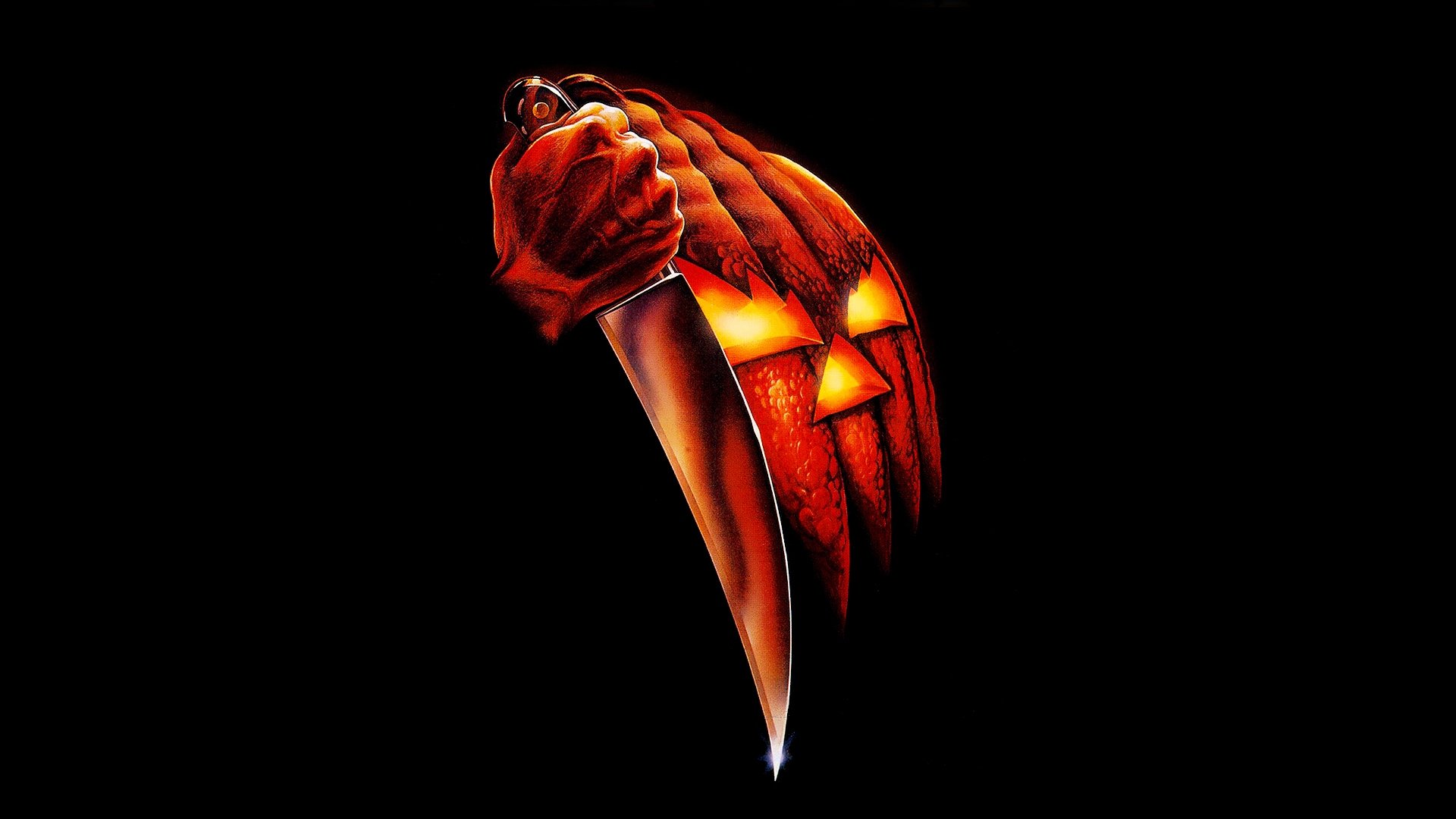
Halloween and the Power of Stripping Horror to Its Nerves
Halloween works because Carpenter removes almost everything nonessential and lets rhythm, space, and dread do the killing.
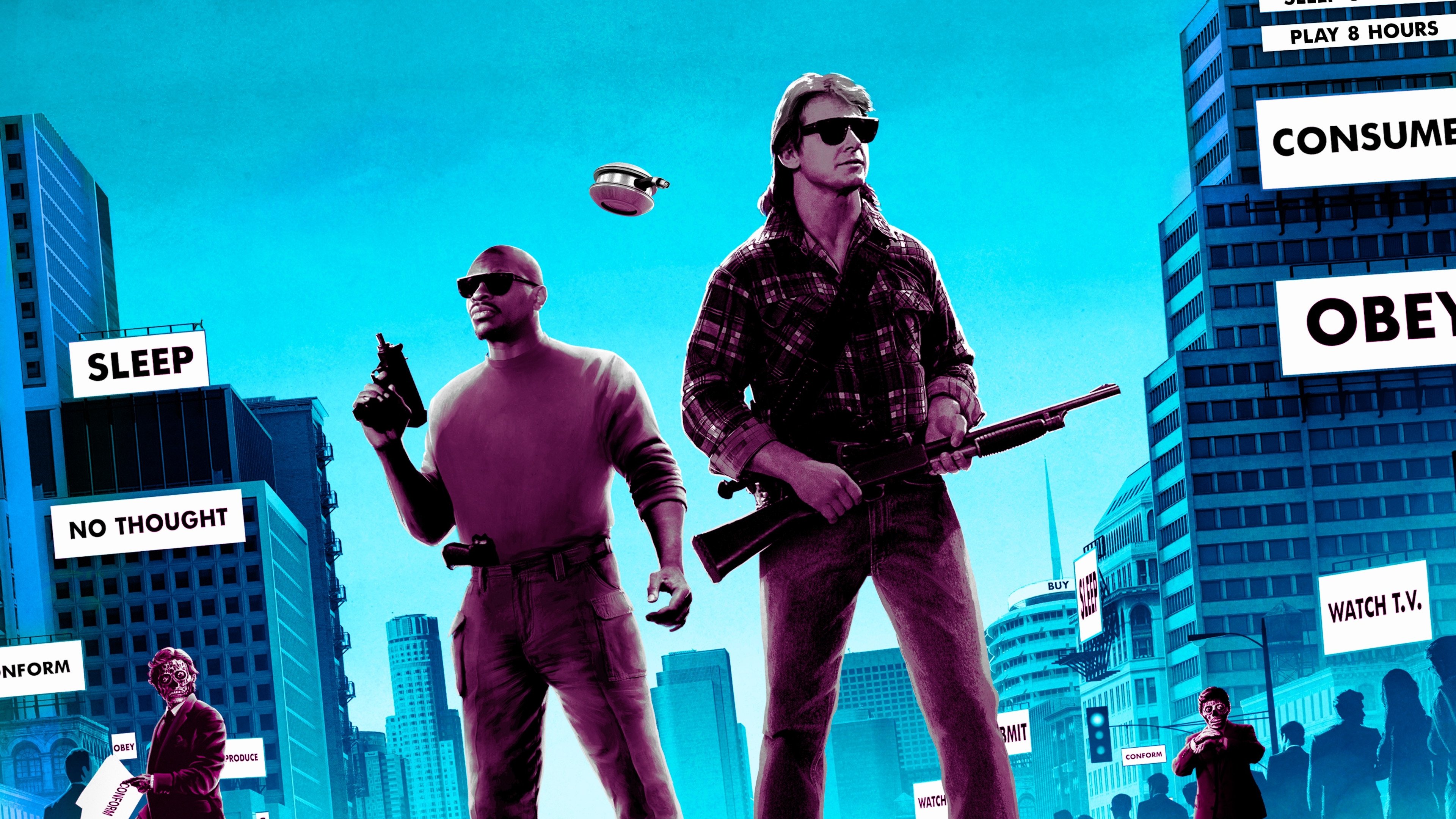
They Live: Satire That Knows a Cult Movie Can Also Hit Like a Brick
They Live lasts because Carpenter makes his anti-consumer nightmare blunt on purpose, then gives it just enough pulp propulsion to keep the sermon alive.
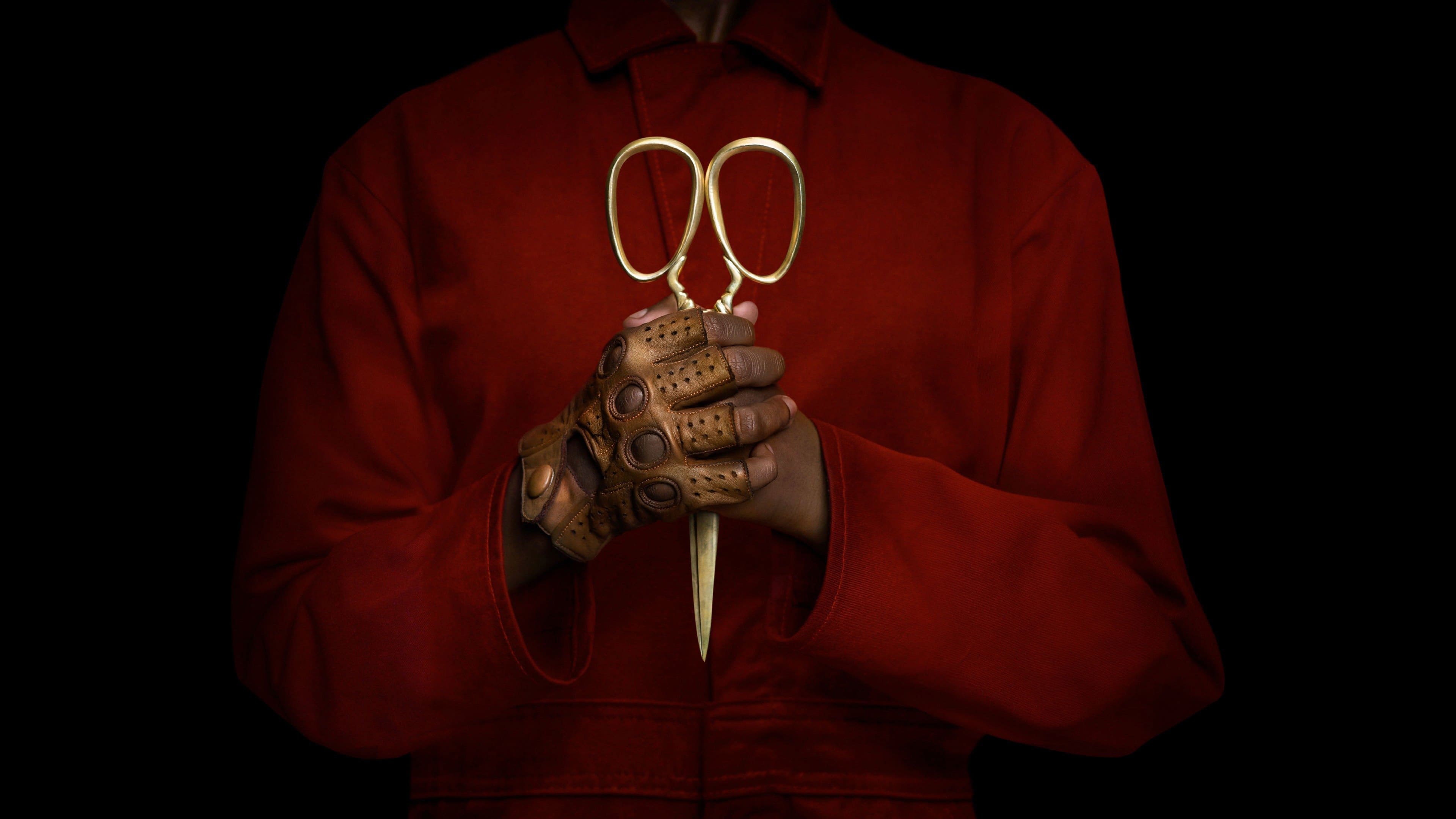
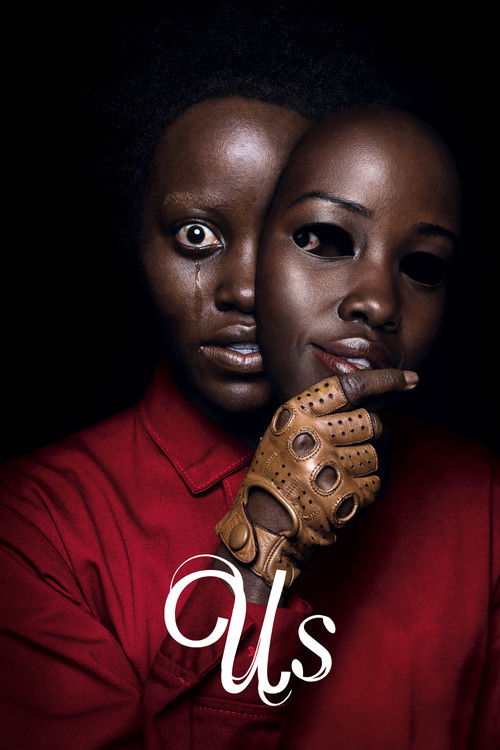
Us and the Terror of What America Needs to Keep Underground
Peele’s follow-up becomes more interesting the moment you stop asking it to behave like a puzzle and start watching it as a national ghost story.
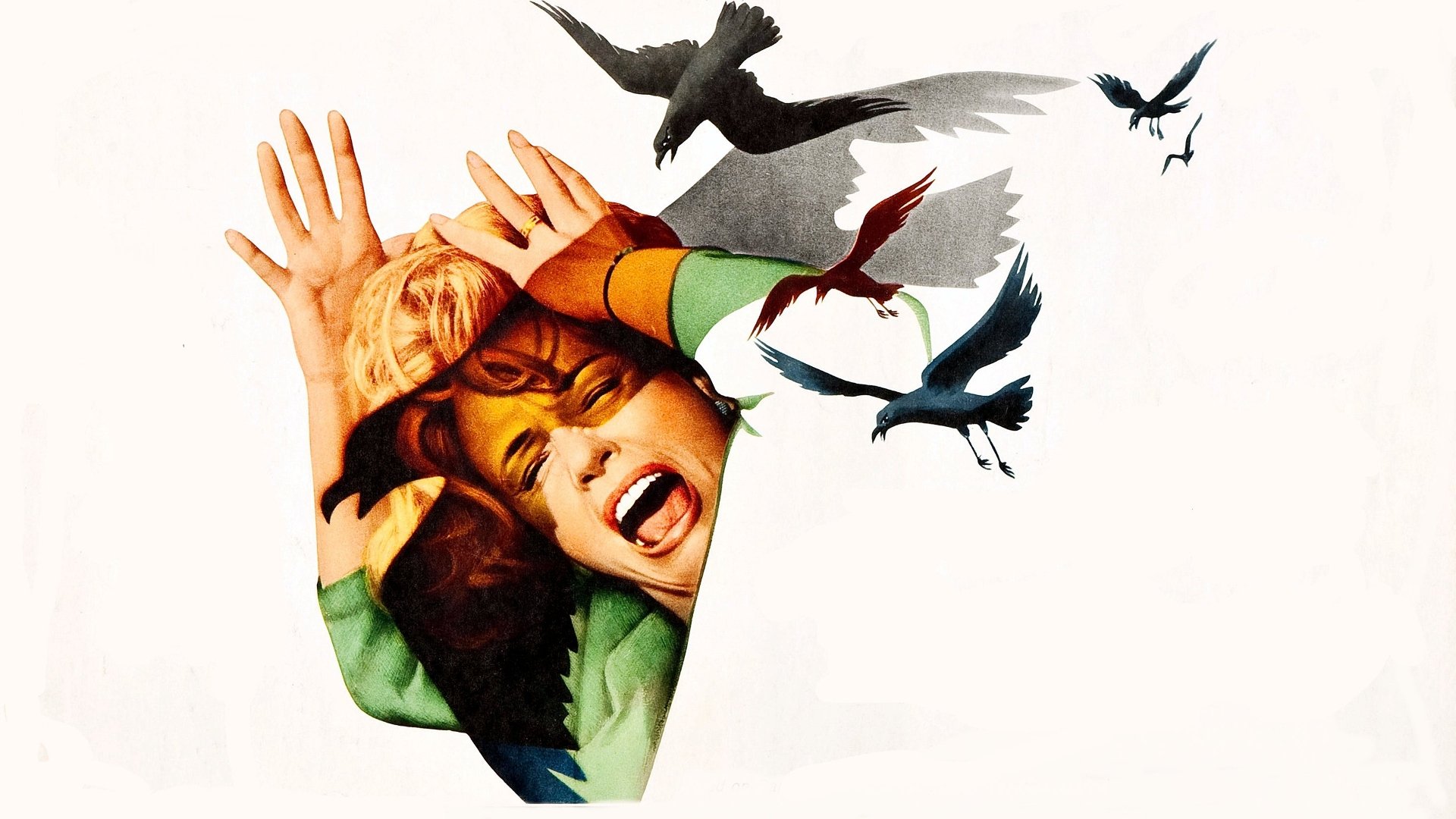
The Birds and the Horror of a World That Stops Explaining Itself
The Birds remains uncanny because Hitchcock refuses to turn catastrophe into a puzzle with a satisfying answer.