
Halloween and the Power of Stripping Horror to Its Nerves
Halloween works because Carpenter removes almost everything nonessential and lets rhythm, space, and dread do the killing.
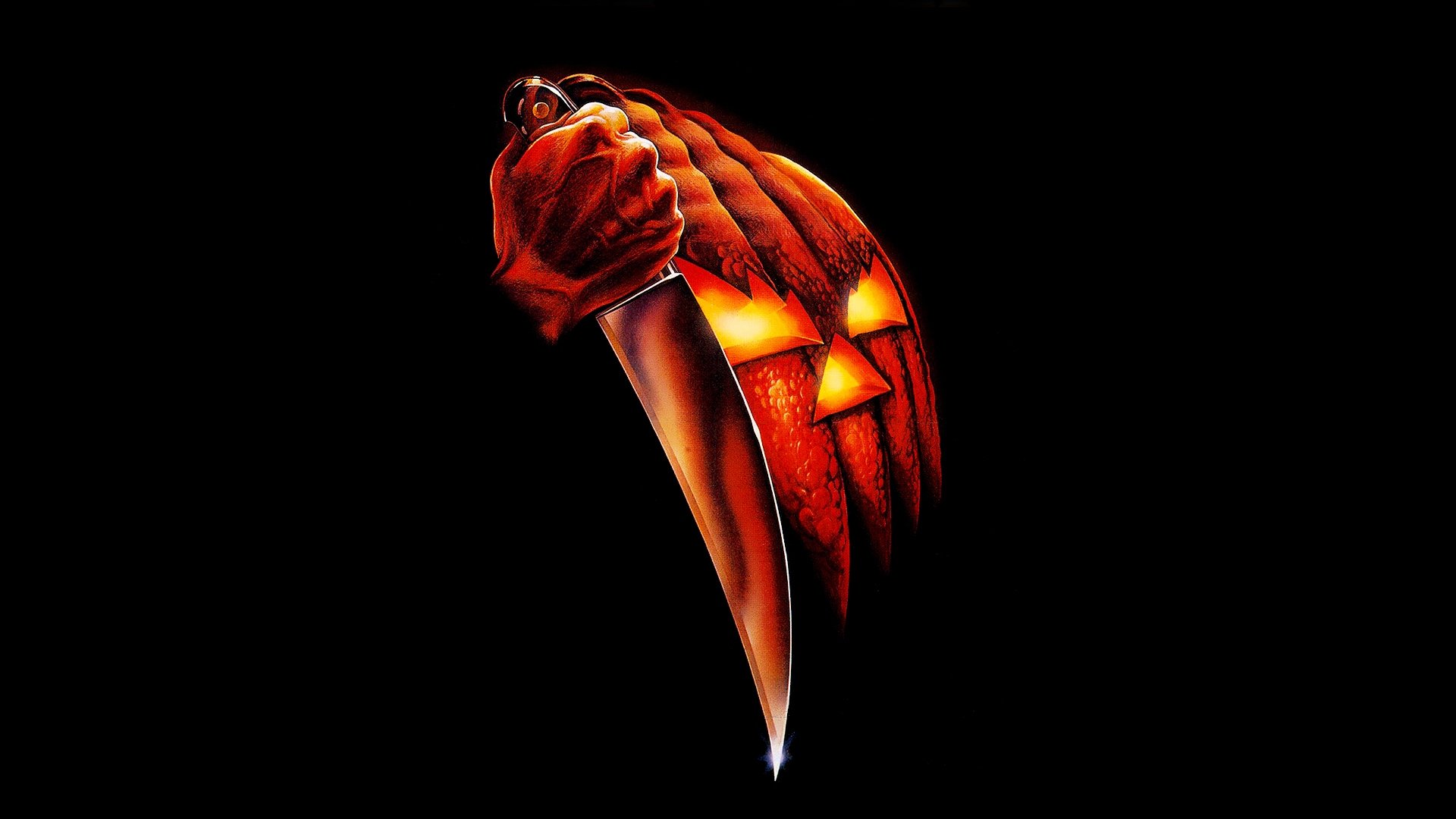
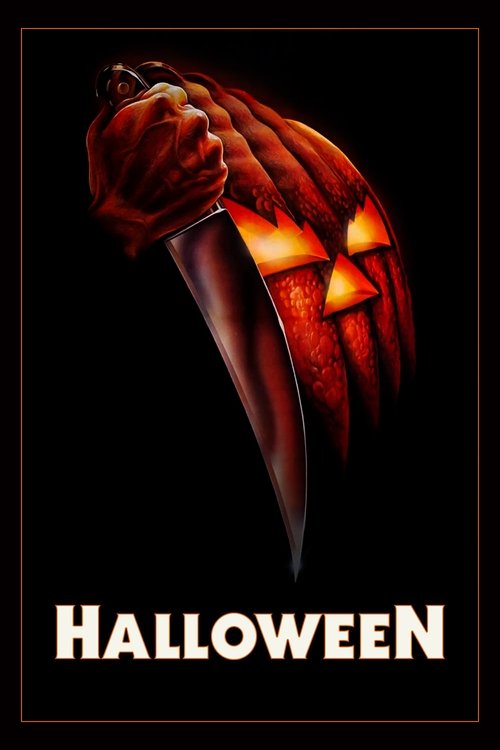
Halloween is one of the great lessons in how little a horror film needs once the essentials are right. Carpenter takes suburbia, a masked shape, a handful of teenagers, and a synthesizer pulse, then builds a terror machine out of timing and restraint.
Michael Myers as Shape, Not Psychology
The movie stays potent because it does not over-explain him. Myers is frightening precisely because Carpenter frames him as presence more than person, a figure who keeps reappearing at the edge of ordinary space until safety itself starts to feel fictional.
Suburbia Rewritten as Threat Space
One of the film’s smartest moves is turning familiar streets and houses into unstable terrain. Halloween does not need gothic excess when a front lawn and a hallway can carry this much dread.
Why the Minimalism Endures
Carpenter trusts pacing, composition, and sound more than explanation. That discipline is what gives Halloween its afterlife, not mythological sprawl but the cold confidence of a movie that knows exactly how to stalk.


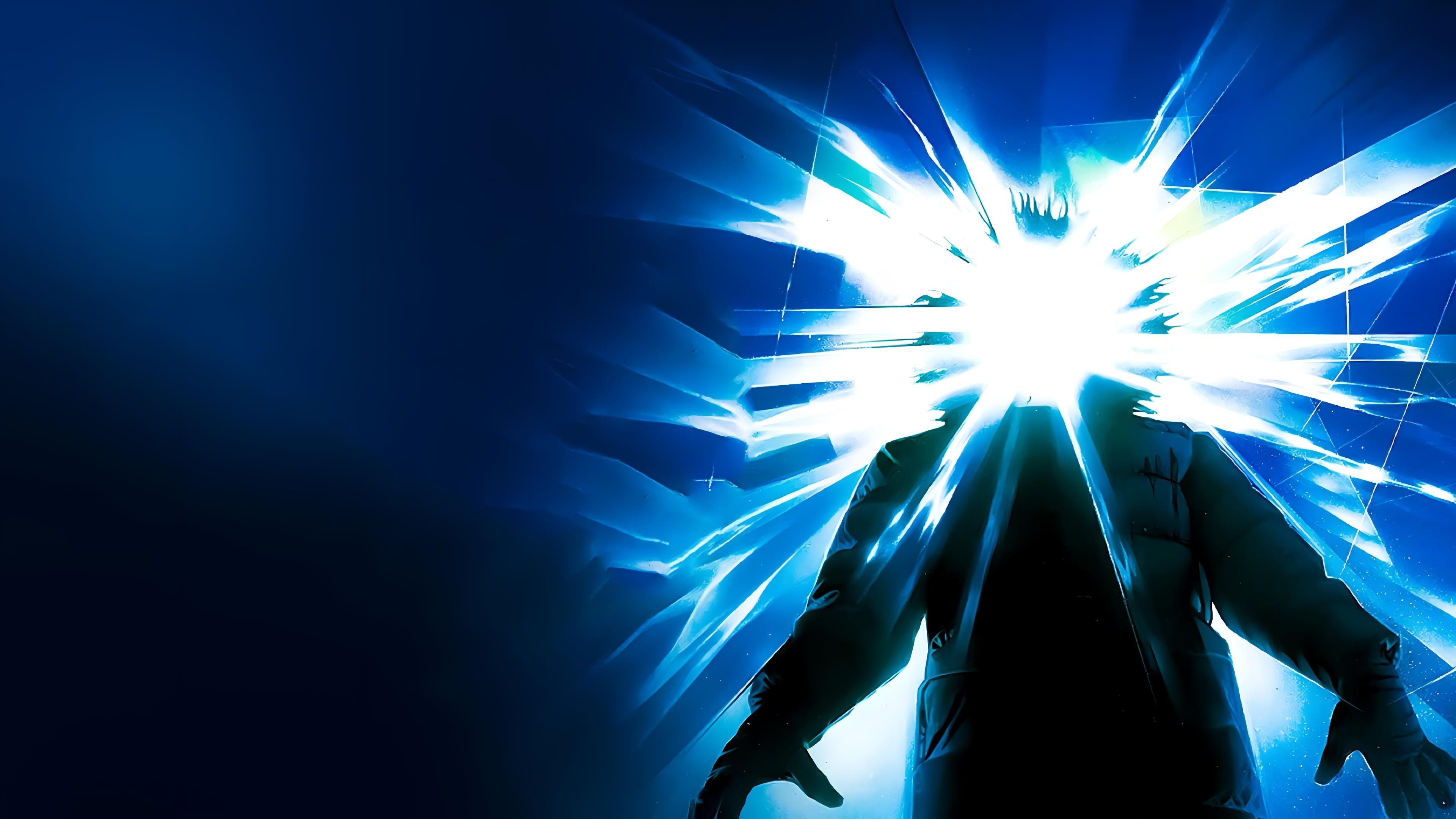
The Thing and the Paranoia Engine of Never Knowing Who Has Changed
John Carpenter’s Antarctic horror masterpiece endures because every creature effect is attached to distrust, isolation, and the collapse of group logic.
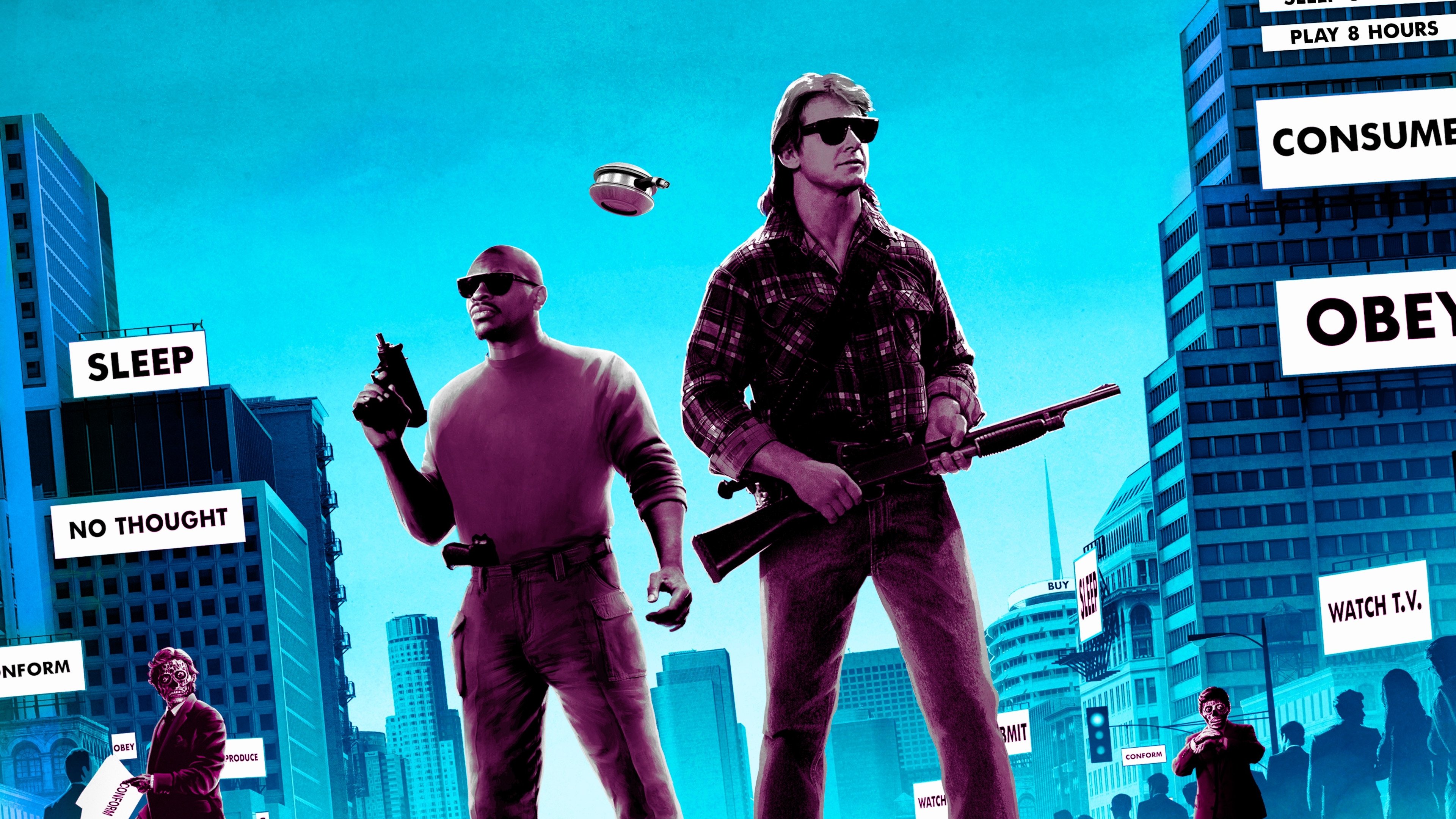
They Live: Satire That Knows a Cult Movie Can Also Hit Like a Brick
They Live lasts because Carpenter makes his anti-consumer nightmare blunt on purpose, then gives it just enough pulp propulsion to keep the sermon alive.
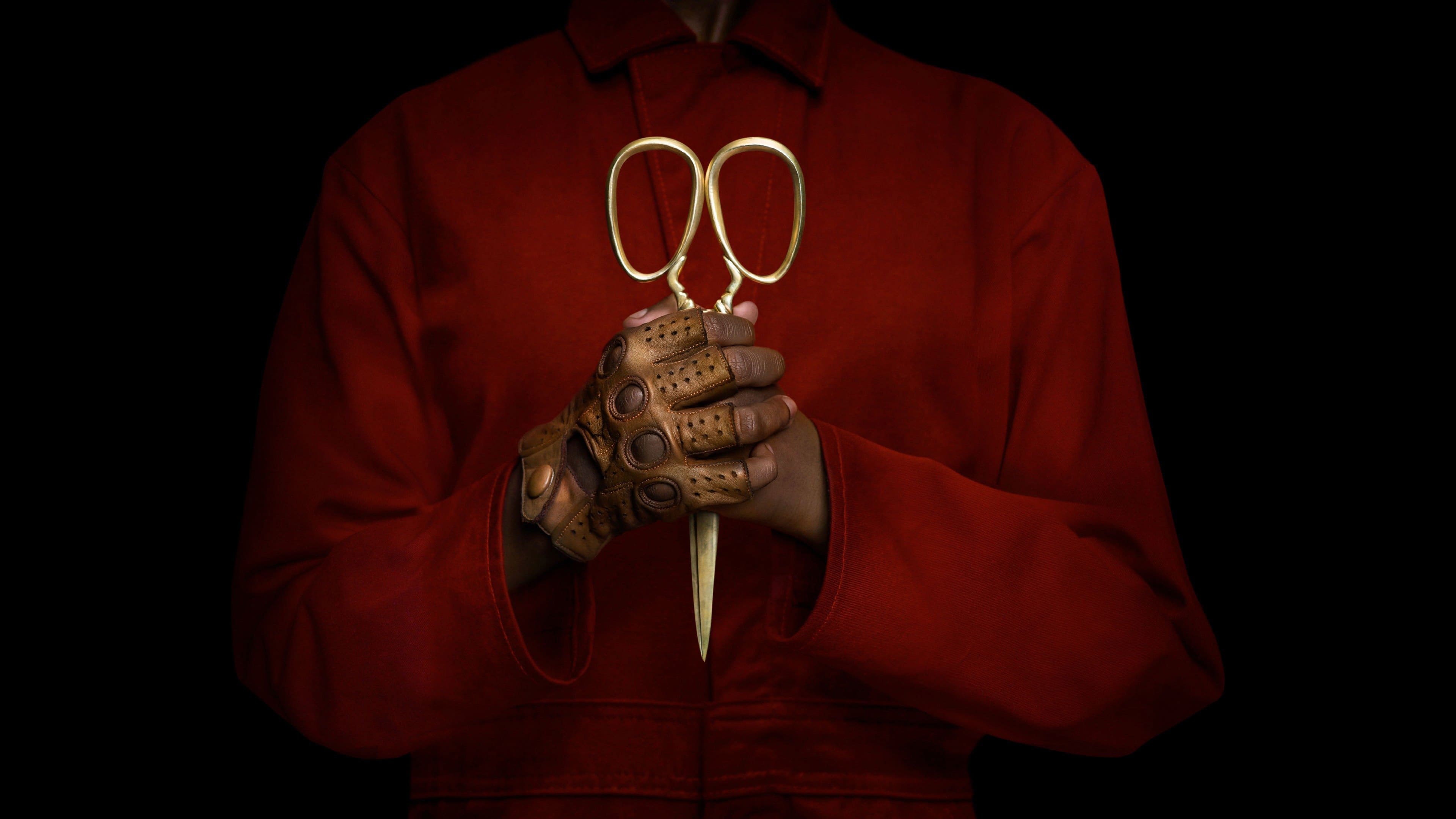
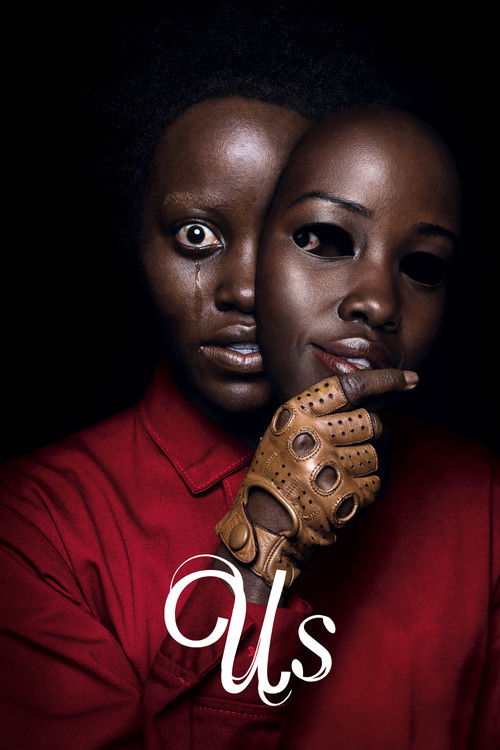
Us and the Terror of What America Needs to Keep Underground
Peele’s follow-up becomes more interesting the moment you stop asking it to behave like a puzzle and start watching it as a national ghost story.
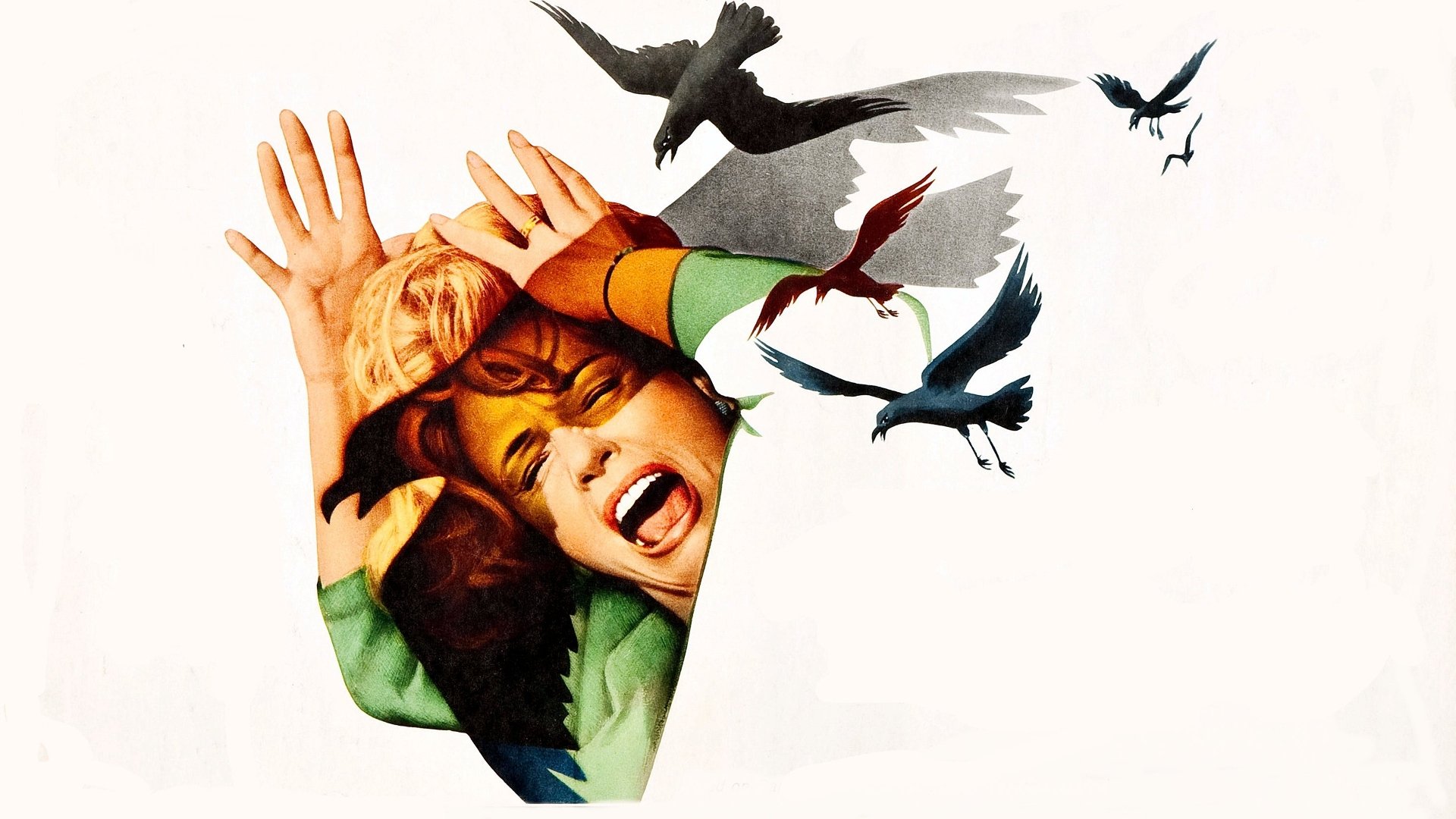
The Birds and the Horror of a World That Stops Explaining Itself
The Birds remains uncanny because Hitchcock refuses to turn catastrophe into a puzzle with a satisfying answer.