
Halloween
Find the movies with rewatch gravity, live dossiers, and unfinished cases worth deepening.
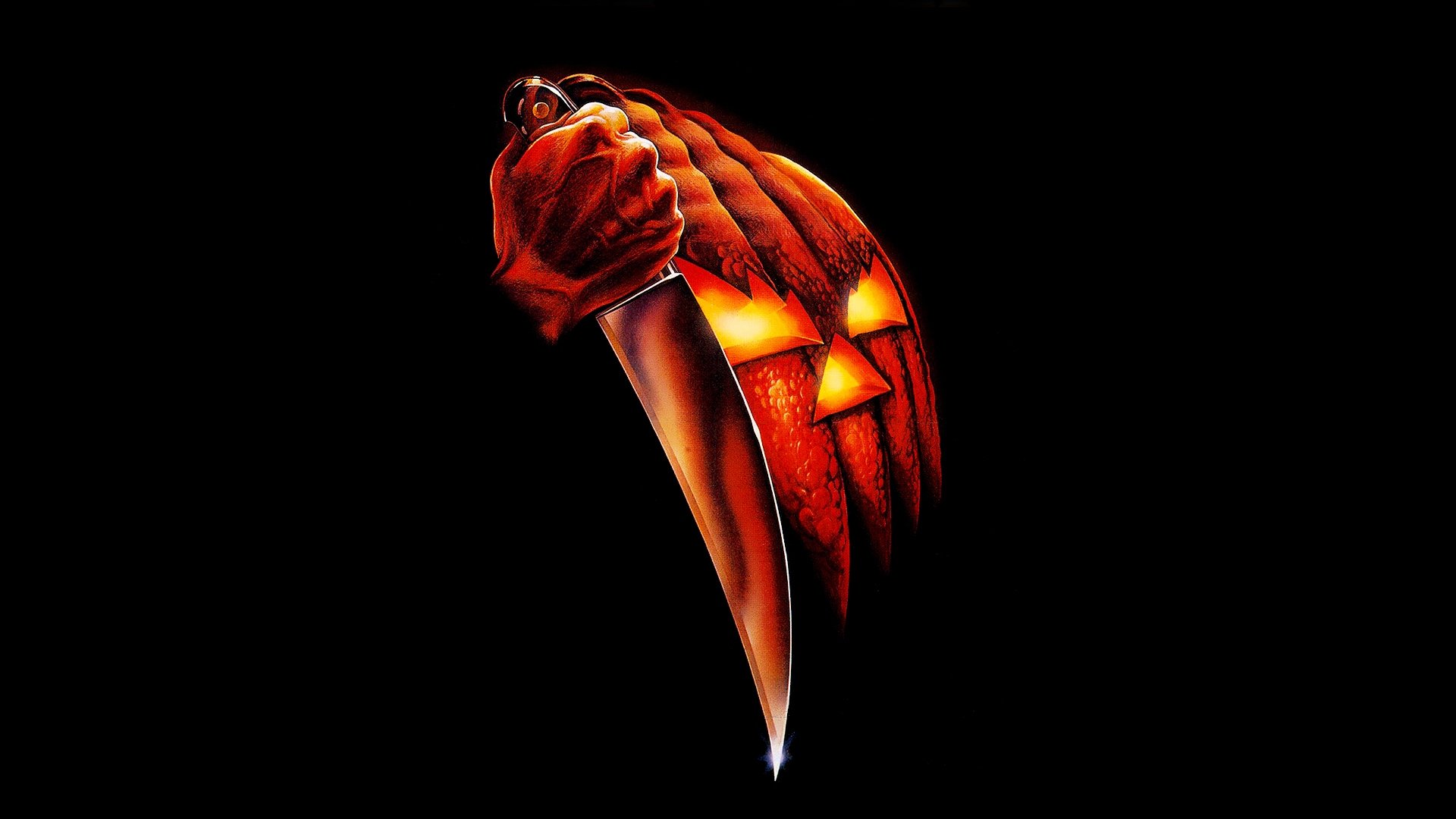
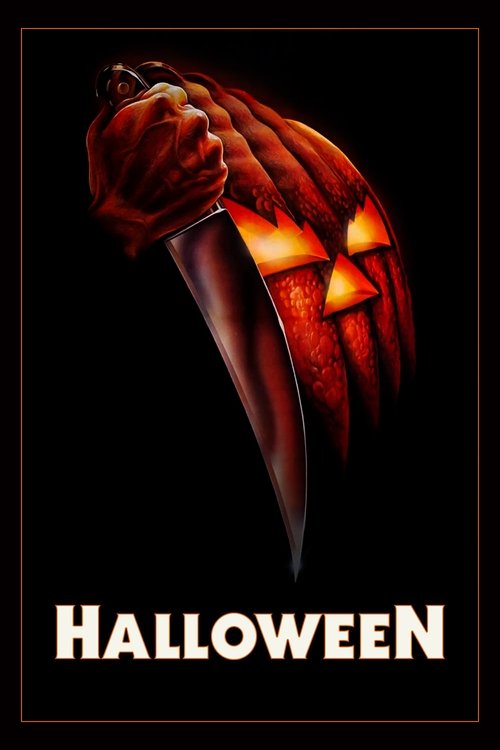
Movie dossier
Halloween
Carpenter reducing suburbia, rhythm, and empty space into a foundational dread machine.
Latest video signal
Trailer slot ready
A widescreen slot for the newest official trailer, interview, or scene signal when the page has a playable source.
Why it matters
Halloween matters because it shows how much horror can do with almost nothing if the formal control is exact. Carpenter makes shape, timing, and neighborhood geography terrifying without needing explanatory weight or ornate mythology.
Craft read
Spatial clarity, stalking rhythm, and minimalist escalation
Autumn quiet, suburban exposure, and pure lurking dread
A template-setting horror landmark whose simplicity is still intimidating
Themes
Cast and context
serial killer • mask • babysitter • stalker • slasher • michael myers
Coverage status
A fully shaped Cinema One case: the movie has enough authored context, pathway links, and argument to feel like more than a catalog entry.
Production notes
- • One of the essential horror-canon pages the site needs.
- • The score is as important as the killer in shaping the movie's identity.
- • Important for showing Cinema One can talk about horror craft without flattening it into trivia.
Watch-next pathway
What should you do after Halloween?
Three intentional continuations: stay with the filmmaker, chase the dominant pressure signal, or jump into the shelf or argument that best explains why this movie belongs here.
The Thing
The cleanest next move if John Carpenter's control, obsessions, or rhythm are what hooked you here.
More fear
Use the taste map to find movies, arguments, and shelves that share this page's strongest signal.
Paranoia Machines
Containment, distrust, infiltration, and movies that trap characters inside systems they can no longer verify.
Movie-page argument
Defend Halloween.
If this movie has a scene, performance, ending, or idea people underrate, make the case. The best defenses can become future Cinema One argument material.
Scene challenge
Pick the scene that proves it.
Cinema One is built around scenes that unlock the movie. Tell us which moment carries the pressure, style, argument, or rewatch charge.
Signature scene: Michael rising behind Laurie
The shape emerging and re-emerging from apparently secured space is what makes Halloween feel elemental. Carpenter does not overwhelm the frame, he lets emptiness and expectation do the work until the image itself becomes a threat.
Line worth carrying forward
Was that the boogeyman carries because the movie knows myth is the real final effect. Halloween does not close by solving Michael Myers, it closes by admitting that the shape now belongs to a wider fear vocabulary.
Why the ending still chills
The final disappearance matters because Carpenter understands subtraction. By taking the body away and letting the breathing continue over empty neighborhood spaces, he turns one night of violence into a lingering atmospheric condition.
Steelman the debate
A smart critique is that Halloween can look too bare compared with later horror films that offer more psychology, gore, or myth-building. The strongest answer is that the bareness is the achievement. Carpenter strips the movie down until framing, movement, and rhythm become enough to terrify on their own.
More from this director
Read next
Halloween works because Carpenter removes almost everything nonessential and lets rhythm, space, and dread do the killing.
John Carpenter’s Antarctic horror masterpiece endures because every creature effect is attached to distrust, isolation, and the collapse of group logic.
They Live lasts because Carpenter makes his anti-consumer nightmare blunt on purpose, then gives it just enough pulp propulsion to keep the sermon alive.