
The Thing
Find the movies with rewatch gravity, live dossiers, and unfinished cases worth deepening.
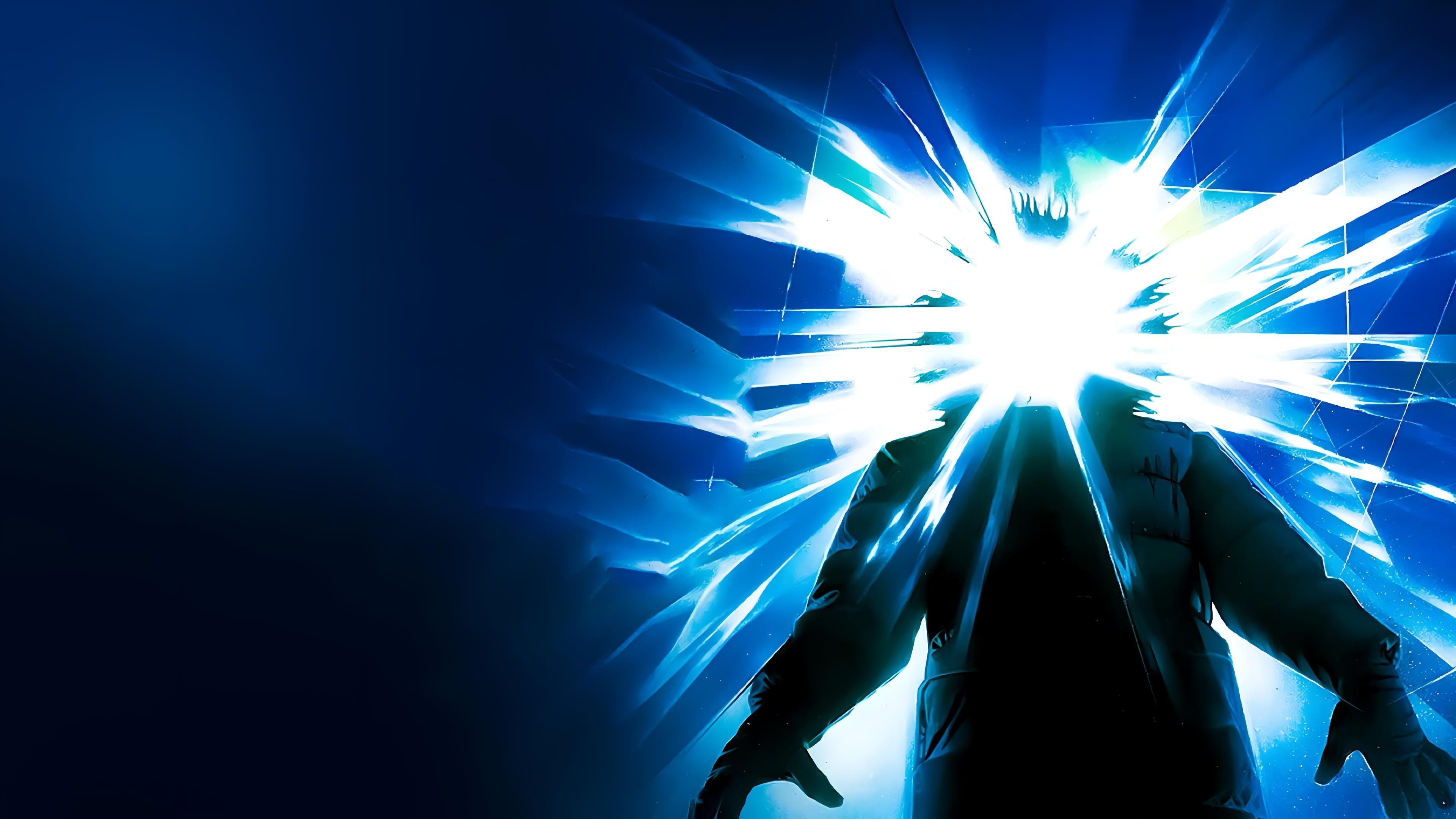
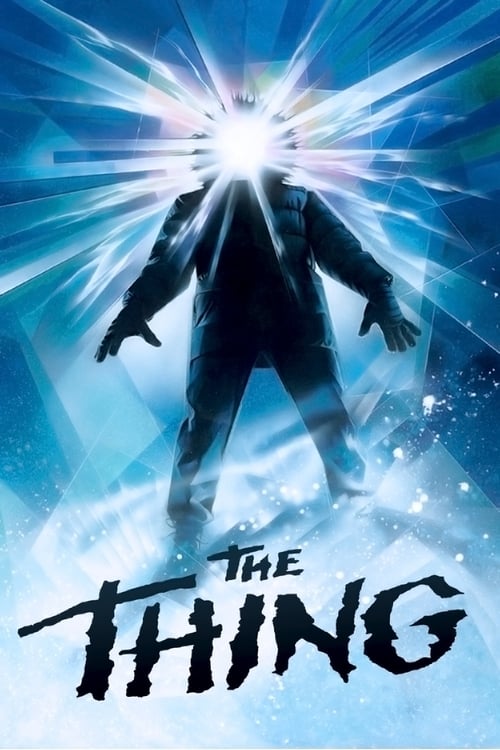
Movie dossier
The Thing
Carpenter turning Antarctic isolation and body horror into a perfect machine of distrust.
Latest video signal
Trailer slot ready
A widescreen slot for the newest official trailer, interview, or scene signal when the page has a playable source.
Why it matters
The Thing matters because it is one of the purest examples of horror form and worldview locking together. Every formal choice, the cold, the enclosure, the practical effects, the group dynamics, serves the same conclusion: trust is gone and knowledge will not save you in time.
Craft read
Containment thriller, infection nightmare, and suspicion chamber fused together
Practical creature work, blizzard isolation, and synth dread
A horror canon pillar that has only grown stronger with time
Themes
Cast and context
alien • antarctica • shapeshifter • isolation • paranoia • survival
Coverage status
A fully shaped Cinema One case: the movie has enough authored context, pathway links, and argument to feel like more than a catalog entry.
Production notes
- • A core Carpenter page and a major credibility title for the site.
- • The practical effects are unforgettable, but the social breakdown is what makes them matter.
- • Important bridge between horror canon and paranoia-thriller curation.
Watch-next pathway
What should you do after The Thing?
Three intentional continuations: stay with the filmmaker, chase the dominant pressure signal, or jump into the shelf or argument that best explains why this movie belongs here.
Halloween
The cleanest next move if John Carpenter's control, obsessions, or rhythm are what hooked you here.
More paranoia
Use the taste map to find movies, arguments, and shelves that share this page's strongest signal.
Paranoia Machines
Containment, distrust, infiltration, and movies that trap characters inside systems they can no longer verify.
Movie-page argument
Defend The Thing.
If this movie has a scene, performance, ending, or idea people underrate, make the case. The best defenses can become future Cinema One argument material.
Scene challenge
Pick the scene that proves it.
Cinema One is built around scenes that unlock the movie. Tell us which moment carries the pressure, style, argument, or rewatch charge.
Signature scene: the blood-test sequence
The blood-test scene is the whole movie in miniature. Carpenter reduces the premise to procedure, waiting, and explosive revelation, then uses one interruption to prove that group trust has already collapsed beyond repair.
Line worth carrying forward
Nobody trusts anybody now, and we're all very tired lands because it states the movie's spiritual condition with exhausted clarity. The horror is not only the creature, it is the social world after certainty dies.
Why the ending never stops working
The ending is great because Carpenter refuses the comfort of solution. The movie closes on exhaustion, suspicion, and a cold stalemate that keeps the premise alive in your head long after the narrative has stopped moving.
Steelman the debate
A fair critique is that The Thing can seem emotionally remote, a film admired for effects, craft, and nihilism more than for human attachment. The strongest defense is that emotional erosion is the subject. Carpenter makes the loss of stable relation itself the horror event.
More from this director
Related picks
Read next
John Carpenter’s Antarctic horror masterpiece endures because every creature effect is attached to distrust, isolation, and the collapse of group logic.
Fincher’s Dragon Tattoo remake endures because research, pattern recognition, and bruised trust become as gripping as any chase scene.
Halloween works because Carpenter removes almost everything nonessential and lets rhythm, space, and dread do the killing.