
Inception: The Architecture of Dreams and Reality
Christopher Nolan's masterpiece explores the layers of consciousness while questioning the nature of reality itself.

Inception works because Nolan makes complexity playable. The movie is a puzzle box, but it is also a grief story about a man whose memory keeps sabotaging him.
The Mechanics of Dream Sharing
The rules matter. Time dilation, kicks, limbo, projection logic, each one gives the movie structure and lets Nolan escalate tension without losing control.
Dom Cobb's Emotional Core
What keeps Inception from becoming pure architecture is Cobb's guilt. The movie understands that the most dangerous thing in a dream is not spectacle, it is unfinished feeling.
Why the Ending Holds
The top matters less than Cobb's choice to stop chasing certainty. That is what gives the ending its charge, not whether the audience can solve it.
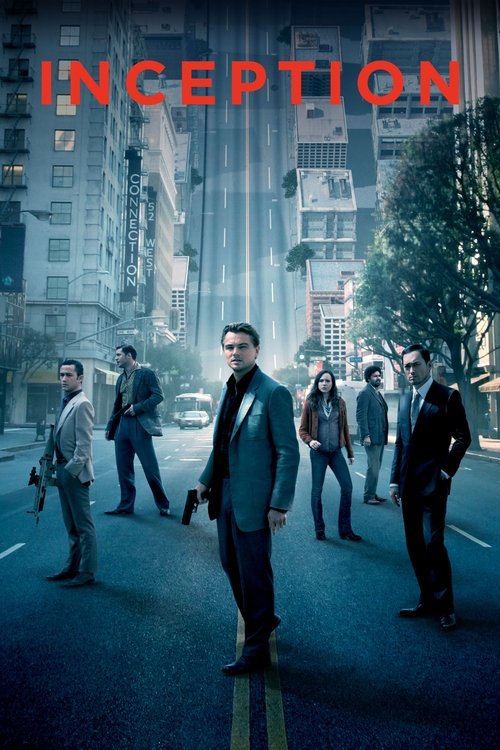
Inception
2010 • Christopher Nolan
Your mind is the scene of the crime.
Movies to pair with this read





Insomnia and the Nolan Trick of Making Guilt Feel Environmental
Insomnia is often treated like a side assignment, but it already shows Nolan turning moral fatigue and unstable perception into atmosphere.

Interstellar: Engineering, Grief, and the Earnestness That Makes It Work
Interstellar keeps surviving backlash cycles because Nolan ties its cosmic spectacle to separation, time loss, and family grief.
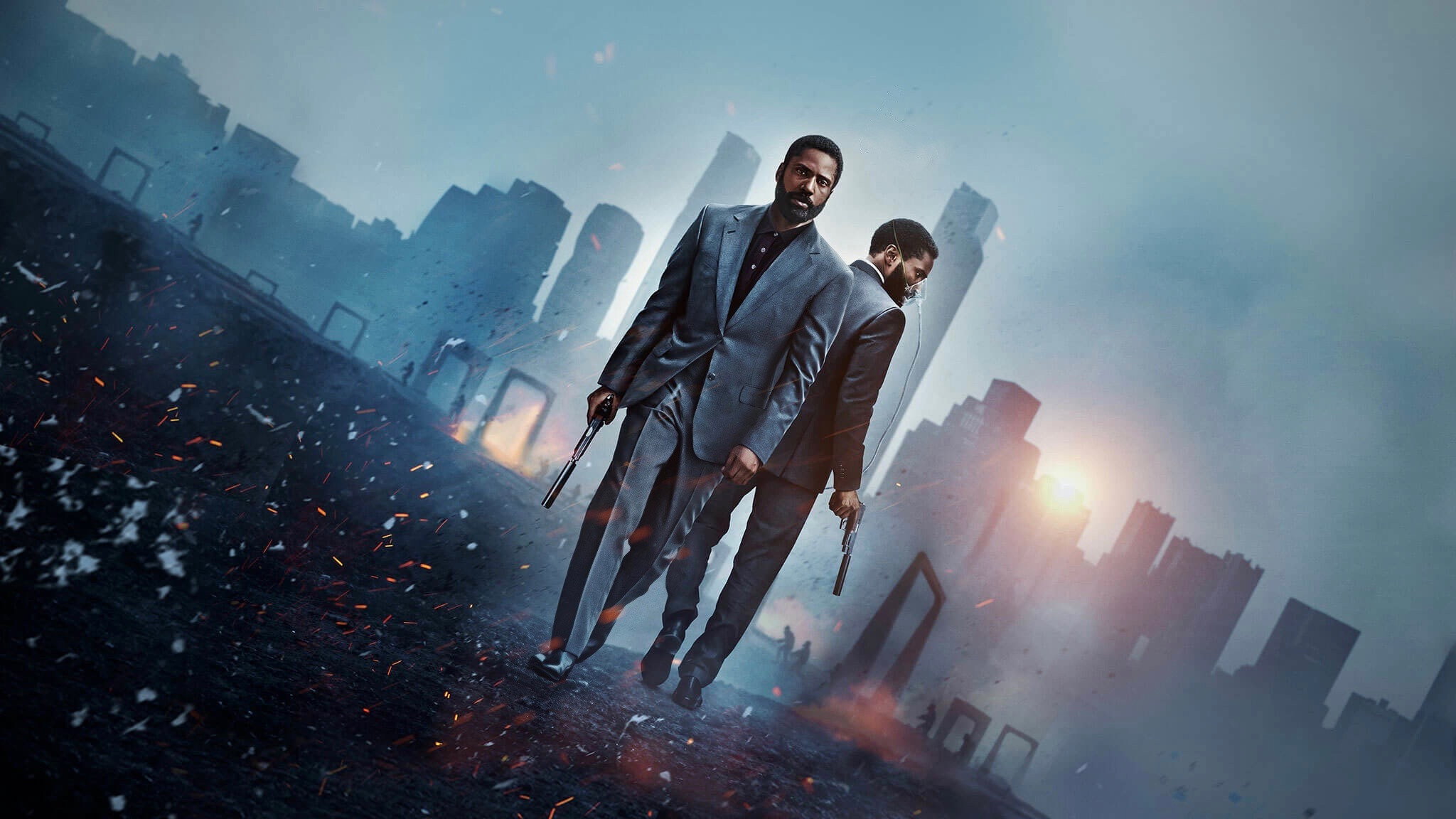
Tenet and the Thrill of a Blockbuster That Refuses to Simplify Its Hostile World
Tenet divides audiences for good reason, but its appeal is inseparable from the feeling that Nolan built a movie where time itself behaves like an antagonist.

Dunkirk and the Power of Treating Survival as Pure Duration
Dunkirk strips war-movie psychology down to time, space, and immediate peril, then finds feeling inside the compression.